How to Prevent Recurring Drain Clogs in a Houston Home
Learn why drain clogs keep returning in your Houston home, how to troubleshoot the root cause, and when to seek professional help.
Understanding Why Drains Keep Clogging
When a sink, shower, or toilet clogs repeatedly despite your best efforts with a plunger or liquid cleaner, it means the underlying issue has not been solved. A temporary blockage is usually caused by simple surface debris, but recurring clogs point toward structural problems, pipe scaling, improper venting, or hidden obstructions deep within the drainage system. Fixing the symptom without addressing the root cause guarantees the problem will return.
In a residential plumbing system, waste water relies on gravity, proper pipe sizing, and adequate ventilation to flow outward toward the municipal sewer or private septic system. When anything interrupts this delicate balance, debris accumulates in the same vulnerable spots over and over again.
The Role of Houston Environment and Infrastructure
Regional environmental conditions and common residential construction styles play a significant role in how drainage systems behave. While every property is unique, several local factors frequently influence plumbing performance:
- Heavy Rainfall and Storms: Intense downpours can overwhelm municipal storm and sanitary systems, occasionally causing backpressure or slow drainage in private laterals.
- Ground Movement: Shifting clay-heavy soils found across many areas can place stress on underground drainage pipes, occasionally shifting pipe joints or creating minor sags where waste water pools.
- High Humidity and Heat: Warm conditions encourage rapid bacterial and organic growth within kitchen and bathroom traps, accelerating the buildup of slime and sludge.
- Mature Neighborhoods: Older residential properties often feature aging cast iron or clay lateral lines that develop rough interior surfaces or root intrusions over decades of use.
Common Causes of Repeated Blockages
Distinguishing between different types of recurring clogs helps narrow down where the restriction is hiding. Not all clogs originate inside the trap immediately beneath the fixture.
Branch-Line vs. Main-Line Restrictions
If only one fixture backs up—such as a single bathroom sink—the issue is typically localized to that specific branch line or trap. However, if multiple fixtures begin draining slowly at the same time, or if flushing a toilet causes water to bubble up into the shower pan or bathtub, the obstruction is likely located further downstream in the main drain or sewer lateral.
Grease, Soap Scum, and Mineral Buildup
Kitchen sinks frequently suffer from recurring clogs due to accumulated cooking fats, oils, and grease (FOG). As warm grease cools inside the pipe, it solidifies and catches food particles. Over time, this creates a narrowing ring inside the pipe wall. Similarly, soap scum combined with hair in bathroom showers creates stubborn, fibrous masses that standard plunging only pushes past temporarily.
Structural Pipe Issues and Venting Failures
Sometimes the pipe itself is the culprit. A sag or low spot in a drain line allows standing water to collect, dropping heavy solids out of suspension and creating a permanent bottleneck. Additionally, plumbing vent stacks that become blocked by leaves, debris, or bird nests can disrupt the air pressure needed for smooth drainage, causing gurgling sounds and sluggish flow across multiple fixtures.
Safe Homeowner Checks and Low-Risk Maintenance
Before calling for professional service, homeowners can perform several safe inspections to gather valuable clues about the problem:
- Check Multiple Fixtures: Test other water outlets in the home to determine if the blockage is isolated to one spot or affecting a whole bathroom or zone.
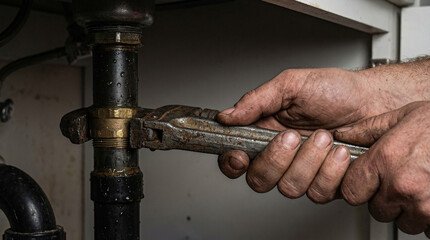
- Inspect the P-Trap: Place a bucket beneath the curved P-trap under a sink, carefully unscrew the slip nuts, and inspect for trapped debris, foreign objects, or heavy sludge.
- Observe Drainage Behavior: Notice whether the water drains away slowly from the start or fills up quickly and then drains in slow surges. Surging often indicates a venting restriction.
- Track Patterns: Record whether clogs happen after using specific appliances, such as a washing machine or dishwasher, which can point to overloaded branch lines.
Safety Warning: Never mix chemical drain cleaners, and avoid using high-pressure mechanical snakes or motorized augers yourself if you lack experience, as improper tool use can puncture older pipes or separate joints behind finished walls.
What Makes DIY Attempts Fail
Many homeowners rely on liquid chemical drain openers or basic hand plunges when a clog reappears. While these methods offer temporary relief for surface blockages, they have significant limitations:
- Chemicals Only Bore a Small Hole: Liquid cleaners typically eat a narrow channel through the center of a grease or hair clog, leaving the surrounding buildup intact. The clog quickly reforms as soon as more debris washes down.
- Potential Pipe Damage: Harsh chemical formulas can corrode older metal pipes, degrade rubber seals, and generate excessive heat that warps PVC connections.
- Inadequate Reach: A standard hand plunger cannot clear obstructions located several feet down a branch line or inside a main sewer pipe.
Professional Diagnosis and Advanced Solutions
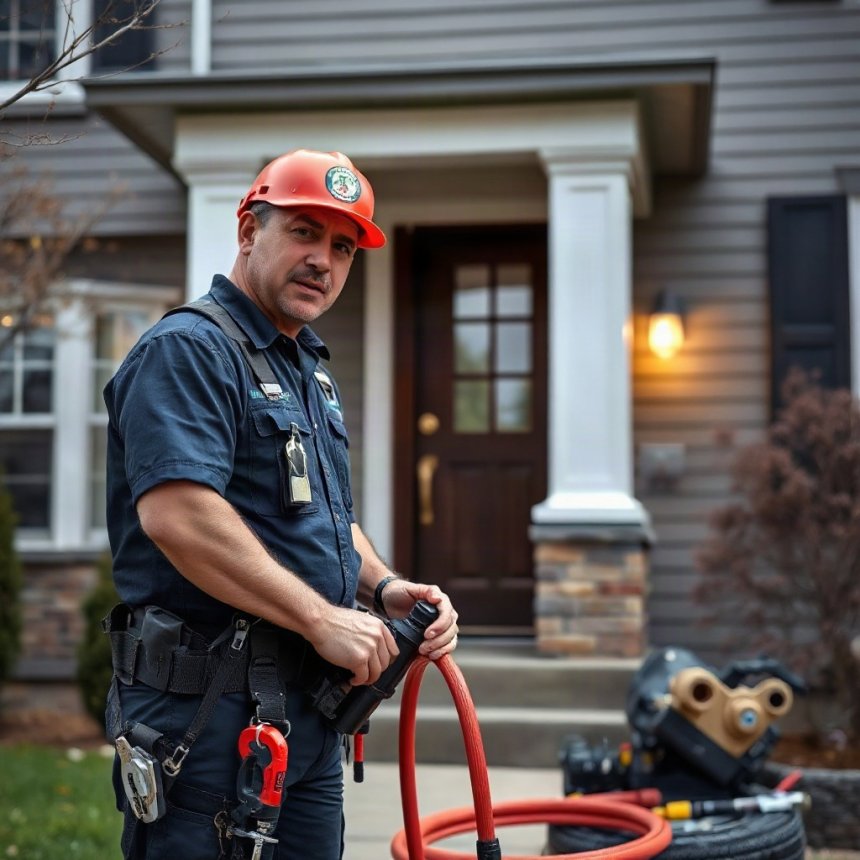
When recurring clogs defy basic troubleshooting, a professional plumber uses specialized diagnostic tools to uncover the root cause.
Sewer Camera Inspections
A waterproof fiber-optic camera is pushed through the cleanout and down the drain lines to provide a live video feed of the pipe interior. This allows a technician to visually identify root intrusions, cracked pipes, offset joints, grease buildup, or structural sags without guessing.
Mechanical Cleaning and Hydro Jetting
Depending on what the camera reveals, different cleaning methods are applied:
- Traditional Snaking: Effective for punching through localized solid obstructions like tree roots or heavy clogs.
- Hydro Jetting: Uses high-pressure water streams to scour the entire interior circumference of the pipe, completely removing grease, scale, and stubborn buildup down to the bare pipe wall. This approach restores maximum flow capacity far more thoroughly than standard snaking.
Repair Versus Replacement Considerations
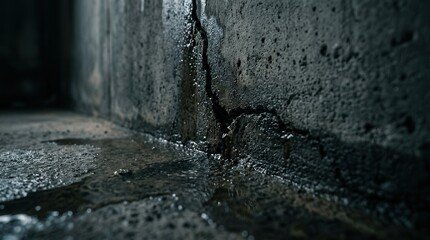
If a camera inspection reveals physical damage to the pipe, a decision must be made between repair and full replacement. Minor localized issues—such as a single cracked section or a localized root intrusion—can often be resolved with a targeted pipe repair or trenchless spot repair. However, if an entire run of aging cast iron or Orangeburg pipe has deteriorated, rusted out, or developed multiple sags throughout its length, partial patches will only buy temporary time before another failure occurs. In such cases, full-line replacement provides a long-term solution.
Understanding Cost Factors
The cost to resolve recurring drain clogs varies widely based on the nature of the work required. Several core variables drive pricing:
- Location and Accessibility: Cleaning a readily accessible P-trap is straightforward, whereas clearing a main sewer line buried beneath a concrete slab or requiring excavation involves significantly more labor.
- Severity and Equipment Needed: Routine mechanical snaking requires less time and setup than a comprehensive hydro jetting service paired with an HD camera inspection.
- Pipe Condition and Material: Damaged, fragile, or collapsed lines require specialized repair techniques and material replacement, increasing overall project scope.
- Permits and Restoration: If underground excavation or breaking through concrete is necessary, additional labor for site restoration and required local permits will affect the final investment.
Always request an itemized estimate that clearly separates diagnostic charges, labor, equipment usage, and any potential repair or restoration work before authorizing major plumbing services.
Frequently Asked Questions
Why does my kitchen sink keep clogging even though I use a garbage disposal?
Garbage disposals shred food particles, but they do not liquefy grease, fibrous vegetables, or starchy foods like pasta and potato peels. When these items mix with water and cool inside the drain lines, they accumulate along the pipe walls, creating recurring blockages.
Can tree roots cause my indoor sink drains to clog repeatedly?
Yes. Tree roots seek out moisture and can penetrate tiny cracks or loose joints in underground sewer laterals. As roots grow inside the pipe, they trap toilet paper, grease, and waste, causing frequent backups that eventually affect lower-level plumbing fixtures throughout the house.
What do gurgling drains indicate about my plumbing system?
Gurgling sounds usually mean air is being pulled through a drain trap because the vent stack is partially blocked, or because a downstream clog is restricting airflow. As waste water forces air bubbles back up through the pipes, you hear that distinctive gurgling noise.
Is hydro jetting safe for older pipes?
A professional plumber must always perform a preliminary camera inspection before hydro jetting. If pipes are severely corroded, thin, or structurally compromised, high-pressure water can cause further damage. For healthy yet heavily scaled pipes, hydro jetting is extremely effective.
How often should main drain lines be professionally cleaned?
Homes with mature trees nearby, older cast iron plumbing, or large households generating heavy grease and waste often benefit from preventive drain cleaning every 12 to 24 months to avoid emergency backups.