Introduction
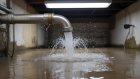
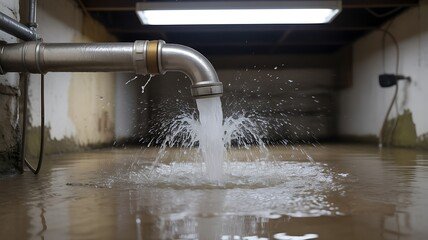
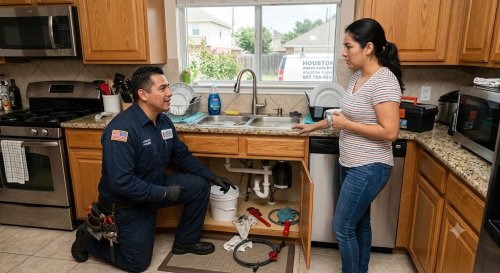
Waking up at 2 AM to the sound of rushing water or finding raw sewage backing up into your shower creates immediate panic for any homeowner. In moments like these, you do not have time to scroll through endless search results—you need a fast, dependable Emergency Plumber in Houston who can arrive quickly, diagnose the issue, and secure your home. Emergency plumbing breakdowns disrupt your life, threaten your safety, and can cause tens of thousands of dollars in water damage within hours if left unaddressed.
+--------------------------------------------------------------------------------+
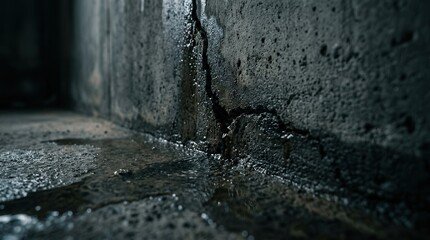
|                        THE STAGES OF PLUMBING CATASTROPHE                      |
+--------------------------------------------------------------------------------+
|  Stage 1: Pinhole Leak / Hidden Mainline Crack                                |
|  --> Stage 2: Sub-floor Saturation & Foundation/Wall Damage                   |
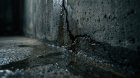
|  --> Stage 3: Rapid Mold & Bacteria Proliferation (Within 24 to 48 Hours)      |
|  --> Stage 4: Structural Timber Degradation & Complete System Collapse         |
+--------------------------------------------------------------------------------+
Across the Greater Houston area, property owners face unique plumbing pressures. From shifts in heavy clay soil to high humidity and intense seasonal weather swings, local piping infrastructure takes a beating year-round. When pressurized supply lines rupture or main drain valves fail, immediate intervention isn't just a convenience—it is essential to protecting your foundation, drywall, and family health.
Unique Expert Insights: Hard Truths Homeowners Learn Too Late
1. Liquid Chemical Drain Cleaners Destroy Pipes From Within
Over-the-counter drain openers use exothermic chemical reactions to generate heat and dissolve hair or grease. In standing water, these harsh acids sit in place, eating away at PVC cement joints, corroding copper, and softening old cast iron lines from the inside out.
2. Temporary Patch Kits Void Home Insurance Coverage
Rubber wrap sleeves, epoxy putty, and clamp kits are designed strictly as short-term emergency controls while awaiting a licensed technician. Adjusters frequently deny water damage claims if an investigation reveals a temporary DIY patch was left in service as a permanent fix.
3. "Flushable" Wipes Do Not Dissolve
Despite marketing claims on packaging, pre-moistened wipes do not break down like toilet paper. They catch on minor interior pipe roughness, combining with fats, oils, and minerals to form massive line blockages that require professional hydro-jetting to clear.
4. Unlicensed Handymen Leave Hidden Inspection Traps
Hiring an uncertified worker for major pipe modifications often results in non-compliant slope angles, missing vent stacks, or improper fittings. These hidden violations frequently surface during real estate home inspections, stalling property sales and requiring costly teardowns.
5. Excessive Water Pressure Silently Wrecks Appliances
Water pressure above 80 PSI may feel powerful, but it places continuous strain on solenoid valves, water heater tanks, and flexible appliance connector lines, dramatically shortening their service life and raising the risk of sudden line bursts.
Root Causes: Why Plumbing Failures Strike Houston Homes
Understanding the forces acting on your home's piping network helps you anticipate problems before catastrophic line breaks occur.
+------------------------------------------------------------------------------+
|                         RESIDENTIAL PLUMBING SYSTEM FLOW                     |
+------------------------------------------------------------------------------+
| [Municipal Line / Well] ---> High-Pressure Supply Network                    |
|                                       |                                      |
|                                       v                                      |
|                             [Pressure Regulator]                             |
|                                       |                                      |
|                   +-------------------+-------------------+                  |
|                   |                                       |                  |
|                   v                                       v                  |
|          Cold Water Fixtures                     Water Heater                |
|                   |                                       |                  |
|                   v                                       v                  |
|         Drainage Outlets (DWV)                   Hot Water Lines             |
|                   |                                       |                  |
|                   +-------------------+-------------------+                  |
|                                       |                                      |
|                                       v                                      |
|                       [Gravity Main Line / Sewer]                            |
+------------------------------------------------------------------------------+
-
Expansive Soil and Ground Shifting: Local soil conditions cause ground expansion and contraction between dry spells and heavy rains. This continuous movement places immense shear stress on underground cast iron, clay, and PVC water mains.
-
Aging Infrastructure & Legacy Pipe Materials: Older properties constructed prior to modern building codes often rely on galvanized steel or original cast iron lines. Galvanized pipes rust internally, constricting flow and flaking debris, while cast iron lines suffer from bottom-channel corrosion.
-
Hard Water Mineral Scaling: Dissolved calcium and magnesium build up inside supply lines and water heating tanks. Over time, calcification reduces internal pipe diameters, locks up fixture valves, and bakes onto heating elements, reducing efficiency.
-
Municipal Pressure Fluctuations: Spikes in municipal water delivery pressure stress solder joints, crimp rings, and fixture seals. Without a properly tuned Pressure Reducing Valve (PRV), these pressure surges trigger pinhole leaks behind drywall.
What Is Emergency Plumbing? Decoding the Mechanism
At its core, a residential plumbing system operates on two distinct physical principles: pressure-fed clean water supply and gravity-assisted waste drainage.
-
The Pressurized Supply Side: Clean water enters your property under 40 to 80 PSI of pressure. It flows through copper, PEX, or CPVC piping directly to taps, water heaters, and appliances. If a pressurized pipe or valve breaks, water escapes continuously at high velocity until the main shut-off valve is closed.
-
The Gravity Drain-Waste-Vent (DWV) Side: Wastewater leaves fixtures using gravity flow down precisely sloped lines (typically $1/4$ inch drop per foot). Roof vent stacks maintain atmospheric pressure so water glides smoothly toward the main sewer tap. When a mainline blocks or collapses, wastewater has nowhere to go but back up through the lowest fixtures in the house.
Emergency Protocol: When Immediate Dispatch is Non-Negotiable
Not every dripping tap or slow sink requires a midnight service dispatch. Knowing what constitutes a true emergency protects your property while helping you manage service costs efficiently.
                  IS IT AN EMERGENCY PLUMBING DISPATCH?
                  -----------------------------------
                                   |
            +----------------------+----------------------+
            |                                             |
            v                                             v
         [ YES ]                                       [ NO ]
    Immediate Isolation                           Schedule During
   & Emergency Dispatch                           Standard Hours
            |                                             |
  +---------+---------+                         +---------+---------+
  |                   |                         |                   |
  v                   v                         v                   v
Catastrophic     Sewage Back-up               Dripping Faucet    Slow Sink
Burst Pipe       in Living Areas               Running Toilet     Drain
-
Active Structural Flooding: Water bursting from supply lines, water heater tank ruptures, or severed valve connections that cannot be isolated locally.
-
Main Sewer Backup into Living Spaces: Wastewater bubbling up through bathtub drains, showers, or lower-level floor drains when toilets are flushed.
-
Total Loss of Potable Water: Complete loss of incoming water supply that prevents basic household sanitation.
-
Gas Odors Near Water Heaters: Natural gas smells ($H_2S$ additive) near gas-fired units demand immediate evacuation, utility notification, and emergency technician arrival.
Critical Warning Signs: When Your Home is Sounding the Alarm
Your plumbing system rarely fails without warning. Being attuned to subtle sensory clues allows you to act before small defects turn into emergency disasters.
Auditory Clues
-
Gurgling Fixtures: A bubbling sound from your toilet when the sink runs—or gurgling in the shower while the washing machine drains—indicates air trapped by a main line clog or vent stack blockage.
-
Water Hammering: Loud thumping sounds inside walls when taps turn off rapidly indicate excessive water pressure or loose mounting straps.
-
Ghost Flushing: If a toilet tank refills periodically on its own, water is leaking silently through a warped flapper into the bowl.
Visual & Olfactory Indicators
-
Unexplained Water Meter Movement: If all interior fixtures are turned off but your water meter dial continues to turn, you have an active hidden supply leak.
-
Damp Spots and Discoloration: Dark rings on ceilings, bubbling wall paint, or unexplained floor warping signal pinhole leaks behind surfaces.
-
Sewer Gas Odors: A persistent rotten-egg smell near fixtures indicates dry P-traps, broken vent stacks, or cracked main sewer lines allowing toxic sewer gas into living quarters.
Advanced Diagnostics: The Professional Tool Arsenal
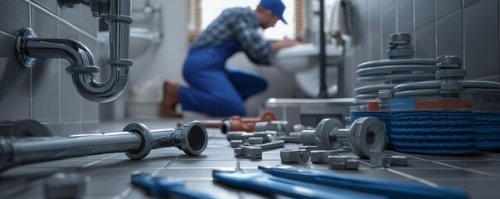
Modern emergency plumbing relies on sophisticated diagnostic tools to pinpoint leaks and blockages accurately without unnecessary demolition:
-
High-Definition Sewer Cameras: Fiber-optic push-rod cameras with real-time transmitters inspect internal pipe conditions, identifying cracks, offset joints, and root intrusion down to the exact inch.
-
Electronic Acoustic Leak Detectors: Sensitive ground microphones isolate the specific sound frequency of pressurized water escaping from pipes buried beneath concrete slabs or behind drywall.
-
High-Pressure Hydro-Jetting Systems: Industrial units using water pressure up to 4,000 PSI blast away thick grease, heavy mineral scale, and tree roots to restore full pipe capacity.
-
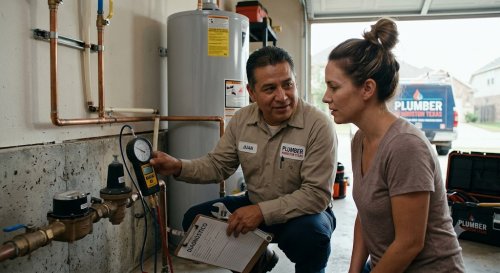
Digital Manometers & Ultrasonic Locators: Equipment that measures micro-drops in system pressure to verify complete line integrity before completing a service call.
Professional Diagnostic & Repair Workflow
When a licensed technician arrives at your property, they follow a systematic, code-compliant protocol:
[Step 1: Safety Isolation & Non-Invasive Triage]
                      │
                      ▼
[Step 2: Precision Diagnostic & Digital Video Inspection]
                      │
                      ▼
[Step 3: Upfront Written Options & Transparent Pricing]
                      │
                      ▼
[Step 4: Code-Compliant Remediation & Part Replacement]
                      │
                      ▼
[Step 5: Standing Pressure Test, Flow Verification, & Clean]
-
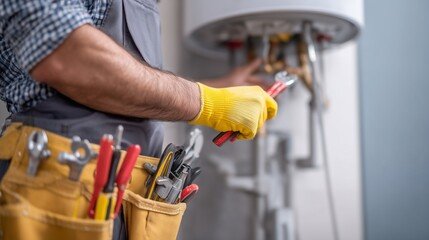
Safety Isolation & Triage: The technician shuts off the main water valve or gas line if necessary, verifying electrical safety around standing water.
-
Precision Diagnostic: Using video cameras, pressure gauges, and acoustic equipment, the root cause is located without unneeded wall or slab opening.
-
Transparent Options & Pricing: You receive an upfront written breakdown detailing repair pathways, material options, and exact flat-rate costs before work starts.
-
Code-Compliant Repair: Repairs are completed using professional materials such as Type L copper, high-density PEX, or Schedule 40 PVC to meet local plumbing codes.
-
Flow Verification & System Testing: The completed repair is pressure-tested under full operating conditions, the area is sanitized, and proper drainage flow is confirmed.
DIY Reality Check: What You Can Safely Fix vs. When to Step Back
Knowing your limits prevents small maintenance tasks from turning into structural flood events.
Safe Homeowner Actions
-
Cleaning surface debris from sink pop-up stoppers and hair strainers.
-
Replacing worn rubber toilet flappers, fill valves, or faucet aerators.
-
Resetting tripped garbage disposal breaker buttons and using the manual hex wrench to clear jams.
-
Turning off angle stops under sinks or behind toilets during localized drips.
Danger Zone: Call a Licensed Professional
-
Working on gas water heater connections, burner assemblies, or flue venting.
-
Operating heavy-duty power augers inside main drain cleanouts without prior video inspection.
-
Cutting into concrete slabs to access underground drain or supply lines.
-
Modifying main municipal water meter connections or main pressure regulators.
Comprehensive Home Plumbing Maintenance Framework
Proactive seasonal maintenance keeps your plumbing infrastructure running efficiently and helps prevent midnight emergencies:
Spring & Summer Care
-
Inspect outdoor hose spigots and backflow preventers for hairline body cracks.
-
Test sump pump operation by pouring water directly into the pit to verify float switch activation.
-
Check exterior yard drains and cleanout caps to ensure heavy rain runoff clears freely.
Fall & Winter Preparation
-
Disconnect, drain, and store all outdoor garden hoses prior to freezing temperatures.
-
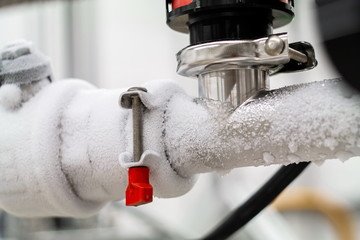
Insulate exposed water pipes in unheated garages, attics, or crawlspaces using closed-cell foam sleeves.
-
Flush sediment from your water heater tank and test its Temperature & Pressure (T&P) relief valve.
-
Verify that interior cut-off valves for outdoor spigots close completely.
Year-Round Best Practices
-
Install removable stainless steel mesh strainers over every tub and shower drain.
-
Monitor home water pressure regularly using a simple hose-bib gauge to keep readings between 50 and 70 PSI.
-
Use biological enzyme drain cleaners monthly instead of harsh chemical openers.
Financial Breakdown: Cost Factors & Investment Realities
Plumbing repair costs depend on several clear technical variables rather than arbitrary guesses:
| Cost Factor | Lower-Range Input | Higher-Range Input |
| Accessibility | Open basement, garage, or utility room | Buried beneath concrete slab or inside finished tile |
| Material Quality | Schedule 40 PVC / Standard PEX | Type L Hard Copper / Cast Iron Replacement |
| Diagnostic Need | Direct visual identification | Acoustic leak detection & video camera inspection |
| Permit & Code Standard | Minor fixture replacement | Main line replacement requiring city inspection |
Upfront flat-rate pricing ensures you review exact repair costs before work begins, keeping your project transparent and predictable from start to finish.
Frequently Asked Questions
How quickly can an emergency plumber arrive during a main line break?
Dispatch teams prioritize active flooding and total line failures, aiming to arrive as quickly as possible with fully stocked service trucks ready to isolate and repair the issue.
What should I do first while waiting for the emergency plumber to arrive?
Immediately locate your main water shut-off valve and turn it clockwise until it stops. If the leak is near electrical panels or outlets, switch off power to those zones at your breaker box.
Why does my water heater make popping or rumbling noises?
Popping sounds occur when sediment builds up at the bottom of the tank. Trapped water boils underneath this mineral layer, creating steam bubbles that burst loudly. Draining and flushing the tank resolves the issue.
Is hydro-jetting safe for older home drain lines?
Yes, provided a full video camera inspection is performed first. Camera diagnostics verify that lines are structurally sound and free of collapsed sections before high-pressure cleaning begins.
Why does my toilet continue running long after it is flushed?
A continuously running toilet is typically caused by a worn flapper seal, an improperly set float level, or a faulty fill valve allowing water to spill into the overflow tube.
What is the most common cause of sudden low water pressure across the entire house?
A sudden whole-house drop in water pressure usually stems from a failing Pressure Reducing Valve (PRV), a partially closed main shut-off valve, or a municipal supply line issue.
How can I tell if a leak is on my property or the municipality's side?
If the leak occurs between your water meter and your home—or inside the residence—it is the homeowner's responsibility. Leaks occurring at the meter or on the street side fall under municipal jurisdiction.
What are the main benefits of converting to a tankless water heater?
Tankless systems offer continuous hot water, take up significantly less wall space, reduce energy costs by eliminating standby heat loss, and have an operational lifespan up to twice as long as traditional tank units.
Why Local Property Owners Choose Emergency Plumber in Houston
When plumbing emergencies strike, having a trustworthy local specialist makes all the difference.
-
Fully Licensed & Background-Checked Technicians: Every team member brings verified field experience, ensuring high-quality workmanship on every call.
-
Transparent Upfront Flat-Rate Pricing: You receive clear options and written estimates before any work begins—no hidden fees or unexpected overtime charges.
-
Advanced Diagnostic Equipment: We utilize state-of-the-art camera inspection systems, acoustic leak detectors, and hydro-jetting units to fix problems right the first time.
-
Comprehensive Warranties & Service Guarantees: All work is backed by robust labor and material warranties for your total peace of mind.
For fast, expert assistance with leaks, drain backups, or water heater failures, contact Emergency Plumber in Houston today at