What to Do When a Pipe Bursts: Immediate Steps & Repairs
Discover immediate steps to take when a pipe bursts. Learn how to shut off water, prevent property damage, evaluate repair options, and understand costs.
Immediate Action When a Pipe Bursts
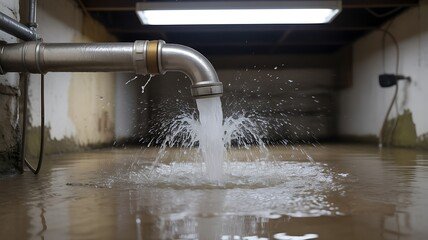
Finding a burst pipe is one of the most stressful emergencies a property owner can face. Water can pour out at a rate of several gallons per minute, quickly soaking drywall, warping flooring, ruining personal belongings, and threatening the structural integrity of a building. When this happens, every second counts. Knowing exactly what to do before help arrives can mean the difference between a minor cleanup and a catastrophic property loss.
This guide explains the immediate physical steps required to regain control of the situation, how plumbing professionals diagnose and fix the root cause, what factors drive repair costs, and how to prevent future failures.
Step 1: Shut Off the Main Water Supply Immediately
The very first priority is stopping the flow of water. Running to the room where the break occurred to place a bucket under the leak is usually a waste of precious time. Instead, head straight for your main water shutoff valve.
Residential Main Shutoff: In many homes, the main shutoff valve is located near the front perimeter wall of the house, often inside a garage, utility room, or crawl space, or outdoors near an exterior hose bib or water meter box.
Multi-Family and Commercial Properties: Apartments, townhomes, and commercial buildings often rely on localized shutoff valves inside utility closets or property-specific manifold systems. If you live in an apartment, check your lease agreement or contact property management immediately to locate your emergency shutoff.
Turn the valve clockwise until it stops. If you have a traditional gate valve with a round handle, turn it firmly to the closed position. If you have a ball valve with a lever handle, turn the lever a quarter-turn so it sits perpendicular to the pipe.
Step 2: Relieve Internal Pressure
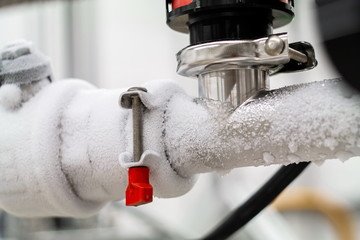
Once the main water supply is off, open the lowest faucets in the building, along with any bathtubs or outdoor hose bibs connected to the system. This drains residual water trapped in the lines and relieves internal pressure. If the burst was caused by freezing temperatures—which can occasionally happen during severe winter weather events in southern regions like Houston when uninsulated outdoor pipes are exposed to sudden sub-freezing drops—letting the faucets run can also help relieve pressure as ice blocks begin to thaw.
Step 3: Cut the Electricity if Water Threatens Outlets
Water and electricity are a lethal combination. If leaking water is cascading near electrical panels, light fixtures, outlets, or major appliances, go to your main electrical breaker panel and switch off the power to the affected areas. Do not step in standing water while operating electrical breakers.
Understanding Why Pipes Burst
Pipes do not fail without a reason. While a sudden rupture feels like an isolated shock, it is almost always the culmination of underlying mechanical stress, material degradation, or environmental factors.
Age and Material Fatigue: Older plumbing materials, such as galvanized steel or early-generation polybutylene, become brittle and corrode from the inside out over decades. Even copper can experience pinhole leaks or structural fatigue over time due to high water pressure or water chemistry.
Excessive Water Pressure: Normal residential water pressure typically ranges between 40 and 80 pounds per square inch (psi). When municipal supply pressure exceeds this range or thermal expansion pushes a closed plumbing system past its limits, weak points in pipe joints and aging walls eventually rupture.
Extreme Temperature Fluctuations: While deep freezes are rare in Gulf Coast climates, uninsulated exterior hose bibs, sprinkler supply lines, and pipes running through unconditioned attics or crawl spaces remain vulnerable during rare arctic blasts or severe cold snaps.
Shifting Soil and Foundation Movement: Properties built on expansive clay soils experience continuous ground movement as soil swells during heavy rainfall and shrinks during prolonged dry spells. This shifting ground can place severe shear stress on underground water lines, main service entrances, and rigid pipes penetrating slab foundations.
Safe Homeowner Checks and Damage Control
While a major burst pipe requires professional intervention, there are several safe steps a homeowner or property manager can take to minimize damage and assess the situation.
Document the Damage: Take clear photographs and video footage of all affected structural areas, flooring, walls, and personal property before cleanup begins. This documentation is essential for insurance claims.
Begin Initial Water Extraction: If safe, use towels, wet/dry vacuums, or mops to remove standing water. The faster moisture is removed from flooring and baseboards, the lower the likelihood of secondary mold growth.
Monitor Surrounding Areas: Check adjacent rooms and lower levels to see how far the water has traveled. Water frequently travels along framing members, subflooring, and ductwork before emerging elsewhere.
Do not attempt to patch a high-pressure supply pipe with duct tape, rubber patches, or epoxy putty while the water is still turned on. These temporary consumer products are designed strictly for low-pressure drainage lines or temporary pinhole leaks and will instantly fail under full municipal water pressure.
How a Professional Diagnoses and Repairs a Burst Pipe
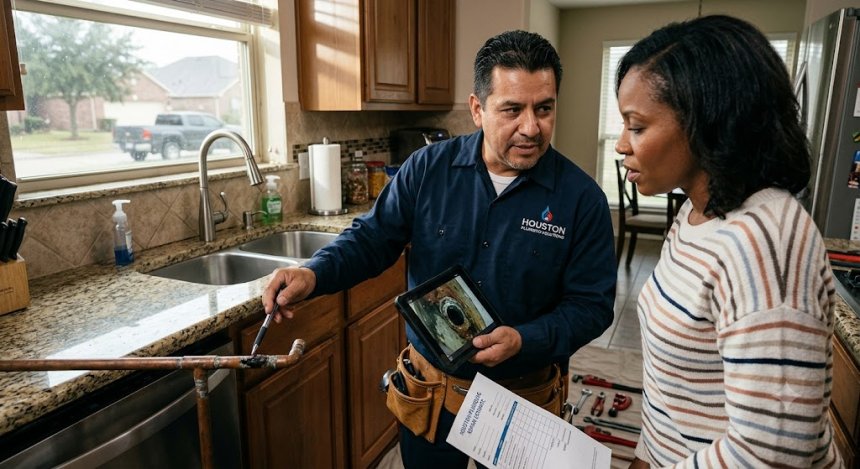
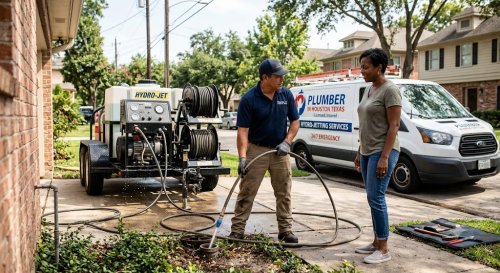
When a plumber arrives to handle a burst pipe, their job extends far beyond simply slapping a coupling onto the broken section. A professional diagnostic workflow involves several key steps:
System Pressure Testing: After shutting off the water and clearing the line, a plumber may perform a pressure test to ensure there are no secondary compromises, hairline cracks, or weakened joints nearby that are ready to fail.
Material Identification: The plumber will identify the exact pipe material (copper, PEX, CPVC, or galvanized steel) to ensure proper fitting compatibility during the repair.
Access Evaluation: Determining how to reach the damaged pipe safely. This may involve opening a section of drywall, accessing a crawl space, or addressing a pipe embedded beneath a concrete slab foundation.
Repair Versus Replacement Options
Depending on the location and condition of your plumbing system, several repair or replacement strategies may be discussed:
Localized Section Repair: If the burst is confined to a single, easily accessible spot on a healthy pipe, the plumber will cut out the damaged section and install a new piece of pipe using proper couplings or crimp rings.
Partial Repiping: If the surrounding pipe shows heavy mineral scaling, external corrosion, or brittleness, replacing only a small section may lead to another failure a few inches away. In these cases, running a new line through an accessible wall or ceiling route is often safer.
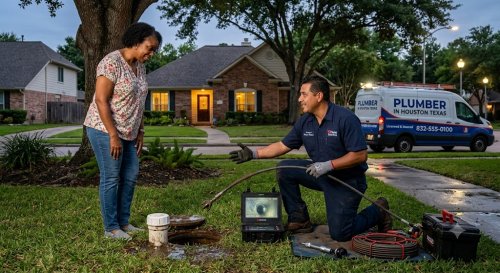
Trenchless or Underground Solutions: If the burst occurs on the underground main water service line running from the meter to the home, trenchless pipe bursting or directional boring techniques may be used to replace the line without tearing up an entire landscaped yard or driveway.
Factors That Influence Repair Costs
Plumbing repair pricing for a burst pipe varies widely based on several practical physical factors:
Accessibility: A burst pipe located in an open, unfinished garage ceiling is straightforward and inexpensive to access. Conversely, a pipe buried beneath a concrete slab foundation or concealed behind custom tilework requires specialized excavation or demolition, increasing labor time and restoration expenses.
Pipe Material and Size: Larger commercial-diameter pipes, rigid cast iron, or older specialized materials require specialized cutting tools, heavy-duty fittings, and more labor than standard residential copper or PEX tubing.
Emergency Timing: Ruptures rarely happen during normal business hours. Emergency dispatch, night, weekend, or holiday service calls involve immediate mobilization of technicians and equipment outside standard operating schedules.
Restoration Requirements: The cost of the plumbing repair itself is often separate from the cost of property restoration, which may include drywall repair, painting, flooring replacement, and professional water mitigation services.
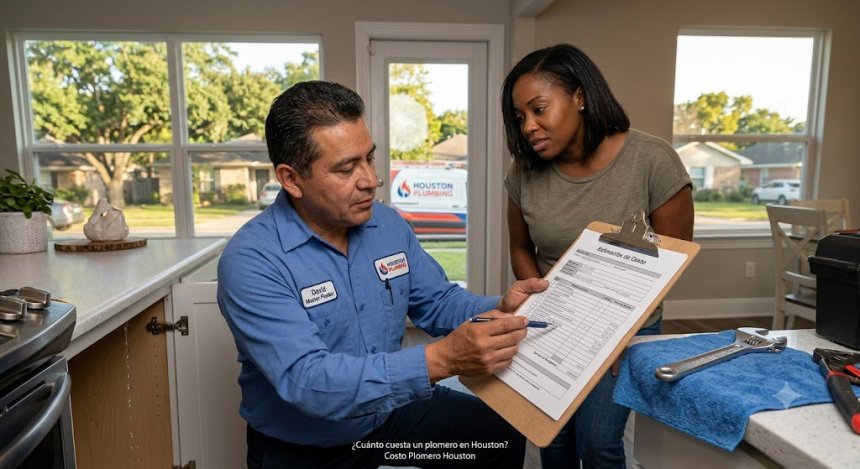
A comprehensive plumbing estimate should clearly separate diagnostic fees, labor charges, materials, and any necessary excavation or restoration work.
Frequently Asked Questions
How can I tell if I have a hidden burst pipe before it causes visible flooding?
Unexplained increases in your monthly water bill, the sound of running water when all fixtures are turned off, warm spots on a concrete slab floor, or sudden drops in household water pressure are classic indicators of a concealed leak or underground pipe failure.
Should I turn off my water heater when a pipe bursts?
Yes. If the burst occurs on a hot water line or if you must shut off the main water supply for an extended period, turn off your water heater (switch off the gas control valve or flip the electrical breaker). Leaving an electric water heater running while the tank is drained can burn out the internal heating elements.
Will homeowners insurance cover the cost of a burst pipe repair?
Most standard homeowners insurance policies cover sudden and accidental water damage caused by a burst pipe, along with the cost of tearing out and replacing drywall or flooring to access the repair. However, damage resulting from long-term neglect, lack of maintenance, or normal wear and tear is usually excluded.
Can I use my plumbing system while waiting for a plumber?
No. Once the main water valve is closed to stop the burst, no fixtures in the property should be used. Attempting to turn the water back on before the repair is completed will immediately reactivate the leak and cause additional structural damage.
What is the difference between a pinhole leak and a burst pipe?
A pinhole leak is a slow seepage caused by localized corrosion or chemical wear, usually resulting in minor dampness or water stains over time. A burst pipe is a structural rupture that releases a high volume of water instantly due to severe pressure, freezing, or physical trauma.
How long does a professional burst pipe repair typically take?
A standard accessible pipe repair usually takes between one to three hours once the plumber arrives and shuts down the system. However, repairs involving slab foundation access, major drywall cutting, or underground main service line replacement can take an entire day or longer.