Commercial Water Heater Replacement in Houston: A Guide
Understand commercial water heater replacement in Houston, TX. Learn about sizing, failure clues, installation codes, cost factors, and replacement options.

Navigating Commercial Water Heater Replacement in Houston Properties
When a commercial water heater fails, the impact is felt immediately. Whether it is a multi-family apartment complex in the Texas Medical Center, a bustling restaurant in Montrose, or a commercial office building downtown, hot water is a critical operational requirement. Understanding when a commercial water heater needs replacement, what the replacement process involves, and how to avoid costly downtime is essential for property managers and business owners.
Unlike residential units, commercial systems face heavy, continuous demand. When a failure occurs, facility managers must quickly determine whether to repair or replace the unit, navigate complex local building codes, and ensure the new system matches the property's specific peak load requirements.
Recognizing the Signs of Commercial Water Heater Failure
Commercial water heaters rarely fail without warning, though the clues can be subtle before a total breakdown occurs. Recognizing these early warning signs helps prevent catastrophic equipment failure and emergency business interruptions.
Inconsistent Water Temperatures: If water cycles between hot and lukewarm during peak demand hours, the recovery rate of the unit is failing, or heating elements/burners are partially compromised.
Discolored or Rust-Tinted Water: Brown or reddish water indicates internal tank corrosion. Once the glass lining of a steel commercial tank breaches and rust forms inside, tank failure is imminent.
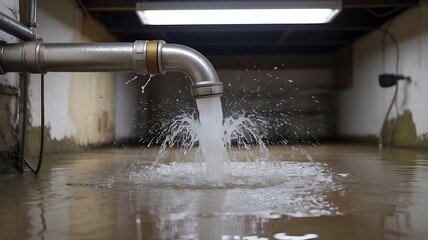
Leaking Around the Base: Moisture pooling around the unit can signal a loose connection, a failed pressure relief valve, or a perforated tank wall. External condensation caused by high ambient humidity in equipment rooms can sometimes mimic a leak, making diagnostic checks essential.
Unusual Noises: Rumbling, banging, or popping sounds from inside the tank indicate heavy sediment buildup. In Houston's regional water conditions, mineral scaling accelerates rapidly, insulating the water from the heating source and causing the metal tank to overheat and fracture.
Age and Operating History: Most commercial tank-style water heaters have a useful service life of 7 to 10 years, depending on water quality, maintenance frequency, and duty cycle. Units approaching this age threshold that require frequent repairs are prime candidates for planned replacement.
Diagnostic Evaluation: Repair Versus Replacement
Before committing to a full commercial water heater replacement, a qualified commercial plumber must evaluate the root cause of the failure. Not every problem requires a new system.
When Repair Makes Sense
Minor operational failures can often be resolved with targeted component replacement. If the tank structure remains sound and corrosion-free, replacing a faulty thermostat, pressure relief valve, gas control valve, heating element, or anode rod is usually the most cost-effective path.
When Replacement Is Unavoidable
Replacement becomes necessary when the primary storage tank leaks, internal corrosion compromises the structural integrity of the vessel, or the unit repeatedly experiences component failures. Additionally, if an older system fails to meet current operational demands due to a change in building occupancy or increased hot water consumption, upgrading to a properly sized modern unit is the logical choice.
Sizing and Configuration Considerations
One of the most frequent mistakes in commercial water heater replacement is replacing an existing unit with one of identical capacity without recalculating the building's current peak demand.
Calculating Peak Demand
Commercial sizing requires analyzing the maximum hot water consumption expected during the busiest hour of operation. A restaurant with multiple commercial dishwashers and pre-rinse sinks has vastly different thermal demands than an office building with primarily restroom handwashing sinks. Failing to account for peak demand results in chronic hot water shortages.
Tank-Type vs. Tankless Commercial Systems
Traditional Commercial Storage Tanks: Best suited for facilities with massive, sudden water draws (such as multi-family complexes or hotels). They store large volumes of heated water ready for immediate delivery.
Commercial Tankless Systems: Often configured in multi-unit banks (cascading arrays), tankless systems provide endless hot water and redundancy. If one unit in a bank requires service, the remaining units continue operating, preventing a total loss of hot water for the building.
Boiler and Storage Tank Combinations: Common in large commercial facilities, utilizing a heavy-duty boiler paired with an external storage tank to handle extreme volume.
The Commercial Replacement Process
Replacing a commercial water heater involves much more than swapping out an old tank. The installation must adhere to strict mechanical and plumbing standards.
Shutdown and Isolation: The system must be safely isolated by shutting off the electrical supply or gas line, closing the cold water supply valves, and draining the existing tank completely.
Removal and Disposal: Removing a heavy commercial tank from a mechanical room, rooftop, or utility closet often requires specialized rigging, hand trucks, and safe disposal compliant with local environmental regulations.
Code Compliance and Venting: Modern commercial installations must comply with current building and plumbing codes. This frequently includes updating venting materials, adding expansion tanks, installing seismic strapping where required, and upgrading gas supply lines or electrical panels to accommodate higher-draw systems.
Safety Controls and Valves: Installation must include a properly rated Temperature and Pressure (T&P) relief valve routed to an approved drainage point, dedicated shutoff valves, and thermal mixing valves to prevent scalding at the fixtures.
Startup and Testing: The new system must be filled, purged of air, tested for proper ignition or electrical draw, and calibrated to deliver safe water temperatures (typically maintaining stored water above 140°F to prevent bacterial growth while utilizing mixing valves to deliver safe temperatures to end-users).
Factors Influencing Commercial Water Heater Replacement Costs
Commercial plumbing projects vary significantly in scope, making flat-rate pricing impractical. Several critical factors influence the final cost of a commercial water heater replacement:
Equipment Capacity and Type: High-output commercial storage tanks, commercial-grade tankless arrays, and heavy-duty boiler systems carry vastly different material costs than residential units.
Accessibility and Rigging: Equipment located in tight mechanical rooms, rooftop installations requiring crane service, or confined basements require additional labor, time, and specialized equipment.
Code Upgrades: Bringing outdated piping, venting, gas lines, or electrical connections into compliance with current local building codes adds necessary labor and materials.
Disposal and Demolition: Hauling away a heavy, failed commercial tank requires safe rigging and disposal fees.
Emergency Scheduling: After-hours or emergency replacements required to prevent business closure involve urgent dispatch and labor allocation.
Questions to Ask Before Approving Major Commercial Plumbing Work
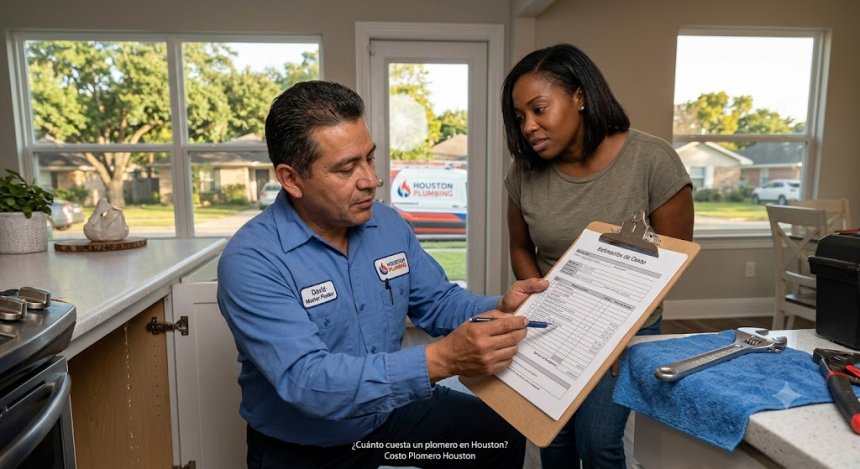
Facility managers and property owners should ask informed questions when reviewing a commercial plumbing estimate:
Does the proposal include a recalculation of peak hourly demand for our specific business use?
Are all necessary building permits and subsequent inspections included in the scope of work?
What modifications to existing gas lines, electrical circuits, or venting are required for the new equipment?
Does the manufacturer warranty cover commercial applications, and what does the labor warranty include?
What routine maintenance schedule is recommended to maximize the lifespan of the new unit?
Frequently Asked Questions
How long do commercial water heaters typically last?
Most commercial water heaters last between 7 and 10 years. Lifespan is heavily influenced by water quality, mineral scaling, maintenance frequency, and whether the system operates continuously near maximum capacity.
Can a residential water heater be installed in a commercial building?
No. Residential water heaters are not engineered to withstand continuous commercial duty cycles. Installing a residential unit in a commercial property usually voids the manufacturer warranty and often violates local plumbing codes.
What is a thermal mixing valve and why is it required?
A thermal mixing valve blends cold water with hot water leaving the storage tank before it enters the building distribution pipes. This allows the tank to store water at higher temperatures to prevent bacterial growth while delivering safe, scald-resistant water to building occupants.
How can hard water impact a commercial water heater?
Minerals in hard water precipitate out when heated, forming scale on heating elements and tank bottoms. This layer acts as an insulator, forcing the unit to work harder and longer to heat water, which accelerates metal fatigue and leads to premature tank failure.
What maintenance can extend the life of a commercial water heater?
Routine maintenance includes annual tank flushing to remove sediment, inspecting and testing the T&P relief valve, checking anode rods for depletion, and verifying that burner assemblies or electrical elements function efficiently.