Critical Warning Signs: When Your Houston Home is Sounding the Alarm
Whole-house plumbing systems rarely fail without issuing subtle warnings first. Ignoring early indicators often leads to catastrophic water damage, structural timber rot, and hazardous mold growth inside wall cavities. Homeowners in the Greater Houston area should keep a close watch for these distinct sensory indicators:
-
Unexplained Water Meter Spikes: If your monthly utility bill suddenly jumps without a change in household usage, water is escaping somewhere in your distribution system.
-
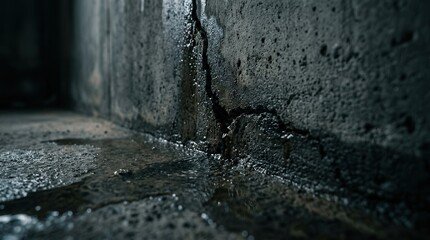
Damp Patches and Warm Flooring: Discolored spots on sheetrock, peeling wallpaper, or unusually warm tiles underfoot frequently signal an active line leak hidden behind walls or within the concrete foundation.
-
Auditory Clues: Loud banging noises when valves shut off (water hammer), high-pitched whistling through faucets, or continuous water running sounds when no fixtures are operating indicate major pressure or integrity issues.
-
Olfactory Signals: Musty, earth-like smells near baseboards or sewage odors emerging from lower-level drains point to stagnant dampness, decaying pipe material, or hidden breaches.
Leaving degraded lines unaddressed causes water to pool around structural framing studs and foundation elements. Over time, this moisture compromises load-bearing wood, causes subfloor warping, and creates ideal breeding conditions for toxic black mold.
       [ Aging / Corroded Pipes ]
                   │
         ( Pressure Spikes )
                   │
      ┌────────────┴────────────┐
      ▼                         ▼
[ Micro-Cracks ]        [ Scale Build-Up ]
      │                         │
  (Leaking)            (Low Flow/Pressure)
      │                         │
      └────────────┬────────────┘
                   ▼
      [ System Structural Failure ]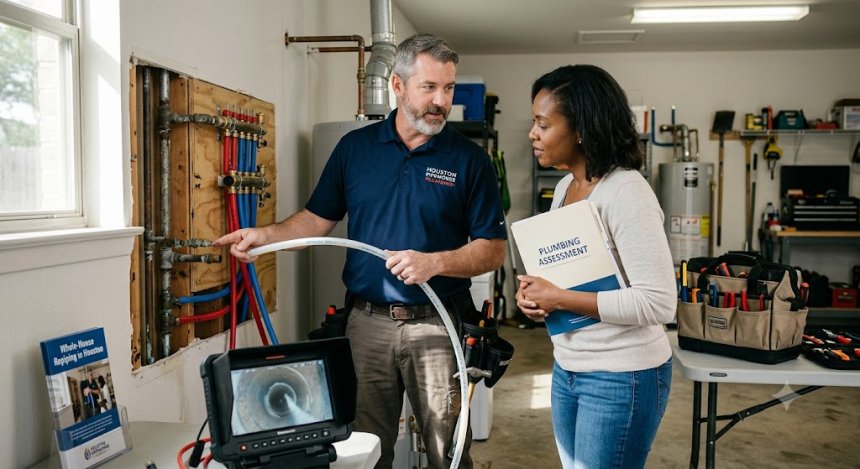
Financial Breakdown: Cost Factors & Investment Realities
Whole-house repiping is a significant structural upgrade to your property, and upfront costs vary based on several critical building variables:
-
Diagnostic & Engineering Assessment Fees: Initial non-invasive camera inspections and line isolation tests establish the scope of work before cutting into surfaces.
-
Specialized Equipment & Labor Deployment: Multi-story homes, narrow crawlspaces, and dense framing require additional labor-hours and specialized line routing tools.
-
Material Selection: Modern cross-linked polyethylene (PEX) piping offers exceptional flexibility, fewer joints, and faster installation, making it more budget-friendly than rigid L-type copper tubing.
-
Local Municipal Permitting: Major supply line replacements require official city permits and strict adherence to the local plumbing code to ensure pass-through inspections.
-
Repair vs. Patching Economics: Continuously patching isolated leaks on an aging, corroded system leads to compounding repair bills. Complete replacement sets your plumbing lifecycle back to zero, protecting your property equity.
Introduction
Experiencing sudden drops in water pressure, mysterious yellow tap water, or recurring wall leaks is incredibly frustrating for any property owner. When your home's original distribution network reaches the end of its functional life, minor spot repairs no longer fix the underlying structural failure. Investing in Whole-House Repiping in Houston restores clean water flow, stabilizes system pressure, and shields your foundation and framing from ongoing water damage.
Houston's warm climate, highly mineralized municipal supply, and reactive clay soils accelerate internal corrosion in older galvanized steel and first-generation polybutylene plumbing. Whether you manage a historic mid-century property or an aging suburban residence, upgrading your fresh water piping is essential for long-term structural integrity and daily comfort.
What Is Whole-House Repiping? Decoding the Mechanism
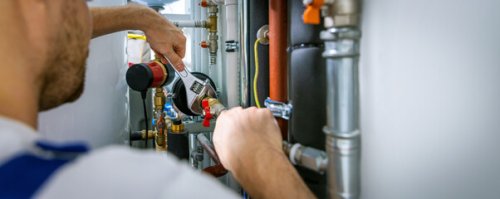
Whole-house repiping involves removing or bypassing your property's existing, worn-out freshwater distribution pipes and installing an entirely new, code-compliant piping network. This complete overhaul covers all supply lines running from the main shut-off valve to every tap, shower, toilet, water heater, and outdoor spigot.
[City Water Main] ──> [Main Shut-Off Valve] ──> [New PEX/Copper Manifold]
                                                       │
         ┌─────────────────────────────────────────────┼─────────────────────────────────────────────┐
         ▼                                             ▼                                             ▼
  [Kitchen Sink]                                [Bathrooms/Showers]                           [Water Heater]
Under normal operating conditions, clean water travels through smooth, uncompromised lines at a steady 40 to 60 PSI. Over decades, mineral deposits line the pipe interiors, reducing their effective diameter. Simultaneously, chemical interactions eat away at the pipe walls. When structural failure occurs, internal friction increases, water flow drops to a trickle when multiple fixtures run, and thin spots burst under normal pressure fluctuations.
Consider a typical homeowner in an established neighborhood: after turning on the washing machine, showering upstairs becomes nearly impossible due to a sudden drop in pressure and a rush of lukewarm, discolored water. This happens because the internal diameter of aging galvanized pipes has shrunk from 3/4-inch to less than 1/4-inch due to mineral build-up and rust, restricting proper flow throughout the house.
Unique Expert Insights: Hard Truths Homeowners Learn Too Late
-
Temporary Patch Kits Mask Systemic Failure: Clamps and slip-couplings only address the point of blowout; they do not fix thin, brittle pipe walls elsewhere in the structure and can void home insurance coverage if a secondary leak occurs.
-
Chemical Drain Cleaners Destroy Metallic Piping: Pouring caustic chemical agents down sluggish lines generates intense thermal reactions that accelerate internal wall corrosion and joint degradation.
-
Unlicensed Handyman Work Endangers Property Value: Unpermitted pipe replacement often results in unanchored lines, improper sizing, and non-compliant connections that fail home inspections during property sales.
-
Preventive Whole-House Upgrades Save Money: Strategic repiping on your timeline costs significantly less than emergency water extraction, mold remediation, and emergency weekend labor rates.
-
Water Quality Impacts Pipe Lifespan: High total dissolved solids (TDS) and harsh chemical disinfectants degrade inferior metals and cheap plastic fittings faster than expected, making quality material selection essential.
Root Causes: Why Piping Failures Occur in Local Structures
Analyzing structural, geological, and environmental factors explains why residential freshwater distribution systems fail over time:
-
Aging Infrastructure & Obsolete Materials: Tens of thousands of area residences built prior to 1990 still rely on galvanized iron lines or polybutylene piping. Galvanized steel rusts internally, while polybutylene reacts negatively to municipal water disinfectants, leading to sudden micro-fractures.
-
Mineral Scaling & Water Composition: Hard water minerals like calcium and magnesium settle on pipe walls. This calcification chokes off water volume and creates localized pitting corrosion beneath the mineral crust.
-
Soil Movement & Slab Stress: Local soil contains heavy concentrations of expansive clay that swells when wet and shrinks when dry. Ground movement puts stress on supply lines run beneath or within concrete slab foundations.
-
Pressure Spikes & Thermal Strain: Sudden fluctuations in municipal water delivery pressure place sudden strain on thin, degraded pipe joints, accelerating mechanical failure.
DIY Reality Check: What You Can Safely Fix vs. When to Step Back
Safe Homeowner Actions
-
Locating and testing your main water shut-off valve every six months.
-
Clearing surface mineral deposits from faucet aerators using vinegar soaks.
-
Installing external pressure gauges on hose bibs to monitor overall system PSI.
The Danger Zone
-
Slab Interventions: Attempting to jackhammer concrete to patch sub-slab lines without professional pipe-locating tools can sever electrical conduits or weaken structural tension cables.
-
Open-Flame Soldering: Using torches near wood framing without heat shields creates a serious fire hazard.
-
Main Line Bypasses: Cutting into primary incoming lines without local utility coordination can contaminate the municipal supply or trigger heavy municipal fines.
Expert Rule: If a plumbing task requires cutting into load-bearing walls, working underneath concrete slabs, or altering main supply lines, drop the wrench and contact a licensed master plumber.
Comprehensive Home Plumbing Maintenance Framework
Spring & Summer Protocol
-
Inspect Outdoor Spigots: Check hose bibs for back-siphonage protection and freeze cracks.
-
Test Irrigation Backflow Valves: Ensure lawn sprinkler systems are completely isolated from your indoor drinking water network.
-
Examine Main Valve Accessibility: Keep the main shut-off valve clear of landscaping, soil, and debris.
Fall & Winter Protocol
-
Insulate Exposed Pipes: Wrap vulnerable lines in unheated garages, attics, or exterior walls with high-density foam insulation.
-
Flush Water Heaters: Drain sediment build-up from the tank bottom to protect heat transfer surfaces and clear supply connections.
-
Disconnect Exterior Hoses: Remove all garden hoses before sudden temperature drops to prevent water from backing up and freezing inside supply bibs.
Year-Round Daily Habits
-
Monitor Water Pressure: Keep static system pressure between 45 and 65 PSI using a functional pressure-reducing valve (PRV).
-
Avoid Harsh Chemicals: Skip caustic, store-bought chemical drain products that corrode metallic line walls.
-
Use Strainers on Drains: Catch debris at the fixture level to prevent pressure build-up from downstream line blockages.
-
Routine Visual Sweeps: Open sink vanities and inspect water heater bases monthly for subtle signs of dampness or green verdigris corrosion on copper fittings.
Professional Diagnostic & Repair Workflow
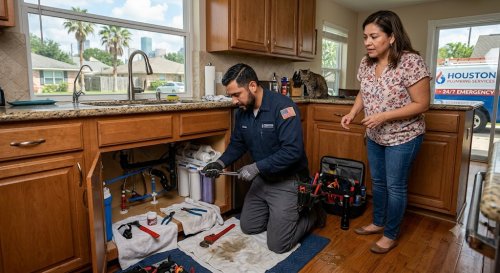
Licensed, insured plumbing specialists handle comprehensive line replacements using a clear, multi-stage process:
[1. Non-Invasive Isolation] ──> [2. Digital Inspection] ──> [3. Upfront Estimating]
                                                                     │
[5. Pressure Testing & Cleanup] <── [4. Code-Compliant Routing] <────┘
-
Non-Invasive Triage & Safety Isolation: Technicians turn off incoming utility connections, drain standing water, and attach pressure gauges to locate pressure drops across individual branches.
-
Precision Diagnostic & Digital Video Inspection: High-definition video cameras and electronic acoustic sensors pinpoint wall penetrations, hidden slab leaks, and hidden distribution branches without unnecessary wall damage.
-
Transparent, Upfront Estimating: The master plumber outlines the optimal material path (e.g., PEX-a vs. L-type copper), provides a detailed line-item estimate, and secures local work permits.
-
Code-Compliant Remediation & Part Replacement: Specialists make small, targeted dry-wall openings, run continuous flexible lines through framing, secure pipes with sound-isolating clips, and replace all shut-off valves and supply lines.
-
Pressure Testing, Flow Verification, & Clean-Up: Technicians pressurize the new network above standard operating limits to verify joint seals, flush air from the lines, patch wall openings, and restore full utility service.
Advanced Diagnostics: The Professional Tool Arsenal
Modern plumbing diagnostics rely on specialized equipment to avoid unnecessary wall cuts or floor damage:
| Diagnostic Tool | Operational Function | Primary Benefit to Property Owner |
| Electronic Acoustic Leak Detectors | Amplifies sub-surface fluid vibrations through soil and slab concrete. | Pinpoints hidden pinhole leaks without removing flooring. |
| Thermal Imaging Cameras | Detects minute temperature differences along wall cavities and sub-floors. | Maps hidden hot/cold water supply lines behind sheetrock. |
| Push-Rod Sewer & Drain Cameras | Uses high-definition optical lenses and transmitters inside main lines. | Verifies drain condition and identifies structural line sags. |
| Digital Manometers & Transducers | Measures system static pressure drops down to fractions of a PSI. | Confirms total system integrity before and after work. |
Emergency Protocol: When Immediate Dispatch is Non-Negotiable
Certain plumbing failures require immediate 24/7 emergency service to prevent severe property damage:
-
Catastrophic Main Line Bursts: Active, uncontrolled water rushing from walls, ceilings, or floor joints that cannot be isolated with a local fixture valve.
-
Slab Leak Instability: Water forcing its way up through foundation concrete or buckling hardwood flooring.
-
Complete Potable Water Loss: Total loss of water pressure accompanied by muddy or heavily contaminated water entering main home lines.
-
Electrical Safety Risks: Standing water creeping toward electrical breaker panels, lower wall outlets, or water heater control circuits.
Frequently Asked Questions (FAQs)
How long does a complete whole-house repiping project take?
Most single-family home installations take between two to four days. Water service is typically restored at the end of each working day so your household remains functional during the project.
What is the primary advantage of choosing PEX over traditional copper?
PEX piping is flexible, requires fewer fittings, resists scale and chlorine degradation, and is less likely to burst in freezing temperatures. It also installs faster, which significantly lowers labor costs.
Do I need to move out of my house during the repiping process?
No. Experienced crews work systematically room by room. Technicians restore primary water service before leaving each evening, allowing you to stay in your home comfortably throughout the installation.
Will repiping fix my home's low water pressure issues?
Yes. Replacing old, corroded pipes lined with mineral scale restores your plumbing system's full diameter and original water flow to every fixture.
How much wall drywall cutting is required during installation?
Master plumbers use specialized tools to thread flexible PEX tubing behind existing walls. Drywall cuts are kept to small, strategic access panels that are easy to patch after inspection.
Does homeowners insurance cover the cost of whole-house repiping?
Insurance policies usually cover water damage restoration caused by sudden pipe bursts, but rarely pay for the replacement of aging pipes themselves. Upgrading your plumbing can, however, lower future insurance premiums.
How long can I expect new PEX or copper pipes to last?
Both top-grade PEX-a and L-type copper lines are designed to last 50 years or more when installed by licensed professionals in accordance with local building codes.
What should I do if my water turns brown or yellow when turned on?
Discolored water usually signals internal iron pipe corrosion. Avoid drinking or washing clothes in the water, and schedule a professional line inspection immediately.
Why Local Homeowners Choose Professional Plumbing Services
When updating your home's fresh water supply, working with reliable, local specialists makes all the difference. Qualified technicians bring years of hands-on experience handling complex residential and commercial distribution networks.
By working with certified, background-checked master plumbers, you benefit from upfront flat-rate pricing, transparent options without hidden add-ons, and full compliance with local building codes. Investing in high-quality materials and proven diagnostic technology ensures your new plumbing system provides clean water and steady pressure for decades to come.
Key Takeaway Assessment
Is Whole-House Repiping in Houston the right choice for your property right now?
-
Yes, if: Your home is over 30 years old, you deal with frequent leaks, your water pressure drops constantly, or you see rusty, discolored tap water.
-
No, if: Your home already uses modern PEX or copper lines, your issues are limited to a single faulty faucet, or your water pressure issues stem from a simple faulty pressure-reducing valve (PRV).
For a long-term solution, schedule a professional line assessment today to protect your property's value and ensure a clean, reliable water supply.