Why Is My Water Bill Suddenly High in Houston, TX?
Frequent clogged drains in Houston, TX homes can be caused by hair, grease, food waste, soap buildup, tree roots, mineral deposits, aging pipes, poor drainage design, or sewer-line problems. Recurring clogs may indicate a deeper plumbing issue that cannot be solved with a plunger or chemical drain cleaner alone. This guide explains common causes, warning signs, DIY solutions, professional drain cleaning methods, hydro jetting, sewer camera inspections, maintenance tips, repair costs, and when to call a Houston plumber.
Why Is My Water Bill Suddenly High in Houston, TX?
A sudden increase in your water bill can be frustrating, especially when your household's water usage has not changed. In many Houston homes, an unexpectedly high bill can be caused by a hidden plumbing leak, running toilet, dripping faucet, irrigation problem, water heater issue, or a change in household water consumption.
Houston's hot climate can also increase outdoor watering, while seasonal changes, landscaping, swimming pools, and irrigation systems can significantly affect water usage. If your bill is much higher than normal, don't assume the problem is simply a rate increase. A plumbing inspection can help determine whether water is being used somewhere you cannot see.
What Causes a Sudden Increase in Your Water Bill?
A high water bill generally means one of two things: your property used more water than usual, or water is escaping through a leak or plumbing problem.
Common causes include:
- Hidden pipe leaks
- Running toilets
- Dripping faucets
- Leaking water heaters
- Slab leaks
- Underground water-line leaks
- Irrigation system leaks
- Broken sprinkler heads
- Increased outdoor watering
- Changes in household occupancy
- Faulty plumbing fixtures
- Appliances using more water
- Sewer or plumbing problems
The first step is determining whether the increased usage is real or caused by water that is being wasted.
Could a Hidden Water Leak Be Causing the High Bill?
Yes. A hidden leak is one of the most important things to investigate when your water bill suddenly increases without an obvious change in usage.
Leaks can occur:
- Behind walls
- Under floors
- Beneath slabs
- Underground
- Inside cabinets
- Around toilets
- Near water heaters
- Along outdoor supply lines
- In irrigation systems
Some leaks are too small to produce visible standing water but can still waste significant amounts of water over time.
Check Your Toilet First
A leaking toilet can waste water continuously without producing an obvious puddle.
A faulty flapper, fill valve, or flush mechanism may allow water to move from the tank into the bowl continuously.
You may notice:
- A toilet that periodically refills
- Hissing sounds
- Water movement in the bowl
- A toilet that runs after flushing
- Higher-than-normal water usage
A simple toilet leak can sometimes be identified by adding a few drops of food coloring to the tank and waiting without flushing. If colored water appears in the bowl, the tank is likely leaking.
A Dripping Faucet Can Increase Water Usage
A dripping faucet may seem insignificant, but a continuous leak can waste water over time.
Common causes include:
- Worn washers
- Damaged cartridges
- Deteriorated seals
- Loose components
- Corrosion
- High water pressure
If tightening the handle doesn't stop the drip, replacing the appropriate internal component may be necessary.
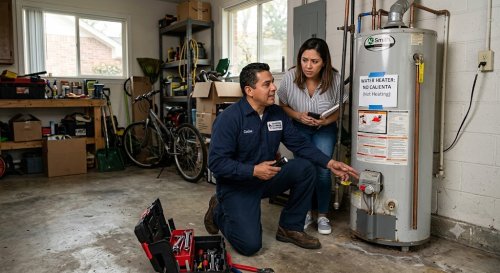
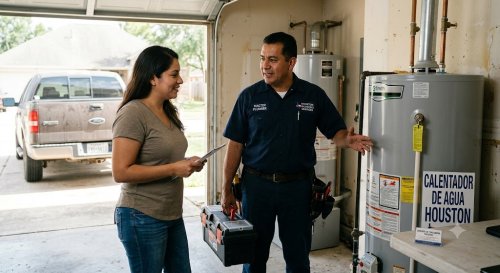
Could Your Water Heater Be Responsible?
A water heater can contribute to unexpected water usage if it has a leak or another plumbing problem.
Check around the heater for:
- Water pooling
- Dampness
- Corroded connections
- Leaking valves
- Moisture around the tank
- Unusual operation
A leaking water heater can cause both water waste and property damage.
Gas-fired water heaters also require appropriate safety precautions. If you notice a gas odor, do not attempt to repair the gas system yourself.
Underground and Slab Leaks
Some of the most difficult plumbing leaks to identify are hidden beneath the property.
Slab Leaks
A slab leak occurs when a water line beneath or within the foundation area develops a leak.
Possible signs include:
- Warm or damp spots on floors
- Unexplained water sounds
- Cracking or moisture
- Areas of flooring that remain wet
- A sudden increase in water usage
- Water meter activity when fixtures are off
Underground Water-Line Leaks
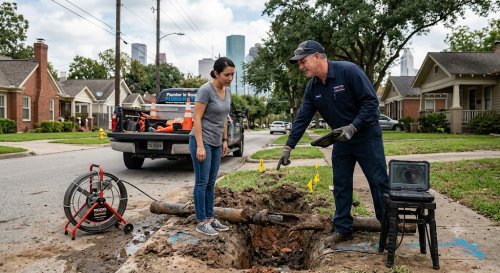
A leak in an underground supply line can waste substantial amounts of water before the homeowner realizes there is a problem.
Look for:
- Unusually wet areas in the yard
- Unexpected vegetation growth
- Muddy areas
- Sinkholes or ground changes
- Water meter movement when water is not being used
Professional leak detection equipment can help locate difficult-to-find leaks without unnecessary excavation.
Don't Forget Your Irrigation System
Outdoor water use can significantly affect a Houston home's water bill.
Inspect:
- Sprinkler heads
- Irrigation valves
- Underground irrigation lines
- Timers
- Hose connections
- Drip irrigation
- Backflow-related components
A broken sprinkler head or stuck irrigation valve can waste large quantities of water.
If your bill increased during a period when irrigation usage also increased, compare your watering schedule with previous months.
Houston Weather Can Affect Water Usage
Houston's hot and humid climate can increase outdoor water demand.
During hotter periods, homeowners may:
- Water lawns more frequently
- Run sprinklers longer
- Fill swimming pools
- Wash vehicles more often
- Use outdoor hoses
- Maintain landscaping more intensively
However, a dramatic increase in your bill should still be investigated if your normal household routine has not changed.
Could a Water Meter Problem Cause a High Bill?
A water meter accurately records water passing through the property in most circumstances, but billing or meter-related issues can occasionally occur.
If you cannot find a plumbing leak and your usage appears unusually high, compare:
- Current meter reading
- Previous meter reading
- Billing period
- Household water consumption
- Outdoor water use
If the numbers don't make sense, contact your water utility to discuss the account and meter reading.
How to Check for a Hidden Plumbing Leak
One useful test is to monitor the water meter when no water is being used.
Before testing:
- Turn off faucets.
- Stop washing machines and dishwashers.
- Don't flush toilets.
- Turn off irrigation.
- Make sure other water-consuming appliances aren't operating.
- Record the meter reading.
- Wait for a period without using water.
- Check the meter again.
If the meter continues to register water usage while everything is off, there may be a leak somewhere on the property.
This test does not identify the location of the leak, but it can provide a useful indication that further investigation is needed.
What Does a Professional Leak Detection Process Involve?
A plumber will usually begin by reviewing the symptoms and checking visible plumbing.
Depending on the situation, professional equipment may include:
- Electronic leak detection equipment
- Acoustic listening devices
- Pressure testing
- Thermal imaging
- Video inspection cameras
- Moisture meters
- Pipe locators
The appropriate method depends on the type and location of the suspected leak.
The goal is to identify the leak accurately before opening walls, floors, landscaping, or other areas unnecessarily.
How Long Does It Take to Find and Repair a Water Leak?
Simple leaks can sometimes be identified and repaired during one service visit.
More complicated leaks may take longer when:
- The leak is underground
- The leak is beneath a slab
- Pipes are inaccessible
- Multiple leaks exist
- A sewer or irrigation system is involved
- Specialized detection equipment is required
- Structural access is necessary
Repair time depends on the location, severity, plumbing material, accessibility, and repair method.
How Much Does It Cost to Fix a High-Water-Bill Problem?
There is no universal repair price because a high water bill is a symptom rather than a specific plumbing repair.
Cost factors can include:
- Diagnostic or leak-detection fees
- Labor
- Replacement parts
- Pipe material
- Accessibility
- Excavation
- Slab access
- Water heater repairs
- Irrigation repairs
- Emergency service
- Repair versus replacement
A dripping faucet may require a relatively simple repair, while an underground or slab leak can involve considerably more work.
A professional inspection can help determine the actual source before you spend money on unnecessary repairs.
Warning Signs You Shouldn't Ignore
Call a plumber if you notice:
- A sudden unexplained increase in water usage
- A constantly running toilet
- Water meter movement when everything is off
- Wet spots on floors
- Damp walls or ceilings
- Unexplained standing water
- Low water pressure
- Water stains
- Mold or persistent moisture
- Sounds of running water when fixtures are off
- Warm areas on flooring
- Wet or unusually green patches in the yard
The sooner a leak is identified, the easier it may be to prevent additional water damage.
15 Common Mistakes That Can Increase Your Water Bill
- Ignoring a dripping faucet.
- Leaving a running toilet unrepaired.
- Watering the lawn excessively.
- Ignoring broken sprinkler heads.
- Running appliances with partial loads.
- Taking unusually long showers.
- Leaving outdoor hoses running.
- Ignoring water stains.
- Failing to monitor the water meter.
- Delaying suspected leak repairs.
- Using an inefficient irrigation schedule.
- Ignoring unusual plumbing noises.
- Failing to inspect outdoor plumbing.
- Assuming every high bill is a utility error.
- Repeatedly repairing symptoms without identifying the underlying leak.
How to Prevent Unexpected Water Bills
A few simple habits can help homeowners identify plumbing problems early.
- Check toilets regularly for silent leaks.
- Inspect faucets and showerheads.
- Monitor monthly water usage.
- Learn where your main water shutoff valve is located.
- Check visible plumbing connections.
- Inspect your water heater for leaks.
- Examine irrigation systems periodically.
- Adjust irrigation according to seasonal needs.
- Avoid unnecessary outdoor water use.
- Check the water meter when leaving for an extended trip.
- Schedule plumbing maintenance for older systems.
- Address low water pressure promptly.
- Watch for damp areas around the property.
- Keep an eye on water usage after plumbing repairs.
- Investigate sudden changes instead of waiting for the next bill.
When Is a High Water Bill a Plumbing Emergency?
A high bill by itself isn't necessarily an emergency.
However, immediate plumbing assistance may be appropriate when the increase is accompanied by:
- A burst pipe
- Rapidly flooding water
- A major underground leak
- A significant slab leak
- Sewage backup
- Water entering electrical areas
- A leaking water heater causing property damage
- Water that cannot be shut off
If water is actively damaging the property, locate the main water shutoff valve if it is safe to do so and contact a qualified emergency plumber.
Frequently Asked Questions
Why did my water bill suddenly increase?
Possible causes include hidden leaks, running toilets, dripping faucets, irrigation problems, increased outdoor usage, appliance use, or changes in household consumption.
Can a leaking toilet cause a high water bill?
Yes. A toilet that continuously leaks from the tank into the bowl can waste water around the clock.
How can I tell if I have a hidden water leak?
Turn off all water-using fixtures and check your water meter. Continued water movement may indicate a leak that requires further investigation.
Can a slab leak cause a high water bill?
Yes. A leaking water line beneath a slab can cause unexplained water consumption and may produce other signs such as damp flooring or unusual sounds.
Why is my water bill high when I don't see a leak?
Leaks can occur underground, inside walls, beneath slabs, or in irrigation systems where they aren't immediately visible.
Can hard water increase my water bill?
Hard water itself doesn't necessarily cause a sudden bill increase, but mineral buildup can affect fixtures and water heaters and may contribute to plumbing inefficiency.
Can low water pressure cause a high water bill?
Low pressure does not normally cause high water usage by itself. However, certain plumbing problems associated with pressure changes can occur alongside leaks or fixture issues.
How do I check my water meter for a leak?
Turn off all water use and monitor the meter. If the reading continues to change, there may be water flowing somewhere on the property.
Should I call a plumber for a high water bill?
If the increase is unexplained or accompanied by signs of a leak, contacting a qualified plumber can help identify whether the plumbing system is responsible.
How quickly can a hidden leak damage a home?
It depends on the leak's location, size, and duration. Even a relatively small leak can cause significant damage if it remains hidden for an extended period.
When to Call a Houston Plumbing Professional
If your water bill suddenly increases without a clear reason, don't automatically assume your household simply used more water.
Check your toilets, faucets, appliances, irrigation system, and water meter first. If the problem remains unexplained, professional leak detection can help identify hidden plumbing issues.