What Is Hydro Jetting? Decoding the Mechanism
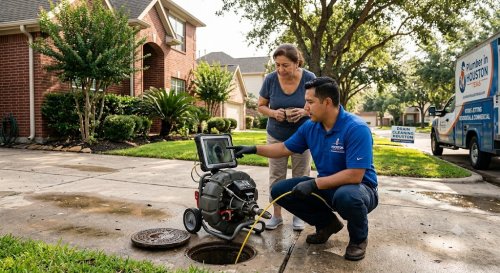
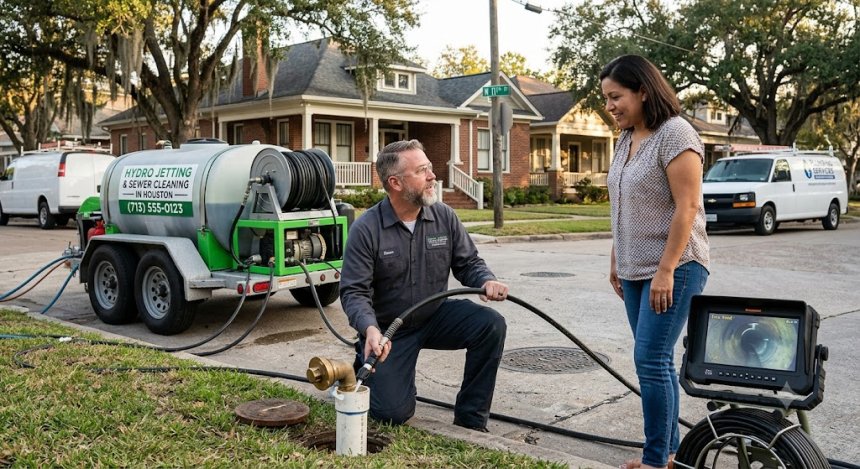
Hydro jetting is an advanced pipe restoration technique that utilizes ultra-high-pressure water streams—typically ranging between 1,500 and 4,000 PSI (pounds per square inch)—to scour the interior walls of sewer and drain lines. Unlike traditional drain snakes or augers that simply punch a small hole through a clog to restore temporary drainage, high-pressure jetting removes grease, heavy mineral scale, sludge, and intrusive tree roots entirely.
To understand how your plumbing system functions, imagine your main sewer line as a highway. Wastewater flows via gravity from your sinks, toilets, and showers into this central line, which connects to the municipal sewer system or a private septic tank. Over time, hair, soap scum, fats, oils, and grease (FOG) adhere to the pipe walls, narrowing the passage. When a restriction occurs, sewage backs up into the lowest drains in your home or commercial building.
Real-World Houston Scenario: A homeowner in the Heights neighborhood notices water backing up into their shower every time the washing machine drains. A standard snake clears the immediate block, but within three weeks, the line backs up again. A video inspection reveals heavy grease buildup and fine root intrusion lining the entire length of the 50-year-old cast iron line. Hydro jetting washes the buildup out completely, restoring the pipe to near-original capacity without digging up the yard.
Critical Warning Signs: When Your Sewer Line Needs Immediate Jetting
Sewer lines rarely fail without warning. Paying attention to early sensory indicators prevents catastrophic structural flooding and costly emergency remediations:
-
Auditory Clues: Frequent gurgling noises coming from toilets, shower drains, or kitchen sinks when other fixtures are running (a sign of trapped air caused by main line blockages).
-
Olfactory Indicators: Distinct odors of sewer gas (hydrogen sulfide), damp earth, or mildew around floor drains, yard traps, or inside bathrooms.
-
Visual & Structural Alerts: Multiple fixtures clogging simultaneously, sewage backing up into floor drains during heavy water usage, or unexplained wet, overly plush green patches in your lawn above the sewer lateral.
-
Unusual Equipment Behavior: Water rising in the bathtub when you flush the toilet, or water overflowing from the washing machine standpipe.
Ignoring these early warning signs risks severe structural damage, including raw sewage floor saturation, mold acceleration, framing rot, and foundation instability.
Unique Expert Insights: Hard Truths Homeowners Learn Too Late
As experienced plumbing professionals, we frequently see property owners make costly errors due to persistent industry myths. Here are five hard truths every owner should know:
-
Chemical Drain Cleaners Cause Severe Pipe Corrosion: Off-the-shelf liquid drain openers generate exothermic chemical reactions that heat up inside stagnant pipes, warping PVC, weakening joints, and rapidly corroding older cast iron.
-
Snaking Clears a Path; Hydro Jetting Clears the Pipe: A drain cable only bores a temporary hole through an obstruction. Without high-pressure washing, residual grease and buildup catch debris immediately, leading to repeat clogs.
-
Temporary Patch Kits Void Warranties and Insurance: Quick-fix rubber wraps or epoxy kits applied over high-pressure main lines frequently fail under load, leading to uncompensated water damage claims from insurers.
-
Unlicensed Work Costs Double in the Long Run: Unlicensed handymen routinely violate local plumbing codes, using incorrect fittings or damaging pipe structures—mistakes that fail home inspections during real estate sales.
-
Preventive Jetting Saves Thousands: Routine hydro jetting every 18 to 24 months costs a fraction of an emergency midnight extraction, biohazard cleanup, or complete line replacement.
Root Causes: Why Main Sewer Line Failures Happen in Houston Homes
Drain and sewer lines face unique regional stress factors that accelerate blockages and structural deterioration:
-
Heavy Fats, Oils, and Grease (FOG) Accumulation: Houston’s vibrant culinary culture translates into high domestic grease usage. FOG poured down kitchen drains solidifies inside cooler underground lines, creating rock-hard blockages known as fatbergs.
-
Aggressive Tree Root Intrusion: Fast-growing tree species seek moisture during hot Texas summers, sending root systems into tiny pipe seams and hairline cracks, expanding until the pipe breaks entirely.
-
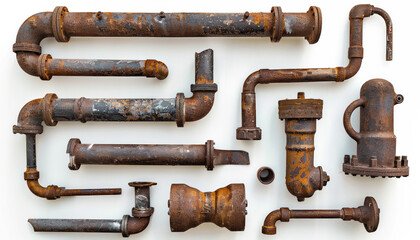
Aging Infrastructure & Historical Materials: Many established neighborhoods feature original cast iron or clay pipes installed decades ago. These materials suffer from severe interior rusting (tuberculation), creating rough surfaces that catch toilet paper and debris.
-
Expansive Soil Movement: Local clay soils expand significantly when wet and contract during dry spells. This constant ground shifting causes pipes to belly (sag), crack, or offset at the joints.
Professional Diagnostic & Repair Workflow
Restoring a failing drain line requires a systematic, code-compliant approach to guarantee safety and long-term performance:
[Step 1: Non-Invasive Triage & Safety Isolation]
                          │
                          ▼
[Step 2: Precision Digital Video Pipe Inspection]
                          │
                          ▼
[Step 3: Transparent Options & Written Estimating]
                          │
                          ▼
[Step 4: Hydro Jetting Remediation & Cleansing]
                          │
                          ▼
[Step 5: Post-Jet Video Verification & Flow Test]
Step 1: Non-Invasive Triage & Safety Isolation
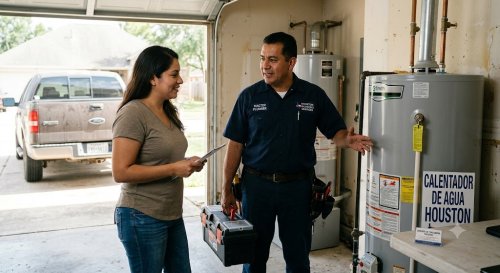
Technicians assess the property, locate the main cleanout access point, and shut off water fixtures if an active backup threatens the living spaces.
Step 2: Precision Digital Video Pipe Inspection
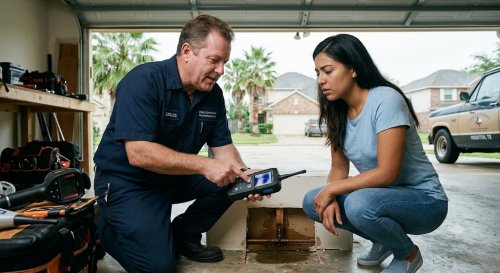
A high-definition, self-leveling sewer camera is inserted into the pipe to locate the exact cause, depth, and material condition of the obstruction before applying high pressure.
Step 3: Transparent Options & Written Estimating
The technician shares live camera footage with the owner, laying out clear options—whether the line requires hydro jetting, spot repair, or localized root cutting.
Step 4: Hydro Jetting Remediation
Using a specialized reverse-thrust nozzle, high-pressure water is dispatched through the line, scouring the pipe walls clean and flushing debris downstream.
Step 5: Post-Jet Video Verification & Flow Test
A final camera pass verifies that 100% of the pipe wall has been cleared, ensuring optimal flow velocity and structural integrity.
DIY Reality Check: What You Can Safely Fix vs. When to Call a Pro
| Safe Homeowner DIY Actions | High-Risk Danger Zone (Call a Licensed Pro) |
| Cleared surface sink clogs using a standard hand plunger | Attempting to clear main sewer lines with heavy rental drain augers |
| Cleaning removable hair catchers and pop-up stoppers | Pouring chemical drain openers down completely blocked fixtures |
| Flushing garbage disposals with ice cubes and lemon peels | Inserting pressure-washer attachment hoses into household drains |
| Checking exposed fixture p-traps for simple physical blocks | Working around main cleanouts overflowing with raw sewage |
When to Drop the Wrench: If multiple fixtures backup simultaneously, or if sewage backs up into the tub when flushing a toilet, stop immediately. DIY attempts on main lines risk pipe rupture, mechanical injury from twisting drain cables, or severe biohazard exposure.
Advanced Diagnostics: The Professional Tool Arsenal
Modern plumbing diagnostic and jetting technology eliminates guesswork and protects underground assets:
-
High-Definition Push-Rod Sewer Cameras: Waterproof LED cameras equipped with radio transmitters pinpoint exact pipe depths and defect locations from above ground.
-
Multi-Angle Hydro-Jetting Nozzles: Specialized steel heads—including rotating nozzles, cornering heads, and root-cutting blades—engineered for specific pipe sizes and clog types.
-
Electronic Pipe & Sonde Locators: Electromagnetic receivers map the exact underground path of sewer lines beneath concrete slabs and landscaped yards.
-
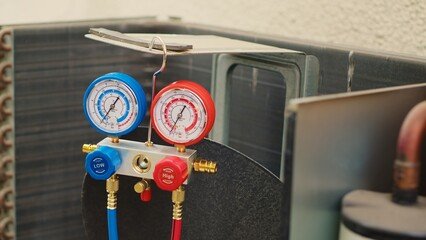
Digital Manometers & Hydrostatic Testers: High-precision instruments verify system pressure ratings and test for micro-leaks following service.
Financial Breakdown: Cost Factors & Investment Realities
Hydro jetting and sewer cleaning services vary based on job complexity and property layout. Primary cost variables include:
-
Diagnostic & Camera Inspection Fees: Initial video evaluations determine whether the pipe is structurally sound enough to withstand high-pressure water.
-
Accessibility of Cleanouts: Ground-level exterior access points keep labor costs lower than jobs requiring roof vent access or main line excavation.
-
Severity & Type of Blockage: Clearing soft grease buildup requires less time and equipment than cutting through dense, mature tree root masses.
-
Pipe Length & Diameter: Larger commercial main lines or long residential sewer runs require heavy-duty jetting rigs with higher water volume (GPM).
Investing in professional hydro jetting preserves your existing piping infrastructure, preventing premature underground pipe replacements that run into thousands of dollars.
Comprehensive Home Plumbing Maintenance Framework
Spring/Summer Checks
-
Inspect outdoor spigots and hose bibs for winter freeze damage or weeping seals.
-
Test sump pumps by pouring a bucket of water into the basin to verify auto-switch activation.
-
Clear landscape drains and gutters to ensure rainwater drains away from your home's foundation.
Fall/Winter Preparation
-
Disconnect, drain, and store all outdoor garden hoses before cold snaps.
-
Insulate exposed water pipes in unconditioned crawlspaces, attics, and exterior walls.
-
Flush 2-3 gallons from your water heater tank to remove sediment buildup and maintain efficiency.
Year-Round Best Practices
-
Install fine mesh strainers over all shower and bath drains to catch hair and soap chips.
-
Never pour cooking oil, bacon grease, or coffee grounds down the kitchen sink.
-
Avoid flushing so-called "flushable" wipes, feminine products, or paper towels down toilets.
-
Check your water pressure reducing valve (PRV) annually to keep home water pressure below 80 PSI.
Emergency Protocol: When Immediate Dispatch is Non-Negotiable
Some plumbing situations require 24/7 emergency intervention to limit health risks and structural damage:
-
Active Sewage Backups: Raw sewage entering through floor drains, tubs, or toilets into living areas.
-
Catastrophic Main Line Ruptures: Underground pipe collapses causing rapid soil erosion or sinkhole formation near foundations.
-
Complete Water Supply Loss: Total loss of potable water accompanied by leaks along the main service line.
-
Flooding Near Electrical Installations: Sewage or water backups reaching electrical panels, outlets, or water heaters.
Frequently Asked Questions (FAQs)
Can hydro jetting damage older sewer pipes?
If an older cast iron or clay pipe is structurally intact, hydro jetting is entirely safe. However, a video camera inspection is always performed first to ensure the pipe walls aren't collapsed or compromised before applying high pressure.
How often should a residential sewer line be hydro jetted?
For most single-family homes, having the main sewer line hydro jetted every 18 to 24 months keeps grease, scale, and minor root intrusion from causing sudden line backups.
Is hydro jetting better than traditional mechanical snaking?
Yes. While snaking opens a temporary path through a blockage, hydro jetting scours the entire inner wall of the pipe clean, washing away hair, grease, and scale for a longer-lasting solution.
How do I know if my sewer line is clogged or just a single drain?
If only one sink or shower drains slowly, the issue is local to that fixture. If using one fixture causes water to back up into another—or if multiple lower level drains overflow simultaneously—the main sewer line is blocked.
Will hydro jetting remove tree roots from my sewer line?
Yes, high-pressure jetting equipped with specialized cutting nozzles easily cuts through and flushes out tree roots. For severe root intrusion, long-term pipe lining or replacement may be recommended afterward.
What should I avoid putting down my drains after sewer cleaning?
Never dispose of grease, fats, oils, wipes, paper towels, heavy paper products, expanding food (like rice or pasta), or coffee grounds down any household drain.
How long does a typical hydro jetting service take?
A standard residential hydro jetting procedure, including initial and final camera inspections, generally takes between 1.5 to 3 hours depending on access and blockage severity.
What is the primary cause of main drain backups in mature neighborhoods?
Tree root intrusion combined with deteriorating legacy piping materials (like cast iron or clay) is the single leading cause of sewer main backups in established residential areas.
Why Local Property Owners Choose Hydro Jetting & Sewer Cleaning in Houston
When dealing with main sewer line backups, you need a responsive, highly skilled team equipped with modern diagnostic tools.
-
Licensed & Experienced Technicians: Our field specialists possess deep expertise in local pipe infrastructure, municipal codes, and high-pressure jetting protocols.
-
Transparent, Flat-Rate Pricing: We provide upfront written estimates following our camera diagnostic—no hidden fees or unexpected overtime charges.
-
Advanced Diagnostic Fleet: We utilize commercial-grade push cameras, digital pipe locators, and high-GPM hydro jetters to resolve blockages right the first time.
-
Comprehensive Warranty Coverage: Every hydro jetting service is backed by our customer satisfaction commitment and post-service flow verification guarantees.