Signs of a Plumbing Vent Problem in a Houston Home
Learn how to spot signs of a plumbing vent problem in your Houston home, from slow drains to sewer odors, and discover what causes these issues.
Understanding Your Home Plumbing Vent System
When a sink drains slowly or a toilet gurgles, most homeowners automatically assume there is a clog deep inside the waste pipe. However, many drainage frustrations actually originate from a less visible component: the plumbing vent system. Every fixture in your home relies on a network of pipes that extend upward through your roof or tie into a main stack. This system serves a vital dual purpose: it introduces fresh air behind wastewater so gravity can pull it downward smoothly, and it safely channels sewer gases up and out of your living space.
In a humid coastal environment like Houston, roof penetrations, heavy rainfall, and shifting structural conditions can impact how well these vent pipes perform. When a vent becomes restricted, cracked, or completely blocked, the entire drainage network begins to behave erratically. Recognizing the subtle warning signs early can save you from unnecessary chemical drain cleaners, repeated mechanical snaking, and frustrating property damage.
How a Compromised Vent Disrupts Drainage Physics
To understand why vent failures cause strange symptoms, it helps to look at the physics of residential drainage. As water rushes down a vertical drain pipe, it pushes air ahead of it and creates a partial vacuum behind it. If the vent stack is clear, outdoor air rushes down through the roof opening to equalize this pressure. This balance allows wastewater to drop freely.
When the vent is blocked, the rushing water has no source of incoming air. Instead, it pulls air from the nearest available opening: the trap seals inside your sink, shower, or toilet traps. As air bubbles violently up through the standing water in your fixtures, it creates negative pressure that sucks trap water dry or pushes foul-smelling sewer gas directly into your rooms. This suction effect also slows down wastewater discharge, making clear pipes act as though they are heavily restricted.
Key Warning Signs of a Vent Failure
Plumbing vent issues rarely present as a single wet spot. Instead, they create system-wide anomalies that affect multiple fixtures throughout a home or specific areas near a compromised stack.
1. Intermittent Gurgling Sounds
If your bathtub gurgles when you flush the toilet, or your kitchen sink bubbles when the washing machine drains, you are likely dealing with a venting restriction. The wastewater from one appliance is passing a shared junction and struggling to find air, forcing air bubbles backward through the standing water of an adjacent fixture.
2. Slow Draining Despite Clean Pipes
If you have cleared hair out of a bathroom sink or removed grease from a kitchen line, yet the water still drains sluggishly like molasses, the issue is often atmospheric. Without air intake behind the column of water, gravity loses its pulling efficiency.
3. Dry P-Traps and Unexplained Sewer Odors
Every plumbing fixture features a U-shaped pipe called a P-trap that holds a small amount of water to block sewer gases. When a vent is severely blocked, the suction created by other fixtures can siphon this protective water barrier completely dry. If you notice a faint sulfur or sewage smell near a bathroom or laundry room that lacks an obvious leak, a compromised vent siphoning trap water is a frequent culprit.
4. Erratic Toilet Behavior
A toilet that flushes sluggishly, takes too long to refill, or causes bubbles to surface in the bowl during a shower indicates that air cannot escape or enter the waste branch properly. In some cases, flushing one toilet may even cause water levels in a nearby bathroom to drop or rise unexpectedly.
Why Houston Conditions Can Impact Vent Pipes
While plumbing vent physics apply universally, certain local environmental and structural factors are worth keeping in mind for Houston properties:
- Severe Weather and Debris: Heavy tropical storms, high winds, and intense seasonal downpours can drive leaves, twigs, nesting materials, or even small wildlife directly into open roof vent terminations.
- Roof Penetrations and Flashing: Intense heat and UV exposure can degrade rubber roof boots and flashing around vent stacks over time, potentially allowing rainwater intrusion or roof debris to enter the vertical pipe.
- Foundation Movement: Clay-heavy soils across many Houston neighborhoods experience seasonal moisture shifts, expanding during heavy rains and shrinking during prolonged dry summer heat. While foundation movement primarily stresses main water and sewer lines, it can occasionally place shear stress on rigid cast iron or PVC vent stacks routed through interior walls.
Safe Homeowner Checks and Inspections
Before calling a professional, there are several safe, non-invasive observations you can perform to help isolate whether your problem is a local fixture clog or a whole-system venting issue:
- Map the Affected Fixtures: Does only one sink drain slowly, or do multiple fixtures in the same bathroom or wing behave strangely at the same time? A single slow sink usually points to a localized trap or branch clog, whereas multiple struggling fixtures often point to a main drain or vent issue.
- Check the Roof Safely (From Ground Level): Using binoculars from the yard, look at your roof vent pipes. Check for visible bird nests, tennis balls, or heavy accumulation of roof debris blocking the opening. Safety warning: Never climb onto a wet, steep, or storm-damaged roof.
- Inspect Attic Spaces (If Accessible): In homes with accessible attic spaces, inspect visible PVC or cast iron vent runs for disconnected joints, sagging horizontal runs, or moisture stains that indicate a leak or structural separation.
What DIY Steps to Avoid
Attempting to fix a suspected vent problem can easily cross into hazardous territory. Homeowners should avoid:
- Climbing onto slippery or steep roofs, especially after heavy Houston rainfall or during high-wind events.
- Dropping heavy weights or rigid metal rods down roof vent stacks blindly, as this can crack aging clay, cast iron, or thin PVC pipe fittings inside your walls.
- Pouring chemical main-line openers down drains when a vent is suspected; chemicals will not clear a blocked roof stack and can splash dangerously if a fixture backs up.
How Professionals Diagnose Vent Problems
A licensed plumber uses specialized diagnostic techniques to verify whether a drainage issue stems from a vent failure rather than a conventional clog:
- Roof-Level Inspection and Flushing: A technician will safely access the roof to inspect the physical opening of the vent stack, checking for obstructions and clearing debris using specialized retrieval tools or low-pressure water flushing.
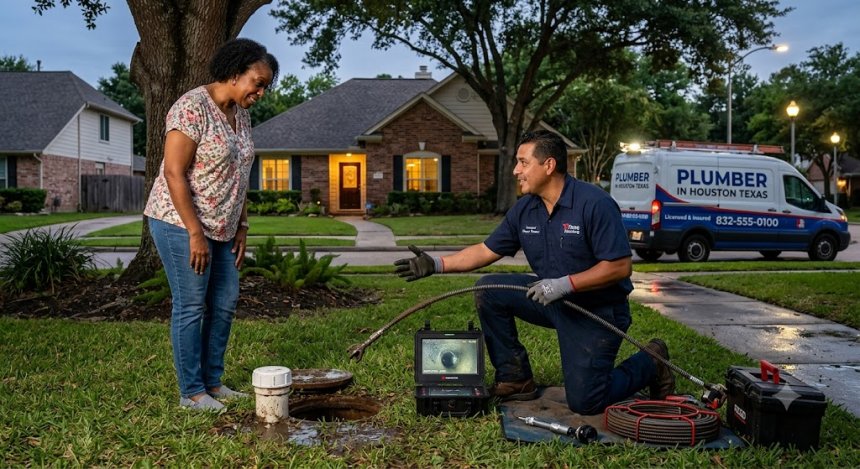
- Sewer Camera Inspection: If roof vents appear clear, a camera may be pushed through cleanouts to inspect the main sewer line and vertical stacks, ensuring there are no structural collapses, offsets, or hidden root intrusions mimicking vent symptoms.
- Smoke Testing: In complex cases where sewer odors persist without visible leaks, a plumber may introduce non-toxic, odorless plumbing smoke into the vent system. Smoke escaping from joints behind walls or through dry roof stacks quickly reveals hidden cracks or missing vents.
Repair Options and Solutions
Depending on the root cause discovered during diagnosis, several solutions may be implemented:
- Clearing Physical Obstructions: Removing bird nests, leaves, or construction debris from the roof termination point often immediately restores normal air pressure.
- Stack Repair or Extension: If a vent pipe was improperly installed below the flood-level rim of the roof or has sagged in the attic, sections may be cut, realigned, or extended to code requirements.
- Installing Air Admittance Valves (AAV): In remodeling scenarios or where routing a new line through the roof is structurally impossible, an approved mechanical air admittance valve may be added inside an accessible cabinet to provide necessary air intake (subject to local plumbing code compliance).
Cost Factors for Vent Repairs
Plumbing vent repair costs vary widely based on the nature of the obstruction and accessibility. Important price drivers include:
- Accessibility: High-pitched roofs, multi-story homes, or vents encased tightly inside finished interior walls require more labor and specialized safety equipment to access than a single-story home with an accessible attic.
- Extent of Damage: Clearing a surface obstruction from a roof cap is generally straightforward, whereas repairing a cracked vent stack hidden behind drywall requires both plumbing labor and drywall or painting restoration.
- Diagnostic Complexity: Utilizing smoke testing or electronic sewer scoping to pinpoint hidden cracks takes specialized equipment and time compared to a basic visual rooftop check.
Questions to Ask Before Approving Major Vent Work
If a service provider recommends extensive repiping or structural alterations to your venting system, ask these targeted questions:
- Have you verified whether the restriction is in the roof stack, a branch line, or the main sewer lateral?
- Is it possible to clear the vent stack from the roof rather than opening interior walls?
- Does our current configuration meet local building code requirements, and will any proposed modifications require permits?
- Does the estimate include drywall patching and surface restoration if walls must be opened?
Frequently Asked Questions
Can a blocked plumbing vent cause water to back up into my sink?
Yes. While clogs usually cause backups, a severely blocked vent creates negative pressure that prevents smooth drainage, causing water to back up or drain extremely slowly when multiple fixtures are used at once.
How do I know if my roof vent stack is frozen?
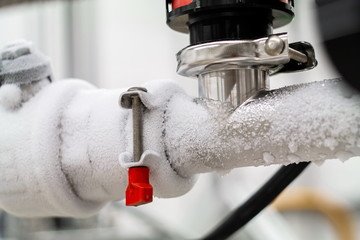
During rare, severe winter freezes in the Houston area, moisture condensing inside a warm vent stack can freeze solid at the cold roof termination. This creates an ice plug that seals the vent until temperatures rise or warm indoor air melts the obstruction.
Why does my house smell like sewage only when it rains?
Heavy rainfall can temporarily increase air pressure inside drainage systems or saturate soil around outdoor vents. Additionally, if a vent pipe is cracked or improperly sealed, heavy moisture can push trapped sewer gases out through wall cavities or fixtures.
Can I install an air admittance valve myself?
While DIY-friendly in certain exposed utility areas, air admittance valves must be installed strictly according to manufacturer instructions and local plumbing codes to ensure they open and close properly without failing or leaking sewer gas.
How often should plumbing vent stacks be inspected?
Routine annual roof inspections are usually sufficient to ensure vent caps remain secure and clear of falling leaves, wasp nests, and windblown debris, especially following major storm seasons.
Does every plumbing fixture need its own individual vent?
Not necessarily. Modern plumbing design allows multiple fixtures to share a common wet vent or branch vent system, provided the pipe diameters and slope meet standard engineering and hydraulic sizing requirements.