What Causes Gurgling Drains in Houston Homes? Expert Troubleshooting Guide
Discover what causes gurgling drains in Houston homes. Learn how plumbing vents, local climate factors, and blockages create bubbling sounds and what to do.
Understanding the Bubbling Sound in Your Plumbing System
Hearing a gurgling sound when your sink empties, your shower drains, or your toilet flushes is rarely just an annoying noise. It is almost always a physical warning sign from your home's drainage and venting network. When water moves down a pipe, it displaces air. If that air cannot escape freely through the proper channels, or if it is forced to bubble up through standing water in a fixture trap, you hear a distinct gurgling sound.
For property owners in Houston, Texas, these sounds can point toward anything from a minor localized restriction in a single sink branch to a major obstruction deep within the main sewer lateral. Understanding what causes these sounds helps you distinguish between a simple household fix and a situation that requires professional intervention.
The Primary Mechanical Cause: Trapped Air and Negative Pressure
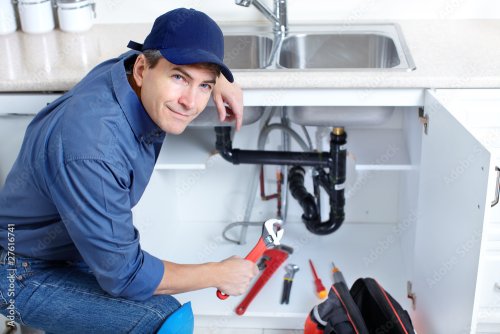
Every plumbing fixture in a home features a P-trap—the curved section of pipe beneath a sink or the built-in bend in a toilet bowl. This trap holds a small amount of standing water to prevent sewer gases from entering the living space. Behind and above these traps, your home relies on a network of vertical vent pipes that extend up through the roof.
As wastewater rushes down a main stack, it creates a vacuum effect behind it. The roof vents allow fresh air to enter the system, neutralizing this negative pressure. If a vent becomes obstructed, or if a blockage restricts the drain pipe itself, the rushing water starts pulling air from the path of least resistance: through the P-traps of other plumbing fixtures. That air bubbling up through the water is what creates the gurgling noise.
Common Culprits Behind Gurgling Drains
Not all gurgling sounds originate from the same issue. Pinpointing the root cause requires observing which fixtures are affected and when the noise occurs.
Blocked Plumbing Vents: Roof vents are exposed to the elements. Leaves, twigs, animal nests, or even tennis balls from the roof can fall into open vent stacks. In some cases, localized heavy rainfall and intense storms common to the Gulf Coast can temporarily overwhelm or obstruct vulnerable vent openings if debris washes against them.
Partial Branch Line Restrictions: Hair, soap scum, grease, and scale can accumulate inside a branch pipe over time. When a pipe is narrowed by buildup, water fills the entire diameter of the pipe as it passes, dragging air along and creating a gurgling sound at nearby fixtures.
Main Sewer Line Infiltration or Offset: If multiple fixtures gurgle simultaneously—such as a toilet bubbling when the washing machine drains—the problem is usually located downstream in the main building drain or private sewer lateral. Soil shifting around foundations, aging cast iron pipe corrosion, or root intrusion can create offsets or bellies where waste water struggles to flow smoothly.
How to Diagnose the Scope of the Problem
To understand how serious a gurgling drain is, you must perform a systematic check of your plumbing fixtures. Professional plumbers use this exact process to isolate an issue.
- Test single versus multiple fixtures: Does only the guest bathroom sink gurgle when used, or do multiple drains react when you flush a toilet or run the laundry?
- Observe appliance impact: Does the shower gurgle only when the washing machine discharges water? This often indicates a restriction in the shared branch line or main stack.
- Check external weather patterns: Did the gurgling start immediately after a heavy rain event, which might point to a temporary surcharging municipal main or an obstructed roof vent?
- Evaluate drainage speed: Is the gurgling accompanied by slow drainage, or do fixtures empty at a normal rate while still making noise?
Safe Homeowner Checks and Low-Risk DIY Steps
Before calling for service, a homeowner can safely perform several observational checks to gather useful information:
Inspect visible P-traps: Look under sinks for any minor leaks or corrosion, and check whether the sink drains slowly when a hair clog is present in the stopper.
Check the roof vent visually from the ground: Using binoculars, see if leaves or debris are visibly blocking the roof vent terminal. Do not climb onto a wet or steep roof.
Note the timing: Keep a written log of when the gurgling occurs. Knowing that a toilet bubbles only after running the kitchen sink provides vital diagnostic clues.
What to avoid: Never pour harsh chemical drain cleaners down multiple fixtures in an attempt to solve a systemic gurgling noise. Chemical cleaners do not clear roof vent blockages, and if they fail to clear a stubborn clog, they leave standing caustic liquid in the pipes, creating severe safety hazards for anyone performing manual clearing or repairs later.
When Professional Diagnosis Becomes Necessary
If gurgling is accompanied by foul sewer odors, slow-draining tubs, or wastewater backing up into lower fixtures like a shower floor, the issue has moved beyond a simple venting quirk into active blockage territory. A professional plumber will typically utilize specialized diagnostic equipment to determine the exact cause.
A sewer camera inspection is often the most effective way to evaluate underground lines. A high-definition camera is pushed through the cleanout to visually inspect the interior condition of the pipe. This allows the technician to identify root infiltration, structural cracks, grease buildup, pipe sagging (bellies), or joint offsets. However, a camera cannot always evaluate the condition of upper roof vents, which requires a separate visual check from above.
Repair, Cleaning, and Resolution Options
The appropriate solution depends entirely on the root cause discovered during diagnosis.
Vent Clearing: If the issue is a blocked roof vent, a technician will clear the stack from the roof using specialized snakes or flushing equipment to restore proper airflow.
Mechanical Snaking (Augering): For localized blockages in branch lines or main drains, motorized drain snakes with appropriate cutting heads are used to break up obstructions and scrape pipe walls clean.
Hydro Jetting: For heavy grease accumulation, scaling in older cast iron lines, or severe sludge buildup, high-pressure water jetting scours the interior pipe walls clean far more effectively than traditional snaking.
Pipe Repair or Replacement: If a camera inspection reveals a broken, collapsed, or severely offset pipe beneath a slab or in the yard, localized excavation or trenchless pipe repair methods may be required to restore proper drainage pitch and structural integrity.
Factors That Influence Repair and Service Pricing
When professional service is required, prices vary widely based on several practical operational factors:
Accessibility: Accessing a main sewer cleanout located easily in a yard costs less than working within a tight crawl space, behind finished drywall, or beneath a concrete slab foundation.
Severity and Equipment Needed: A simple vent clearing requires different tools and time than clearing a heavily rooted main sewer line using advanced hydro-jetting equipment.
Extent of Damage: Clearing a temporary clog is less labor-intensive than repairing a fractured underground sewer lateral requiring excavation or trenchless lining.
Always ask a service provider to clearly separate diagnostic fees from labor estimates, and request a detailed explanation of what the camera inspection reveals before approving major structural repairs.
Frequently Asked Questions
Can a gurgling drain fix itself over time?
Rarely. Gurgling indicates an underlying restriction in airflow or water flow. If the cause is a temporary leaf blockage on a roof vent, a heavy storm might wash it away, but physical pipe blockages or vent obstructions generally worsen until addressed.
Why does my toilet gurgle when the washing machine drains?
Washing machines discharge a high volume of water very quickly. If the shared drain line is partially restricted or if the venting system is inadequate, the rushing water forces air through the nearest trap, which is often the toilet bowl.
Are gurgling drains a sign of a failing sewer line?
They can be. When multiple plumbing fixtures throughout the house gurgle or drain sluggishly, it frequently points toward an obstruction, root intrusion, or structural defect in the main sewer line leaving the property.
Is it safe to use chemical drain openers for gurgling noises?
No. Chemical openers are designed for slow organic clogs in single fixtures. They cannot clear blocked roof vents, and they pose significant splash and chemical burn risks if professional plumbing work is subsequently required.
How do plumbers test for vent blockages versus pipe blockages?
Plumbers evaluate the system by running water and checking airflow. If fixtures drain normally when a nearby cleanout is opened (allowing air to enter locally), it strongly suggests a downstream venting failure rather than a blocked drain pipe.