Why Is My Water Pressure Low in Houston, TX? Causes & Fixes
Low water pressure in Houston? Learn the common causes, warning signs, repair options, costs, DIY fixes, and when to call a professional plumber.
Why Is My Water Pressure Low in Houston, TX?
Low water pressure is one of those plumbing problems that can start as a minor annoyance and eventually point to a much larger issue.
You may notice that your shower is barely producing enough water, the kitchen faucet takes longer to fill a container, the toilet refills slowly, or several fixtures seem weaker than they used to be. In some cases, the pressure drops suddenly. In others, it gradually becomes worse over months or years.
For homeowners and businesses in Houston, TX, low water pressure can have many possible causes. A clogged faucet aerator may be responsible for a problem at one fixture, while a damaged water line, hidden leak, pressure regulator problem, or deteriorating plumbing system can affect the entire property.
The key is to determine what is causing the pressure loss before attempting a repair.
If the problem appeared suddenly, affects multiple fixtures, or occurs along with leaks, damp walls, unusual noises, or an unexplained increase in your water bill, professional inspection is recommended.
3. What Is Low Water Pressure?
Water pressure is the force that moves water through your property's plumbing system and out through faucets, showers, toilets, appliances, and outdoor fixtures.
When pressure is lower than expected, water may flow slowly or fixtures may not perform normally.
Common symptoms include:
- Weak shower spray
- Slow-running faucets
- Slow-filling toilets
- Weak outdoor hose flow
- Washing machines taking longer to fill
- Low pressure at multiple fixtures
- Hot water flowing more slowly than cold water
- Pressure dropping when another fixture is turned on
It is also important to understand the difference between water pressure and water flow.
A plumbing system can have acceptable pressure but still have poor flow because of a restriction, clogged fixture, damaged pipe, or partially closed valve.
That is why simply installing a pressure-boosting device is not always the right solution.
4. Why Is My Water Pressure Suddenly Low?
A sudden pressure change should be investigated, especially when several fixtures are affected.
Partially Closed Main Valve
A main shut-off valve that is not fully open can restrict water entering your property. This sometimes happens after plumbing work, remodeling, maintenance, or emergency shut-off procedures.
If the valve is accessible and you know how to operate it safely, verify that it is fully open.
Clogged Faucet Aerator
If only one faucet has low flow, check the aerator.
Sediment, mineral deposits, and debris can accumulate in the small screen at the end of a faucet and restrict water flow.
Blocked Showerhead
Mineral deposits can accumulate inside showerhead openings, gradually reducing water flow.
Cleaning the showerhead may solve a localized problem without requiring major plumbing work.
Corroded Plumbing Pipes
Older pipes can develop corrosion and internal buildup. As the usable opening inside the pipe becomes smaller, water flow can decline.
This problem is more likely to affect multiple fixtures.
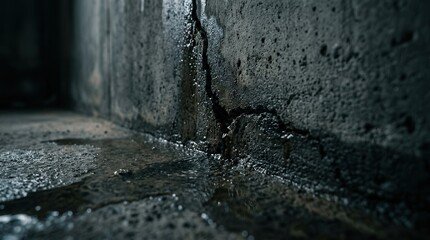
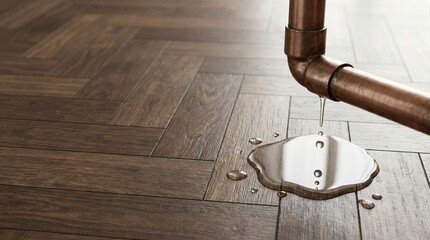
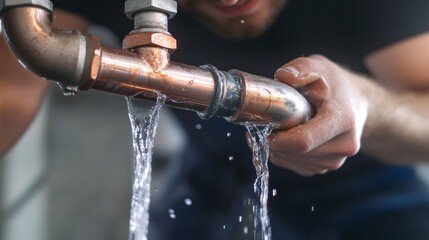
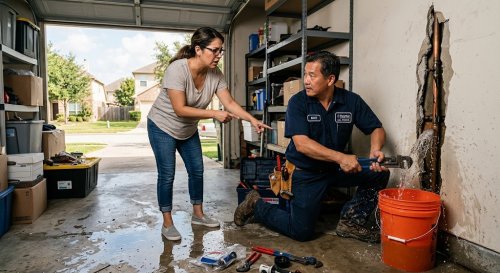
Hidden Plumbing Leak
A significant leak can reduce the amount of water reaching fixtures while increasing water consumption.
Leaks may occur behind walls, beneath floors, underground, or around foundations.
Faulty Pressure Regulator
Some properties have a pressure-reducing valve or pressure regulator that controls incoming water pressure.
When this component becomes worn or fails, pressure may become low, inconsistent, or fluctuate throughout the property.
Damaged Main Water Line
The underground water service line supplying the property can develop leaks, restrictions, or other damage.
Because this piping is underground, specialized diagnostic methods may be necessary.
Water Heater or Hot-Water Restriction
If cold-water pressure is normal but hot-water pressure is weak, the problem may be related to the water heater, hot-water piping, or a hot-water valve rather than the entire plumbing system.
Municipal Water Supply Problem
The problem may not always originate inside your home.
Water-main maintenance, infrastructure work, or temporary supply issues can affect pressure in an area.
If neighboring properties are experiencing the same problem, check with the local water provider.
5. Houston Plumbing Conditions That Can Affect Water Pressure
Houston properties vary considerably in age, construction, plumbing materials, and maintenance history.
Older homes may contain aging pipes, valves, fixtures, or plumbing configurations that are more susceptible to corrosion and restrictions.
Newer homes are not immune to pressure problems. Improper installation, defective components, clogged fixtures, leaks, or pressure-regulation issues can occur in relatively new systems as well.
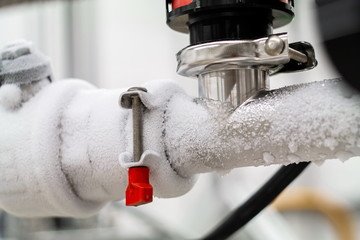
Houston's climate also deserves consideration. Extremely cold weather is uncommon compared with northern states, but occasional freezing conditions can still affect exposed or vulnerable pipes.
Heavy rain and severe weather can also create drainage, sewer, and groundwater-related issues, although those problems do not necessarily cause low incoming water pressure.
The important point is that location alone does not identify the cause. A proper diagnosis is needed.
6. Signs You Should Never Ignore
Low water pressure becomes more concerning when it occurs alongside other warning signs.
Water Stains
Brown, yellow, or discolored marks on walls and ceilings may indicate water intrusion.
Damp Walls or Floors
Persistent moisture may be a sign of a concealed plumbing leak.
Mold or Musty Odors
Continued moisture can contribute to mold growth and damage building materials.
Unexpectedly High Water Bills
An unexplained increase in water consumption can indicate a hidden leak.
Strange Plumbing Noises
Whistling, hissing, banging, rattling, or vibrating pipes can sometimes indicate problems with pressure, valves, or plumbing components.
Discolored Water
Brown, yellow, or rusty water may be associated with sediment, corrosion, or changes in the water supply.
Standing Water
Unexplained water around the property, plumbing fixtures, or foundation areas should be investigated.
Sudden Pressure Loss
A sudden loss of pressure throughout the property may indicate a major leak, damaged water line, valve issue, or external supply problem.
7. Common Plumbing Problems Related to Low Water Pressure
Low water pressure may occur with other plumbing problems, including:
- Hidden pipe leaks
- Corroded pipes
- Clogged supply lines
- Faulty pressure regulators
- Damaged main water lines
- Water heater problems
- Faulty shut-off valves
- Restricted fixtures
- Underground plumbing damage
- Improperly sized piping
- Aging plumbing systems
- Sewer and drainage problems
- Partially damaged pipes
One symptom does not automatically identify the cause.
For example, a slow drain and low water pressure are not necessarily caused by the same problem. A drain clog affects wastewater leaving the property, while low water pressure concerns the incoming water supply or flow through fixtures.
8. Can Low Water Pressure Damage Your Plumbing?
Low pressure itself does not necessarily damage plumbing.
However, the problem responsible for the pressure loss can become serious.
For example, a hidden water leak may continue damaging drywall, flooring, insulation, cabinetry, or other building materials.
A severely corroded pipe can eventually fail.
A malfunctioning pressure regulator can cause unstable pressure, while excessive pressure elsewhere in a plumbing system can place additional stress on fixtures, valves, appliances, and pipe connections.
The safest approach is to identify the underlying cause instead of simply trying to increase pressure.
9. Step-by-Step Professional Repair Process
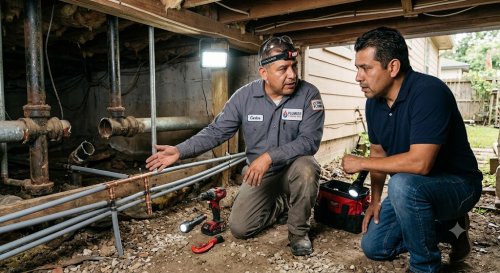
A professional plumber generally begins with diagnosis rather than immediately replacing plumbing components.
Step 1: Initial Inspection
The plumber will ask when the pressure problem started and whether it affects one fixture, several fixtures, hot water, cold water, or the entire property.
Step 2: Pressure Testing
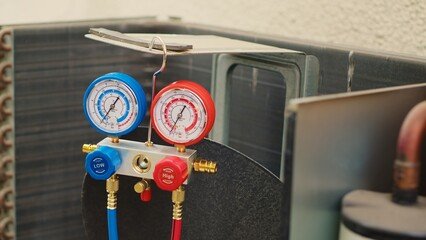
A pressure gauge can help determine the water pressure entering and moving through the plumbing system.
Step 3: Check Valves and Regulators
Accessible shut-off valves and pressure-regulating components are inspected for restrictions, damage, or improper operation.
Step 4: Look for Leaks
If the symptoms suggest a leak, the plumber may use specialized detection equipment to locate concealed water loss.
Step 5: Inspect Plumbing Components
Fixtures, supply lines, water heaters, and other relevant components may be examined.
Step 6: Provide a Repair Recommendation
The plumber should explain the diagnosed problem, available options, expected work, and applicable costs before major repairs begin.
Step 7: Complete the Repair
Depending on the cause, the work could involve cleaning a fixture, replacing a valve or regulator, repairing a leak, clearing a restriction, or repairing or replacing damaged piping.
Step 8: Test the System
After completing the repair, the plumbing system should be tested to confirm that water is flowing properly.
Step 9: Cleanup and Maintenance Advice
The plumber should explain any recommended maintenance and precautions that may help prevent future problems.
10. Can You Fix Low Water Pressure Yourself?
Some minor water-flow problems can safely be checked by homeowners.
You can inspect:
- The main shut-off valve
- Individual fixture shut-off valves
- Faucet aerators
- Showerheads
- Visible supply lines
- Whether one or multiple fixtures are affected
- Whether hot or cold water is affected
- Whether neighbors have experienced the same problem
If one faucet has weak flow, cleaning its aerator may be a reasonable first step.
However, homeowners should avoid opening walls, digging underground water lines, modifying unfamiliar pressure-control equipment, or attempting complex pipe repairs without appropriate experience.
Stop DIY work if you encounter:
- A major leak
- Flooding
- Damaged water lines
- Electrical equipment near water
- Suspected sewage contamination
- Gas-line concerns
- A problem you cannot confidently identify
A professional diagnosis can prevent an incorrect repair from making the situation worse.
11. Tools Professional Plumbers May Use
Modern plumbing equipment allows professionals to diagnose problems more accurately.
Pressure Gauges
These measure water pressure and help identify pressure fluctuations or unusually low readings.
Electronic Leak Detection Equipment
Specialized equipment can help locate concealed leaks without immediately opening walls or floors.
Plumbing Inspection Cameras
Cameras can provide a visual inspection of appropriate drain and sewer lines.
Pipe Locators
These can help determine the location and path of underground plumbing.
Hydro Jetting Equipment
Hydro jetting uses high-pressure water to clean suitable drain and sewer lines. It should only be used when the condition and material of the plumbing make it appropriate.
Pressure Testing Equipment
Pressure testing can help evaluate certain plumbing systems and identify potential leaks.
Trenchless Repair Equipment
Certain underground pipe problems may be candidates for trenchless methods, which can reduce excavation compared with traditional replacement.
The correct equipment depends on the diagnosis.
12. How Long Does Low Water Pressure Repair Take?
Repair time depends on the cause and accessibility of the plumbing.
Simple Problems
A clogged aerator, blocked showerhead, or accessible valve problem may be resolved relatively quickly.
Moderate Repairs
Replacing a pressure regulator, valve, or accessible plumbing component may take longer depending on the installation.
Major Repairs
Underground water-line repairs, extensive pipe replacement, or concealed leak repairs can require substantially more time.
Emergency Repairs
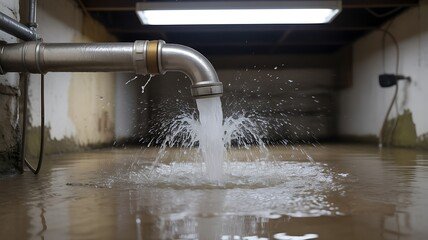
Burst pipes, severe leaks, flooding, and sewage backups should be addressed as quickly as possible.
Factors affecting the timeline include:
- Location of the problem
- Accessibility
- Pipe material
- Severity of damage
- Required replacement parts
- Specialized equipment
- Permits
- Excavation requirements
- Property size and type
- Scope of repair
A professional inspection provides the most reliable estimate.
13. What Does Low Water Pressure Repair Cost?
There is no single price that accurately represents every low-water-pressure repair.
Plumbing repair costs vary depending on the severity of the problem, accessibility, materials required, emergency service, property type, and local labor rates.
Other cost factors may include:
- Diagnostic fees
- Labor
- Replacement parts
- Pipe materials
- Leak detection equipment
- Specialized equipment
- Excavation
- Emergency service charges
- Permit costs when applicable
- Repair versus replacement
- Accessibility of concealed plumbing
For example, cleaning a clogged fixture is fundamentally different from replacing an underground water service line.
Before approving major work, ask what the estimate includes and whether additional repairs require authorization.
14. Hidden Truths Homeowners Should Know
Small Leaks Can Become Expensive
A small hidden leak can continue damaging property long before the problem becomes obvious.
Temporary Repairs May Not Last
Tape, sealants, and makeshift repairs can sometimes provide temporary relief but may not address the underlying cause.
Insurance Does Not Automatically Cover Every Plumbing Problem
Coverage depends on the policy, cause of damage, maintenance history, exclusions, and other circumstances. Homeowners should review their individual policies rather than assuming a plumbing problem is covered.
Tree Roots Can Return
Tree roots can repeatedly affect sewer lines when an underlying damaged or vulnerable line remains unresolved.
Hard Water Can Affect Fixtures
Mineral deposits can build up inside faucets, showerheads, valves, water heaters, and other components.
DIY Errors Can Increase Costs
Incorrect fittings, excessive tightening, incompatible materials, or improper repairs can create additional problems.
Delaying Repairs Can Cause Property Damage
Water can damage walls, floors, cabinetry, insulation, and other materials when leaks remain unresolved.
Hidden Leaks Waste Water
A concealed leak can continuously increase water consumption.
Moisture Encourages Mold Growth
Persistent damp conditions should be addressed promptly.
Preventive Maintenance Is Usually Less Disruptive
Routine inspection can identify developing plumbing problems before they become major emergencies.
15. 15 Common Mistakes Homeowners Make
1. Ignoring Leaks
Small leaks can worsen over time. Address visible leakage promptly.
2. Ignoring Low Water Pressure
Persistent pressure changes should be investigated instead of simply accepted as normal.
3. Overusing Chemical Drain Cleaners
Some chemical products can create safety hazards and may be inappropriate for certain plumbing systems.
4. Flushing Wipes
Wipes can contribute to drainage and sewer blockages.
5. Pouring Grease Down the Drain
Grease can accumulate and contribute to clogged drain lines.
6. Ignoring Plumbing Noises
Persistent banging, hissing, or vibrating may indicate a plumbing problem.
7. Waiting Until a Failure
Waiting until a pipe bursts can result in more extensive damage.
8. Hiring Unqualified Contractors
Complex plumbing work should be performed by appropriately qualified professionals.
9. Skipping Maintenance
A plumbing system that is never inspected can develop problems without warning.
10. Using Incorrect Pipe Materials
Different applications require compatible plumbing materials.
11. Over-Tightening Fittings
Excessive force can damage fittings, threads, and valves.
12. Ignoring Increased Water Bills
An unexplained increase can be a useful warning sign of a leak.
13. Painting Over Water Damage
Covering a stain does not address the source of moisture.
14. Digging Without Locating Underground Pipes
Blind excavation can damage existing utilities and plumbing.
15. Choosing Only by Lowest Price
Compare the scope of work, materials, diagnosis, qualifications, and included services rather than price alone.
16. Plumbing Maintenance Tips for Houston Homeowners
Use these practical maintenance habits to protect your plumbing system:
- Check exposed pipes for visible leaks.
- Inspect faucets for dripping.
- Clean faucet aerators periodically.
- Clean showerheads when mineral buildup appears.
- Learn the location of the main shut-off valve.
- Make sure household members know how to shut off water.
- Watch for unexplained increases in water bills.
- Never pour grease into drains.
- Avoid flushing wipes and inappropriate materials.
- Inspect plumbing beneath sinks.
- Check visible water-heater connections.
- Pay attention to unusual plumbing sounds.
- Monitor water pressure changes.
- Have older plumbing systems professionally inspected.
- Inspect outdoor faucets and hose connections.
- Keep vulnerable pipes protected during unusually cold weather.
- Check exposed plumbing after severe weather.
- Address small leaks promptly.
- Keep trees and landscaping from damaging vulnerable plumbing where practical.
- Schedule professional maintenance when purchasing an older property.
17. Seasonal Plumbing Advice for Houston
Houston's climate is generally mild compared with colder parts of the United States, but seasonal conditions can still affect plumbing.
During unusually cold weather:
- Disconnect outdoor hoses.
- Protect vulnerable exposed pipes.
- Insulate susceptible piping where appropriate.
- Know where the main shut-off valve is located.
- Monitor exposed plumbing for freezing or damage.
After severe weather:
- Check outdoor faucets.
- Look for unusual water accumulation.
- Inspect visible plumbing for damage.
- Monitor water bills for unexpected changes.
- Watch for new leaks or pressure changes.
Preventive attention can help identify problems before they become emergencies.
18. When Should You Call an Emergency Plumber?
Low water pressure alone is not always an emergency.
However, immediate professional assistance may be necessary when low pressure occurs with a serious plumbing failure.
Burst Pipe
A burst pipe can release a large volume of water and quickly damage the property.
Major Water Leak
A substantial leak should be stopped as quickly as possible.
Sewage Backup
Sewage creates sanitation concerns and should be handled promptly.
Flooding
If water is accumulating inside the property, shut off the water if it is safe and seek professional assistance.
No Running Water
A complete loss of water may indicate a major plumbing problem or an external water-supply issue.
Overflowing Toilet
If a toilet continues filling and cannot be stopped, shut off its supply valve.
Gas-Line Concern
If you suspect a gas leak, leave the area and contact the appropriate emergency service. Gas-related plumbing work should only be performed by properly qualified professionals.
19. People Also Ask About Low Water Pressure in Houston
Why Is My Water Pressure Suddenly Low?
A sudden pressure drop may be caused by a partially closed valve, leak, pressure regulator failure, damaged water line, clogged fixture, or municipal water-supply problem.
Why Is My Water Pressure Low in Only One Faucet?
A clogged aerator, fixture valve, supply line, or faucet problem may be responsible.
Why Is My Shower Pressure Suddenly Weak?
Mineral buildup in the showerhead is one possibility. A supply restriction, plumbing leak, or broader pressure problem may also be responsible.
Can a Water Leak Cause Low Water Pressure?
Yes. A significant leak can reduce available water flow while increasing water consumption.
Can Hard Water Cause Low Water Pressure?
Mineral deposits can restrict faucets, showerheads, valves, and some plumbing components over time.
Is Low Water Pressure an Emergency?
Not normally. However, sudden pressure loss combined with flooding, burst pipes, major leaks, or sewage problems should receive immediate attention.
How Do I Know if My Main Water Line Is Damaged?
Possible signs include widespread pressure loss, unexplained water consumption, wet areas in the yard, unusual plumbing sounds, or recurring plumbing problems. Professional testing may be necessary.
Can a Clogged Drain Cause Low Water Pressure?
A typical drain clog does not directly reduce incoming water pressure. However, both problems can occur in the same property.
Is Hydro Jetting Safe for Old Pipes?
Hydro jetting can be effective for appropriate drain and sewer systems, but it should not automatically be used on every old or damaged pipe. The pipe's condition should be evaluated first.
How Much Does Leak Detection Cost?
The cost depends on the property, location of the suspected leak, diagnostic method, accessibility, and equipment required. Ask whether diagnostic fees are included in the estimate.
Can Plumbing Leaks Increase My Water Bill?
Yes. A leak can waste water continuously and increase measured consumption.
When Should I Replace Plumbing Instead of Repairing It?
Replacement may be considered when pipes are extensively corroded, repeatedly failing, severely damaged, or no longer suitable for the property's needs. A professional evaluation can help compare repair and replacement options.