Introduction
Few calls strike fear into a homeowner’s heart quite like discovering water pooling beneath their home’s foundation. In Southeast Texas, slab leak detection & repair in Houston isn't just an occasional plumbing concern—it's a critical structural defense mechanism. When a supply line or drainage pipe buries itself beneath four to six inches of reinforced concrete and begins leaking, every passing hour compromises your home's integrity. Houston’s expansive clay soils, frequent weather swings, and heavy humidity create a unique environment where sub-slab plumbing fails silently. Understanding what causes these subterranean failures, how to spot early warning signs, and when to call a licensed professional can save you tens of thousands of dollars in foundational remediation.
Critical Warning Signs: When Your Home is Sounding the Alarm
Slab leaks rarely announce themselves with a dramatic burst. Instead, they whisper through subtle cues across your property. Recognizing these warning signs early keeps a minor repair from turning into an emergency reconstruction:
-
Unexplained Spikes in Water Bills: A steady rise in usage without a change in household habits often indicates water running continuously under the foundation.
-
Warm Spots on the Floor: A leak in a hot water line transfers heat directly through the concrete slab, creating noticeable warm patches on tile, laminate, or carpet.
-
Auditory Clues: Hearing the faint sound of running or rushing water when all faucets, toilets, and water-using appliances are completely off.
-
Damp Flooring or Carpet Discoloration: Water migrating upward through microscopic cracks in the slab will eventually saturate subflooring, warping hardwoods or ruining carpets.
-
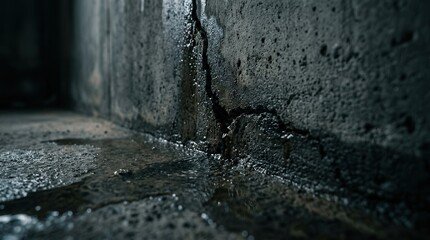
Foundation Cracks & Soil Shifts: Cracking along interior drywall, brick exterior walls, or floor tiles often indicates soil erosion beneath the slab caused by localized water saturation.
-
Musty Odors & Mold Growth: Trapped moisture beneath flooring creates ideal conditions for mildew and toxic mold acceleration along baseboards.
Root Causes: Why Underground Pipes Fail Beneath Houston Foundations
Understanding why sub-slab plumbing deteriorates helps homeowners prevent future failures. Houston properties face distinct environmental conditions that stress underground piping:
1. Highly Expansive Black Plastic Clay Soil
Houston sits on soil rich in montmorillonite clay. This soil swells significantly when saturated with rainfall and shrinks dramatically during dry summer spells. This constant shifting subjects concrete foundations—and the plumbing encased underneath—to intense bending stress.
2. Micro-Friction & Pipe Rubbing
Copper pipes expand and contract as hot water flows through them. When encased tightly within concrete or resting against abrasive limestone aggregate, this continuous movement wears thin metal walls down through friction, eventually causing pinhole leaks.
3. Galvanic Corrosion & Water Chemistry
Older properties fitted with mixed metal piping or galvanized steel experience galvanic corrosion. Additionally, local water chemistry and soil pH levels can wear down copper piping from the inside out over decades.
4. Excessive Water Pressure
Fluctuations in municipal water distribution pressure place undue mechanical stress on joint fittings, soldered connections, and aging supply lines, forcing vulnerable points underneath the home to give way.
What Is Slab Leak Detection? Decoding the Mechanism
A slab leak occurs when water supply lines (pressurized fresh water lines) or drain lines (gravity-fed wastewater lines) located below or within the concrete foundation slab develop cracks, pinholes, or outright breaks.
Under normal conditions, pressurized water lines deliver fresh water from your main service line up through the slab to your fixtures, while drain lines carry waste away using gravity. When a line breaks beneath the concrete, water no longer stays contained. Pressurized supply lines continuously discharge water into the dirt layer below, while drain leaks slowly saturate the surrounding bedding soil. Because concrete is porous, that trapped water creates hydrostatic pressure, forcing moisture upward through the slab or eroding supporting soil underneath.
       [ Interior Home Environment ]
-------------------------------------------------  <-- Floor Covering (Tile/Wood)
=================================================  <-- Concrete Slab (4"-6")
   o o o      Water Pressure Building     o o o
~~~~~~~~~~~~~~ Pressurized Water ~~~~~~~~~~~~~~~~  <-- Saturated Bedding Soil
      =====[ Leaking Supply Line ]=====
-------------------------------------------------  <-- Sub-Slab Clay Base
Professional Diagnostic & Repair Workflow
Diagnosing and repairing a sub-slab leak requires a methodical, non-invasive approach to avoid unnecessary damage to your home’s interior.
Advanced Diagnostics: The Professional Tool Arsenal
Modern plumbing technology allows licensed technicians to inspect sub-slab infrastructure without tearing up your home's foundation unnecessarily.
| Equipment | Core Function | Primary Benefit |
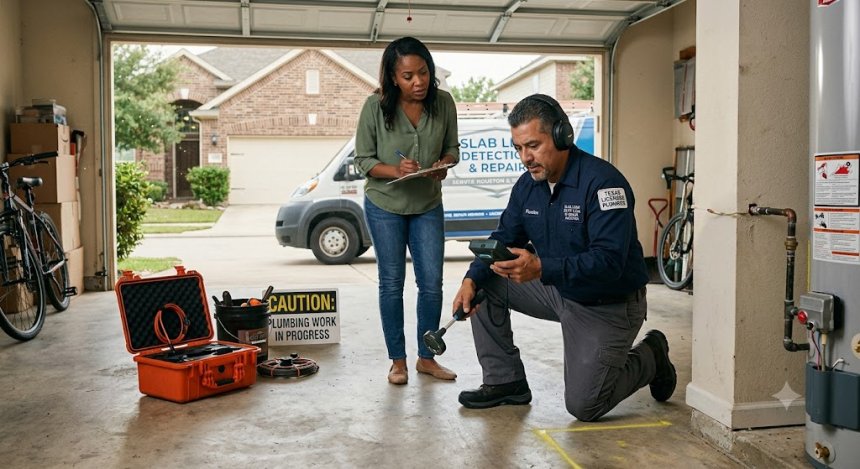
| Electronic Acoustic Detectors | Amplifies sub-surface water movement sound frequencies | Pinpoints pressurized supply leaks to within inches through concrete |
| Infrared Thermal Cameras | Detects subtle floor surface temperature shifts | Visualizes hot water slab leaks behind walls and under finished floors |
| HD Push-Rod Sewer Cameras | High-definition internal pipe inspection | Reveals cracks, root intrusion, and bellies in sub-slab drain lines |
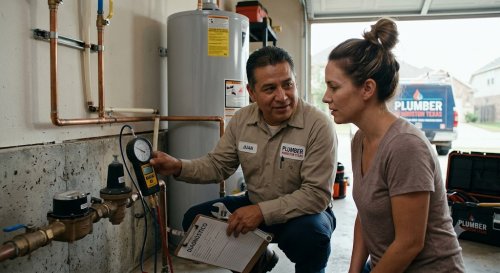
| Digital Manometers | Measures static pressure drop down to fractions of a PSI | Confirms low-volume leaks that acoustic sensors may miss |
Financial Breakdown: Cost Factors & Investment Realities
Slab leak repair costs vary widely based on access requirements, the condition of your home's piping, and the chosen repair method.
Key Variables Influencing Final Repair Costs:
-
Location & Accessibility: A leak under an open hallway carpet is significantly easier to access than one buried beneath a custom tile kitchen island or master bathroom suite.
-
Chosen Repair Method: Direct jackhammer spot repairs carry different labor demands compared to overhead PEX pipe reroutes or whole-home repiping.
-
Permitting & Inspections: Code-mandated municipal permits ensure work safety and compliance, adding administrative and inspection fees.
-
Secondary Damage Restoration: Flooring replacement, drywall repair, and professional mold remediation are separate costs beyond the plumbing repair itself.
DIY Reality Check: What You Can Safely Fix vs. When to Step Back
Homeowners often want to take care of plumbing tasks themselves, but sub-slab repairs require clear boundaries between safe DIY actions and jobs that demand a licensed master plumber.
Safe Homeowner Actions:
-
Shutting off the main water valve immediately upon suspecting a leak to prevent further saturation.
-
Turning off your water heater's gas or electrical supply if a hot water slab leak is suspected (prevents dry firing).
-
Monitoring water meter readings overnight with all internal fixtures isolated to verify a leak's existence.
Dangerous Territory (Call a Professional Immediately):
-
Operating jackhammers or concrete saws indoors without scanning for embedded electrical conduits, tension cables, or gas lines.
-
Pouring chemical drain cleaners into suspected leaking drain lines; caustic chemicals leach into soil and degrade remaining piping.
-
Applying temporary pipe wraps or putty to high-pressure sub-slab supply lines.
Unique Expert Insights: Hard Truths Homeowners Learn Too Late
Over decades in the field, we've seen homeowners make costly mistakes simply because they lacked key industry context:
-
Insurance Doesn't Always Cover the Pipe: Most standard homeowners policies pay for access and tear-out to reach a slab leak, along with consequential water damage restoration, but frequently exclude the small fitting or pipe section that caused the issue.
-
Chemical Cleaners Cause Premature Failure: Chemical drain openers generate intense heat during reactions, accelerating corrosion in older cast iron or thin-wall copper lines buried beneath slabs.
-
Pinhole Leaks Are Rarely Solo Events: If a copper line develops a pinhole leak due to internal corrosion, neighboring sections are often just as thin. Spot-repairing one spot may only push pressure to the next weak link.
-
Unlicensed Work Ruin Home Sales: Unpermitted, non-compliant DIY slab repairs can surface during real estate inspections, delaying closing or forcing full, costly tear-outs to meet code.
-
Ignoring Small Leaks Causes Structural Settling: Continuous water flow underneath a slab washes away structural bedding soil, creating hollow voids that cause foundation concrete to crack and drop over time.
Comprehensive Home Plumbing Maintenance Framework
Preventing sub-slab failure requires year-round care and attention to your property's plumbing system:
Spring/Summer Care
-
Maintain Foundation Moisture Balance: Keep soil moisture levels consistent around your home during summer droughts using a soak hose system to limit soil expansion and contraction.
-
Check Water Pressure: Install an inexpensive pressure gauge on an outdoor spigot; ensure home water pressure stays safely between 40–65 PSI.
-
Inspect PRV Valves: Verify your Pressure Reducing Valve (PRV) functions correctly to protect internal supply lines from municipal pressure spikes.
Fall/Winter Care
-
Flush Water Heaters: Drain sediment buildup from your water heater annually to keep abrasive minerals from circulating into sub-slab hot water pipes.
-
Insulate Outdoor Connections: Seal and insulate exterior hose bibs and exposed line entry points to prevent localized freezing pressure transfers.
Year-Round System Habits
-
Eliminate Chemical Openers: Replace harsh drain chemicals with mechanical augers or enzymatic drain treatments.
-
Monitor Usage: Track your monthly water bill closely to spot unexplained usage spikes early.
-
Schedule Annual Inspections: Have a licensed plumber conduct an annual video camera and pressure check on aging lines.
Emergency Protocol: When Immediate Dispatch is Non-Negotiable
Some plumbing situations require immediate, 24/7 emergency intervention to protect life and property:
-
Active Indoor Flooding: Water rising through slab cracks, flooding carpet, or running under walls.
-
Rapidly Spinning Water Meter: Water running at high volume even with all home shutoff valves closed.
-
Gas Odors Near Plumbing Penetrations: The smell of sewer gas or natural gas leaking through slab voids into living quarters.
-
Foundation Shifts with Sewage Backups: Wastewater backing up into showers or tubs whenever toilets are flushed, pointing to a collapsed sub-slab main drain line.
Frequently Asked Questions
How long does it take to repair a slab leak?
Most non-invasive diagnostic pinpointing takes 1 to 3 hours. A standard overhead pipe reroute or direct spot repair typically finishes within a single working day, though extensive flooring or concrete restoration may take longer.
Should I jackhammer my slab or reroute the leaking pipe?
Rerouting through walls and attics using modern flexible PEX piping is usually preferred. It avoids damaging concrete floors, minimizes dust inside the home, and bypasses the aging, sub-slab copper line entirely.
Will my home insurance cover slab leak repair?
Coverage varies by policy, but standard insurance often pays for searching for the leak and repairing secondary water damage (such as ruined flooring or drywall). The cost of fixing the actual pipe fitting itself is typically out-of-pocket.
Can a slab leak fix itself or seal on its own?
No. Mineral deposits may temporarily slow down a pinhole leak, but pressurized water will eventually wash away those deposits and enlarge the breach, increasing structural risk.
How do plumbers find leaks without tearing up floors?
Plumbers use specialized electronic acoustic equipment, thermal imaging cameras, and tracer gas detectors to locate leaks through concrete non-invasively before cutting or drilling.
What are the signs of a sub-slab sewer line leak?
Sewer line leaks often present as unexplained floor warm spots (if connected to hot water discharge), foul sewer odors inside the home, cracks in tile along drain paths, or recurring drain backups.
How much water can a slab leak waste per day?
A pinhole leak in a pressurized water line can waste hundreds of gallons of water per day, driving up utility bills and accelerating soil erosion under your foundation.
Why Houston Homeowners Trust Slab Leak Detection & Repair in Houston
When facing underground plumbing challenges, local experience matters. Properties in the area require specialized diagnostic techniques that take unique regional soil conditions and home construction methods into account.
-
Licensed & Insured Master Plumbers: Every technician brings years of hands-on field experience, advanced diagnostic training, and up-to-date knowledge of local plumbing codes.
-
Advanced Non-Invasive Equipment: We use electronic acoustic sensors and thermal cameras to locate leaks with minimal disruption to your home's interior.
-
Upfront Flat-Rate Pricing: Clear, transparent estimates provided before work begins—no hidden surprises or unexpected hourly add-ons.
-
Comprehensive Foundation Protection: Tailored solutions—from direct spot repairs to full PEX rerouting—designed to restore safety and preserve your property's value long term.