Critical Warning Signs: When Your Main Line Sounds the Alarm
Your plumbing system rarely fails without warning; it signals trouble long before a complete failure occurs. Recognizing these early warning signs can prevent significant water damage and costly structural repairs.
-
Subtle Structural & Ground Changes: Unexplained lush green patches in your lawn, soil depression, or damp spots around your foundation often indicate a subterranean sewer leak. Sudden spikes in your municipal water bill without an increase in usage also signal hidden line damage.
-
Auditory Clues: Sounds like water hammering, whistling pipes, "ghost flushing" (when a toilet refills without being flushed), or deep gurgling sounds coming from lower-level drains point to air trapped behind an accumulating main line blockage.
-
Olfactory Indicators: Persistent sewer gas odors (hydrogen sulfide) around drains, yards, or basements mean wastewater is escaping the piping system. A damp, musty earth smell in crawl spaces points to raw sewage pooling beneath the structure.
-
Cascading Risks: Delaying intervention allows sewage to back up into low-lying fixtures, accelerating toxic black mold growth, rotting wooden framing, and deteriorating foundation slabs through concrete saturation.
What Is Sewer Line Repair & Replacement? Decoding the Mechanism
Your main sewer line serves as the central artery of your property's plumbing system. It carries all graywater and blackwater from sinks, toilets, showers, and appliances into the municipal main or private septic tank through gravity-fed piping.
Under normal conditions, smooth-walled pipes set at a continuous downward pitch (typically $1/4$ inch per foot) ensure waste flows freely out of your home. When this pitch is compromised, or when internal blockages occur, wastewater backs up toward the lowest fixtures in the house.
Real-World Scenario: Consider a home built in an established neighborhood. Over decades, expansive clay soil shifts during dry spells and heavy rains. A minor sag forms in the cast iron main pipe—a issue known as a "belly." Debris accumulates at this low point, gradually catching toilet paper and solid waste until water backs up into the lowest shower drain every time the washing machine drains.
Root Causes: Why Main Drain Issues Plague Local Properties
Main sewer line failures stem from specific structural, material, and environmental conditions that degrade piping systems over time:
-
Aging Infrastructure & Legacy Pipe Materials: Older properties often feature heavy cast iron or clay pipes. Cast iron corrodes internally, forming rough ridges (tuberculation) that snag debris, while clay pipes grow brittle and crack under ground pressure.
-
Expansive Clay Soil & Ground Shifting: Soil with high clay content expands significantly when wet and shrinks when dry. This continuous movement exerts immense shear stress on underground pipe joints, causing them to crack, offset, or collapse.
-
Tree Root Intrusion: Tree roots naturally seek water and nutrients. Micro-cracks or loose joints in sewer pipes emit vapor, attracting roots that penetrate the line. Inside the pipe, roots expand into dense webs that trap solids and break pipe walls.
-
High Humidity & Flash Flooding Strain: Intense rain events saturate the surrounding ground, increasing hydrostatic pressure against buried pipes. Inundated municipal systems can cause pressure surges that push back into residential lines.
-
Material Degradation: Even modern PVC lines can suffer damage if installed without proper bedding material, leading to crushing under heavy driveway loads or shifting soil.
Financial Breakdown: Cost Factors & Investment Realities
Sewer line repairs and replacements do not carry a one-size-fits-all price tag. Costs vary depending on physical layout, pipe depth, severity, and local permitting.
+------------------------------------+---------------------------------------+
| Cost Component                     | Key Impact Factors                    |
+------------------------------------+---------------------------------------+
| Diagnostic Camera Inspection       | Line accessibility, cleanout presence |
| Trenchless Repair (CIPP/Pipe Burst)| Pipe depth, length, number of connections|
| Open-Trench Excavation             | Depth, concrete cutting, landscaping  |
| Permitting & Inspections           | Municipal requirements, utility locs  |
+------------------------------------+---------------------------------------+
-
Diagnostic & Dispatch Fees: Identifying the precise cause requires specialized camera equipment. While an initial fee covers diagnosis, this cost is often applied toward the total repair price.
-
Accessibility & Material Options: Repairing an accessible cleanout costs significantly less than excavating beneath a concrete driveway or foundation slab. Material choices—such as high-density polyethylene (HDPE) for pipe bursting versus PVC for open trenching—impact overall material and labor costs.
-
Repair vs. Replacement Economics: Spot repairs work best for isolated mechanical damage or localized root intrusion. However, if a pipe shows widespread corrosion, multiple bellies, or structural cracking, a complete line replacement yields a lower long-term cost per year of service life.
DIY Reality Check: What You Can Fix vs. When to Call a Pro
Understanding the boundaries between safe DIY troubleshooting and high-risk mechanical work protects your property from accidental damage.
Safe Homeowner Actions
-
Clearing minor single-fixture clogs using a standard hand plunger or hand-crank drain auger.
-
Cleaning removable drain strainers and P-traps under sinks.
-
Locating and testing the operation of your main water shut-off valve.
-
Keeping gutter downspouts directed away from the sewer cleanout cap.
Danger Zone: Stop and Call a Master Plumber
-
Chemical Cleaners: Never pour caustic drain cleaners into a fully backed-up main line. These chemicals trap standing toxic liquid in your pipes, heat up cast iron, accelerate pipe corrosion, and burn technicians during drain snaking.
-
Using Large Power Snakes Without Experience: Heavy-duty $3/4$-inch sewer cables can twist, snap, or burst through corroded pipe walls if they strike an offset or solid obstruction, posing severe injury risks.
-
Excavating Near Utilities: Digging without proper utility location checks risks striking high-voltage power lines or natural gas mains.
-
Violating Plumbing Codes: Modifying main stack lines without permits can result in municipal fines and complications during future home sales.
Professional Diagnostic & Repair Workflow
Licensed plumbing professionals follow a structured five-step workflow to diagnose and resolve main drain issues systematically:
-
Non-Invasive Triage & Safety Isolation: The technician assesses the immediate risk, isolates active water supplies if necessary, checks electrical safety around standing water, and locates the main sewer cleanouts.
-
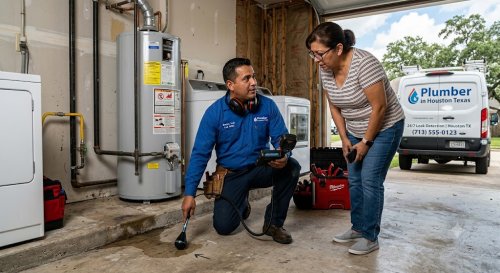
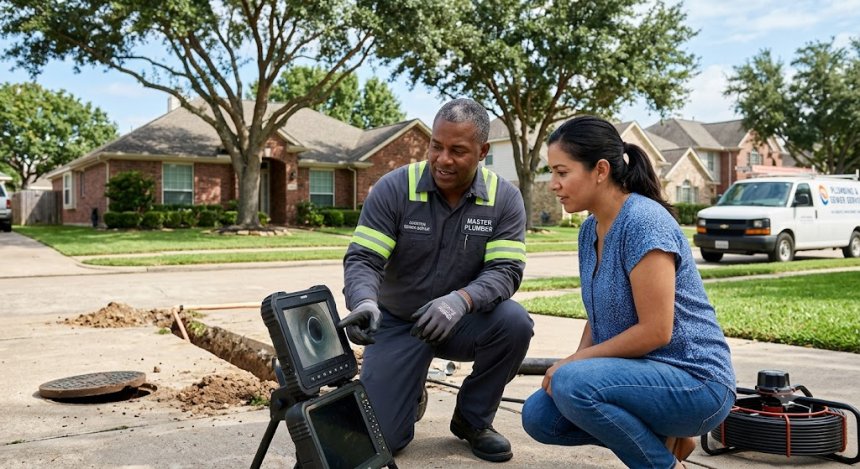
Precision Digital Video Camera Inspection: A high-definition push-rod camera with a built-in sonde transmitter is routed down the pipe. This pinpoints the exact depth, location, and nature of the failure (roots, offsets, cracks, or collapse) on a monitor.
-
Transparent Estimating & Options: The technician provides a detailed report showing the camera footage along with itemized repair options—ranging from spot trenchless lining to total open-cut replacement.
-
Code-Compliant Remediation: The chosen method is executed according to current plumbing codes. Whether using hydro-jetting, pipe bursting, CIPP (Cured-In-Place Pipe) lining, or open-trench replacement, structural integrity is prioritized.
-
Pressure Testing, Flow Verification, & Site Clean-Up: The line undergoes a water flow test or static head pressure test to confirm zero leaks, followed by proper backfilling and site restoration.
Advanced Diagnostics: The Professional Tool Arsenal
Modern sewer repair relies on specialized technology to locate problems without unnecessary excavation:
-
High-Definition Sewer Inspection Cameras: Self-leveling color cameras equipped with digital footage counters allow technicians to view internal pipe conditions in real time.
-
Radio-Frequency Sonde Locators: Micro-transmitters inside the camera head send signals through ground and concrete, pinpointing the exact position and depth of an underground break within inches.
-
Hydro-Jetting Units: Specialized machines pressure-wash pipe interiors with controlled streams up to 4,000 PSI, scouring away scale, grease, and tree roots without damaging pipe walls.
-
Electronic Leak Detectors & Digital Manometers: Acoustic sensors listen for underground fluid movement, while digital manometers verify absolute pressure holding during system checks.
Sewer Line Repair & Replacement in Houston: Complete Overview
When facing underground drain issues, securing high-quality Sewer Line Repair & Replacement in Houston is essential to protecting your home's structural foundation and health safety. The regional climate—characterized by periods of intense summer heat followed by heavy rainfall—creates extreme ground expansion and contraction cycles. This movement causes cast iron pipes to crack and clay joints to separate, inviting aggressive root growth from nearby foliage.
     [ Fixtures (Toilets, Sinks, Tubs) ]
                    │
                    ▼
     [ Building Drain / Main Stack ]
                    │
                    ▼
     [ Exterior Cleanout Access ]
                    │
   ═════════════════╧═════════════════ Ground Level
                    │
                    ▼ (Sewer Main)
   ┌─────────────────────────────────┐
   │ [Belly/Sag]  [Root Invasion]    │ ──► Causes Backups
   └─────────────────────────────────┘
                    │
                    ▼
     [ Municipal Sewer / Septic System ]
Local properties require diagnostic and repair strategies built to withstand these specific soil conditions. Working with experienced technicians ensures your line is graded correctly, sealed against root intrusion, and fully compliant with local utility requirements.
Unique Expert Insights: Hard Truths Homeowners Learn Too Late
-
Chemical Drain Cleaners Cause Long-Term Damage: Pouring acidic chemicals into a clogged main line rarely clears heavy root intrusions or collapsed pipes. Instead, the standing acid corrodes cast iron, melts PVC glue, and creates a hazardous environment for repair technicians.
-
Temporary Patch Kits Void Warranties: Quick epoxy wraps or rubber sleeves installed over failing structural lines usually fail under heavy ground movement, leading to larger property damage claims that insurance companies may deny.
-
Unlicensed Work Costs Double Later: Unpermitted sewer modifications often fail municipal property sales inspections, forcing homeowners to pay twice to excavate, tear out non-compliant pipe, and re-install to code.
-
Preventive Jetting Prevents Nightmares: Investing in routine hydro-jetting every 18–24 months costs a fraction of an emergency midnight sewage extraction and full line restoration.
-
Home Insurance Rarely Covers Wear and Tear: Standard homeowner policies typically exclude line failures caused by age, rust, or root intrusion unless a specific sewer line endorsement rider was added before the event.
Comprehensive Home Plumbing Maintenance Framework
Keeping your main line clear requires proactive, seasonal care:
Spring Checkups
-
Test your sump pump by pouring a bucket of water into the pit to verify float switch activation.
-
Clear leaves and soil away from outdoor sewer cleanout caps to prevent surface water infiltration.
-
Inspect outdoor hose spigots for freeze damage suffered over winter.
Summer Care
-
Inspect perimeter grading to ensure irrigation water flows away from your home's foundation.
-
Monitor tree canopy health near sewer runs; sudden foliage surges can indicate roots tapping into a pipe leak.
Fall Preparation
-
Drain and disconnect all exterior hoses prior to cold weather dips.
-
Flush your water heater tank to remove sediment build-up that lowers efficiency and accelerates tank corrosion.
-
Inspect pipe insulation on exposed lines in unconditioned spaces like attics or garages.
Year-Round Best Practices
-
Install mesh strainers over all tub and shower drains to catch hair and debris.
-
Never flush paper towels, wipes (even labeled "flushable"), feminine products, or dental floss.
-
Avoid pouring fats, oils, and grease (FOG) down kitchen sinks; scrape grease into trash containers instead.
-
Check water pressure monthly using a hose-bib gauge—keep water pressure between 40 and 70 PSI to protect pipe joints.
Emergency Protocol: When Immediate Dispatch Is Non-Negotiable
Certain plumbing scenarios demand immediate, 24/7 professional response to prevent severe property destruction and health hazards:
-
Catastrophic Structural Flooding: Active pipe breaks discharging continuous water streams that cannot be isolated with local shut-off valves.
-
Raw Sewage Backup in Living Areas: Waste backing up into multiple shower basins, toilets, or floor drains simultaneously.
-
Loss of Potable Water Supply: Complete loss of incoming freshwater pressure or contaminated, foul-smelling tap water indicating cross-contamination.
-
Flooding Near Electrical Infrastructure: Standing water rising near water heaters, main breaker panels, or ground-level electrical outlets.
Frequently Asked Questions
What are the main signs my main drain line is broken?
Common indicators include multiple drains backing up simultaneously, gurgling sounds from toilets when running sinks, sewer smells inside or outside the home, and wet or overly lush patches in your lawn.
How do tree roots damage underground pipes?
Tree roots enter through microscopic stress cracks or loose pipe joints seeking moisture. Once inside, they feed on nutrients, expanding into dense masses that trap solids and eventually split the pipe open.
What is trenchless sewer repair?
Trenchless repair methods—such as epoxy pipe lining (CIPP) or pipe bursting—restore or replace damaged underground pipes with minimal digging, saving lawns, driveways, and landscaping from broad open-trench excavation.
How long does a sewer line replacement take?
Most standard residential sewer replacements take between one to two days to complete, depending on pipe depth, length, accessibility, and local inspection schedules.
Are "flushable" wipes safe for my drain lines?
No. Despite marketing claims, wipes do not break down in water like toilet paper. They snag on rough pipe interior walls, catching grease and hair to form stubborn main line blockages.
How often should I get my sewer line inspected with a camera?
If your home is over 30 years old, or if you have large trees near your sewer path, schedule a video camera inspection every 2 to 3 years to catch cracking or root intrusion early.
Why does my toilet bubble when the washing machine drains?
This happens because the large volume of water discharged by your washing machine pushes air down a partially blocked main line. With nowhere to go, trapped air forces its way back up through the lowest trap, causing the toilet bowl to bubble and gurgle.
Will home insurance pay for my main drain replacement?
Standard home insurance policies usually do not cover line repairs caused by age, corrosion, or tree roots. However, coverage may apply if you added a dedicated utility service line endorsement to your policy prior to the damage.
Why Homeowners Choose Sewer Line Repair & Replacement in Houston
When sewer issues threaten your home, working with experienced, fully licensed, and insured plumbing professionals provides long-term peace of mind. Local experts bring technical knowledge, advanced equipment, and transparent service to every job site.
-
Licensed & Experienced Technicians: Field staff undergo rigorous training, background checks, and continuous education in advanced diagnostics and code compliance.
-
Upfront Flat-Rate Pricing: Detailed, written estimates are provided before work starts, eliminating unexpected fees or overtime charges.
-
Modern Equipment: Utilizing state-of-the-art camera systems, hydro-jetting units, and trenchless repair equipment ensures accurate diagnoses and efficient repairs.
-
Neighborhood Knowledge: Deep familiarity with local soil profiles, historical plumbing configurations, and municipal building codes leads to durable, code-compliant repairs.
-
Comprehensive Warranties: Every major repair and replacement is backed by robust labor and material guarantees, ensuring your system performs reliably for years to come.