Why Is Your Sink Faucet Flow Low? Causes & Fixes
Discover what causes low water flow at a sink faucet, how to troubleshoot aerators and supply valves, and when to call a professional plumber.


Understanding Low Water Flow at a Sink Faucet
Experiencing low water flow at a single sink faucet can transform a simple hand-washing or dishwashing routine into a frustrating chore. When you turn on the handle and the stream trickles out instead of pouring steadily, the problem usually originates in one of a few predictable locations. Unlike whole-house low water pressure—which affects every shower, toilet, and spigot on the property—a localized flow issue at just one sink typically points to a restriction contained entirely within that fixture's immediate path.
Understanding the difference between water pressure and water flow helps clarify what is happening inside your pipes. Pressure is the force pushing the water through the plumbing system, while flow is the volume of water actually exiting the spout. If your shower has a strong, forceful stream but your kitchen sink barely drips, your home's main water pressure is fine. The bottleneck is restricted to that specific sink's components, supply lines, or shutoff valves.
The Most Common Causes of Faucet-Specific Flow Restriction
When water flow drops at only one fixture, several common culprits are usually to blame. Pinpointing the root cause requires looking closely at how the faucet is constructed and how water travels from the wall to the spout.
1. Clogged or Debris-Filled Aerator
The aerator is the small, threaded nozzle screwed onto the very end of the faucet spout. Its job is to mix air into the water stream, creating a smooth, splash-free flow while conserving water. Unfortunately, this same screen acts as a trap for mineral scale, rust flakes, and pipe sediment. Over time, these particles accumulate inside the mesh screens, choking off the volume of water that can escape. In older galvanized plumbing systems or after municipal water main repairs in the area, loose debris can travel up the service line and clog an aerator almost instantly.
2. Partially Closed or Failing Supply Shutoff Valves
Beneath your sink cabinet sit the individual hot and cold water shutoff valves. If someone bumped one of these valves while storing cleaning supplies under the sink, it may be partially closed, restricting the volume of water allowed into the supply lines. Furthermore, older multi-turn compression stop valves can suffer from internal mechanical failure. The rubber washer or plastic washer inside the valve can detach from the stem, creating a flapper-like blockage that swings shut when water starts moving, severely reducing flow without completely stopping it.
3. Kinked or Collapsed Flexible Supply Hoses
Modern faucets typically connect to the wall shutoff valves using flexible braided stainless steel or polymer supply lines. If these lines are installed with too much slack, they can bend sharply, form a physical kink, or get pinched between the cabinet wall and stored items. A severe kink restricts the inner diameter of the hose, choking off water volume before it ever reaches the faucet body.
4. Cartridge or Valve Core Debris
Inside single-handle or dual-handle faucets sits a ceramic disc cartridge, ball assembly, or stem valve that controls water mixing and volume. If mineral scale or sand particles bypass the supply lines, they can lodge inside the narrow internal ports of the cartridge. This internal blockage prevents the valve from opening fully, resulting in a weak stream even when the handle is pushed all the way open.
Safe Homeowner Troubleshooting and DIY Checks
Before calling a plumber, you can safely perform several diagnostic checks using basic household tools. These steps help determine whether the issue is a simple fix you can handle yourself or a mechanical problem requiring professional intervention.
- Test Both Hot and Cold Handles: Turn the faucet fully to the hot side, then fully to the cold side. If the flow is weak on only one side, the restriction is likely isolated to that specific supply line, shutoff valve, or water heater line. If both sides are equally weak, the aerator or the faucet cartridge is the most probable suspect.
- Inspect and Clean the Aerator: Unscrew the aerator from the tip of the faucet spout. You may need a pair of pliers wrapped in tape to avoid scratching the finish. Look inside the screen. If you see white mineral buildup, sand, or dark sediment, soak the parts in a small cup of white vinegar for 30 minutes, scrub gently with an old toothbrush, and rinse thoroughly before screwing it back on.
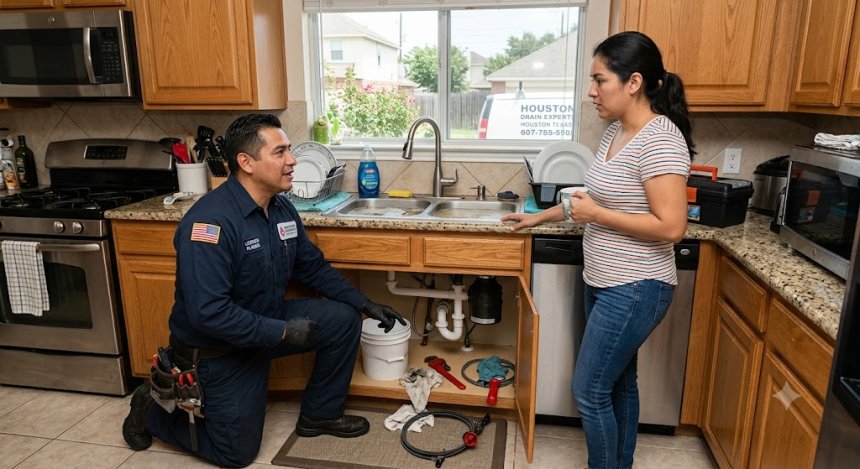
- Check the Under-Sink Shutoff Valves: Open the cabinet doors and verify that both the hot and cold stop valves are turned completely counter-clockwise into the fully open position. Check the flexible supply lines for any visible sharp bends, twists, or physical pinches.
What DIY Actions Can Make the Problem Worse?
While checking the aerator and supply valves is safe for most homeowners, certain DIY actions can escalate a minor flow restriction into a costly emergency leak:
- Over-tightening threaded connections: Applying excessive force with large wrenches when tightening supply lines or aerators can strip delicate brass threads, crack plastic faucet bodies, or twist copper stub-outs inside the wall.
- Using aggressive chemical descalers blindly: Pouring harsh chemical drain cleaners or unapproved industrial solvents into a sink to fix low flow is ineffective and dangerous. Sink flow restrictions are on the supply side, not the drain side. Chemicals poured down the drain will not touch internal faucet blockages and can damage rubber seals or splash back.
- Forcing seized shutoff valves: If an old gate or compression valve under the sink refuses to turn, forcing it with excessive leverage can snap the internal valve stem off inside the wall, turning a low-flow annoyance into an active indoor flood requiring an immediate main water shutoff.
Hidden Causes and Professional Diagnostic Methods
If cleaning the aerator and verifying the shutoff valves do not restore normal water flow, the issue involves hidden components. A professional plumber approaches persistent low flow using methodical diagnostic techniques.
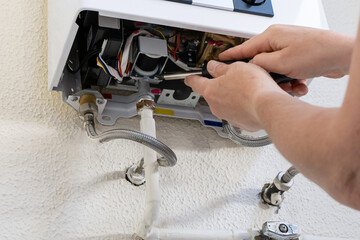
A plumber will typically isolate the fixture by shutting off the water, disconnecting the flexible supply hoses from the wall valves, and directing the hoses into a bucket. By briefly opening the wall valve, they can observe the actual volume and force of water coming directly out of the supply pipe. If the water rushes out powerfully into the bucket, the supply line and valves are healthy, proving the restriction is trapped inside the faucet body or cartridge. If the water trickles directly from the wall valve, the restriction exists upstream within the supply piping or the valve itself.
In older properties, internal corrosion inside galvanized steel pipes can flake off and create partial blockages at elbows and fittings. In homes with older pressure-reducing valves (PRVs) located near the main water entry point, internal spring fatigue can cause localized pressure drops when multiple fixtures are used, though this typically affects entire bathrooms rather than just a single isolated sink.
Repair Versus Replacement Considerations
When low water flow stems from internal faucet failure, deciding whether to repair or replace the fixture depends on several practical factors:
- Cartridge Replacement: If the faucet is a modern, high-quality brand, replacing a clogged or worn-out internal cartridge is usually inexpensive and restores like-new performance. Manufacturers often supply replacement cartridges under lifetime warranties.
- Full Faucet Replacement: If the faucet is severely corroded, leaking from the mounting base, or an obsolete model where replacement parts are unavailable, installing a brand-new fixture is often more cost-effective than attempting multiple localized repairs. Replacing an older faucet also eliminates hidden mineral scale buildup accumulated over decades of use.
Factors Affecting Repair and Replacement Costs
When evaluating the cost of professional plumbing service for a sink flow issue, prices vary based on specific job parameters rather than a flat universal rate:
- Accessibility: Working beneath a cramped vanity cabinet with tight angles and corroded mounting hardware takes significantly more labor time than working on an open, newly constructed utility sink.
- Fixture Type: Standard single-hole deck-mounted faucets are straightforward to service or replace. Wall-mounted commercial faucets, widespread multi-hole bathroom fixtures, or electronic sensor faucets require specialized labor and specific replacement parts that influence overall service pricing.
- Condition of Existing Plumbing: If under-sink shutoff valves are corroded, leaking, or fail to seal completely when closed, the plumber must replace the valves before servicing the faucet, adding materials and labor time to the project.
Questions to Ask Before Approving Plumbing Work
Before authorizing a plumber to perform extensive repairs or fixture replacements, ask these targeted questions to ensure transparency:
- Did you isolate the test to determine whether the restriction is in the supply line, the shutoff valve, or the faucet cartridge?
- Is the replacement cartridge covered under a manufacturer warranty, or do we need a completely new faucet?
- Do the under-sink shutoff valves need to be replaced alongside the faucet to ensure reliable future operation?
- Does this repair require turning off the main water supply to the entire home or property?
Frequently Asked Questions
Why is my kitchen sink flow low while the bathroom sink is fine?
When only one sink experiences low flow, the issue is isolated to that specific fixture. Kitchen faucets often feature built-in diverters for spray attachments or fine aerators that trap debris faster than bathroom sinks. The problem is almost never related to your home's main water supply lines.
Can a water heater cause low flow at just one sink?
A water heater issue can cause low flow, but it will typically affect the hot water side across multiple fixtures throughout the home, rather than just one single sink. If only the hot side of one specific faucet is weak, the obstruction is usually localized to that faucet's hot water supply line, shutoff valve, or hot-side cartridge port.
How do I know if my faucet cartridge is clogged with debris?
If you have cleaned the aerator and verified that the under-sink shutoff valves are fully open, but water flow remains weak when the handle is lifted or turned, mineral scale or sediment is likely trapped inside the internal chambers of the faucet cartridge.
Is it safe to use vinegar to clean a clogged aerator?
Yes. White vinegar is a mild, natural acid that effectively dissolves calcium, lime, and mineral scale deposits without damaging the metal finish or rubber internal washers of the aerator.
When should I stop trying DIY fixes and call a professional plumber?
You should call a professional if under-sink shutoff valves are stuck or leaking, if supply pipes show signs of active corrosion or bulging, if you cannot remove a seized aerator without damaging the spout, or if clearing the aerator and valves does not restore normal water flow.