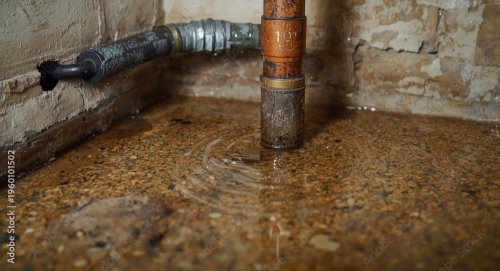
Basement & Foundation Plumbing Problems in Houston
Learn how Houston basement and foundation plumbing problems develop, warning signs to watch for, repair options, costs, and when to call a plumber
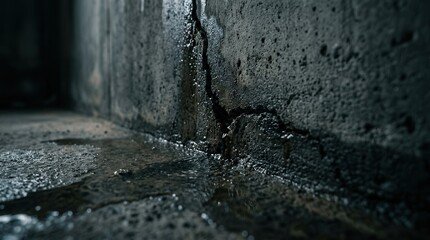
Why Basement and Foundation Plumbing Problems Deserve Attention
Foundation-related plumbing problems can be difficult for Houston homeowners to identify because much of the plumbing is hidden beneath floors, slabs, walls, or soil.
A small leak under a foundation may not produce an obvious puddle. Instead, homeowners may notice a sudden increase in their water bill, damp flooring, warm spots on the floor, unexplained sounds of running water, low water pressure, musty odors, or cracks that appear around plumbing-related areas.
Houston homes also have different foundation and plumbing configurations. Some properties have slab-on-grade construction, while others may have raised or pier-and-beam designs. True basements are less common than in many northern cities, so homeowners should not assume that every below-grade moisture problem is a plumbing leak.
The City of Houston's construction standards specifically identify water pooling beneath a foundation and certain slab cracks that threaten plumbing or other systems as conditions requiring attention. The standards also emphasize drainage away from the foundation.
The important point is simple: water around or beneath a foundation should be investigated rather than automatically blamed on rain, groundwater, or a plumbing leak.
What Are Basement and Foundation Plumbing Problems?
Foundation plumbing problems occur when water-supply, drainage, sewer, or other plumbing components located beneath, through, or adjacent to a building's foundation develop leaks, blockages, deterioration, or other failures.
Common examples include:
- Slab leaks
- Broken underground water lines
- Leaking supply pipes
- Sewer-line damage
- Drain-line leaks
- Failed pipe joints
- Corroded plumbing
- Underground pipe restrictions
- Foundation penetrations that allow water intrusion
- Plumbing leaks beneath raised floors
- Condensation or drainage problems mistaken for leaks
For a Houston home without a conventional basement, the relevant problem may be beneath the concrete slab or around the foundation perimeter rather than inside a basement.
Why Do Foundation Plumbing Problems Happen?
Several different conditions can contribute to plumbing problems around a foundation.
Aging Plumbing
Older plumbing systems can deteriorate over time.
Depending on the material, age, installation quality, and local conditions, pipes may eventually develop corrosion, cracks, weak joints, or other failures.
Soil Movement
Changes in soil moisture can affect the ground surrounding underground plumbing.
Movement can place stress on pipes and connections, particularly when the plumbing system is already aging or poorly supported.
Corrosion
Metal pipes can corrode internally or externally.
Corrosion may eventually result in leaks, restricted flow, or pipe failure.
Poor Installation
Improper slope, inadequate support, poor connections, unsuitable materials, or incorrect installation can create problems that become more noticeable years later.
Tree Roots
Roots naturally seek moisture.
If a sewer line has a crack, separated joint, or other opening, roots may enter and interfere with wastewater flow.
High Water Pressure
Excessive water pressure can place additional stress on plumbing components.
Pressure problems should be tested rather than assumed.
Hard Water and Mineral Deposits
Mineral accumulation can affect fixtures and certain plumbing components. Over time, deposits may contribute to restrictions or shorten the useful life of some components.
Poor Drainage
Water should be directed away from the foundation.
Houston's construction standards require positive drainage away from the foundation and address standing water and water pooling beneath foundations.
Poor exterior drainage can create moisture problems that may be confused with plumbing leaks.
How Can You Tell If You Have a Foundation Plumbing Leak?
Foundation leaks are often difficult to diagnose without professional testing.
Watch for the following warning signs.
Unexplained Increase in Water Bills
If your water consumption increases without a corresponding change in household usage, investigate.
A leak beneath a slab can allow water to escape continuously.
Sound of Running Water
Hearing water when every faucet, toilet, appliance, and irrigation system is off can indicate a hidden leak.
It does not prove a foundation leak, but it is worth investigating.
Warm or Cold Spots on the Floor
A hot-water line leaking beneath a slab may create an unusually warm area.
A cold-water leak can sometimes create a noticeably cooler area.
This is a clue rather than a definitive diagnosis.
Damp Flooring
Moisture appearing on flooring without an obvious source can be a warning sign.
Musty Odors
Persistent damp or musty odors can indicate moisture accumulation.
However, odors can have several causes and should not automatically be attributed to plumbing.
Low Water Pressure
A significant leak on a supply line can affect available water pressure.
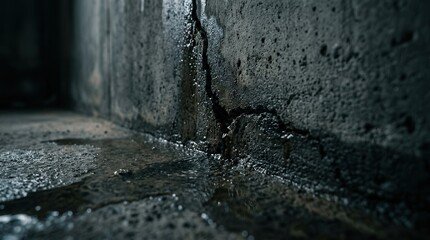
Cracks Near Plumbing Areas
Foundation or slab cracks should not automatically be blamed on plumbing.
However, Houston's standards specifically recognize certain slab cracks that create or threaten plumbing or other systems as a concern.
Standing Water
Water collecting near the foundation or beneath a structure requires investigation.
Sewer Odors
Persistent sewage odors may indicate a drain or sewer problem rather than a foundation leak.
Foundation Water Does Not Always Mean a Plumbing Leak
This distinction can save homeowners money.
Water near a foundation can come from:
- Plumbing leaks
- Roof drainage
- Poor grading
- Irrigation
- Condensation
- Groundwater
- Surface runoff
- Sewer problems
- Failed exterior drainage
- Air-conditioning condensate
Houston's construction standards emphasize directing rainwater away from the structure and preventing standing water around the property.
Before approving expensive plumbing work, make sure the source of the water has actually been identified.
Common Plumbing Problems Related to Foundations
Slab Leaks
A slab leak occurs when plumbing beneath a concrete slab leaks.
The affected pipe may carry hot or cold water.
Underground Supply-Line Leaks
A water-service or supply pipe can leak underground before water reaches the home's fixtures.
Sewer Line Problems
Sewer lines beneath or near foundations can crack, become obstructed, or develop root intrusion.
Drain-Line Leaks
A damaged drain line can release wastewater beneath a structure.
Broken Pipe Connections
Pipe joints and fittings can eventually fail.
Corroded Piping
Older plumbing may develop internal or external deterioration.
Recurring Drain Backups
Repeated backups may indicate a sewer-line problem rather than a simple fixture clog.
What Should You Do If You Suspect a Foundation Plumbing Leak?
Stop Unnecessary Water Use
If you suspect an active leak, reduce water usage until the source can be evaluated.
Check the Water Meter
Turn off fixtures and appliances that use water.
If the meter continues showing water consumption, investigate further.
A moving meter does not identify the exact location of a leak, but it can provide a useful clue.
Check Accessible Areas
Look around:
- Water heaters
- Toilets
- Supply lines
- Cabinets
- Outdoor faucets
- Irrigation equipment
- Foundation walls
- Utility areas
Do Not Start Breaking the Floor
Avoid cutting concrete or opening flooring simply because you suspect a slab leak.
Professional leak detection can often narrow down the location before invasive repair begins.
Shut Off the Main Water Supply When Necessary
If there is a significant active leak and you can safely access the shutoff, turning off the water can reduce additional damage.
How Does a Professional Diagnose Foundation Plumbing Problems?
A proper diagnosis is usually more valuable than immediately beginning demolition.
Step 1: Review the Symptoms
The plumber asks about:
- Water bills
- Pressure changes
- Moisture
- Odors
- Drain problems
- Recent plumbing work
- Foundation observations
Step 2: Inspect Visible Plumbing
Accessible fixtures and piping are checked first.
The goal is to rule out simple above-ground leaks.
Step 3: Test Water Pressure
Pressure testing can help identify abnormal conditions in the supply system.
Step 4: Check for Hidden Leaks
Depending on the situation, professional leak-detection equipment may be used.
Step 5: Locate the Affected Area
The technician may use acoustic, electronic, thermal, or other diagnostic methods depending on the plumbing configuration.
Step 6: Inspect Sewer or Drain Lines
If wastewater problems are involved, a sewer camera may help identify:
- Roots
- Cracks
- Offset joints
- Heavy buildup
- Collapsed sections
- Other structural defects
Step 7: Explain the Repair Options
The plumber should explain what was found and why a particular repair is recommended.
What Tools Can Help Find Hidden Foundation Plumbing Problems?
Electronic Leak Detection
Electronic equipment can help identify hidden water movement or leak locations.
Acoustic Detection
Some leaks create sounds that specialized equipment can detect.
Thermal Imaging
Thermal cameras can sometimes identify temperature differences associated with hot-water leaks or moisture.
Moisture Meters
Moisture meters can help identify wet building materials.
Sewer Cameras
A camera allows a technician to inspect the inside of an accessible sewer or drain line.
Pressure Gauges
Pressure measurements help determine whether the plumbing system is operating within an expected range.
Pipe Locators
Electronic locating equipment can help identify underground pipe routes and certain defects.
The right diagnostic method depends on the plumbing system and the symptoms.
Can Foundation Plumbing Problems Be Repaired Without Digging Everything Up?
Sometimes.
The repair approach depends on where the pipe is located, what material it is made from, and how badly it is damaged.
Possible approaches include:
Spot Repair
A localized damaged section may be repaired when practical.
Rerouting
In some slab-leak situations, abandoning an inaccessible section and rerouting plumbing through a more accessible route may be considered.
Pipe Replacement
Severely deteriorated plumbing may need replacement.
Trenchless Sewer Repair
Certain sewer-line problems may qualify for trenchless techniques, depending on pipe condition, location, access, and local requirements.
Excavation
Traditional excavation may still be the most appropriate option for some underground repairs.
A professional should explain why a particular method fits the property rather than presenting one repair technique as universally best.
How Long Does Foundation Plumbing Repair Take?
The timeline varies significantly.
Simple Leak Detection
Locating a relatively accessible leak may take less time than repairing it.
Localized Pipe Repair
A straightforward accessible repair may be completed relatively quickly.
Slab Access
If concrete must be opened, additional preparation, repair, and restoration may be required.
Sewer Repair
Sewer-line work can take longer when excavation, replacement, inspection, or restoration is involved.
Major Repiping
Replacing substantial sections of a plumbing system can become a larger project.
The plumber should provide a realistic timeline after the problem has been diagnosed.
How Much Does Foundation Plumbing Repair Cost?
There is no responsible one-size-fits-all price.
Costs can vary based on:
- Leak-detection requirements
- Pipe material
- Location of the damaged pipe
- Accessibility
- Labor
- Concrete removal
- Flooring removal
- Pipe replacement
- Sewer inspection
- Excavation
- Trenchless equipment
- Restoration
- Permits
- Emergency service
- Property layout
A small accessible leak and a sewer line beneath a concrete slab are completely different projects.
Ask whether the estimate covers only plumbing work or also includes concrete, flooring, drywall, landscaping, or water-damage restoration.
Hidden Truths Homeowners Should Know
Water Near the Foundation Is Not Proof of a Plumbing Leak
Exterior drainage problems can create similar symptoms.
A Small Leak Can Cause Significant Damage
Continuous water loss can affect flooring, insulation, drywall, soil, and other building materials.
Foundation and Plumbing Problems Can Be Related—but Are Not the Same Thing
A plumbing leak can affect the area around a foundation, while foundation movement can potentially affect plumbing. Proper diagnosis matters.
A Crack Does Not Automatically Mean a Plumbing Problem
Concrete and foundation cracks have many possible causes.
Sewer Problems Can Be Hidden for Months
A partially damaged sewer line may continue functioning before eventually backing up.
Repeated Drain Cleaning May Be a Warning
If the same sewer line repeatedly becomes blocked, investigate the condition of the pipe instead of treating each backup as an isolated clog.
Exterior Drainage Matters
Houston's standards specifically emphasize drainage away from the foundation and preventing standing water.
Do Not Pay for Major Excavation Before Diagnosis
A professional inspection can help determine whether excavation is actually necessary.
15 Common Mistakes Homeowners Make
- Ignoring unexplained water bills — Persistent increases can indicate hidden water loss.
- Assuming every floor stain is a slab leak — Condensation, spills, drainage, and other sources can look similar.
- Breaking concrete before locating the leak — Diagnosis should come before unnecessary demolition.
- Ignoring sewer odors — Persistent odors deserve investigation.
- Repeatedly clearing the same drain — Recurring blockages can indicate structural sewer problems.
- Planting large trees directly over sewer routes — Roots can interfere with damaged sewer lines.
- Ignoring exterior drainage — Water should be directed away from the foundation.
- Forcing old shutoff valves — Old components can break or leak.
- Ignoring low water pressure — A sudden change can indicate a leak or restriction.
- Assuming foundation cracks are caused by plumbing — Multiple causes are possible.
- Choosing a repair before getting a diagnosis — Different pipe problems require different solutions.
- Using chemical drain cleaners repeatedly — They are not a substitute for sewer diagnosis.
- Ignoring recurring sewage backups — Repeated problems warrant investigation.
- Delaying an active underground leak — Continued water loss can increase damage.
- Choosing a contractor based solely on the lowest quote — Compare diagnosis, scope, materials, and workmanship.
Maintenance Tips for Houston Homeowners
- Monitor your water bill for unexplained changes.
- Know where the main water shutoff is located.
- Check accessible plumbing periodically.
- Inspect under sinks for moisture.
- Check water-heater connections.
- Watch for unexplained floor dampness.
- Investigate persistent musty odors.
- Monitor water pressure.
- Keep sewer cleanouts accessible.
- Avoid flushing wipes and non-flushable materials.
- Never pour grease into drains.
- Address recurring drain backups.
- Consider sewer-camera inspection when problems repeatedly return.
- Maintain exterior drainage.
- Keep gutters and downspouts directing water away from the structure.
- Check irrigation systems for leaks.
- Avoid planting large-rooted trees directly over known sewer lines.
- Repair leaking fixtures promptly.
- Have older plumbing professionally evaluated when symptoms appear.
- Document previous plumbing repairs and pipe replacements.
Houston's construction standards emphasize positive drainage away from the foundation and identify water pooling beneath a foundation as a hazardous or substandard condition in the circumstances described by the standards.
When Is a Foundation Plumbing Problem an Emergency?
Not every foundation plumbing issue requires emergency service.
However, seek prompt plumbing assistance when:
- A major water leak is active.
- The main water line is leaking.
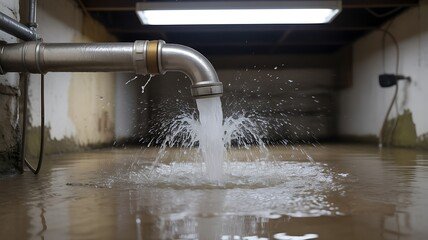
- Water is rapidly entering the property.
- A sewer line has backed up.
- Sewage is entering the home.
- Water is accumulating beneath or around the structure.
- You hear continuous water flow with all fixtures off.
- A significant loss of water pressure occurs suddenly.
- A pipe has burst.
- Water is reaching electrical equipment.
If water is actively damaging your home, shut off the water when it is safe to do so and avoid entering areas with electrical hazards.
For city-related water or sewer issues within Houston, the city's 311 system accepts reports involving water and sewer leaks and operates 24 hours a day.
People Also Ask About Foundation Plumbing Problems in Houston
What is a foundation plumbing leak?
It is a plumbing leak occurring beneath, through, or near a building's foundation. A common example is a slab leak involving a water line beneath a concrete slab.
How do I know if I have a slab leak?
Possible signs include unexplained water usage, warm or cool floor areas, damp flooring, low water pressure, sounds of running water, and visible moisture. These symptoms can have other causes, so professional testing may be necessary.
Can a plumbing leak damage a foundation?
A plumbing leak can contribute to persistent moisture around or beneath a structure and may damage building materials or create other property problems. The relationship between plumbing leaks and structural movement depends on the specific site and conditions.
Can a foundation crack cause a plumbing leak?
Foundation movement can potentially place stress on plumbing, but a crack does not automatically mean plumbing has failed.
Why is there water around my foundation?
Possible sources include plumbing leaks, roof runoff, irrigation, poor grading, groundwater, condensation, and other drainage problems.
Can a sewer line leak under my foundation?
Yes. Sewer lines may run beneath or near buildings, depending on the home's design and plumbing layout.
How do plumbers find a leak under concrete?
Depending on the system, professionals may use pressure testing, acoustic leak detection, electronic equipment, thermal imaging, moisture measurements, or other diagnostic techniques.
Can a slab leak be repaired without removing the entire floor?
Often, the repair strategy can be limited to the affected area or the plumbing can potentially be rerouted. The appropriate approach depends on the pipe, leak location, access, and condition.
How long does a slab leak repair take?
A straightforward repair may be completed relatively quickly, while difficult-to-access leaks, rerouting, concrete work, and restoration can extend the project.
Is a sewer camera inspection worth it?
It can be particularly useful when a property has recurring sewer backups, slow drains, suspected root intrusion, or other symptoms suggesting a structural sewer problem.
Can tree roots cause foundation plumbing problems?
Tree roots can enter damaged sewer lines and contribute to blockages. They do not automatically mean the foundation itself is damaged.
Why does my water bill keep increasing?
Possible causes include leaking toilets, faucets, irrigation systems, underground supply lines, slab leaks, and other water-consuming problems.
Should I repair or replace old underground plumbing?
The decision depends on pipe condition, material, age, failure frequency, accessibility, repair history, and expected future performance.
Does Houston require drainage away from foundations?
Houston's construction standards require positive drainage away from the foundation and address standing or pooled water around foundations.
Are basement plumbing problems common in Houston?
Houston has fewer conventional basements than many colder U.S. cities, so homeowners more commonly encounter plumbing problems involving slabs, foundations, crawl spaces, or underground lines. The exact plumbing configuration depends on the property.
Why Choose the Right Houston Plumbing Professional?
Foundation-related plumbing work should begin with diagnosis.
A qualified plumbing professional should be able to explain:
- What evidence indicates a plumbing problem
- Where the suspected leak or blockage is located
- Whether the problem is supply-side or drainage-side
- Whether a sewer camera is appropriate
- Whether leak detection is necessary
- Whether excavation is required
- Whether rerouting is an option
- What the repair includes
- What additional restoration may be needed
Be cautious of recommendations for major excavation or repiping that are made without explaining the evidence behind them.
For substantial foundation or structural concerns, a plumber and an appropriately qualified structural professional may both be necessary. Plumbing diagnosis and structural engineering are different areas of expertise.
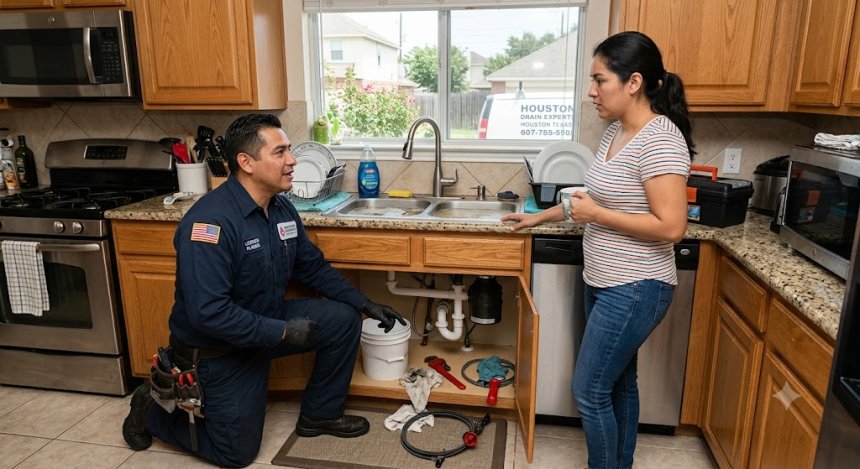
Basement and Foundation Plumbing Help in Houston, TX
Foundation plumbing problems are challenging because the evidence is often hidden.
A wet floor does not automatically mean a slab leak. A foundation crack does not automatically mean plumbing has failed. A sewer backup does not necessarily mean the entire sewer line needs replacement.
The right first step is diagnosis.
Check your water usage, watch for unexplained moisture, monitor pressure, inspect accessible plumbing, and pay attention to recurring sewer or drainage symptoms.
If you suspect a hidden leak or underground plumbing problem, professional leak detection and inspection can help identify the actual source before unnecessary demolition or replacement begins.
For homeowners and businesses throughout Houston, including Houston Heights, Montrose, River Oaks, Memorial, Meyerland, Bellaire, West University Place, Spring Branch, Cypress, Katy, Sugar Land, Kingwood, The Woodlands, and surrounding communities, contact Emergency Plumbing in Houston Heights at 844-833-2093.
Whether the concern is a suspected slab leak, underground water-line problem, sewer issue, recurring drain backup, or unexplained water loss, getting the plumbing properly evaluated can help you make an informed repair decision.
Call 844-833-2093 to request a plumbing inspection, leak diagnosis, or repair estimate.