How Hard Water in Houston, TX Can Damage Your Plumbing
Hard water in Houston, TX can gradually cause mineral buildup inside pipes, faucets, showerheads, toilets, water heaters, and other plumbing fixtures. Over time, calcium and magnesium deposits may restrict water flow, reduce water-heater efficiency, increase fixture wear, and contribute to costly plumbing repairs. This guide explains the warning signs of hard-water damage, common plumbing problems, prevention methods, maintenance tips, and when to contact a professional Houston plumber.
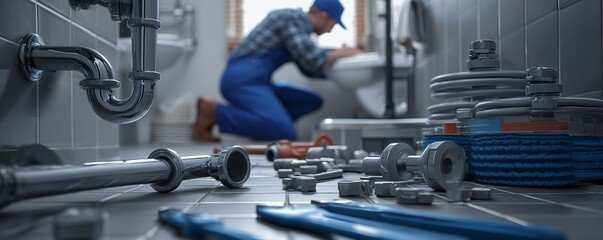
How Hard Water in Houston, TX Can Damage Your Plumbing
Hard water can quietly affect a home's plumbing system for years before homeowners notice a serious problem. In Houston, TX, mineral deposits can accumulate on faucets, showerheads, valves, water heaters, and other plumbing components. While hard water is not usually an emergency by itself, prolonged mineral buildup can reduce water flow, affect efficiency, and contribute to premature wear.
Understanding the signs of hard-water damage can help Houston homeowners address small plumbing problems before they become expensive repairs.
What Is Hard Water?
Hard water contains naturally occurring minerals, primarily calcium and magnesium. When this water is heated or evaporates from a surface, it can leave behind mineral deposits known as scale.
You may notice hard-water buildup as:
- White or chalky deposits around faucets
- Scale on showerheads
- Cloudy spots on fixtures
- Reduced water flow
- Mineral deposits around toilet components
- Sediment or scale inside water heaters
- Frequent plumbing fixture problems
The effect of hard water varies depending on mineral concentration, plumbing materials, water temperature, system age, and maintenance.
How Hard Water Damages Plumbing
Hard water usually doesn't damage plumbing suddenly. Instead, minerals accumulate gradually.
Over time, scale can interfere with plumbing components and contribute to reduced performance.
Mineral Buildup Inside Pipes
Minerals can accumulate along the interior surfaces of plumbing components. In severe cases, this buildup can reduce the space available for water to flow.
Possible symptoms include:
- Reduced water flow
- Poor fixture performance
- Uneven pressure
- Recurring restrictions
- Longer filling times
Older plumbing systems may be more vulnerable if they already have corrosion, sediment, or internal deterioration.
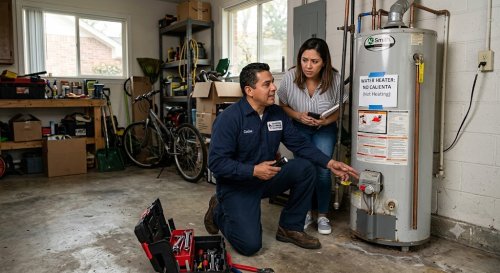
Water Heater Scale
Water heaters can be particularly affected by hard water because heating encourages mineral deposits to form.
In tank-style water heaters, sediment and scale can collect at the bottom of the tank.
Possible warning signs include:
- Popping or rumbling noises
- Longer heating times
- Reduced hot-water availability
- Increased energy use
- Reduced efficiency
- Premature component wear
Tankless water heaters can also experience scale buildup on their heat exchangers, potentially affecting water flow and efficiency.
Faucet and Valve Problems
Faucets contain small passages and moving components that can be affected by mineral deposits.
Hard-water buildup may cause:
- Reduced flow
- Uneven water streams
- Stiff handles
- Dripping
- Premature cartridge wear
Sometimes cleaning a faucet aerator is enough to restore normal flow. If deposits have affected internal components, professional repair may be necessary.
Showerhead Restrictions
A showerhead can gradually collect mineral deposits around its spray openings.
You might notice that the shower:
- Has weaker flow
- Sprays unevenly
- Has blocked spray holes
- Leaves visible white residue
Cleaning the showerhead can sometimes solve the problem. Severe or recurring buildup may indicate a broader water-quality issue.
Toilet Problems
Mineral deposits can also affect toilet fill valves and flush components.
Hard-water buildup may contribute to:
- Slow tank filling
- Running toilets
- Weak flushing
- Leaking valves
- Difficult-to-operate components
However, these symptoms can have several other causes, so proper diagnosis is important.
Can Hard Water Cause Low Water Pressure?
Hard water can contribute to reduced water flow, but it is not the only possible cause of low water pressure.
Mineral buildup can restrict faucets, valves, showerheads, and portions of a plumbing system.
Other causes include:
- Corroded pipes
- Leaking pipes
- Partially closed valves
- Faulty pressure regulators
- Municipal water-supply issues
- Clogged fixtures
- Water heater problems
- Plumbing system defects
If water pressure suddenly drops throughout your home, don't automatically assume hard water is responsible. A professional inspection can help identify the actual cause.
Warning Signs of Hard-Water Plumbing Damage
White or Chalky Deposits
Visible scale around faucets, sinks, showerheads, and fixtures is one of the easiest signs to recognize.
Reduced Water Flow
A faucet or showerhead that gradually becomes weaker may have mineral buildup.
Frequent Faucet Problems
Repeated aerator, cartridge, or valve issues can sometimes be associated with hard-water deposits.
Noisy Water Heater
Popping, crackling, or rumbling sounds from a tank-style water heater can indicate sediment or scale accumulation.
Recurring Restrictions
If the same plumbing fixtures repeatedly lose flow after cleaning, the underlying plumbing system may need inspection.
Increased Maintenance
Frequent cleaning and replacement of plumbing components may indicate that mineral-rich water is contributing to premature wear.
Does Hard Water Damage Pipes?
Hard water does not automatically mean your pipes will fail.
The potential effect depends on:
- Water chemistry
- Mineral concentration
- Pipe material
- Plumbing age
- Water temperature
- Existing corrosion
- Water pressure
- Maintenance history
Scale can sometimes combine with corrosion or sediment and contribute to restrictions.
If an older Houston home has several fixtures with declining water flow, it may be worth having the plumbing evaluated instead of repeatedly replacing individual fixtures.
Can You Remove Hard-Water Deposits Yourself?
Minor surface buildup can often be cleaned by homeowners.
For example, removing and cleaning a faucet aerator may restore normal flow when mineral deposits are the only problem.
However, homeowners should be cautious when working with:
- Water heaters
- Pressure regulators
- Main valves
- Concealed plumbing
- Gas-fired equipment
- Complex plumbing connections
DIY repairs can create leaks or damage components if the wrong tools or techniques are used.
If the same problem keeps returning, cleaning the fixture may only be treating the symptom.
How Plumbers Diagnose Hard-Water Problems
A professional plumber can determine whether hard water is actually responsible for the plumbing symptoms.
Depending on the situation, the inspection may involve:
- Examining affected fixtures.
- Checking water pressure and flow.
- Inspecting faucets and valves.
- Evaluating water-heater performance.
- Looking for visible scale.
- Determining whether the problem affects one fixture or the entire property.
- Inspecting accessible plumbing.
- Recommending appropriate repair or water-treatment options.
The goal is to identify the underlying cause rather than repeatedly repairing the same symptom.
Can a Water Softener Help?
A properly selected and maintained water softener can reduce the amount of hardness minerals entering the plumbing system.
However, a water softener is not automatically necessary for every Houston home.
Before installing one, consider:
- Actual water hardness
- Household water usage
- Existing plumbing condition
- Water-heater condition
- Maintenance requirements
- Available installation space
- Overall water-treatment needs
Water treatment can help reduce future scale formation, but it cannot automatically repair pipes or fixtures that have already suffered significant damage.
How Long Does Hard-Water Damage Take?
There is no fixed timeline.
Minor deposits can become noticeable relatively quickly, while significant internal scale accumulation can take years.
The rate depends on:
- Water hardness
- Water usage
- Temperature
- Pipe material
- Fixture design
- Plumbing age
- Maintenance
Two homes in the same Houston area can therefore experience very different hard-water effects.
Hard-Water Plumbing Maintenance Tips
Houston homeowners can reduce plumbing problems by following a consistent maintenance routine:
- Clean faucet aerators regularly.
- Inspect showerheads for mineral buildup.
- Follow the water-heater manufacturer's maintenance recommendations.
- Descale tankless water heaters when recommended.
- Monitor changes in water pressure.
- Check faucets for recurring leaks.
- Inspect visible plumbing connections.
- Watch for scale around fixtures.
- Address dripping faucets promptly.
- Check toilets for silent leaks.
- Avoid repeatedly using harsh chemical cleaners.
- Consider professional water testing.
- Have older plumbing inspected when multiple fixtures lose flow.
- Replace severely scaled fixtures when cleaning no longer works.
- Keep records of recurring plumbing problems.
- Ask a qualified plumber whether water treatment is appropriate.
When Should You Call a Houston Plumber?
Professional plumbing assistance may be appropriate if you experience:
- Persistent low water pressure
- Multiple fixtures with reduced flow
- Heavy mineral buildup
- Noisy water heaters
- Frequent water-heater problems
- Recurring faucet issues
- Repeated plumbing restrictions
- Sudden pressure changes
- Visible pipe corrosion
- Suspected hidden leaks
A plumber can determine whether hard water is contributing to the issue or whether another plumbing problem needs attention.
How Much Does Hard-Water Plumbing Repair Cost?
There is no single price for hard-water plumbing repairs.
The total cost can depend on:
- Type of plumbing problem
- Severity of buildup
- Accessibility
- Labor
- Replacement parts
- Diagnostic work
- Water-heater condition
- Pipe condition
- Water-treatment equipment
- Whether repair or replacement is appropriate
- Local Houston labor rates
Cleaning an aerator is obviously very different from repairing a heavily scaled water heater or replacing damaged plumbing.
Before major work is performed, ask for an explanation of the problem and the recommended repair.