Why Is Your Toilet Filling Slowly? Causes & Easy Fixes
Discover why your toilet fills slowly after flushing. Learn safe troubleshooting steps, valve adjustments, and when to call a professional plumber.


Understanding a Slow-Filling Toilet
When you flush a toilet, you expect the tank to refill quickly and automatically shut off. If the water trickles in at a snail's pace, forcing you to wait several minutes between flushes, your plumbing system is signaling an underlying restriction or component failure. A slow-filling toilet is more than just an inconvenience; it wastes water by keeping internal components open longer and indicates that sediment, mineral buildup, or a failing valve is interfering with standard water delivery.
Unlike a toilet that continuously runs, a slow filler suffers from restricted water volume entering the tank. Pinpointing the exact cause requires looking inside the tank and examining how water travels from your home's supply lines into the flush mechanism. Fortunately, many causes of slow-filling toilets can be diagnosed safely by a homeowner without specialized tools.
The Core Mechanism Behind Toilet Filling
To understand why a toilet fills slowly, you need to understand how the tank refill cycle works. When the flush handle is pressed, the flapper lifts, and water rushes out of the tank into the bowl. As the water level drops, a float attached to the fill valve drops with it. This movement opens the fill valve, allowing fresh water to rush through the supply line and refill the tank.
Water enters the tank through the fill valve assembly. Inside this valve, a small rubber diaphragm and a series of passages regulate water flow and pressure. If anything restricts water flow at the shutoff valve, inside the supply line, or within the fill valve itself, the rate at which the tank fills drops dramatically. Recognizing this mechanical path helps you isolate where the restriction is occurring.
Safe Homeowner Troubleshooting Steps
Before calling a professional or replacing hardware, you can perform several safe, low-risk checks to identify why your toilet is filling slowly.
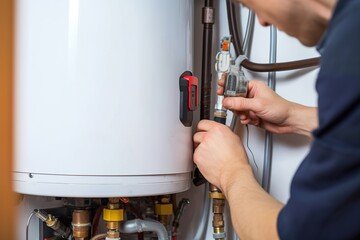
- Check the water supply valve: Locate the shutoff valve on the wall or floor behind the toilet. Ensure it is turned completely counterclockwise to the fully open position. A partially closed valve severely restricts water volume.
- Inspect the flexible supply line: Look for kinks, sharp bends, or pinching in the braided stainless steel or flexible plastic hose connecting the wall valve to the bottom of the toilet tank.
- Observe the fill valve float: Watch the float as the tank fills. Make sure it is not rubbing against the tank walls, the flush valve canister, or the refill tube, which can prevent it from opening fully.
- Test other fixtures: Turn on nearby bathroom sinks or showers. If multiple fixtures throughout the bathroom or home exhibit low water pressure, the issue may stem from a broader supply-line restriction rather than the toilet alone.
Common Causes of a Slow-Filling Toilet
Most slow-filling toilets can be traced to a few common culprits. Distinguishing between them helps determine whether a simple adjustment or a component replacement is necessary.
Partially Closed or Failing Supply Valve
Over time, the interior mechanism of older multi-turn shutoff valves can degrade, slip, or calcify. If the internal gate or washer inside the wall valve becomes dislodged, it can block water flow even when the exterior handle appears fully open. In homes with older plumbing infrastructure, mineral accumulation can lock the valve partially closed.
Sediment and Mineral Buildup
Hard water minerals, rust, and calcium scale can travel through water lines and accumulate inside the fill valve's internal components. This debris chokes off the internal waterways. In regions with heavy mineral content, this buildup happens gradually, causing the fill time to stretch longer and longer over several months.
Obstructed Fill Valve Diaphragm
Modern fill valves use a rubber diaphragm seal to control water entry. If this diaphragm wears out, tears, or collects debris, the valve cannot open to its maximum capacity. Some modern ballcock and cup-style fill valves also trap debris in the small cap assembly at the top of the valve body.
Kinked or Misaligned Refill Tube
The thin plastic tube running from the fill valve to the overflow pipe ensures water enters the bowl to maintain the proper water level. If this tube is cut too long, forced down into the overflow pipe too far, or crimped by the tank lid, it can alter internal pressure dynamics or siphon water incorrectly.
Hidden Factors and Diagnostic Insights
When standard troubleshooting fails to resolve the issue, professional plumbing analysts look closer at hidden factors that affect water delivery.
If your home features aging galvanized steel water supply lines, internal corrosion can severely narrow the interior diameter of the pipe. This rust restriction reduces volume and pressure specifically at high-demand fixtures. Furthermore, if you notice that your toilet fills slowly only during peak morning water usage hours, it may point toward temporary pressure drops across your property's main water supply branch rather than a localized fixture failure.
Another overlooked detail involves modern pressure-reducing valves (PRVs). If a property-wide PRV fails or becomes clogged with debris, water pressure drops subtly across every fixture, resulting in sluggish toilet tank refills alongside slower sink faucets.
Repair Versus Replacement Options
Choosing between repairing an existing component and replacing it depends on the age, condition, and type of toilet hardware installed.
| Issue | Repair Option | Replacement Option | When Replacement Makes Sense |
|---|---|---|---|
| Sediment buildup in fill valve | Flush out debris by clearing the valve cap | Install a modern universal fill valve | Valve is over 5-10 years old or shows brittle plastic |
| Stuck or failing shutoff valve | Re-seat internal washer (rarely recommended) | Replace the wall shutoff valve | Valve leaks when turned or fails to shut off completely |
| Damaged supply line | Straighten kinks | Replace braided stainless supply hose | Hose shows bulging, corrosion, or rubber degradation |
Replacing an older ballcock-style fill valve with a modern fluidmaster-style diaphragm valve is often faster, more reliable, and more cost-effective than attempting to clean heavily corroded legacy parts.
Cost Factors for Professional Toilet Repairs
If you choose to hire a professional plumber to resolve a slow-filling toilet, understanding pricing variables helps you evaluate estimates objectively. Plumbers do not typically charge a flat national rate because repair scope varies based on several practical factors:
- Accessibility: If the shutoff valve is seized inside a tight cabinet, behind a pedestal sink, or in an unyielding crawl space, labor time increases.
- Component Condition: Rusted supply nuts, corroded wall nipples, or fragile porcelain can complicate simple valve swaps, requiring additional plumbing labor.
- Scope of Work: Replacing a fill valve alone differs significantly from replacing both the fill valve, the tank-to-bowl gasket, and the supply stop valve.
- Emergency Timing: Standard service calls differ in pricing from urgent after-hours dispatch requests.
A transparent plumbing estimate should clearly itemize diagnostic labor, replacement parts, and any necessary water supply upgrades. Always ask whether the quote includes replacing worn supply hoses, as reusing old, fatigued braided lines increases the risk of sudden leaks.
Warning Signs That Require Prompt Attention
While a slow-filling toilet is primarily a nuisance, certain accompanying symptoms require immediate action to prevent property damage:
- Moisture, active dripping, or pooling water around the base of the supply shutoff valve.
- Bulging, fraying, or damp spots along the flexible supply line hose.
- A toilet tank that fails to stop filling entirely, threatening to overflow down the drain or onto the bathroom floor.
- Sudden loss of water pressure across multiple plumbing fixtures simultaneously.
Frequently Asked Questions
Can a clogged toilet cause the tank to fill slowly?
No. A clogged toilet restricts the flow of water and waste leaving the bowl into the drain pipe. A slow-filling toilet involves the supply water entering the tank. These are separate hydraulic systems within the fixture.
Is it safe to use chemical descalers inside the toilet tank?
Most harsh chemical drop-in tablets or corrosive tank cleaners can degrade rubber flappers, washers, and plastic fill valve seals over time. It is generally safer to manually flush out mineral debris or replace the fill valve.
Why does my toilet whistle loudly while filling slowly?
A high-pitched whistling or whining sound indicates that water is forcing its way through a severely restricted opening, such as a clogged fill valve seal or a partially closed shutoff valve.
Should I replace the supply line when replacing a toilet fill valve?
Yes. Flexible braided supply lines have a limited service lifespan. Reusing an old supply line after disturbing its connection increases the likelihood of a sudden leak or burst.
Can low water pressure in the entire house cause a slow toilet?
Yes. If your main water pressure regulator has failed or municipal supply pressure drops, every water-consuming fixture in the home, including the toilet fill cycle, will operate sluggishly.