Slab Leak in Meyerland, Houston: Warning Signs to Know
Learn the warning signs of a slab leak in Meyerland, Houston, including warm floors, high water bills, low pressure, moisture, and running-water sounds.

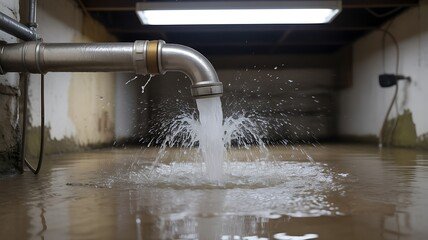
A slab leak in Meyerland, Houston can begin as a problem you barely notice. There may be no obvious puddle, no dripping faucet, and no visible broken pipe. Instead, your first clue might be a water bill that suddenly increases, a warm patch on the floor, a strange sound at night, or a noticeable drop in water pressure.
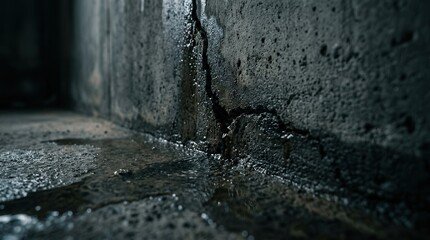
A slab leak occurs when a pressurized plumbing pipe beneath a concrete foundation develops a crack, hole, failed connection, or other leak. Because the pipe is hidden beneath the slab, the water may travel through soil or concrete before becoming visible inside or outside the home.
Houston homeowners need to take these signs seriously. Local plumbing professionals commonly identify warm flooring, unexplained water usage, damp areas, running-water sounds, low pressure, and moisture or mildew as potential indicators of an under-slab leak.
The important point is simple: one symptom does not automatically prove you have a slab leak. Several different plumbing problems can create similar signs. Professional leak detection is often necessary to determine where the water is actually escaping.
What Is a Slab Leak?
A slab leak is a leak in a plumbing pipe located underneath a home's concrete foundation.
Many homes in Houston are built on concrete slabs. Water supply lines can run beneath these slabs, meaning a pipe failure can occur in an area that homeowners cannot see or easily access.
For example, imagine that a hot-water pipe beneath your kitchen floor develops a small leak. You may not see water immediately. Instead, you might notice that one section of the floor feels warmer than the surrounding flooring.
Another homeowner might notice that the water meter continues registering usage even though every faucet and appliance is turned off.
These clues can point toward a hidden leak, but they need to be investigated before assuming the foundation itself is responsible.
Why Do Slab Leaks Happen?
Several conditions can contribute to plumbing leaks beneath a concrete slab.
Aging Plumbing
Older plumbing systems can develop corrosion, weakened connections, pinhole leaks, or material deterioration.
The older a plumbing system becomes, the more important it is to pay attention to recurring leaks and unexplained changes in water usage.
Corrosion
Metal plumbing can corrode over time. Corrosion may eventually weaken the pipe wall enough to create a leak.
Soil Movement
Houston-area homes can experience changes in soil conditions associated with weather and moisture. Movement around a foundation can place stress on plumbing systems.
Poor Installation
Improperly supported or incorrectly installed piping can be more vulnerable to movement, friction, or connection problems.
High Water Pressure
Excessive water pressure can place additional stress on plumbing components over time.
Hard Water and Mineral Deposits
Minerals in water can contribute to buildup and deterioration in plumbing components and fixtures. The exact effect depends on the pipe material and overall system condition.
Seasonal Weather
Houston's hot summers, heavy rainfall, and changing soil moisture can create challenging conditions around residential plumbing systems.
A slab leak should never be attributed to one cause without inspecting the actual plumbing system.
10 Warning Signs of a Slab Leak Homeowners Should Know
Recognizing the warning signs early can help you investigate a possible leak before it causes extensive damage.
1. An Unexplained Increase in Your Water Bill
One of the most common clues is a water bill that rises without an obvious change in household usage.
If your family has not increased showers, laundry, irrigation, or other water use but consumption suddenly rises, investigate.
A hidden leak can continuously consume water even when nobody is using a fixture.
2. The Water Meter Moves When Everything Is Off
This is a useful homeowner check.
Turn off faucets and water-using appliances and make sure irrigation is not running. Then observe the water meter.
If it continues registering water use, there may be a leak somewhere in the plumbing system.
However, the meter test does not prove the leak is underneath the slab. The leak could be in another hidden or outdoor section of the plumbing system.
3. Warm or Hot Spots on the Floor
A warm area on a tile or concrete floor can be an important clue, particularly when the home's hot-water piping runs beneath the slab.
If one section of flooring consistently feels warmer than nearby areas, don't automatically assume it is a heating or flooring issue.
A hot-water line leaking below the slab may transfer heat into the surrounding area.
4. The Sound of Running Water
Do you hear water running when every faucet is turned off?
A faint hissing, rushing, or running-water sound can indicate that water is escaping from a pressurized plumbing line.
The sound may be easier to notice late at night when the house is quiet.
5. Low Water Pressure
A significant or unexplained reduction in water pressure can have many causes, including fixture problems, supply issues, pressure-regulator problems, or leaks.
If the pressure drops throughout the house and there is also evidence of continuous water usage, a hidden leak deserves investigation.
6. Damp Flooring
Unexpected dampness, wet carpet, warped flooring, loose tiles, or moisture around interior walls should not be ignored.
Water escaping beneath a slab can move away from the actual pipe failure before appearing at the surface.
7. Musty or Mildew Odors
A persistent musty smell can indicate unwanted moisture.
Odors alone do not establish that a slab leak exists, but when combined with damp flooring, increased water usage, or other warning signs, they justify further investigation.
8. Cracks or Flooring Changes
New cracks in flooring, loose tiles, or other unexplained changes can have numerous causes.
They should not automatically be blamed on a plumbing leak or foundation problem. However, when these changes occur alongside unexplained moisture or water loss, a professional inspection is appropriate.
9. Standing Water or Soggy Soil Outside
Water accumulating near the foundation without recent rain or irrigation can indicate an underground plumbing leak.
Pay attention to areas that remain unusually wet or develop unusually lush vegetation compared with surrounding areas.
10. Frequent Water Heater Activity
An unexplained change in water-heater cycling can sometimes accompany a leak on the hot-water side.
This is not proof of a slab leak, but it can provide another clue when combined with other symptoms.
Why Slab Leaks Can Become Expensive Problems
The major concern with a hidden leak is not simply the water being lost.
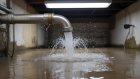
Water can migrate into areas homeowners cannot see. Depending on the location and severity, persistent moisture may affect flooring, cabinets, walls, insulation, or other building materials.
In Houston, foundation and soil conditions can also make hidden water problems particularly important to investigate. Local plumbing sources note that excess water around a slab and prolonged leakage can contribute to structural and property concerns.
That does not mean every slab leak will cause foundation damage. It means homeowners should not assume a hidden leak is harmless simply because there is no visible flooding.
What Should You Do If You Suspect a Slab Leak?
Start by reducing unnecessary water use.
If you can safely identify the home's main water shutoff and there is evidence of a significant leak, shutting off the water may help limit additional water loss.
You can also perform a basic meter check:
- Turn off faucets.
- Stop water-using appliances.
- Turn off irrigation if applicable.
- Make sure toilets are not actively refilling.
- Observe the water meter.
If the meter continues to show water usage, arrange professional leak detection.
Do not start breaking through flooring or concrete to search for the pipe. Guessing at the location can create unnecessary damage.
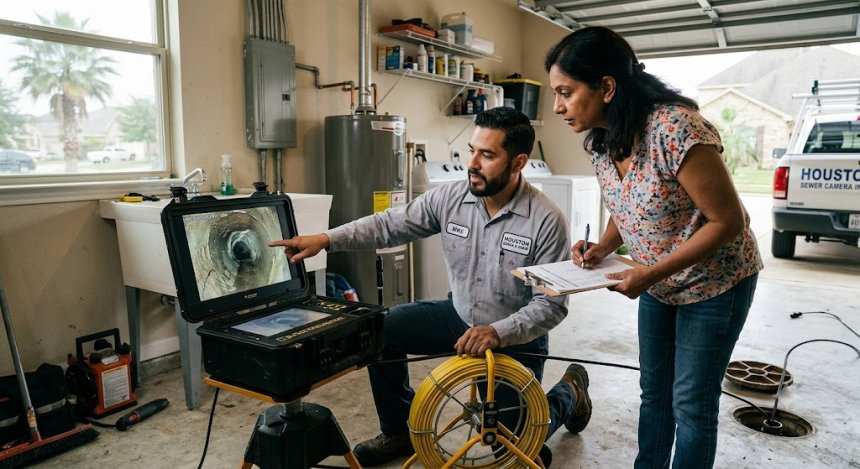
How Do Plumbers Find a Slab Leak?
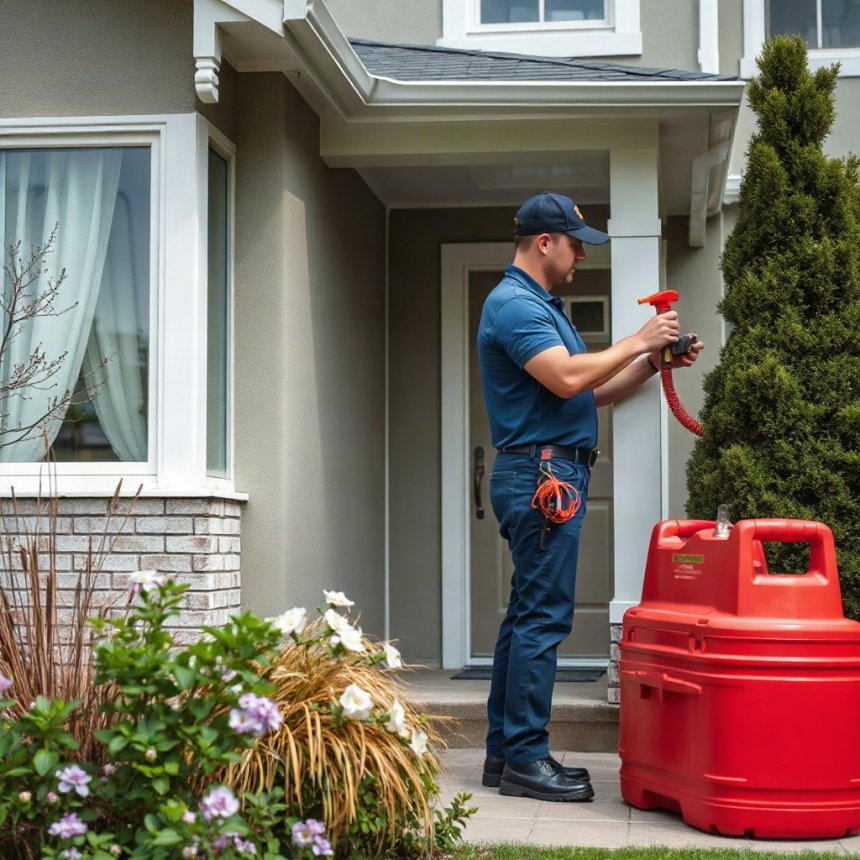
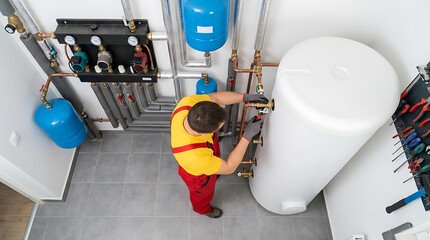
Professional leak detection generally starts by determining whether there is actually a leak and then narrowing down its location.
A plumber may:
Step 1: Inspect the Plumbing System
The technician looks for visible leaks, fixture problems, pressure issues, and other explanations.
Step 2: Check Water Usage
Water-meter observations and isolation testing can help determine whether water is escaping somewhere in the system.
Step 3: Test the Plumbing
Pressure testing or other diagnostic methods can help identify abnormal behavior in the plumbing system.
Step 4: Locate the Leak
Specialized electronic listening equipment and other detection technology may help pinpoint an underground leak without immediately removing large sections of flooring.
Step 5: Determine the Repair Strategy
Once the location and condition of the pipe are understood, the plumber can explain repair options.
The objective is to find the leak before opening the floor, rather than breaking concrete and hoping the problem is underneath that particular area.
What Are the Repair Options for a Slab Leak?
The appropriate repair depends on the pipe's location, material, accessibility, condition, and the overall plumbing system.
Possible approaches may include:
- Localized pipe repair
- Replacement of a damaged section
- Rerouting a plumbing line
- Repairing a connection
- Replacing deteriorated piping
- Repiping portions of the home
- Repairing associated water or sewer lines
A localized repair may make sense when the problem is isolated and the remaining plumbing is in good condition.
If multiple sections of an older plumbing system are failing, however, repeatedly repairing individual leaks may not be the most practical long-term strategy.
A qualified plumber should explain the reasoning behind the recommended option rather than simply recommending the most expensive solution.
How Long Does Slab Leak Repair Take?
There is no universal repair time.
A straightforward leak that is accurately located and easily accessed may be resolved relatively quickly.
More complicated jobs can take longer because they may involve:
- Difficult pipe access
- Concrete removal
- Flooring removal
- Multiple leaking sections
- Extensive pipe deterioration
- Water damage
- Rerouting
- Repiping
- Restoration after plumbing work
Emergency stabilization may happen first, while permanent repairs and restoration are completed afterward.
How Much Does Slab Leak Repair Cost?
Slab leak repair costs vary significantly, so homeowners should be cautious of anyone offering a guaranteed price without inspecting the property.
Important cost factors include:
- Leak detection
- Location of the leak
- Pipe material
- Repair method
- Accessibility
- Concrete removal
- Flooring removal and replacement
- Labor
- Water damage
- Number of leaks
- Rerouting requirements
- Repiping requirements
- Required permits, when applicable
A small accessible repair can be very different from a complicated leak requiring extensive access or rerouting.
Ask for a clear explanation of what is included in the estimate before authorizing major work.
Hidden Truths Homeowners Should Know About Slab Leaks
A Small Leak Can Waste a Lot of Water
A leak does not need to create a visible puddle to waste water continuously.
The Wet Spot May Not Be Above the Leak
Water can travel through soil and construction materials. The visible moisture may appear some distance from the actual pipe failure.
A High Water Bill Is a Clue, Not a Diagnosis
A rising bill can result from toilets, irrigation, faucets, appliances, or other leaks.
Warm Flooring Is Particularly Useful for Hot-Water Leaks
A warm spot is a meaningful clue when combined with other symptoms.
Concrete Should Not Be Broken Without a Plan
Professional detection can reduce unnecessary demolition.
Repeated Repairs May Signal a Larger Plumbing Problem
If several leaks occur over time, have the overall system evaluated rather than treating every leak as an unrelated event.
15 Common Mistakes Homeowners Make
- Ignoring a steadily increasing water bill.
- Assuming every leak will eventually become visible.
- Ignoring warm flooring.
- Continuing to use water despite an obvious major leak.
- Breaking concrete without knowing the leak location.
- Assuming a damp floor is always a flooring problem.
- Blaming every crack on foundation movement.
- Ignoring low water pressure.
- Using temporary sealants on inaccessible plumbing.
- Hiring an unqualified person for specialized plumbing work.
- Choosing a repair method based only on the lowest quote.
- Failing to ask what caused the pipe to fail.
- Ignoring repeated plumbing leaks.
- Delaying professional inspection because there is no standing water.
- Replacing flooring before identifying the moisture source.
Maintenance Tips for Meyerland Homeowners
You cannot prevent every plumbing failure, but you can improve your chances of catching problems early.
- Monitor your monthly water bills.
- Investigate unexplained increases.
- Know where your main water shutoff is located.
- Check your water meter occasionally when the home is not using water.
- Pay attention to warm floor spots.
- Listen for unexplained running-water sounds.
- Watch for damp flooring.
- Check under sinks and around plumbing fixtures.
- Monitor changes in water pressure.
- Address small visible leaks promptly.
- Keep plumbing access areas unobstructed.
- Have older plumbing systems professionally evaluated.
- Maintain appropriate household water pressure.
- Follow recommended plumbing maintenance schedules.
- Inspect outdoor areas near the foundation for unexplained moisture.
- Avoid ignoring recurring plumbing problems.
- Consider professional leak detection when symptoms persist.
- Take extra precautions during periods of unusual weather.
- Keep records of significant plumbing repairs.
- Ask a plumber whether repiping should be considered if multiple lines repeatedly fail.
When Is a Slab Leak an Emergency?
A suspected slab leak does not always mean you need emergency service in the middle of the night.
However, urgent plumbing assistance is appropriate when you have:
- Rapid water loss
- Significant indoor flooding
- A major active leak
- Water entering electrical areas
- Severe loss of water pressure
- Extensive water damage
- A suspected broken water line
- Water accumulating around the foundation
- A leak that cannot be controlled with the available shutoff
If water is approaching electrical equipment, prioritize personal safety and avoid entering unsafe areas.
Frequently Asked Questions About Slab Leaks
What is the first sign of a slab leak?
There is no single first sign for every home. An unexplained increase in water usage, warm flooring, running-water sounds, or low pressure can be among the earliest clues.
Can a high water bill indicate a slab leak?
Yes, but a high bill does not identify the leak's location. Toilets, irrigation systems, faucets, appliances, and underground lines can all increase water consumption.
How can I tell if my water meter indicates a leak?
Turn off water use throughout the property and observe the meter. Continued movement suggests water is flowing somewhere, although additional testing is required to locate the source.
Can a slab leak cause low water pressure?
It can, particularly when the leak is significant, but low pressure has many other possible causes. A professional diagnosis is necessary.
Why is one area of my floor warm?
A warm area may result from several causes. If hot-water plumbing runs beneath that section of the slab, a hot-water leak is one possibility worth investigating.
Can a slab leak damage the foundation?
Persistent water beneath or around a foundation can contribute to soil and structural problems in some circumstances. However, the severity depends on the leak, soil conditions, duration, and construction.
Can a slab leak cause mold?
Persistent moisture can contribute to damp conditions where mold or mildew may develop. The moisture source should be corrected rather than simply treating the visible symptom.
Do slab leaks always require breaking concrete?
No. The repair method depends on the location and condition of the pipe. Professional detection may allow the plumber to identify the leak before determining how much access is required.
Is slab leak detection worth it?
When a hidden leak is suspected, accurate detection can help identify the source and avoid unnecessary demolition or repairs in the wrong location.
Should I repair or reroute a slab pipe?
That depends on the pipe's condition, accessibility, location, repair history, and overall plumbing system. A professional should explain why one option is more appropriate for the property.
Can a slab leak be prevented?
Not every slab leak can be prevented. However, monitoring water usage, maintaining appropriate pressure, addressing plumbing problems early, and having aging systems evaluated can help reduce risks and identify problems sooner.
Why Choose a Qualified Houston Plumbing Professional?
A slab leak is not a good problem for guesswork.
The most important part of the process is identifying whether you actually have an under-slab leak, locating the affected pipe, and selecting a repair strategy appropriate for your home's plumbing system.
When choosing a plumbing company serving Meyerland and the greater Houston area, look for:
- Appropriate licensing and qualifications
- Experience with leak detection
- Clear diagnostic explanations
- Written or clearly communicated estimates
- Appropriate modern detection equipment
- Experience with slab and foundation plumbing
- Transparent repair recommendations
- Emergency assistance when available
- Clear warranty information when applicable
- Good communication throughout the project
Do not be afraid to ask: Where is the leak? What caused it? What repair options are available? Why are you recommending this particular repair?
Those answers can help you make a better decision.
Call for Slab Leak Detection in Meyerland, Houston
A slab leak rarely announces itself with a dramatic burst of water. More often, homeowners notice small changes first: a rising water bill, warm flooring, low pressure, unexplained moisture, or the sound of water running when everything is turned off.
If you are experiencing these warning signs in Meyerland, Houston, Harris County, or nearby Houston communities, don't ignore them.
For plumbing assistance, leak investigation, or an estimate, contact Emergency Plumbing in Houston Heights at 844-833-2093.
The sooner the source of a suspected hidden leak is identified, the sooner you can make an informed decision about repair and reduce unnecessary water loss or property damage.
Call 844-833-2093 to discuss a suspected slab leak and schedule professional plumbing assistance.