What Causes Sewer Backups in Houston, TX Homes?
Learn what causes sewer backups in Houston, TX homes, including tree roots, clogged pipes, heavy rain, warning signs, prevention tips, and repair options.
What Causes Sewer Backups in Houston, TX Homes?
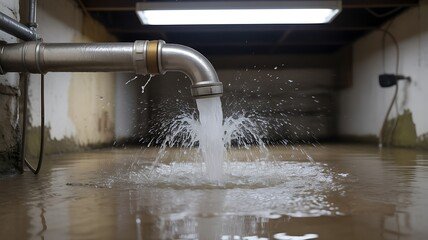
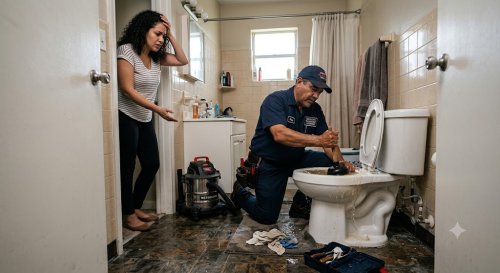
Sewer backups are among the most unpleasant and potentially damaging plumbing problems a Houston homeowner can experience. A sewer backup occurs when wastewater cannot properly flow through the home's drain or sewer line and begins returning through toilets, sinks, floor drains, tubs, or other fixtures.
Houston properties can face several conditions that contribute to sewer problems, including aging sewer lines, heavy rainfall, tree roots, grease buildup, clogged pipes, damaged underground lines, and improper disposal of waste.
A sewer backup should never be ignored. Besides causing property damage, sewage can contain harmful contaminants and create serious sanitation concerns. If wastewater is entering your home, avoid contact with it, keep children and pets away from the affected area, and contact a qualified plumbing professional.
What Is a Sewer Backup?
A sewer backup happens when wastewater flowing away from a property becomes blocked or restricted.
Under normal conditions, wastewater travels through drainpipes into the home's sewer line and then continues toward the municipal sewer system or an appropriate private wastewater system.
When that pathway becomes obstructed, wastewater has nowhere to go. Pressure can cause it to move backward into the home.
Common places where sewage may appear include:
- Toilets
- Bathtubs
- Showers
- Floor drains
- Basement or lower-level drains
- Sinks
- Cleanouts
A backup affecting only one fixture may be caused by a localized drain blockage. When several fixtures back up simultaneously, the problem may involve a larger branch drain or main sewer line.
Why Do Sewer Backups Happen in Houston?
Clogged Sewer Lines
One of the most common causes is a blockage inside the sewer line.
Grease, paper products, debris, sludge, and other materials can accumulate inside the pipe and gradually restrict wastewater flow.
A partially blocked line may work normally for months before eventually becoming completely obstructed.
Tree Root Intrusion
Tree roots naturally seek water and can enter small cracks or joints in underground sewer pipes.
Once inside, roots can continue growing and trap additional debris.
Houston's mature landscaping and extensive tree coverage mean some properties can experience recurring root-related sewer problems.
If a sewer line repeatedly becomes clogged despite professional cleaning, root intrusion may be worth investigating.
Heavy Rainfall and Storm Events
Houston is known for periods of heavy rainfall and severe storms.
During intense rain events, municipal sewer systems and stormwater infrastructure can become heavily stressed.
Depending on local conditions and the property's plumbing configuration, excessive water entering the sewer system can contribute to backups.
Properties with damaged sewer lines, improper connections, or drainage problems may be particularly vulnerable.
Aging Sewer Pipes
Older sewer lines can deteriorate over time.
Possible problems include:
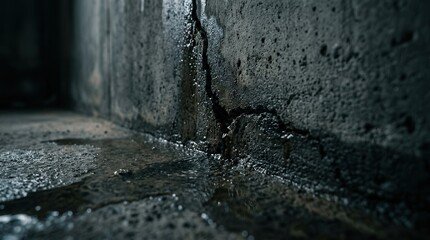
- Cracks
- Broken joints
- Corrosion
- Pipe deformation
- Collapsed sections
- Separation between pipe sections
An older sewer line may continue functioning until deterioration reaches a point where normal wastewater flow is severely restricted.
Grease and Cooking Oil
Pouring grease or cooking oil down a kitchen drain can create serious problems.
Although liquid grease may initially flow through the pipe, it can cool and stick to the interior walls.
Over time, repeated disposal can create a thick restriction that catches food particles and other debris.
Flushing the Wrong Materials
Toilets are designed primarily for human waste and toilet paper.
Items such as wipes, paper towels, feminine hygiene products, cotton products, and other materials can create blockages.
Even products marketed as flushable may cause problems depending on the plumbing system and local wastewater infrastructure.
Damaged or Collapsed Pipes
A severely damaged sewer pipe may stop wastewater from flowing properly.
A collapsed section can create a complete obstruction and usually requires professional repair rather than repeated drain cleaning.
What Are the Warning Signs of a Sewer Backup?
A sewer backup often provides warning signs before wastewater actually enters the home.
Watch for:
- Multiple slow drains
- Toilets backing up when sinks are used
- Gurgling toilets
- Sewage odors
- Water rising in a floor drain
- Repeated drain clogs
- Slow bathtub drainage
- Unexplained wet areas in the yard
- Sewage-colored water
- Frequent need for drain cleaning
One slow sink doesn't necessarily mean a sewer-line problem.
However, if several fixtures become slow at the same time, the main sewer line deserves attention.
Why Are Gurgling Drains a Warning Sign?
Gurgling sounds can occur when air becomes trapped or displaced because wastewater isn't flowing normally.
For example, if flushing the toilet causes a nearby sink or bathtub to gurgle, the problem may extend beyond the individual fixture.
Persistent gurgling should be investigated rather than ignored.
Can a Sewer Backup Cause Health Problems?
Yes.
Sewage can contain microorganisms and other contaminants that can create sanitation and health concerns.
If sewage enters the home:
- Keep people away from the affected area.
- Keep pets away.
- Avoid direct contact.
- Don't touch contaminated materials unnecessarily.
- Use appropriate protective measures.
- Contact qualified professionals for cleanup and plumbing repair.
Extensive sewage contamination may require specialized water-damage or biohazard cleanup services.
What Should You Do During a Sewer Backup?
If wastewater is actively backing up, take immediate precautions.
Step 1: Stop Using Water
Don't run sinks, showers, washing machines, or dishwashers if you suspect the main sewer line is blocked.
Additional water can increase the amount of wastewater entering the home.
Step 2: Keep Everyone Away
Keep children and pets away from contaminated areas.
Step 3: Avoid Contact With Sewage
Don't walk through sewage barefoot or handle contaminated materials without proper protection.
Step 4: Contact a Plumber
A professional can determine whether the blockage is inside the property or involves the main sewer line.
Step 5: Consider Professional Cleanup
If sewage has contaminated flooring, drywall, insulation, or other porous materials, specialized cleanup may be necessary.
How Do Plumbers Diagnose Sewer Backups?
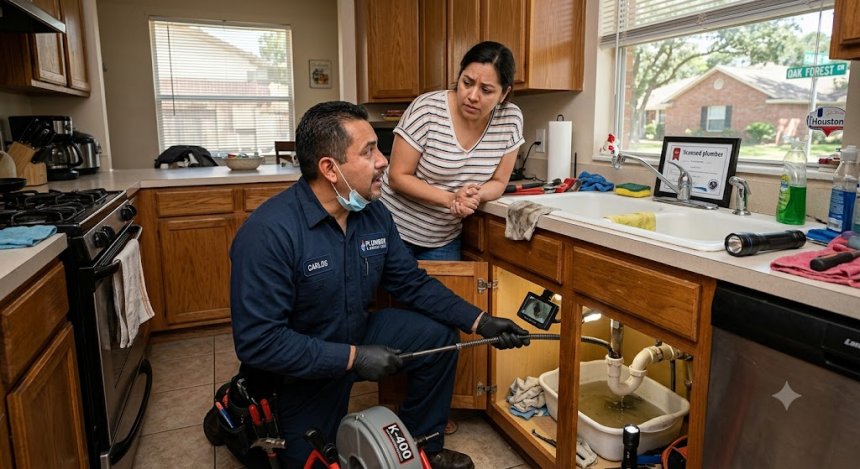
A professional plumber typically begins with an inspection of the affected fixtures and drainage system.
Depending on the situation, they may use:
Drain Cameras
A sewer inspection camera can travel through the pipe and provide visual information about:
- Root intrusion
- Cracks
- Blockages
- Pipe deterioration
- Collapsed sections
- Debris
Camera inspection can help identify the actual cause rather than relying on assumptions.
Sewer Line Locators
Electronic locating equipment can help determine where underground plumbing is positioned.
This can be useful when planning repairs or excavation.
Hydro Jetting
Hydro jetting uses high-pressure water to clean appropriate sewer and drain lines.
It can remove grease, sludge, and certain accumulated debris.
Hydro jetting isn't appropriate for every damaged pipe, so the condition of the line should be considered first.
Mechanical Drain Cleaning
Drain snakes or augers may be used to break through certain blockages.
The appropriate method depends on the location and nature of the obstruction.
Can You Fix a Sewer Backup Yourself?
A homeowner can take immediate steps such as stopping water use and protecting the property.
However, the underlying sewer problem often requires professional equipment and diagnosis.
Avoid repeatedly pouring chemical drain cleaners into a suspected sewer-line blockage. These products may not solve the underlying problem and can create additional hazards for people working on the plumbing later.
If tree roots, a collapsed pipe, or underground damage is involved, DIY repair is generally inappropriate.
How Long Does Sewer Backup Repair Take?
The timeline depends heavily on the cause.
A simple blockage may be resolved during a single service visit.
More complicated problems can take longer.
Examples include:
- Localized blockage: potentially a relatively short service
- Heavy root intrusion: additional cleaning and inspection may be required
- Damaged sewer pipe: repair planning may be necessary
- Collapsed sewer line: excavation or trenchless repair may be required
- Extensive sewage damage: plumbing and restoration work may occur separately
Access, permitting, underground utilities, property layout, and repair method can all affect the timeline.
How Much Does Sewer Backup Repair Cost in Houston?
There is no reliable fixed price for sewer backup repair.
The cost can vary based on:
- Cause of the backup
- Location of the blockage
- Sewer-line depth
- Pipe material
- Accessibility
- Labor
- Camera inspection
- Hydro jetting
- Root removal
- Excavation
- Trenchless repair
- Replacement materials
- Permits where applicable
- Property damage
- Emergency service
A professional inspection can help determine the scope before major repair work begins.
What Is the Difference Between a Drain Clog and a Sewer Backup?
A drain clog typically affects one fixture or a smaller branch of the plumbing system.
A sewer backup may affect several fixtures at once and can involve the main sewer line.
For example, if only your kitchen sink is slow, the problem may be localized.
If your toilet, bathtub, shower, and other drains begin backing up together, the main sewer line may be involved.
Can Houston Rain Cause Sewer Backups?
Heavy rainfall can contribute to sewer problems, particularly when wastewater infrastructure is under significant pressure.
The exact cause depends on the property and local sewer system.
A home's sewer backup following heavy rain could also be associated with:
- Damaged sewer pipes
- Root intrusion
- Improper connections
- Groundwater infiltration
- Existing blockages
- Overloaded drainage infrastructure
A plumber can help determine whether the problem is located on the private property side or may involve a municipal sewer system.
Hidden Truths Homeowners Should Know About Sewer Backups
A Small Clog Can Become a Major Backup
A partial obstruction may allow wastewater to flow temporarily. Eventually, the remaining opening can become completely blocked.
Repeated Drain Cleaning May Hide the Real Problem
If the same sewer line repeatedly backs up, simply clearing the blockage may not solve the underlying issue.
Tree Roots Usually Come Back
Root removal can restore flow, but if roots have entered through damaged joints or cracks, the underlying pipe condition should be evaluated.
A Camera Inspection Can Save Guesswork
Instead of repeatedly treating symptoms, a camera can help identify what's actually happening inside the pipe.
Sewage Cleanup Is Different From Ordinary Water Cleanup
Sewage contamination requires additional precautions because contaminated water can contain harmful microorganisms.
15 Common Mistakes Homeowners Make
- Ignoring repeated drain clogs.
- Flushing wipes.
- Pouring grease down the drain.
- Using excessive chemical drain cleaners.
- Continuing to use water during a backup.
- Ignoring gurgling toilets.
- Assuming one drain clog explains every plumbing problem.
- Delaying sewer-camera inspection.
- Ignoring recurring root intrusion.
- Attempting underground sewer repairs without professional equipment.
- Walking through sewage without proper protection.
- Cleaning contaminated materials without understanding sanitation risks.
- Hiring a contractor without checking licensing requirements.
- Choosing a repair method without identifying the actual cause.
- Waiting until sewage floods the home before calling a plumber.
How Can You Prevent Sewer Backups?
You can't prevent every sewer problem, but good maintenance can reduce the risk.
- Never pour grease or cooking oil down drains.
- Avoid flushing wipes and non-toilet-paper products.
- Dispose of household chemicals appropriately.
- Install drain screens where useful.
- Address recurring clogs promptly.
- Monitor slow drains.
- Pay attention to gurgling sounds.
- Have older sewer lines inspected when appropriate.
- Consider camera inspections for recurring problems.
- Address tree-root intrusion professionally.
- Maintain appropriate drainage around the property.
- Know where the sewer cleanout is located.
- Avoid planting large trees directly over sewer lines when planning landscaping.
- Don't ignore sewage odors.
- Schedule professional maintenance when recurring problems occur.
When Should You Call an Emergency Plumber?
A sewer backup should be treated as an urgent plumbing issue when sewage is actively entering your home.
Call promptly if:
- Multiple drains are backing up.
- Sewage is coming through a toilet.
- Wastewater is entering a bathtub.
- A floor drain is overflowing.
- You smell strong sewage odors.
- The main sewer line appears blocked.
- Wastewater is entering living areas.
- A sewer line appears collapsed.
- Heavy rain is causing wastewater to enter the property.
The sooner the source is identified and water use is stopped, the better the chance of limiting additional damage.