Backflow Plumber in Houston TX: Testing & Prevention Guide
Understand backflow prevention in Houston TX. Learn how testing, cross-connection control, and annual device inspections protect your drinking water.

Understanding Backflow and Cross-Connection Control in Houston
When clean municipal water enters a property, it is expected to flow in one direction: forward, out of the tap or fixture. Backflow happens when that intended direction reverses, pulling potentially contaminated water from a private irrigation system, commercial boiler, or industrial setup back into the public drinking water supply. A backflow plumber in Houston TX specializes in installing, testing, repairing, and certifying the mechanical assemblies designed to prevent this dangerous reversal.
In a sprawling metropolitan environment like Houston, protecting the municipal water supply is a major priority. Local water purveyors enforce strict cross-connection control regulations, particularly for commercial facilities, multi-family residential buildings, and properties equipped with in-ground lawn irrigation systems or swimming pools. Understanding how these assemblies work, why they fail, and what maintenance they require helps property owners stay compliant and keep their water safe.
How Backflow Occurs: Backpressure vs. Backsiphonage
To understand why backflow prevention assemblies are mandatory on certain water lines, you must look at the two primary hydraulic forces that cause water to reverse direction:
- Backsiphonage: This occurs when a sudden drop in pressure happens within the municipal water mains. This pressure loss can be caused by a water main break, heavy firefighting demand in the neighborhood, or a scheduled system shutdown. The negative pressure acts like a straw, pulling water backward from private plumbing fixtures and irrigation lines into the clean water supply.
- Backpressure: This happens when downstream pressure exceeds the supply pressure of the incoming municipal water. It typically occurs in commercial or industrial settings where pumps, boilers, or elevated chemical feed systems push pressure higher than the incoming city water pressure. Without a functioning check valve, contaminants are forced backward into the clean water pipes.
Common Locations Requiring Backflow Prevention Assemblies
Not every plumbing connection requires a high-level mechanical backflow assembly, but high-risk cross-connections do. In Houston properties, these devices are commonly found at:
- In-ground lawn irrigation and sprinkler systems.
- Commercial boiler and HVAC chiller systems.
- Properties with auxiliary water sources, such as private water wells.
- Restaurants, commercial kitchens, and food processing facilities.
- Medical, dental, and veterinary offices.
- Car washes and commercial laundry facilities.
- Swimming pools and decorative water features with direct fill lines.
Types of Backflow Assemblies Handled by Plumbers
Different cross-connection hazards require different types of mechanical assemblies. A certified backflow professional must select, install, and test the correct device based on the specific degree of hazard.
| Assembly Type | Primary Application | Key Characteristic |
|---|---|---|
| Pressure Vacuum Breaker (PVB) | Irrigation systems, outdoor supply lines | Protects against backsiphonage only; must be installed above ground and higher than all downstream piping. |
| Double Check Valve Assembly (DCVA) | Fire sprinkler lines, non-health hazard systems | Contains two independent check valves; used where contaminants are aesthetically unpleasant rather than toxic. |
| Reduced Pressure Principle Assembly (RPz) | High-hazard commercial, chemical lines, medical facilities | Provides the highest level of protection with a differential pressure relief valve between two spring-loaded check valves. |
The Importance of Annual Backflow Testing in Houston
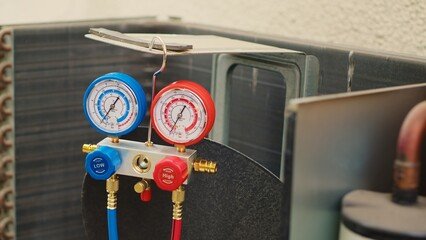
Mechanical backflow assemblies rely on internal springs, rubber seals, and check valves that wear down, collect mineral scale, or trap debris over time. Because these internal components degrade, municipal authorities in the Houston area require annual testing for most commercial and high-risk residential devices. A certified backflow tester uses specialized differential pressure gauges to measure whether the check valves and relief valves are holding the required pressure tolerances.
If an assembly fails its annual test, it means the internal seals are leaking or the springs have lost their tension. Operating with a failed assembly leaves the property vulnerable to contamination and can result in municipal water service shutoff or administrative fines if compliance paperwork is not submitted on schedule.
What Safe Homeowner Checks Can Involve
While testing, repairing, and certifying backflow assemblies legally and technically require specialized state-certified licenses and calibration equipment, property owners can perform safe visual monitoring:
- Inspect for External Leaks: Look at the assembly body for dripping water, active spraying, or constant trickling from the relief valve port.
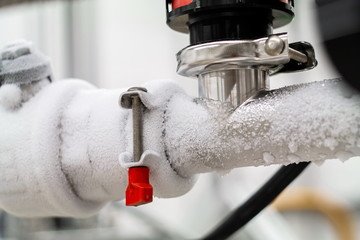
- Check Insulation Status: In the Houston climate, extreme winter freezes are rare but severe. Exposed above-ground pipes and backflow preventers must be properly insulated during freezing weather to prevent metal cracking or body splitting.
- Monitor Environmental Clearance: Ensure that landscape mulch, soil, or stored items do not bury or crowd the assembly, as testers require clear physical access around all test cocks.
Property owners should never attempt to disassemble, adjust, or repair a backflow prevention device themselves. Doing so can misalign internal check valves, compromise water safety, and violate local plumbing codes.
Factors That Affect Backflow Repair and Testing Costs
When hiring a backflow plumber in Houston TX for testing or repair, pricing varies based on several distinct variables rather than a flat, universal fee:
- Device Type and Size: Smaller 3/4-inch residential irrigation assemblies take less time to test than complex 3-inch commercial RPz assemblies servicing a large building.
- Accessibility: Assemblies located in deep below-grade vaults, tight indoor utility rooms, or elevated platforms require extra time and specialized safety steps to access.
- Repair Complexity: If a device fails its annual test, the cost depends on whether the issue requires a simple internal rubber kit replacement or a complete mechanical overhaul due to scale buildup or physical damage.
- Filing and Compliance Fees: Many municipal water districts in the Houston area require electronic submission of test reports, which may be bundled into the service cost.
- Emergency Scheduling: Urgent callouts for failed devices causing active flooding or immediate municipal compliance deadlines involve different labor scheduling than routine annual testing windows.
Questions to Ask Before Approving Backflow Work
Before authorizing a plumbing contractor to perform backflow services on your property, ask these essential questions:
- Are you certified by the state or local regulatory body as a licensed Backflow Prevention Assembly Tester (BPAT)?
- Does your quote include the official municipal test report submission and filing fee?
- If the device fails its annual test, what are your rates for internal seal replacement versus complete assembly replacement?
- Is the assembly properly sized for the current flow rate of the irrigation or commercial system, or does it show signs of historic pressure restriction?
Frequently Asked Questions
Can I test my own backflow preventer if I buy a pressure gauge?
No. Municipalities require backflow testing to be performed by a certified Backflow Prevention Assembly Tester (BPAT) using calibrated, certified gauges. Self-tested or uncertified reports are rejected by local water authorities.
Why is water constantly dripping from the relief valve on my RPz assembly?
Constant or intermittent water discharge from an RPz relief valve typically indicates that a check valve is fouled by debris, mineral scale is stuck on the rubber seat, or there is a fluctuation in supply pressure causing the differential valve to dump water. A certified plumber must inspect and clean the internal components.
Do residential lawn sprinkler systems require backflow prevention in Houston?
Yes. Any in-ground irrigation system connected to a potable water supply creates a cross-connection risk due to fertilizers, pesticides, and stagnant water in the yard. Local code typically mandates an approved testable backflow assembly on these lines.
How long do backflow prevention assemblies last?
With proper annual testing and maintenance, a brass or bronze backflow assembly can last for many years. However, internal rubber seals, O-rings, and check discs generally need replacement every 5 to 10 years depending on water chemistry and mineral content.
What happens if I miss the annual backflow test deadline?
If you fail to submit your annual backflow test report to the local water purveyor by the required due date, the municipality may issue notices, apply financial penalties, or eventually shut off water service to the property until compliance is restored.