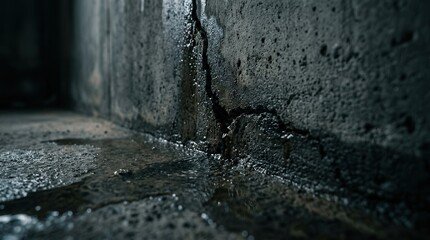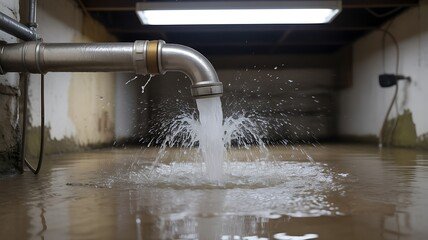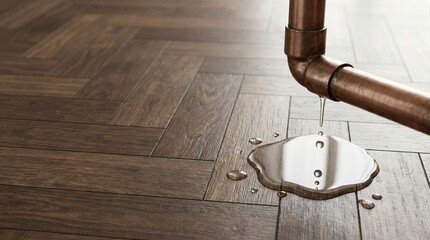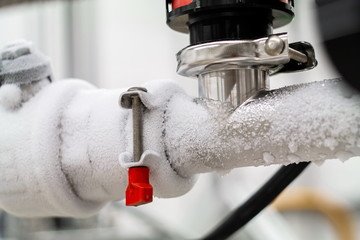
Critical Warning Signs: When Your Home is Sounding the Alarm
Plumbing issues rarely start as sudden catastrophies. In most cases, your plumbing infrastructure drops subtle hints long before a pipe bursts or a main drain completely backs up. Recognizing these early warning signs can save you thousands of dollars in structural restoration and water damage remediation.
Auditory Clues You Shouldn't Ignore
-
Gurgling Drains: If your toilet bubbles when the bathroom sink runs, or your shower drain gurgles during a washing machine cycle, air is trapped in your lines due to a developing mainline clog or a blocked plumbing vent stack.
-
Water Hammering: A loud banging or thumping sound inside the walls when a faucet shuts off indicates high water pressure or loose pipe strapping, which stresses joints over time.
-
Whistling or Hissing Pipes: Often a sign of excessive water pressure forcing its way through restricted valve openings or a failing Pressure Reducing Valve (PRV).
-
Ghost Flushing: If your toilet refilling mechanism cycles on briefly without anyone using it, water is leaking silently from the tank into the bowl via a degraded flapper.
Visual and Sensory Indicators
-
Unexplained Meter Spikes: If your municipal water bill surges while household water usage remains constant, you likely have an underground or hidden slab leak.
-
Damp Spots and Discoloration: Bubbling paint, warped baseboards, or yellow rings on ceilings point to active pinhole leaks behind drywall.
-
Musty Odors and Sewer Gas: A persistent damp smell indicates hidden moisture harboring mold behind walls, while a rotten egg odor signals sewer line cracks allowing toxic sewer gas into living spaces.
Ignoring these early signs transforms minor fixes into major structural overhauls. Moisture left unchecked damages wooden framing, degrades drywall, and creates an ideal environment for toxic mold growth within 24 to 48 hours.
+-------------------------------------------------------------------------------+
|                        THE HIDDEN CASCADE OF WATER LEAKS                       |
+-------------------------------------------------------------------------------+
|  Stage 1: Pinhole Leak / Silent Crack                                         |
|  --> Stage 2: Sub-floor Moisture Saturation & Baseboard Rot                   |
|  --> Stage 3: Mold Spore Proliferation (within 24-48 hours)                    |
|  --> Stage 4: Structural Wood Framing Degradation & Drywall Collapse          |
+-------------------------------------------------------------------------------+
DIY Reality Check: What You Can Safely Fix vs. When to Step Back
Working on your own plumbing can be satisfying, but knowing where basic homeowner maintenance ends and professional risk begins is vital for home safety and property value.
Safe Homeowner Actions
-
Replacing Faucet Aerators and Showerheads: Simple thread-on components that only require thread sealant tape and basic hand tools.
-
Unclogging Minor Surface Blockages: Clearing hair traps or using a standard cup plunger on isolated sink or toilet clogs.
-
Replacing Toilet Flappers: Swapping out worn rubber components inside the toilet tank to stop running water.
-
Exercising Water Shut-off Valves: Turning main and fixture shut-off valves twice a year to ensure they do not seize up during an emergency.
The Danger Zone: Hand Off to a Licensed Professional
-
Gas Line Fixtures and Water Heater Gas Connections: Working with fuel lines carries severe risks of gas leaks, explosion, and carbon monoxide poisoning.
-
Main Sewer Line Blockages: Using heavy-duty power augers without video camera diagnostics can fracture aged cast iron lines or snap cables inside pipes.
-
Slab Leaks and Underground Piping: Attempting to break concrete or excavate without line locating equipment leads to severed utility lines and severe structural weakening.
-
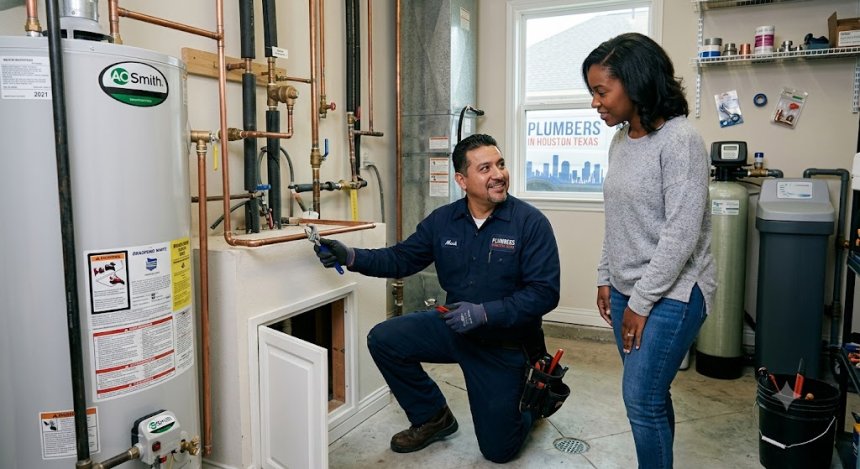
Water Heater Replacement: Involves electrical wiring, thermal expansion dynamics, gas venting, and strict local municipal permit requirements.
Dropping the wrench and calling a certified professional protects your home insurance coverage, as many policies deny claims caused by unpermitted or unlicensed plumbing work.
What Is Local Residential Plumbing? Decoding the Mechanism
At its core, a residential plumbing system is a dual-purpose fluid network designed to deliver clean, pressurized potable water and safely clear wastewater using gravity.
+------------------------------------------------------------------------------+
|                         RESIDENTIAL WATER SYSTEM FLOW                        |
+------------------------------------------------------------------------------+
| [Municipal Supply / Well] ---> High-Pressure Supply Network                  |
|                                       |                                      |
|                                       v                                      |
|                             [Pressure Regulator]                             |
|                                       |                                      |
|                   +-------------------+-------------------+                  |
|                   |                                       |                  |
|                   v                                       v                  |
|          Cold Water Fixtures                     Water Heater                |
|                   |                                       |                  |
|                   v                                       v                  |
|         Drainage Outlets (DWV)                   Hot Water Lines             |
|                   |                                       |                  |
|                   +-------------------+-------------------+                  |
|                                       |                                      |
|                                       v                                      |
|                       [Gravity Main Line / Sewer]                            |
+------------------------------------------------------------------------------+
-
Supply Side: Water enters your property under municipal pressure (typically between 40 to 80 PSI). It travels through copper, CPVC, or PEX supply lines to faucets, appliances, and fixtures.
-
Drain-Waste-Vent (DWV) Side: Once water leaves a fixture, pressure is no longer involved. The DWV system relies on precise pipe slope (typically $1/4$ inch drop per foot) and roof vent stacks to maintain neutral air pressure, allowing wastewater to slide smoothly into the municipal sewer line.
When a supply line fractures under pressure or a drain line loses its proper drop due to ground settling, the system fails, causing active leaks, low pressure, or sewage backups.
Introduction
Discovering water pooling under your kitchen sink, dealing with a cold shower first thing in the morning, or facing a backing-up drain creates immediate stress for any property owner. When your plumbing system fails, you need fast, accurate solutions from a trustworthy local expert. Hiring a qualified plumber in Houston TX ensures your home's water and drainage networks receive the precise care required to run reliably year-round.
Plumbing systems handle thousands of gallons of water under continuous pressure every month. Factors like changing water chemistry, soil movement, and natural age lead to unexpected leaks, clogged mainlines, and fixture failures. Addressing these issues quickly protects your property value, prevents structural wood rot, and halts mold growth before it starts.
Unique Expert Insights: Hard Truths Homeowners Learn Too Late
1. Liquid Chemical Drain Cleaners Cause Massive Pipe Corrosion
Chemical drain openers rely on harsh heat-generating reactions to dissolve blockages. While they may clear a minor hair clog, the chemicals sit inside standing water, softening PVC joints and eating away the bottoms of aging metal pipes.
2. Temporary Hose Bandages Void Insurance Claims
Rubber wraps, epoxy putty, and temporary pipe clamps are meant only for short-term emergency control while waiting for a plumber. Insurance adjusters often deny claims for water damage if an investigation reveals a temporary fix was left in place long-term.
3. "Flushable" Wipes Do Not Break Down
Despite manufacturer labels, pre-moistened wipes do not disintegrate like toilet paper. They snag on minor interior pipe roughness, combining with fats and grease to form stubborn blockages that require professional hydro-jetting to clear.
4. High Water Pressure Silently Destroys Appliances
Excessive water pressure over 80 PSI feels great in the shower, but it constantly stresses washing machine hoses, water heater tanks, and ice maker connections, leading to sudden pipe bursts.
5. Unlicensed Work Hurts Resale Value
Permits exist to enforce health and safety codes. When selling a property, home inspectors easily spot unpermitted DIY plumbing modifications, often requiring expensive drop-and-replace repairs before closing.
Emergency Protocol: When Immediate Dispatch is Non-Negotiable
Not every dripping tap requires a late-night service call, but certain severe events require immediate emergency plumbing isolation and expert dispatch:
                  IS IT A PLUMBING EMERGENCY?
                  ---------------------------
                               |
            +------------------+------------------+
            |                                     |
            v                                     v
         [ YES ]                               [ NO ]
    Immediate Shut-off                    Schedule During
    & Emergency Dispatch                  Standard Hours
            |                                     |
  +---------+---------+                 +---------+---------+
  |                   |                 |                   |
  v                   v                 v                   v
Catastrophic     Sewage Back-up       Dripping Faucet    Slow Drain
Burst Pipe       in Main Living Area   or Running Toilet   (Isolated)
-
Catastrophic Pipe Bursts: High-volume leaks flooding living areas require immediate main water valve shut-off and emergency service.
-
Raw Sewage Backups: Sewer water coming up through lower-level floor drains, showers, or toilets poses immediate health hazards and needs professional containment.
-
Total Potable Water Failure: Completely losing incoming municipal water isolates your home from basic sanitation and hygiene.
-
Gas Leak Odors Near Water Heaters: Natural gas smells require immediate evacuation, utility notification, and licensed emergency plumbing assistance.
Professional Diagnostic & Repair Workflow
Licensed plumbers use systematic workflows to accurately identify and fix plumbing issues without guesswork:
[Step 1: Non-Invasive Triage & Safety Isolation]
                      │
                      ▼
[Step 2: Precision Diagnostic & Digital Camera Inspection]
                      │
                      ▼
[Step 3: Transparent Options & Written Estimating]
                      │
                      ▼
[Step 4: Code-Compliant Remediation & Part Replacement]
                      │
                      ▼
[Step 5: Pressure Testing, Flow Verification, & Cleanup]
Step 1: Non-Invasive Triage & Safety Isolation
The technician inspects water cut-off valves, checks main pressure levels, and isolates the immediate failure zone to prevent ongoing property damage.
Step 2: Precision Diagnostic & Digital Camera Inspection
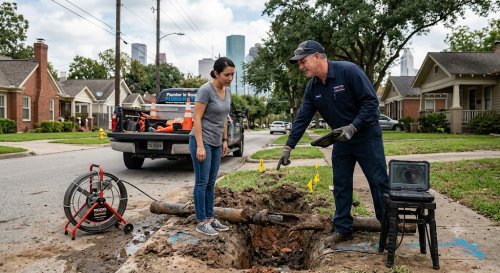
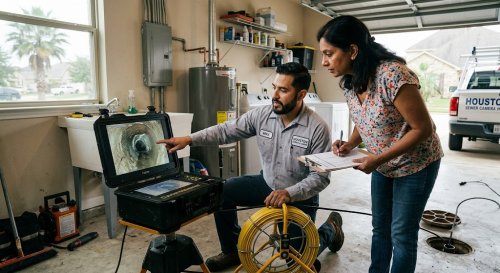
Technicians use specialized high-definition fiber-optic push-rod cameras and digital manometers to inspect the inside of lines and find hidden slab leaks without tearing up floors unnecessarily.
Step 3: Transparent Options & Written Estimating
Before work begins, you receive a clear, upfront estimate showing all costs, material choices, and repair options so you can make an informed choice.
Step 4: Code-Compliant Remediation & Part Replacement
Repairs are made according to local building codes using high-grade fittings, proper pipe supports, and durable materials like L-grade copper, schedule 40 PVC, or high-density PEX piping.
Step 5: Pressure Testing, Flow Verification, & Cleanup
After completing the repair, the plumber performs standing water pressure tests, clears air from supply lines, verifies drainage flow, and cleans up the work area.
Root Causes: Why Plumbing Issues Develop in Local Homes
Understanding why plumbing fails helps homeowners spot problems early and make smart preventative upgrades.
Aging Infrastructure & Legacy Materials
Homes built several decades ago often feature galvanized iron or cast iron pipes. Over time, galvanized lines corrode internally, restricting water flow and turning water rusty brown. Older cast iron sewer lines gradually develop rough interior scale, catch debris, and crack from external ground pressure.
High Water Hardness and Calcification
Elevated levels of dissolved minerals like calcium and magnesium leave scale deposits inside water heaters, fixtures, and supply pipes. This mineral buildup restricts water volume, damages valve seals, and shortens the service life of appliances by building up on heating elements.
Water Pressure Fluctuations
Spikes in municipal delivery pressure put stress on internal pipe fittings, copper solder joints, and flexible appliance connector hoses. Without a functional Pressure Reducing Valve (PRV), ongoing thermal expansion and pressure spikes lead to sudden pinhole leaks inside walls.
Soil Movement and Natural Ground Shifting
As soil expands and contracts with changing weather moisture levels, underground pipes experience bending stress. Ground shifting cracks rigid clay or cast iron main sewer lines, creating offset joints where tree roots can easily enter.
Advanced Diagnostics: The Professional Tool Arsenal
Modern plumbing uses advanced technology to find line breaks, blockages, and slab leaks accurately without invasive digging:
-
Electronic Acoustic Leak Detectors: High-sensitivity ground microphones amplify the precise sound frequencies of under-slab water leaks, letting plumbers pinpoint pinhole breaks beneath concrete foundations.
-
Fiber-Optic Sewer Camera Inspection Systems: Full-color, high-definition push-rod cameras record internal line conditions, identifying root intrusion, pipe bellies, broken fittings, and physical offsets.
-
High-Pressure Hydro-Jetting Units: Commercial-grade water jetting equipment uses pressures up to 4,000 PSI to strip grease, scale, and heavy root growth from line walls, fully restoring drain diameter.
-
Digital Manometers & Ultrasonic Pipe Locators: Precision digital testing equipment identifies micro-drops in system pressure, while locators map out underground pipe paths accurately before excavation begins.
Financial Breakdown: Cost Factors & Investment Realities
Every property features a unique layout, meaning repair costs vary based on accessibility, required materials, and project scope:
| Cost Factor | Low-End Impact | High-End Impact |
| Accessibility | Exposed basement/crawlspace pipes | Under-slab or inside finished tile walls |
| Primary Material | Standard Schedule 40 PVC / Basic PEX | Type L Copper / Commercial Grade Cast Iron |
| Diagnostic Need | Visual surface leak identification | Electronic acoustic mapping & video inspection |
| Permits & Testing | Simple fixture replacement (no permit) | Main line replacement requiring municipal inspections |
Investments in proper diagnostics and quality materials protect your property over time. Choosing durable materials like PEX-a or Type L copper prevents recurring repairs and provides long-term peace of mind.
Comprehensive Home Plumbing Maintenance Framework
Follow this structured seasonal framework to keep your plumbing system operating smoothly throughout the year:
Spring & Summer Protocol
-
Inspect all hose bibbs and outdoor spigots for freeze damage or body cracks.
-
Test sump pumps by pouring a bucket of water directly into the basin to confirm automatic float activation.
-
Check ground slope around main outdoor drain cleanout caps to make sure runoff drains away from your home.
-
Inspect irrigation supply lines and backflow preventer valves for winter damage.
Fall & Winter Protocol
-
Disconnect, drain, and store all outdoor garden hoses before winter weather sets in.
-
Insolate exposed water pipes in unconditioned garages, attics, or crawlspaces using foam pipe sleeves.
-
Flush your water heater tank to remove accumulated sediment and test the Temperature and Pressure (T&P) relief valve.
-
Close interior shut-off valves serving exterior hose spigots and open exterior taps to drain remaining water.
Year-Round Preventative Habits
-
Install removable mesh strainers over all shower, tub, and sink drains to catch hair and debris.
-
Check your main water pressure regulator valve annually to ensure household water pressure stays under 75 PSI.
-
Avoid pouring cooking fats, oils, and grease down sink drains; let them cool and throw them in the trash instead.
-
Avoid using chemical drain cleaners; clear slow lines using mechanical drain snakes or biological enzyme cleaners.
Frequently Asked Questions
How do I know if I have a hidden water leak inside my walls?
Signs include unexplained increases in your water bill, localized paint discoloration, peeling wallpaper, warped floorboards, a musty odor, or the sound of running water when all fixtures are turned off.
What should I do first if a pipe bursts in my home?
Locate and turn off your main water shut-off valve immediately to stop incoming water. Open cold water faucets to drain remaining system pressure, turn off power to affected areas if water is near electrical outlets, and call a licensed plumber right away.
Why does my drain clog repeatedly even after clearing it?
Recurring clogs usually mean the blockage is located deeper in your main sewer line, or that tree roots, broken pipe sections, or accumulated grease are restricting flow further down the line. A video camera inspection can pinpoint the exact cause.
What is the ideal water pressure for a residential home?
Standard residential water pressure should sit comfortably between 40 and 70 PSI. Pressure exceeding 80 PSI can damage appliance valves, loosen pipe joints, and cause water hammer.
How often should I drain and flush my water heater?
Standard tank water heaters should be flushed once a year to remove mineral sediment. Sediment buildup acts as an insulating barrier, reducing heating efficiency, causing noisy operation, and shortening the tank's lifespan.
Is hydro-jetting safe for older plumbing pipes?
When performed by a trained technician following a camera inspection, hydro-jetting is safe and effective. However, if lines are severely broken, collapsed, or made of thin orangeburg pipe, alternative repair methods are required.
What causes severe water hammer sounds in walls?
Water hammer happens when fast-flowing water stops suddenly, creating a shockwave inside the line. This is caused by failed air chambers, missing pipe straps, or high incoming water pressure.
Why does my water smell like rotten eggs?
A rotten egg smell usually comes from sulfur bacteria growing inside your water heater tank or within your drainage trap. If the smell only comes from hot water fixtures, servicing or flushing your water heater typically fixes the issue.