Introduction
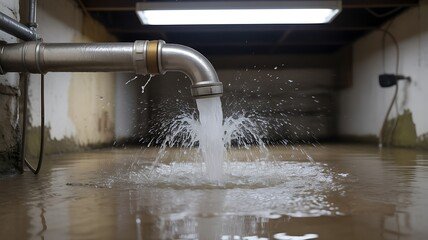
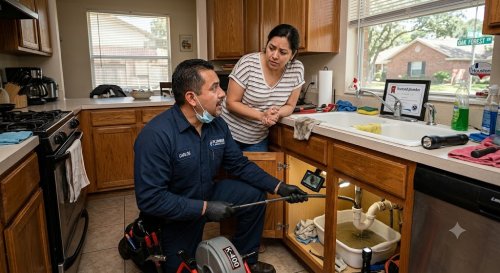
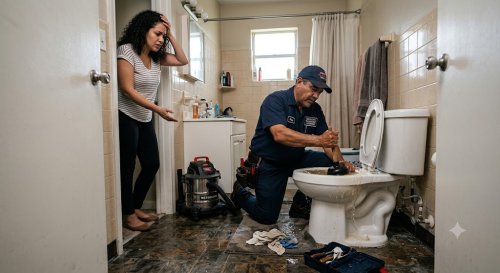
Nothing disrupts a household or business faster than water coming back up through a drain instead of going down. Whether it’s wastewater pooling around your feet in the shower, a slow-sinking kitchen sink filled with greasy water, or a toilet bubbling ominously every time the washing machine drains, drain backups cause instant stress.
If you are dealing with stubborn blockages, professional drain cleaning in Houston provides the permanent restoration your plumbing system needs to run smoothly.
In coastal Texas, our regional geography, severe weather patterns, and specific soil conditions make drainage issues a constant headache for property owners. From the heavy clay soil that contracts and expands during wet and dry cycles to aggressive tree root systems searching for water in hot weather, Houston drain lines face severe environmental strain. Prompt drain restoration prevents wastewater spills, structural damage, and costly emergency sewer repairs.
Critical Warning Signs: When Your Home Is Sounding the Alarm
Sewer and drain systems rarely fail without warning. Catching blockages early prevents localized overflows from escalating into complete main-line backups.
-
Slow Sinks and Tubs: Water that lingers in sinks, showers, or tubs indicates partial line restriction from grease, hair, or scale accumulation.
-
Gurgling Sounds: Auditory clues like bubbling or gurgling noises from toilets or sinks indicate trapped air pockets caused by a blockage further down the pipe.
-
Bad Sewer Odors: Foul smells of rot or sewer gas originating from floor drains or fixtures mean trapped debris is decomposing or a dry P-trap is letting gas vent back into your living space.
-
Multiple Clogged Fixtures: When flushing a toilet causes water to back up into a adjacent bathtub or floor drain, the obstruction is located in the main sewer lateral rather than a single branch line.
-
Frequent Fixture Backups: If plunging only offers a temporary fix and the clog returns within days, you are dealing with a deep obstruction or root intrusion that plunging cannot clear.
Advanced Diagnostics: The Professional Tool Arsenal
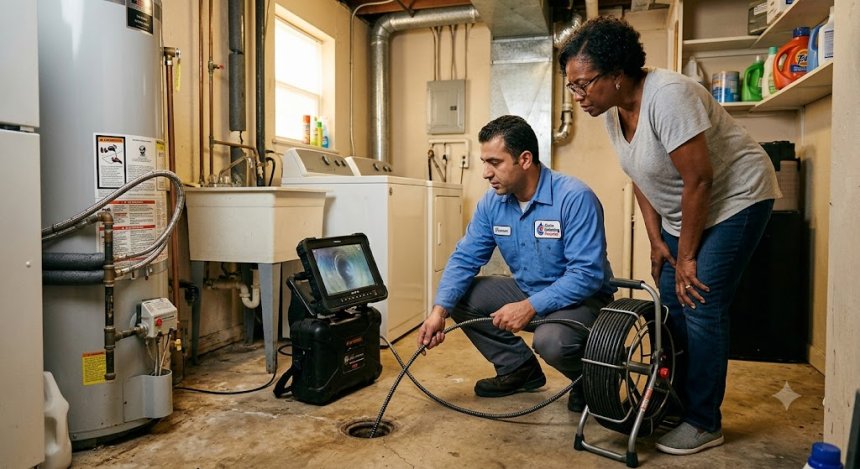
Modern drain line restoration relies on specialized diagnostic and cleaning machinery to clean lines safely without damaging pipes.
+------------------------------------+-----------------------------------------------------------------+
| Professional Tool                  | Primary Application & Operational Advantage                     |
+------------------------------------+-----------------------------------------------------------------+
| HD Push-Rod Sewer Cameras          | Visual confirmation of pipe integrity, root intrusion, & breaks |
| Continuous-Cable Drain Machines    | Mechanical cutting of dense hair, roots, and solid obstructions |
| High-Pressure Hydro-Jetters        | Scouring grease, sludge, and heavy scale off pipe walls (360°)  |
| Digital Pipe Locators              | Surface mapping of exact line depth and structural defects      |
+------------------------------------+-----------------------------------------------------------------+
What Is Professional Drain Cleaning? Decoding the Mechanism
Drain cleaning is more than pushing a manual snake through a pipe until water starts trickling through. A properly functioning drainage system relies on gravity, smooth interior pipe walls, and unimpeded pitch (slope) to carry wastewater and suspended solids out to the municipal main or private septic tank.
When a line becomes restricted by grease, hair, mineral scale, or invasive roots, fluid dynamics break down. Water velocity slows, allowing heavy solids to settle out of suspension and build up.
Professional drain cleaning restores the internal diameter of the pipe back to its original capacity using mechanical cutting or high-pressure water scouring.
       [ FREE-FLOWING PIPE ]                 [ RESTRICTED PIPE ]
   ============================         ============================
   ---- Wastewater Flow --->            ---> Water Slowed / Trapped
   ----------------------------         ----------------------------
       Smooth Pipe Wall                    Scale, Grease & Roots
   ============================         ============================
Root Causes: Why Drainage Failures Plague Houston Properties
Drain lines in Houston operate under challenging conditions due to local infrastructure age, water quality, and environmental factors:
-
Invasive Tree Root Intrusion: Fast-growing trees seek out moisture through microscopic stress cracks or loose joints in sewer piping, forming thick root masses inside the line.
-
Heavy Grease and FOG Accumulation: Cooking oils, fats, and grease (FOG) rinsed down kitchen sinks congeal on cold pipe walls, creating a sticky trap for food waste.
-
Aging Piping Materials: Historic and mid-century properties with cast iron or orangeburg pipes suffer from internal rusting, scale build-up, and wall collapse over time.
-
Expansive Soil Movement: Local soil movement causes pipe sagging (belly formation) where standing water collects and debris drops out of suspension.
-
Foreign Object Obstructions: Non-flushable items like wipes, hygiene products, paper towels, and excess soap scum create dense plugs in branch lines.
Professional Diagnostic & Repair Workflow
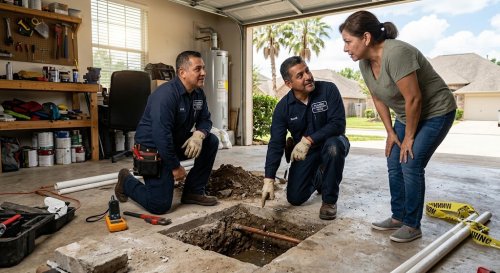
Licensed plumbers use a systematic workflow to locate, clear, and verify drain lines safely without risking pipe burst accidents.
Financial Breakdown: Cost Factors & Investment Realities
Drain cleaning costs vary based on several factors rather than a single flat fee:
-
Location of the Blockage: Clearing a simple branch line under a bathroom sink requires less time and gear than clearing a main sewer line buried deep underground.
-
Severity and Cause: Soft toilet paper clogs respond quickly to standard cable snaking, whereas heavy tree root masses or grease-caked lines require high-pressure hydro-jetting.
-
Cleanout Accessibility: Easy access via an existing exterior sewer cleanout keeps labor costs down. If a technician must pull a toilet or work from a roof vent, labor increases.
-
Pipe Condition and Age: Older cast iron pipes requiring scale removal (descaling) demand specialized high-speed chain knockers and extra care to avoid cracking aged pipe walls.
DIY Reality Check: Safe Fixes vs. Professional Intervention
Safe Homeowner Actions
-
Clearing surface hair debris from sink pop-up stoppers and shower strainers.
-
Using a standard flange plunger on toilets or a cup plunger on simple sink clogs.
-
Pouring hot water and mild dish soap down kitchen drains to help dissolve light grease buildup.
High-Risk DIY Mistakes
-
Chemical Drain Cleaners: Caustic store-bought chemical openers generate intense heat that can warp PVC pipes, corrode old cast iron, and burn plumbers if the line remains clogged.
-
Over-Sized Rental Snakes: Operating powerful rental drain augers without proper training can result in twisted cables, hand injuries, or cracked drain lines buried under concrete slabs.
-
Forcing P-Traps: Over-tightening plastic slip-nuts under sinks often strips threads, leading to hidden leaks behind cabinets.
Unique Expert Insights: Hard Truths Homeowners Learn Too Late
-
Flushable Wipes Are Not Flushable: Despite label claims, disposable wipes do not break down like toilet paper. They snag on tiny pipe imperfections and form massive obstructions.
-
Chemical Cleaners Ruin Plumbing: Liquid drain openers sit in static pools when a pipe is fully blocked, slowly dissolving the pipe material from the inside out.
-
Plunging A Main Backup Makes It Worse: Plunging a lower fixture when the main sewer line is blocked can force raw sewage to back up into adjacent shower basins and floor drains.
-
Cleanout Access Saves Money: Installing an easily accessible exterior dual-sweep cleanout reduces emergency dispatch times and future line maintenance costs.
-
Routine Hydro-Jetting Prevents Emergency Calls: Commercial kitchens and heavy-use residential systems benefit from preventive line scouring every 18 to 24 months, avoiding midnight back-ups.
Comprehensive Plumbing Maintenance Framework
Keeping your drainage system flowing smoothly requires consistent, preventative care throughout the year:
-
Kitchen Sink Habits: Never pour fats, oils, or pan drippings down the drain. Collect grease in a tin can and discard it in the trash once cooled.
-
Bathroom Strainer Usage: Install mesh drain catchers in every shower and tub to catch hair before it enters the drain arm.
-
Garbage Disposal Care: Run cold water for 15 seconds before and after grinding food scraps, and avoid feeding fiber-rich waste (celery, corn husks, potato peels) into the unit.
-
Monthly Biological Treatments: Use enzyme-based drain cleaners monthly to break down organic buildup on pipe walls without harsh chemicals.
-
Seasonal Hose Bib & Line Audits: Inspect exterior cleanouts, ensure caps are tightly sealed, and check that outdoor drainage paths direct runoff away from sewer cleanout points.
-
Routine Water Heater Flushing: Flush sediment out of your water heater annually to keep mineral scale out of adjacent drainage lines.
Emergency Protocol: When Immediate Dispatch Is Non-Negotiable
Some drainage problems cannot wait for normal business hours. Call for immediate emergency service if you notice:
-
Raw sewage backing up into bathtubs, showers, or floor drains.
-
Multiple plumbing fixtures overflowing simultaneously.
-
Significant leaks or water pooled near electrical panels or main appliances.
-
Uncontrolled flooding originating from a main drain cleanout or sewer vent.
Frequently Asked Questions
What is the difference between drain snaking and hydro-jetting?
Snaking uses a rotating flexible steel cable with a cutting blade to puncture a hole through a blockage to restore flow. Hydro-jetting uses high-pressure water (up to 4,000 PSI) to scour line walls clean, removing grease, sludge, and tree roots completely.
Why do my drains gurgle when I run the washing machine?
Gurgling sounds indicate poor line venting or a partial obstruction in the main sewer line. As water drains rapidly from the washing machine, it pushes air through the restricted pipe, pulling air through adjacent fixture traps.
How often should I have my main sewer line cleaned?
For older properties with mature trees nearby, preventative main line cleaning or video camera inspection is recommended every 18 to 24 months. Newer homes with PVC piping generally require service only when slow drainage appears.
Can tree roots ruin my sewer line completely?
Yes. Left unaddressed, tree roots break pipe joints apart, cause structural pipe collapse, and allow dirt to fill the pipe, requiring complete trenchless or open-trench sewer line replacement.
Why does my kitchen drain smell like rotten food?
Food debris, fats, and soap scum accumulate inside the P-trap and garbage disposal splash guard. Cleaning the disposal baffle and flushing the line with warm water and baking soda usually eliminates odor-causing bacteria.
Why Local Property Owners Choose Drain Cleaning in Houston
When drainage issues stall your household routines or commercial operations, you need a responsive team equipped with state-of-the-art tools and field expertise.
-
Licensed & Insured Plumbing Professionals: Every technician undergoes rigorous training, background checks, and safety certifications.
-
Upfront Flat-Rate Pricing: Clear quotes provided after visual inspection—no hidden fees, unexpected overtime charges, or deceptive sales tactics.
-
Advanced Equipment: High-definition video inspection, heavy-duty cable cutters, and commercial hydro-jetters deliver long-lasting fixes.
-
Local Expertise: Deep knowledge of regional piping systems, soil conditions, and plumbing codes across local neighborhoods.
-
Guaranteed Workmanship: Backed by industry-leading warranties to ensure your lines stay clear long after the job is finished.