What Should You Do If a Pipe Bursts During the Arizona Heat?
Learn what to do when a pipe bursts during Arizona heat, including emergency steps, common causes, repair costs, prevention tips, and when to call a plumber.
What Should You Do If a Pipe Bursts During the Arizona Heat?
A burst pipe is a serious plumbing problem in any climate, but Arizona's extreme summer heat can create additional challenges. While freezing temperatures are a well-known cause of burst pipes in colder regions, Arizona homes can experience pipe failures because of extreme heat, aging plumbing, high water pressure, deteriorated materials, and sudden changes in water pressure or temperature.
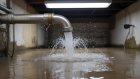
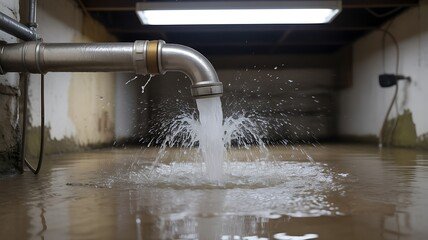
When a pipe bursts, the priority is to stop the water, protect the property, and arrange professional repairs as quickly as possible. Even a short delay can allow water to damage drywall, flooring, cabinets, insulation, electrical components, and other parts of the home.
What Causes Pipes to Burst During Arizona Heat?
Extreme heat does not usually cause pipes to burst in exactly the same way freezing water does. Instead, hot Arizona conditions can contribute to plumbing stress and expose weaknesses that have developed over time.
Common causes include:
Aging Pipes
Older pipes can become brittle, corroded, or weakened.
Materials such as older galvanized steel, copper, or certain plastic piping systems can deteriorate depending on installation conditions, water chemistry, and age.
A pipe that has been weakening for years may eventually fail during a period of extreme heat.
High Water Pressure
Excessive water pressure places stress on pipes, fittings, valves, and appliances.
High pressure can contribute to:
- Leaking joints
- Failed fittings
- Burst supply lines
- Faucet damage
- Water-heater problems
A plumber can test household water pressure and determine whether it is within an appropriate range.
Extreme Temperature Conditions
Arizona summer temperatures can become exceptionally high, especially around Phoenix and other desert communities.
Outdoor plumbing, pipes in garages, attic spaces, exterior walls, and poorly insulated areas may experience significant temperature changes.
Repeated expansion and contraction can place stress on some plumbing components.
Corrosion
Corrosion can gradually weaken pipes from the inside.
A pipe may appear acceptable from the outside while developing internal deterioration.
Poor Installation
Incorrect pipe connections, inadequate supports, incompatible materials, or improper installation can increase the risk of premature failure.
What Should You Do Immediately When a Pipe Bursts?
If you discover a burst pipe, act quickly.
Step 1: Shut Off the Main Water Supply
Locate your home's main water shutoff valve and turn it off if you can safely access it.
This is the most important step because it stops additional water from entering the plumbing system.
Every homeowner should know where the main shutoff valve is located before an emergency occurs.
Step 2: Turn Off Electricity if Necessary
If water has reached electrical outlets, appliances, wiring, or electrical panels, do not touch wet electrical equipment.
If it is safe to do so, have the appropriate electrical supply shut off. Otherwise, leave the area and contact a qualified professional.
Water and electricity can create a serious shock hazard.
Step 3: Open Faucets
After the main supply is shut off, opening appropriate faucets can help relieve remaining pressure in the plumbing system.
Use caution because water may still be present in the pipes.
Step 4: Move Valuables
Move furniture, electronics, documents, and other belongings away from the affected area if it is safe.
Protect flooring and furnishings from additional water exposure.
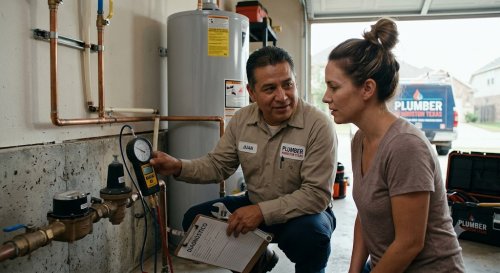
Step 5: Contact an Emergency Plumber
A burst pipe generally requires professional repair.
A plumber can identify the failure point, determine why the pipe burst, and replace or repair the damaged section.
Step 6: Document the Damage
Take photographs and videos of the affected areas before major cleanup if it is safe to do so.
This documentation may be useful when communicating with your insurance company or property manager.
Where Do Pipes Commonly Burst in Arizona Homes?
Burst or failed pipes can occur in many locations, including:
- Attics
- Garages
- Exterior walls
- Crawl spaces
- Kitchens
- Bathrooms
- Laundry rooms
- Water heater connections
- Outdoor water lines
- Underground service lines
- Irrigation systems
In desert climates, outdoor plumbing and irrigation systems deserve particular attention because they are exposed to extreme environmental conditions.
Can Arizona Heat Really Burst a Pipe?
Extreme heat is not usually the direct mechanism that bursts a water-filled pipe in the same way freezing water does.
However, high temperatures can contribute to thermal expansion, material deterioration, pressure-related stress, and failure of already weakened plumbing components.
Heat can also affect flexible supply lines, exposed outdoor plumbing, irrigation components, and seals.
If a pipe fails during extreme heat, a professional should determine the actual cause rather than assuming temperature alone was responsible.
Signs a Pipe May Be About to Fail
A pipe doesn't always burst without warning.
Watch for:
- Damp walls
- Water stains
- Ceiling discoloration
- Unexplained puddles
- Low water pressure
- Sudden pressure changes
- Corrosion
- Rust-colored water
- Repeated small leaks
- Bulging drywall
- Unusual plumbing noises
- Higher water bills
- Wet areas around outdoor pipes
A small leak can be an early warning of a larger plumbing failure.
Can You Repair a Burst Pipe Yourself?
A homeowner may be able to shut off the water and perform temporary containment, but permanent pipe repairs are generally better handled by a qualified plumber.
Professional repair may require:
- Cutting out damaged pipe
- Installing replacement pipe
- Replacing fittings
- Testing the repair
- Checking water pressure
- Inspecting nearby plumbing
- Identifying the cause of the failure
DIY repairs can become risky when the pipe is concealed, pressurized, underground, or connected to complicated plumbing systems.
A temporary clamp or repair product may help control water briefly, but it should not automatically be considered a permanent repair.
How Do Plumbers Repair a Burst Pipe?
The repair process usually begins with shutting off and safely draining the affected plumbing.
A professional may then:
- Locate the exact failure.
- Inspect surrounding pipe.
- Determine the cause.
- Remove damaged material.
- Install appropriate replacement pipe and fittings.
- Secure the new section properly.
- Restore water gradually.
- Check for leaks.
- Test water pressure.
- Inspect the surrounding area for additional damage.
If the pipe failed because of corrosion, excessive pressure, or aging, the plumber may recommend inspecting nearby sections rather than replacing only the failed piece.
How Long Does Burst Pipe Repair Take?
The timeline depends on where the pipe failed and how much damage occurred.
Simple Exposed Pipe
An accessible pipe in a garage or utility area may be repaired relatively quickly.
Pipe Behind a Wall
Additional time may be necessary to access the damaged plumbing and safely restore the wall afterward.
Underground Pipe
An underground water-line repair may require locating the line, excavating the area, replacing the damaged section, and restoring the site.
Major Water Damage
If the burst pipe has flooded a large area, plumbing repair may be only the first step. Water extraction, drying, and structural repairs may also be necessary.
How Much Does Burst Pipe Repair Cost in Arizona?
There is no reliable fixed price for every burst-pipe repair.
The final cost can depend on:
- Pipe location
- Type of pipe
- Damage severity
- Accessibility
- Labor
- Replacement materials
- Excavation
- Wall or floor access
- Emergency service
- Water damage
- Repair versus repiping
- Local labor rates
An exposed pipe with a simple failure is very different from an underground or concealed pipe requiring extensive access.
Ask the plumber to explain the cause, repair method, and expected scope before authorizing major work.
What Happens If You Ignore a Burst Pipe?
Even a relatively small burst can cause significant damage if water continues flowing.
Potential consequences include:
- Structural water damage
- Damaged drywall
- Flooring damage
- Cabinet damage
- Mold growth
- Electrical hazards
- Insulation damage
- Damaged personal belongings
- Higher water bills
- Additional plumbing deterioration
The longer water remains inside walls, floors, or ceilings, the greater the potential for secondary damage.
What About Water Damage After the Pipe Is Repaired?
Stopping the leak doesn't necessarily mean the emergency is over.
Wet materials may need to be:
- Extracted
- Dried
- Inspected
- Cleaned
- Repaired
- Replaced
Moisture trapped behind walls or under flooring can create additional problems if the affected area isn't properly dried.
For significant flooding, a qualified water-damage restoration professional may be necessary in addition to a plumber.
15 Common Mistakes to Avoid After a Pipe Bursts
- Waiting to shut off the water.
- Continuing to use plumbing fixtures.
- Touching wet electrical equipment.
- Assuming a small leak will stop on its own.
- Using tape as a permanent repair.
- Cutting into walls without locating the pipe.
- Ignoring nearby pipe corrosion.
- Failing to check the water heater.
- Leaving wet materials to dry without inspection.
- Ignoring mold or musty odors.
- Failing to document damage.
- Assuming the failed pipe was the only problem.
- Restarting the water supply too quickly.
- Attempting complicated repairs without proper tools.
- Delaying professional inspection after a major failure.
How Can You Prevent Burst Pipes During Arizona Summers?
Regular plumbing maintenance can reduce the likelihood of unexpected pipe failures.
Practical Tips
- Know where your main water shutoff valve is.
- Inspect exposed plumbing regularly.
- Check outdoor faucets and hose connections.
- Inspect irrigation lines.
- Monitor household water pressure.
- Replace severely deteriorated supply lines.
- Look for corrosion around fittings.
- Address small leaks promptly.
- Insulate vulnerable plumbing where appropriate.
- Avoid putting unnecessary stress on pipe connections.
- Have older plumbing professionally evaluated.
- Check water heaters for leaks.
- Monitor unexplained increases in water usage.
- Inspect plumbing after major landscaping work.
- Schedule maintenance before extreme weather periods.
When Is a Burst Pipe an Emergency?
A burst pipe should generally be treated as an emergency plumbing problem when water is actively escaping and cannot be controlled.
Seek immediate professional assistance if:
- Water is flooding the home.
- The main shutoff does not stop the leak.
- A pipe has completely separated.
- Water is entering electrical areas.
- A ceiling is bulging from trapped water.
- An underground water line is leaking heavily.
- A water heater connection has failed.
- Sewage is involved.
- You cannot safely access the shutoff valve.
The faster the water source is controlled, the more effectively you can limit secondary damage.
Frequently Asked Questions
Can extreme Arizona heat cause pipes to burst?
Heat can contribute to plumbing stress, expansion, material deterioration, and pressure-related failures, but it is not usually the direct cause of a burst pipe in the same way freezing temperatures are.
What should I do first when a pipe bursts?
Shut off the main water supply if it is safe to do so, stay away from electrical hazards, protect belongings, and contact a qualified emergency plumber.
How do I find my main water shutoff valve?
It may be located near where the main water line enters the home, near the water meter, or in another designated plumbing area. Every homeowner should identify it before an emergency.
Can I temporarily patch a burst pipe?
A temporary clamp or repair product may sometimes reduce water loss, but it should not be treated as a permanent solution. The damaged pipe should be professionally evaluated.
Why did my pipe burst during summer?
Possible causes include aging materials, corrosion, excessive water pressure, thermal expansion and contraction, deteriorated fittings, or existing pipe damage.
Can high water pressure cause pipes to burst?
Excessive pressure can place additional stress on plumbing components and may contribute to leaks or failures.
How long does burst pipe repair take?
Simple accessible repairs may be completed relatively quickly, while concealed, underground, or extensively damaged plumbing can take considerably longer.
Does homeowners insurance cover burst pipes?
Coverage depends on the policy, circumstances, cause of the failure, and whether the damage resulted from a sudden event or long-term maintenance issue. Contact your insurance provider for guidance specific to your policy.
Should I replace all my pipes after one bursts?
Not necessarily. A plumber should evaluate the age, material, condition, and history of the plumbing system before recommending widespread replacement.
When should I call an emergency plumber?
Call promptly when a burst pipe is actively releasing water, the leak cannot be controlled, flooding is occurring, or the water is creating an immediate risk to the property.