Emergency Plumber in Montrose: What to Do During a Major Water Leak
Major water leak in Montrose? Learn what to do immediately, how to shut off water, prevent damage, and when to call an emergency plumber.
A Major Water Leak Requires Fast Action
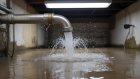
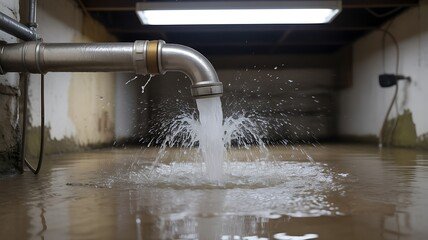
A major plumbing leak can go from a manageable repair to significant property damage surprisingly quickly. A burst supply pipe, broken valve, failed water heater connection, damaged washing-machine hose, or hidden pipe can release a large amount of water into a home or business.
If you're dealing with a major water leak in Montrose, the first priority isn't figuring out exactly which pipe failed. It is stopping or reducing the water flow and keeping people safe.
Houston Public Works also advises residents to use Houston 311 for water and sewer service issues that require city attention, while life-threatening emergencies should be handled through 911.
A private plumbing leak inside your property generally requires a qualified plumbing professional. The faster the source is isolated, the less opportunity water has to damage flooring, drywall, cabinets, ceilings, insulation, electrical equipment, and personal belongings.
What Counts as a Major Plumbing Leak?
A major water leak is any plumbing failure that is releasing enough water to threaten the property, cannot be controlled easily, or is occurring in a location where water can cause serious damage.
Examples include:
- Burst water supply pipes
- Broken main water lines
- Rapidly leaking fixtures
- Failed water heater tanks
- Broken water heater connections
- Ruptured washing-machine hoses
- Ceiling leaks caused by plumbing
- Underground water-line leaks
- Slab leaks
- Failed shutoff valves
- Flooding caused by a plumbing system
- Water leaking near electrical equipment
A small faucet drip usually isn't an emergency. A pipe spraying several gallons of water into a wall or room is.
What Should You Do During a Major Water Leak?
The first few minutes matter.
Step 1: Shut Off the Water
If you can safely identify the source and its shutoff valve, turn the valve off.
For a localized problem, such as a leaking toilet or sink, the fixture's individual shutoff may stop the flow.
For a major leak affecting multiple areas, shut off the home's main water supply.
In many Houston properties, the main shutoff may be located near the water meter, along the exterior of the property, or at another designated entry point. Knowing where this valve is before an emergency happens can save valuable time.
Do not force a valve that is stuck or damaged. A broken shutoff can make the emergency worse.
Step 2: Stay Away From Electrical Hazards
Water and electricity are a dangerous combination.
If water is near:
- Electrical outlets
- Appliances
- Extension cords
- Electrical panels
- Wiring
- Light fixtures
do not enter standing water or touch electrical equipment.
If you can safely shut off electricity to the affected area without entering water or exposing yourself to electrical hazards, do so. Otherwise, leave the area and have a qualified professional handle the situation.
Step 3: Move Valuable Items
If it is safe to do so, move furniture, electronics, rugs, documents, and other valuables away from the water.
Do not risk injury trying to save possessions in a rapidly flooding area.
Step 4: Contain the Water
Use buckets, towels, mops, or other safe methods to contain small amounts of water.
For a major leak, containment is secondary to stopping the water source.
Step 5: Call an Emergency Plumber
Once the water has been controlled as much as possible, contact a plumbing professional.
Tell the plumber:
- Where the leak is located
- Whether the main water has been shut off
- How quickly water is flowing
- Whether electricity is involved
- Whether the leak is inside or outside
- Whether ceilings or walls are becoming saturated
- Whether sewage is involved
This information helps the plumber understand the urgency before arriving.
Why Should You Shut Off the Main Water Supply?
A pressurized plumbing system can continue supplying water even when a pipe has failed.
Leaving the water on can allow thousands of gallons to enter a property depending on the size and location of the leak.
Stopping the supply limits additional water loss while you wait for professional assistance.
Houston-area plumbing guidance similarly recommends shutting off the main water supply during significant leaks and then contacting an emergency plumber.
If you don't know where your main shutoff is located, learning its location now is worthwhile.
Common Causes of Major Water Leaks in Montrose Homes
A major leak can originate from many different parts of a plumbing system.
Burst or Cracked Pipes
Older or damaged pipes can eventually fail.
Corrosion, physical damage, excessive pressure, and deterioration can weaken plumbing materials.
Failed Pipe Connections
Connections can leak when fittings deteriorate, become damaged, or were improperly installed.
Water Heater Failures
A leaking water heater can release substantial amounts of water, particularly if the tank itself has failed.
Washing Machine Hoses
Washing-machine supply hoses remain under pressure when the appliance is not operating. A failed hose can release water rapidly.
Toilet Supply Lines
A broken toilet supply line can flood a bathroom surprisingly quickly.
Slab Leaks
A leaking pipe underneath a concrete slab may not immediately create visible flooding. Instead, homeowners may notice warm floors, unexplained water usage, damp areas, or sounds of running water.
Main Water Line Problems
A damaged water line between the property and the municipal connection can cause serious water loss and saturated soil.
Warning Signs You May Have a Hidden Water Leak
Not every plumbing emergency produces obvious flooding.
Watch for:
- Unexplained increases in water bills
- Water meter movement when water is not being used
- Damp walls
- Wet flooring
- Ceiling stains
- Peeling paint
- Musty odors
- Mold or mildew
- Low water pressure
- Unexplained running-water sounds
- Warm spots on floors
- Soggy areas around the property
A hidden leak should be investigated before the damage becomes more extensive.
Why Water Leaks Can Become Expensive
Water can migrate into places you cannot see.
A leak inside a wall may saturate insulation and framing. Water entering flooring can damage subfloors. A ceiling leak can affect drywall, electrical components, paint, and insulation.
The plumbing repair itself may be relatively straightforward, but the resulting restoration can become much more involved if the leak continues for an extended period.
This is why emergency plumbing is often about damage prevention, not just pipe repair.
What Should You Do If the Leak Is Near the Ceiling?
Ceiling leaks deserve special attention.
If water is accumulating above a ceiling, do not stand directly beneath a visibly bulging section.
A saturated ceiling can become heavy and unstable.
Move people and belongings away from the area and address the plumbing source as quickly as possible.
If water is near light fixtures or electrical wiring, treat the area as an electrical hazard.
What If the Leak Involves Sewage?
A sewage leak is different from a clean-water supply leak.
Sewage can contain harmful contaminants, so avoid direct contact.
During a sewage backup:
- Stop using plumbing fixtures.
- Keep children and pets away.
- Avoid contact with contaminated water.
- Do not attempt to clean extensive sewage contamination yourself.
- Contact a qualified plumber promptly.
- Arrange appropriate water-damage and sanitation cleanup when necessary.
If sewage is entering the property rapidly, treat it as an urgent plumbing situation.
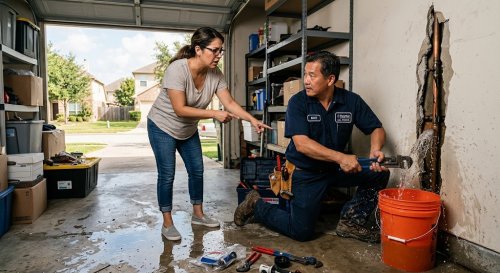
Step-by-Step Professional Emergency Plumbing Process
A professional emergency plumber will typically begin with the immediate threat rather than starting with cosmetic repairs.
Step 1: Emergency Assessment
The technician identifies the source and severity of the leak.
Step 2: Isolate the Water
The affected fixture, branch line, or main supply may be shut off.
Step 3: Determine the Cause
The plumber investigates whether the failure involves a pipe, valve, fixture, water heater, supply line, or another component.
Step 4: Inspect for Secondary Damage
The technician may check surrounding plumbing and accessible areas for additional problems.
Step 5: Provide Repair Options
Depending on the situation, the plumber may recommend a localized repair, replacement of a component, or a larger plumbing repair.
Step 6: Complete the Repair
The damaged component is repaired or replaced using suitable materials and methods.
Step 7: Test the System
Water is restored carefully and the repair is tested for leaks and proper operation.
Step 8: Explain Follow-Up Needs
If water has entered walls, flooring, cabinets, or ceilings, additional drying or restoration may be necessary.
Can You Fix a Major Water Leak Yourself?
For an emergency, homeowners should focus on safe containment, not complex plumbing repairs.
Reasonable steps include:
- Closing a fixture shutoff valve
- Closing the main water valve
- Moving belongings
- Using towels or buckets
- Taking photographs
- Calling a plumber
Avoid:
- Cutting into walls without knowing where pipes or wiring are located
- Repairing pressurized pipes without appropriate tools and experience
- Working around electrical equipment and standing water
- Attempting gas-line repairs
- Removing major sections of flooring unnecessarily
- Using temporary patches as a substitute for proper repair
A professional repair can also identify why the failure occurred, which matters if the same problem could happen elsewhere.
Tools Emergency Plumbers May Use
Professional plumbers may use specialized equipment depending on the leak.
Electronic Leak Detection
This can help locate hidden leaks without immediately opening walls or floors.
Thermal Imaging
Thermal equipment can sometimes identify temperature differences associated with moisture or hot-water leaks.
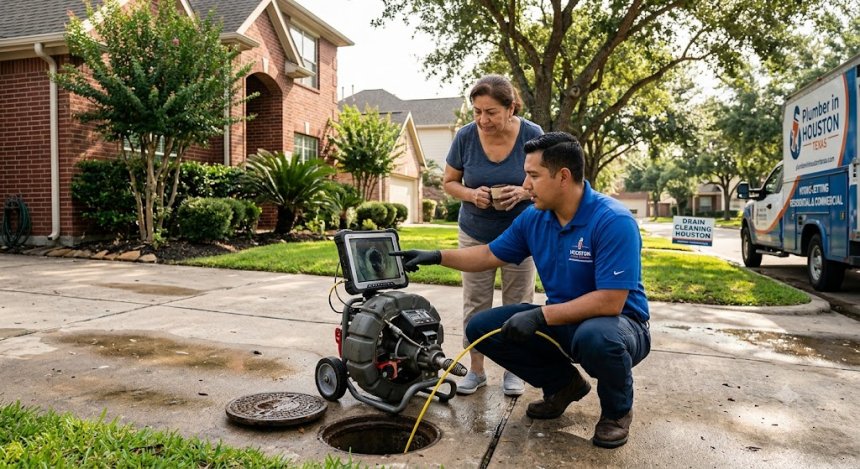
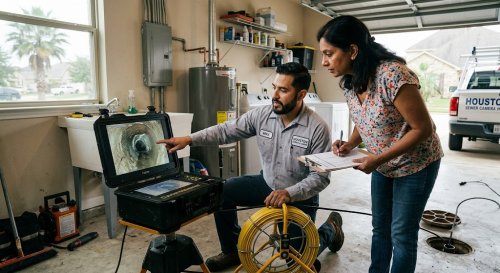
Pipe Inspection Cameras
Cameras can help inspect certain drain and sewer lines.
Pressure Testing
Pressure testing can help identify leaks in specific sections of a plumbing system.
Pipe Locating Equipment
Locating technology can help identify the position of underground piping and potential leak areas.
The right diagnostic method depends on the plumbing system and suspected leak.
How Long Does Emergency Leak Repair Take?
There is no fixed repair time.
A failed supply-line connection may be repaired relatively quickly.
A burst pipe inside a wall can require additional access and restoration.
A main water-line leak, slab leak, or extensive plumbing failure can require considerably more work.
Factors include:
- Leak location
- Pipe material
- Accessibility
- Amount of damage
- Availability of replacement parts
- Required excavation
- Electrical hazards
- Water damage
- Permit requirements
- Restoration needs
Emergency service often begins with stopping the water and stabilizing the situation, followed by permanent repairs.
How Much Does Emergency Water Leak Repair Cost?
Avoid relying on a single advertised price for a major leak.
Emergency plumbing costs vary depending on:
- Diagnostic fees
- Emergency service charges
- Labor
- Replacement parts
- Pipe material
- Leak location
- Accessibility
- Equipment requirements
- Excavation
- Water damage
- Permit requirements
- Repair versus replacement
- Local labor rates
A simple valve repair and a burst underground water line are entirely different projects.
Before major work begins, ask the plumber what has failed, what needs to be repaired, what is included in the estimate, and whether additional restoration work is likely.
Hidden Truths Homeowners Should Know
The Visible Water May Not Be the Source
Water can travel through walls, ceilings, flooring, and other building materials.
The location where you see water may not be where the pipe failed.
A Small Leak Can Cause Major Damage
A slow leak behind a wall can continue for days without being noticed.
Emergency Repairs Are Not Always Permanent Repairs
A plumber may need to stabilize a dangerous situation first and complete additional work afterward.
Water Damage Can Continue After the Plumbing Is Fixed
Drywall, flooring, insulation, and other materials may remain wet even after the pipe has been repaired.
Insurance Coverage Varies
Homeowners should review their individual insurance policy and document damage. Coverage depends on the policy, circumstances, exclusions, and applicable conditions.
Low Prices Can Exclude Important Work
Ask whether the quote includes parts, labor, access, restoration, permits, and emergency charges where applicable.
Prevention Is Usually Cheaper Than Emergency Restoration
Regular inspection and prompt repair of small leaks can reduce the chance of a larger failure.
15 Common Mistakes Homeowners Make During Plumbing Emergencies
- Waiting to see whether the leak stops — A pressurized leak may worsen suddenly.
- Failing to shut off the main water — This allows water to continue entering the property.
- Ignoring a leaking water heater — A tank failure can release significant water.
- Standing in water near electrical equipment — This creates a serious safety hazard.
- Trying to repair a pressurized pipe without experience — Improper repairs can fail again.
- Forcing a stuck shutoff valve — The valve itself can break.
- Ignoring ceiling bulges — Saturated ceilings can become unstable.
- Leaving furniture in standing water — Prolonged moisture can increase damage.
- Using electrical appliances in wet areas — Water and electricity are dangerous together.
- Ignoring hidden leaks — Small moisture problems can become extensive.
- Using tape as a permanent repair — Temporary containment is not a substitute for proper repair.
- Calling only based on the lowest price — Emergency work requires appropriate qualifications and experience.
- Failing to document damage — Photos can be useful for property records and insurance discussions.
- Continuing to use plumbing during a sewer backup — Additional wastewater can worsen the problem.
- Delaying professional inspection after an emergency — The immediate leak may be fixed while another damaged component remains.
Preventing Major Plumbing Leaks
You cannot eliminate every plumbing emergency, but several habits can reduce risk.
- Know where your main water shutoff is.
- Test accessible shutoff valves periodically.
- Inspect visible supply lines.
- Replace visibly deteriorated hoses.
- Monitor water bills.
- Check for unexplained water-meter movement.
- Address dripping fixtures.
- Investigate damp walls.
- Monitor ceiling stains.
- Do not ignore low water pressure.
- Have aging plumbing evaluated.
- Maintain your water heater according to manufacturer recommendations.
- Keep plumbing access points clear.
- Protect vulnerable pipes during unusually cold weather.
- Know where electrical panels are located.
- Keep valuables away from areas with known plumbing problems.
- Address recurring leaks rather than repeatedly patching them.
- Have major plumbing repairs performed by appropriately qualified professionals.
When Should You Call an Emergency Plumber?
Call an emergency plumber when a plumbing problem is causing or is likely to cause significant property damage.
Examples include:
- Burst pipes
- Rapidly flowing water
- Major water-line leaks
- Flooding
- Water entering ceilings or walls
- Failed water heaters releasing water
- Uncontrolled toilet or fixture leaks
- Major slab leaks
- Sewage backups
- Water near electrical equipment
- A leak that cannot be safely isolated
For city water or sewer issues that require Houston municipal assistance, Houston 311 is available around the clock. For immediate threats to life or serious safety emergencies, use 911.
People Also Ask About Emergency Water Leaks
What should I do first during a major water leak?
Stop the water if you can do so safely. Shut off the affected fixture or main water supply, stay away from electrical hazards, move valuables if safe, and contact a qualified emergency plumber.
Where is the main water shutoff in a Houston home?
The location varies by property. It may be near the water meter, along an exterior wall, near the foundation, or in another designated utility area.
Should I shut off electricity during a water leak?
Only if you can do so safely without entering standing water or exposing yourself to electrical hazards. If electrical equipment is wet, keep away and seek qualified assistance.
Is a leaking pipe an emergency?
A small controlled leak may not require emergency service, but a rapidly flowing leak, inaccessible leak, or leak threatening property or electrical systems should be treated urgently.
Can a water leak cause structural damage?
Yes. Persistent water can damage drywall, flooring, framing, insulation, cabinets, and other building materials.
How quickly can water damage become serious?
The timeline varies according to the amount of water, location, materials, ventilation, and environmental conditions. The safest approach is to stop the water and begin appropriate mitigation as quickly as possible.
What causes pipes to burst?
Possible causes include corrosion, physical damage, excessive pressure, freezing conditions, deteriorated materials, failed connections, and other stresses.
Can a hidden leak increase my water bill?
Yes. A continuous leak can cause water consumption to rise even when normal household usage has not changed.
Should I repair a water leak myself?
Simple shutoff and containment steps may be appropriate, but major pipe repairs, hidden leaks, gas-related problems, and electrical hazards should be handled by appropriately qualified professionals.
How much does emergency plumbing cost in Houston?
There is no universal price. Costs depend on the problem, labor, parts, access, diagnostic requirements, emergency charges, and whether additional restoration is necessary.
Should I call a plumber if water is leaking through my ceiling?
Yes, particularly if the source is unknown, the ceiling is bulging, or water is near electrical fixtures. Stay away from unsafe areas until the situation is controlled.
Why Choose a Qualified Emergency Plumber in Montrose?
During a plumbing emergency, homeowners understandably want someone to arrive quickly. Speed matters, but it should not come at the expense of proper diagnosis and workmanship.
When choosing an emergency plumber serving Montrose and the Houston area, look for:
- Appropriate licensing and qualifications
- Experience handling major water leaks
- Emergency availability
- Clear communication
- Diagnostic capabilities
- Transparent estimates
- Appropriate repair methods
- Quality replacement materials
- Clear warranty information when applicable
- Knowledge of Houston-area plumbing conditions
For emergency plumbing service, ask what the initial service includes and whether additional charges apply outside normal business hours.
Emergency Plumber in Montrose: Get Help Before the Damage Spreads
A major water leak is not a plumbing problem to put off until tomorrow.
The safest approach is to stop the water, stay away from electrical hazards, protect people and valuables when possible, and get professional help.
If you're dealing with a serious leak in Montrose, Houston, Harris County, or nearby communities, contact Emergency Plumbing in Houston Heights at 844-833-2093.
Whether the problem involves a burst pipe, water heater, main water line, hidden leak, slab leak, or another plumbing failure, a professional inspection can help identify the source and determine the appropriate repair.
Call 844-833-2093 for emergency plumbing assistance and water leak repair in the Houston area.