Frozen Pipes in Houston: What to Check After a Freeze
Frozen pipes in Houston can burst after temperatures rise. Learn what to check after a freeze, warning signs, emergency steps, repair costs, and prevention tips.
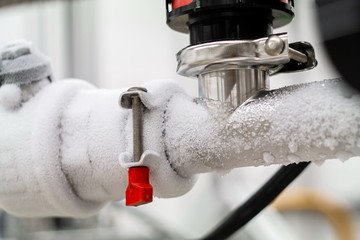
What Should You Check After a Winter Freeze in Houston?
Houston homeowners do not have to deal with freezing temperatures every winter, but when a hard freeze arrives, plumbing problems can develop quickly.
The biggest mistake is assuming that everything is fine simply because the temperature has started rising.
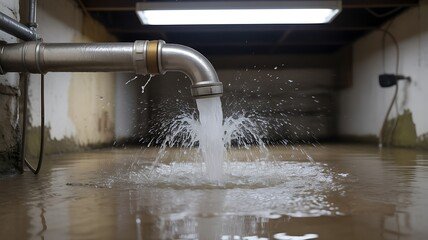
A pipe can freeze without immediately showing a leak. In some cases, the damage becomes obvious only after the ice melts and water pressure returns. Texas Department of Insurance specifically warns that frozen pipes can cause expensive damage to walls, ceilings, carpets, and furniture and recommends knowing where the home's water shutoff valves are located.
After a Houston freeze, homeowners should check exposed plumbing, outdoor faucets, garages, attics, under-sink cabinets, water heaters, irrigation equipment, and areas where water may be escaping.
The goal is simple: find a damaged pipe before a small leak turns into a major water-loss event.
What Happens to Plumbing During a Freeze?
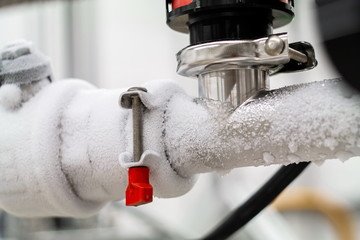
Water expands as it freezes.
When water becomes trapped inside a plumbing system and freezes, pressure can build within the pipe. That pressure can contribute to pipe failure, especially at vulnerable sections, fittings, joints, and areas that are already weakened.
Not every frozen pipe bursts immediately.
A pipe may remain intact while frozen and begin leaking when the ice melts and water starts moving again.
That is why the period immediately after a freeze deserves careful attention.
Houston homes can be particularly vulnerable because plumbing systems may include pipes in:
- Unheated attics
- Garages
- Exterior walls
- Outdoor plumbing areas
- Crawl spaces
- Under-sink cabinets
- Exterior hose connections
- Irrigation systems
Texas Department of Insurance recommends insulating exposed pipes and protecting plumbing located in unheated areas before freezing weather arrives.
Why Do Houston Pipes Freeze?
Unusually Low Temperatures
Houston's plumbing infrastructure is not designed around prolonged freezing weather in the same way as plumbing systems in colder climates.
An unusually strong winter freeze can expose vulnerable pipes to temperatures they rarely experience.
Exposed Pipes
Pipes in attics, garages, exterior walls, and other unheated spaces can lose heat rapidly.
Poor Insulation
Insufficient insulation allows cold air to reach plumbing more easily.
Outdoor Faucets
Exterior hose bibs and connected hoses can freeze when not properly winterized.
Frozen Irrigation Components
Backflow devices, sprinkler piping, and exposed irrigation components can also be damaged during severe cold.
Power Outages
A prolonged power outage can make the situation worse because indoor temperatures can fall, exposing plumbing to colder conditions.
Older Plumbing Systems
Older pipes, fittings, and connections may be more vulnerable when exposed to freezing conditions.
What Should You Check First After the Freeze?
Do not immediately turn on every faucet and appliance.
Start with a visual inspection.
1. Check the Main Water Supply Area
Look around the water meter and the point where the water service enters the home.
Watch for:
- Standing water
- Muddy or unusually wet soil
- Cracked fittings
- Visible pipe damage
- Water running when no fixtures are being used
2. Check Your Water Meter
Turn off water-using fixtures and appliances.
Then observe the meter.
If the meter continues registering water usage when everything should be off, investigate for a possible leak.
A moving meter does not necessarily mean a frozen pipe has burst. Toilets, irrigation systems, appliances, and other plumbing fixtures can also consume water.
But unexplained water movement after a freeze deserves attention.
3. Inspect Attic Plumbing
Attic pipes can be vulnerable during a hard freeze.
Look for:
- Wet insulation
- Dripping water
- Water stains
- Discoloration
- Damp wood
- Visible cracks
- Frost or ice
- Unusual puddles
Do not walk on areas of an attic that are not designed for foot traffic.
If you see active water leaking from a pipe, leave the area if it is unsafe and shut off the water from a safe location.
4. Check Under Sinks
Open cabinets beneath kitchen and bathroom sinks.
Pay particular attention to sinks located against exterior walls.
Look for:
- Moisture
- Damp cabinet bottoms
- Bulging wood
- Water stains
- Cracked fittings
- Frozen or damaged supply lines
5. Inspect the Garage
Garages can become cold enough for exposed plumbing to freeze.
Check:
- Washing-machine connections
- Water lines
- Hose bibs
- Water-softener plumbing
- Exposed supply lines
- Nearby valves
6. Check Outdoor Faucets
Disconnect hoses and inspect exterior faucets for leaks or damage.
A damaged outdoor faucet may not become obvious until the system is pressurized again.
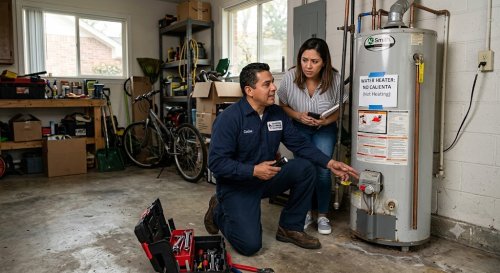
7. Check the Water Heater
Look around the water heater for:
- Water on the floor
- Leaking connections
- Damaged supply lines
- Corrosion
- Cracked fittings
- Unusual moisture
Do not assume water around the heater came from the freeze. Condensation, valves, connections, and tank problems can have other causes.
8. Check the Irrigation System
If your irrigation system was exposed to freezing conditions, inspect visible components before restarting it.
Look for leaks around:
- Backflow preventers
- Valves
- Exposed piping
- Sprinkler connections
Turn irrigation back on carefully and observe the system.
Signs a Pipe May Have Burst
Some damage is obvious.
Other signs are surprisingly subtle.
Sudden Loss of Water Pressure
A damaged supply line can cause pressure to drop.
If pressure suddenly changes after a freeze, investigate.
Water Running When Everything Is Off
This can indicate a hidden leak.
Wet Insulation
Wet attic insulation can be an early clue that a pipe has leaked.
Water Stains
Brown, yellow, or fresh wet stains on ceilings and walls deserve attention.
Damp Drywall
Drywall may absorb water before a visible puddle forms.
Unexplained Standing Water
Water in a garage, utility room, attic, or other area should not be ignored.
Puddles Near Exterior Walls
A damaged pipe inside an exterior wall can release water into the structure.
Strange Sounds
Hissing, spraying, dripping, or continuous water movement can indicate a leak.
Low or No Water Flow
A frozen section may restrict flow.
If the temperature has risen and water flow remains abnormal, the pipe should be evaluated.
What Should You Do If a Pipe Is Still Frozen?
If you suspect a pipe is frozen but it has not visibly burst, do not use an open flame to thaw it.
A safer approach is to warm the area gradually using appropriate methods and follow manufacturer and professional guidance.
If you can safely access the pipe, gentle warming of the surrounding area may help.
Keep the affected faucet open when appropriate so that water can flow as the ice begins to melt.
However, if you see:
- Cracks
- Bulging pipe
- Active leakage
- Water damage
- A pipe that has already separated
stop attempting to thaw it yourself and contact a plumbing professional.
The Texas Department of Insurance recommends turning off the water at the shutoff valve if pipes freeze because doing so can prevent a broken pipe from releasing water into the home after it thaws.
What Should You Do If a Pipe Has Burst?
Step 1: Shut Off the Water
If the pipe is actively leaking, turn off the home's main water supply if you can safely access it.
Step 2: Turn Off the Appropriate Energy Source When Necessary
If water has reached electrical equipment, do not enter standing water or operate electrical equipment in an unsafe area.
For gas appliances, do not attempt unauthorized gas-line repairs.
Step 3: Protect Your Property
Move furniture, electronics, boxes, and other belongings away from water if it is safe.
Step 4: Document the Damage
Take photographs and videos before extensive cleanup when practical.
Texas Department of Insurance advises homeowners to understand their coverage for sudden and accidental water damage from burst pipes and notes that coverage can depend on whether reasonable steps were taken to protect the property.
Step 5: Call a Qualified Plumber
A plumber can locate the failed section, stop the leak, evaluate the surrounding plumbing, and determine whether additional damage occurred.
Can You Repair Frozen Pipes Yourself?
Minor preventative measures are appropriate for homeowners.
For example, you can:
- Locate shutoff valves
- Disconnect garden hoses
- Insulate accessible exposed pipes
- Open under-sink cabinets during a freeze
- Monitor your water meter
- Inspect accessible plumbing after the freeze
Texas Department of Insurance recommends wrapping exposed indoor and outdoor pipes and removing water hoses before freezing conditions.
However, professional service is appropriate when:
- A pipe has burst
- Water is actively leaking
- The leak is inside a wall
- The pipe is inside an inaccessible attic area
- You cannot locate the shutoff
- Water damage is spreading
- You suspect a hidden leak
- A gas or electrical hazard is involved
How Does a Plumber Find Freeze Damage?
A professional may begin with a visual inspection and water-pressure evaluation.
Depending on the situation, diagnostic methods can include:
Pressure Testing
Pressure testing can help determine whether the plumbing system is holding water as it should.
Leak Detection Equipment
Electronic or acoustic equipment can help locate hidden water leaks.
Thermal Imaging
Temperature differences can sometimes help identify areas affected by moisture or abnormal water flow.
Moisture Meters
Moisture readings can help identify wet building materials.
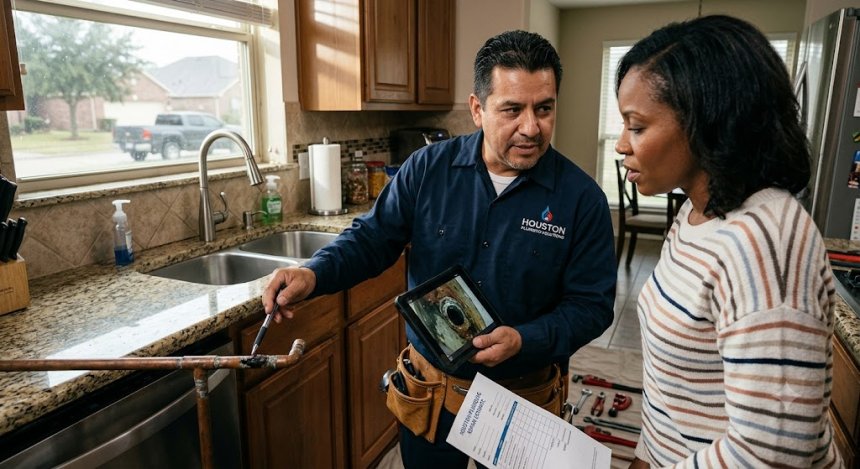
Camera Inspection
A plumbing camera may be useful for certain accessible piping systems, although it is not appropriate for every type of supply pipe.
Meter Monitoring
The home's water meter can provide useful information about unexplained water consumption.
The objective is to locate the problem before unnecessary walls, ceilings, flooring, or other structures are opened.
How Long Does Freeze-Damage Repair Take?
The timeline depends on the extent of the damage.
Simple Exposed Pipe Repair
An accessible damaged section may be repaired relatively quickly once the plumber identifies the failure.
Hidden Wall Leak
A concealed pipe may require additional diagnostic work and limited access to the affected area.
Attic Repair
Access, insulation, multiple damaged sections, and water damage can extend the job.
Multiple Burst Pipes
A severe freeze can damage more than one plumbing location.
In that situation, the plumber may need to inspect the entire property rather than repair only the first visible leak.
Water-Damage Restoration
Drying walls, ceilings, flooring, insulation, and other materials is separate from repairing the plumbing itself and can require additional contractors.
How Much Does Frozen Pipe Repair Cost?
There is no responsible universal price for freeze damage.
Costs depend on:
- Number of damaged pipes
- Pipe material
- Location of the leak
- Accessibility
- Labor
- Emergency service
- Leak-detection requirements
- Wall or ceiling access
- Water-damage extent
- Replacement materials
- Insulation
- Restoration work
- Permit requirements, when applicable
A visible outdoor pipe may be straightforward to access.
A burst pipe hidden inside an exterior wall can require considerably more work.
Ask the plumber whether the estimate includes only plumbing repair or also wall, ceiling, flooring, insulation, or water-damage restoration.
Hidden Truths Homeowners Should Know
Pipes Can Burst After the Freeze
A pipe may appear intact while frozen and leak when the ice melts and water pressure returns.
No Visible Water Does Not Mean No Damage
A concealed leak can remain inside a wall, ceiling, or attic.
Your First Leak May Not Be Your Only Leak
During a severe freeze, multiple vulnerable areas may be damaged.
Wet Insulation Matters
Wet insulation can hide ongoing moisture and should be evaluated.
A Water Meter Can Reveal Problems
Unexpected meter movement can provide an early clue to a hidden leak.
Outdoor Plumbing Deserves Special Attention
Hose bibs and irrigation components are exposed to colder temperatures.
Insurance Is Policy-Specific
Do not assume every type of freeze damage is covered.
Texas Department of Insurance notes that homeowners and renters policies may cover sudden and accidental water damage from burst pipes, while coverage can be affected by whether reasonable protective measures were taken.
The Cheapest Repair Is Not Always the Best Repair
If several sections of an aging plumbing system have failed, ask whether there is a broader underlying issue.
15 Common Mistakes Homeowners Make After a Freeze
- Assuming everything is fine when water returns — Check for leaks first.
- Turning on every faucet immediately — Restore water use gradually.
- Ignoring low water pressure — It can indicate a restriction or leak.
- Ignoring a moving water meter — Unexplained usage deserves investigation.
- Using an open flame to thaw pipes — This creates a serious fire hazard.
- Ignoring wet attic insulation — Moisture can remain hidden.
- Forgetting outdoor faucets — Exterior plumbing can be damaged even when indoor fixtures appear normal.
- Restarting irrigation without checking it — Frozen components may have cracked.
- Ignoring ceiling stains — Water can travel through walls and ceilings.
- Continuing to use water during an active leak — Additional water can worsen property damage.
- Trying to repair gas piping yourself — Gas-related plumbing should be handled by appropriately qualified professionals.
- Walking through water near electrical equipment — Electrical hazards can be severe.
- Assuming one broken pipe means the only problem is fixed — Inspect other vulnerable areas.
- Delaying repairs because the leak looks small — Hidden moisture can continue causing damage.
- Failing to document damage — Photos and records can be useful when communicating with insurers and contractors.
Maintenance Tips Before the Next Houston Freeze
- Locate your home's main water shutoff.
- Learn how to turn it off before freezing weather arrives.
- Insulate exposed indoor plumbing.
- Protect exposed outdoor pipes.
- Disconnect garden hoses.
- Cover vulnerable outdoor faucets.
- Open cabinets beneath sinks on exterior walls during severe cold.
- Keep indoor heat operating during a freeze.
- Protect pipes in garages and other unheated areas.
- Inspect attic plumbing before winter.
- Know where your water meter is located.
- Check irrigation components before and after freezing weather.
- Keep vulnerable plumbing accessible.
- Repair existing leaks before winter.
- Replace badly deteriorated insulation.
- Monitor water pressure.
- Consider professional plumbing inspection for older systems.
- Know which pipes are located in unheated areas.
- Keep emergency plumbing contact information available.
- During severe freeze conditions, follow current guidance from Texas authorities.
Texas Department of Insurance recommends preparing before freezing weather arrives rather than waiting until temperatures fall.
When Should You Call an Emergency Plumber?
Call for emergency plumbing assistance when:
- A pipe has visibly burst
- Water is flooding the home
- The main water supply cannot be stopped
- Water is entering electrical areas
- A ceiling is actively leaking
- Water is coming through walls
- Multiple pipes have failed
- A major supply line is leaking
- You cannot locate the source of the leak
- Water damage is spreading rapidly
- A frozen pipe has thawed and started leaking heavily
Do not wait for a large puddle if you already know a pressurized pipe has failed.
Stopping the water quickly can limit additional damage.
People Also Ask About Frozen Pipes in Houston
Can pipes freeze in Houston?
Yes. Although Houston generally experiences milder winters than colder parts of the United States, hard freezes can still expose vulnerable plumbing to freezing temperatures.
What should I check after a Houston freeze?
Check exposed pipes, attic plumbing, garages, under-sink cabinets, outdoor faucets, irrigation equipment, water heaters, ceilings, walls, and the water meter for signs of leaks or damage.
Can a frozen pipe burst after it thaws?
Yes. A pipe may remain intact while frozen and begin leaking once ice melts and water pressure returns.
How do I know if a pipe burst after a freeze?
Look for water stains, active dripping, wet insulation, standing water, reduced pressure, unexplained water-meter movement, damp walls, and unusual water sounds.
Should I turn off my water if my pipes freeze?
If you suspect a frozen pipe and there is a risk it has burst, shutting off the water can limit the amount of water released when the pipe thaws. Texas Department of Insurance recommends turning off the water at the shutoff valve when pipes freeze.
Can I thaw a frozen pipe with a torch?
No. Do not use an open flame to thaw plumbing. It creates a serious fire hazard and can damage the pipe or surrounding materials.
Why is my water pressure low after a freeze?
A frozen or partially frozen section can restrict flow. A damaged pipe can also cause pressure loss. If pressure does not return normally after temperatures rise, have the system inspected.
Why is my ceiling leaking after a freeze?
A pipe inside the ceiling, attic, or wall may have cracked or burst. Water can travel away from the actual failure point, so the visible stain may not be directly below the damaged pipe.
Can frozen pipes increase my water bill?
Yes. If a pipe breaks and continues leaking after temperatures rise, your water consumption can increase significantly.
Are attic pipes likely to freeze in Houston?
Pipes in unheated attic spaces can be vulnerable during severe freezes, particularly when insulation or air sealing is inadequate.
Should I check my water meter after a freeze?
Yes. With all fixtures and appliances off, an unexpected change in the meter can be a useful indication that water is being consumed somewhere.
Will homeowners insurance cover frozen pipe damage?
Coverage depends on the policy and circumstances. Texas Department of Insurance notes that sudden and accidental water damage from burst pipes may be covered, while failure to take reasonable precautions can affect coverage.
How long does frozen pipe repair take?
A simple accessible pipe repair may be completed relatively quickly, while hidden leaks, multiple failures, attic work, and water-damage restoration can take considerably longer.
Why Choose a Qualified Houston Plumbing Professional?
Freeze damage is not always limited to the first pipe you can see.
A qualified plumbing professional should be able to determine:
- Where the leak originated
- Whether additional pipes are damaged
- Whether the system is holding pressure
- Whether hidden water damage exists
- What materials are required
- Whether repair or replacement is appropriate
- Whether additional restoration is necessary
When comparing plumbers, look for appropriate Texas licensing, relevant experience, clear estimates, emergency availability when needed, and a willingness to explain the diagnosis.
Avoid approving major plumbing work based solely on a visible puddle or a quick assumption about the cause.
Frozen Pipe and Burst Pipe Help in Houston, TX
A Houston winter freeze can create plumbing problems that do not become visible until temperatures begin rising.
That is why the post-freeze inspection matters.
Check your water meter. Inspect accessible plumbing. Look in the attic, garage, under sinks, around outdoor faucets, near the water heater, and around irrigation equipment. Watch for wet insulation, water stains, reduced pressure, unusual sounds, and unexplained water use.
If you find an active leak, shut off the water when it is safe to do so and get professional help.
For homeowners and businesses throughout Houston, including Houston Heights, Montrose, River Oaks, Memorial, The Heights, Meyerland, Bellaire, West University Place, Spring Branch, Cypress, Katy, Sugar Land, Kingwood, The Woodlands, and surrounding communities, contact Emergency Plumbing in Houston Heights at 844-833-2093.
Whether you need help locating a hidden post-freeze leak, repairing a burst pipe, or evaluating plumbing damage after severe cold, a professional inspection can help identify the actual problem before additional water damage occurs.
Call 844-833-2093 to request a plumbing inspection, leak diagnosis, or emergency burst-pipe repair.