Low Water Pressure in Sugar Land: Mineral Buildup
Low water pressure in Sugar Land may be caused by mineral buildup. Learn the warning signs, other causes, repair options, costs, and prevention tips.

Low water pressure is one of those plumbing problems that can start as a minor annoyance and gradually become a much bigger concern. A shower may suddenly feel weak, faucets may take longer to fill a sink, or several fixtures may seem to have less flow than they used to.
For homeowners in Sugar Land, mineral buildup can be one possible reason.
Hard water contains naturally occurring minerals such as calcium and magnesium. Over time, these minerals can collect around faucet aerators, showerheads, valves, and other plumbing components. When enough material accumulates, it can restrict water flow.
However, mineral buildup is not the explanation for every low-pressure complaint.
A clogged fixture, partially closed valve, leaking pipe, pressure-regulating equipment, deteriorated plumbing, or water-supply issue can create similar symptoms. The most important question is therefore not simply, "Is my water hard?" but "Where is the water flow being restricted?"
What Is Mineral Buildup in Plumbing?
Mineral buildup occurs when dissolved minerals in water accumulate on plumbing surfaces and components.
Calcium and magnesium are common contributors to hard-water deposits. Homeowners may notice:
- White or chalky residue
- Crust around faucet openings
- Deposits around showerheads
- Restricted aerators
- Uneven shower spray
- Deposits around valves
- Recurring debris in faucet screens
The effect is especially noticeable in small openings.
A faucet aerator, for example, contains a small screen. Mineral deposits can partially block that screen and reduce the amount of water coming through the faucet.
This may feel like low water pressure even though the actual water pressure entering the home is normal.
Can Mineral Buildup Cause Low Water Pressure?
Yes, mineral buildup can contribute to reduced water flow, but it is important to distinguish pressure from flow.
If only one faucet is affected, the home's water pressure may be perfectly normal. The restriction may be inside the aerator, cartridge, shutoff valve, or another component.
For example:
- One faucet is weak: Check the aerator and faucet components.
- One shower is weak: Inspect the showerhead and shower valve.
- Hot water is weak: Investigate the hot-water side.
- Every fixture is weak: Look for a whole-house pressure problem.
- Pressure suddenly dropped: Consider leaks, valves, supply problems, or equipment failure.
Gradual mineral accumulation generally behaves differently from a sudden whole-house pressure loss.
Why Does Low Water Pressure Happen?
Mineral buildup is only one possible cause.
Clogged Faucet Aerators
Aerators collect particles and mineral deposits.
A restricted aerator can dramatically reduce the amount of water coming from a faucet.
Blocked Showerheads
Minerals can collect around the tiny openings in a showerhead.
The shower may continue working, but the spray becomes weak, uneven, or poorly distributed.
Partially Closed Valves
A fixture or main valve that is not fully open can restrict water flow.
This sometimes happens after plumbing work or maintenance.
Faulty Pressure-Regulating Equipment
Some homes have pressure-regulating equipment designed to control incoming water pressure.
A malfunctioning component can cause pressure to become unusually low or unstable.
Corroded Plumbing
Older metal pipes may deteriorate internally.
As corrosion reduces the usable interior opening, water flow can gradually decline.
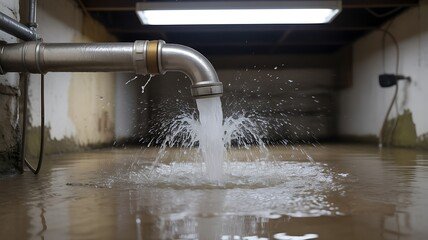
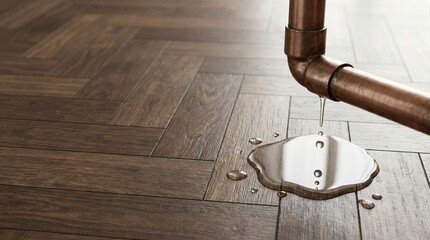
Plumbing Leaks
A significant water leak can affect system performance and increase water consumption.
Look for:
- Damp areas
- Water stains
- Wet soil
- Unexplained water usage
- Sounds of running water
Water-Supply Problems
Sometimes the issue is outside the property.
Water-main work, temporary system conditions, or other supply-side issues can affect pressure.
Faulty Plumbing Fixtures
A worn faucet cartridge, clogged screen, or damaged valve can restrict flow at one location.
Signs You Should Never Ignore
Low water pressure deserves more attention when it appears alongside other symptoms.
White Deposits
Visible white or chalky deposits around faucets and showerheads may indicate mineral accumulation.
Sudden Pressure Loss
A sudden drop affecting several fixtures should not automatically be blamed on hard water.
Increasing Water Bills
Unexpectedly high water consumption can indicate a hidden leak.
Damp Walls or Floors
Moisture without an obvious source requires investigation.
Running Water Sounds
Hearing water flow when every fixture is off can indicate a leak.
Low Pressure Throughout the Home
If several bathrooms, faucets, and outdoor fixtures are affected, the problem may be upstream of individual fixtures.
Discolored Water
Brown, yellow, or rusty water can indicate sediment, corrosion, or another water-quality or plumbing issue.
Recurring Fixture Blockages
If aerators repeatedly become clogged, investigate the source of the material instead of continually cleaning the same component.
How Can You Check for Mineral Buildup Yourself?
Homeowners can perform several basic checks without opening walls or floors.
Test Multiple Fixtures
Compare water flow at:
- Kitchen faucets
- Bathroom faucets
- Showers
- Bathtubs
- Outdoor faucets
If only one fixture is affected, the problem is more likely localized.
Inspect the Faucet Aerator
If the aerator is removable, inspect the screen for:
- White deposits
- Sediment
- Rust-colored material
- Debris
- Blocked openings
Clean or replace it according to the manufacturer's instructions.
Inspect the Showerhead
Look for visible mineral deposits around the spray openings.
Compare Hot and Cold Water
Run each separately.
If cold water is strong but hot water is weak, the problem may be associated with the hot-water system rather than the home's overall supply.
Check Accessible Valves
Make sure accessible fixture valves are open.
Never force a valve that is stuck or heavily corroded.
Can You Fix Mineral Buildup Yourself?
For simple fixture restrictions, basic cleaning can often be performed by a homeowner.
A faucet aerator or showerhead may be removed and cleaned according to the manufacturer's instructions.
However, avoid aggressive chemicals or tools that could damage the fixture.
DIY cleaning is appropriate only when the problem is clearly localized.
Professional plumbing assistance is more appropriate when:
- Multiple fixtures have low flow.
- The problem affects the whole house.
- Water pressure changes suddenly.
- There is evidence of a leak.
- Pipes are visibly corroded.
- A pressure regulator may be malfunctioning.
- The problem keeps returning.
- The suspected restriction is inside concealed piping.
Do not start cutting into walls, floors, or ceilings simply because you suspect a hidden restriction.
Step-by-Step Professional Diagnostic Process
Step 1: Inspect the Plumbing
The plumber reviews visible fixtures, valves, supply lines, and other accessible components.
Step 2: Identify the Pattern
The technician determines whether the problem affects one fixture, one bathroom, hot water only, or the entire property.
Step 3: Measure Water Pressure
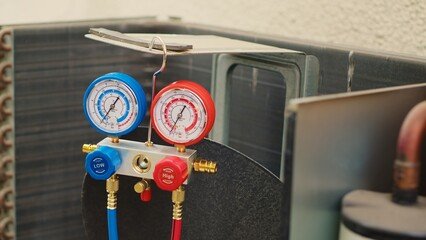
A pressure gauge provides an actual pressure reading.
This helps distinguish genuine low pressure from a localized flow restriction.
Step 4: Check Valves and Pressure Controls
Accessible valves and pressure-regulating equipment are inspected.
Step 5: Investigate Leaks
If the symptoms suggest water loss, appropriate leak-detection methods may be used.
Step 6: Evaluate Older Plumbing
If the property has aging pipes and widespread restrictions, the plumber may investigate internal corrosion or deterioration.
Step 7: Explain Repair Options
The plumber should explain the diagnosis and recommended repair before major work begins.
What Tools Do Professional Plumbers Use?
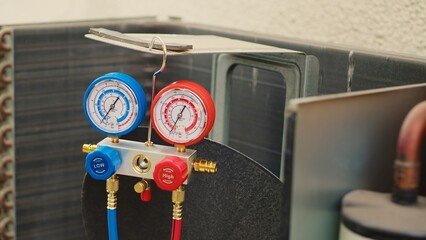
Pressure Gauges
These measure actual water pressure.
Leak-Detection Equipment
Specialized equipment can help locate concealed leaks without unnecessary demolition.
Thermal Cameras
Thermal imaging can sometimes identify temperature differences associated with hot-water leaks.
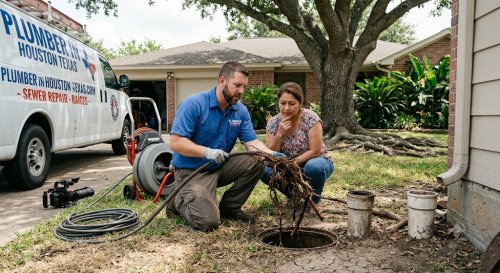
Pipe Inspection Cameras
Cameras are particularly useful for inspecting suitable drain and sewer lines.
Flow Testing Equipment
Flow testing can help identify restrictions at individual fixtures or within the plumbing system.
The appropriate equipment depends on the symptoms and plumbing configuration.
How Long Does Low Water Pressure Repair Take?
The repair time depends on the cause.
Simple Fixture Problem
Cleaning or replacing an aerator may be relatively quick.
Showerhead Restriction
A clogged showerhead may require cleaning or replacement.
Valve or Regulator Problem
A faulty valve or pressure-regulating component may require additional diagnostic work and replacement.
Hidden Leak
Leak detection may take longer when the source is concealed.
Deteriorated Plumbing
If older pipes are severely restricted or damaged, repair or replacement may become a larger project.
Repiping
Whole-house repiping is considerably more involved because technicians must consider access, routing, materials, fixtures, walls, ceilings, and restoration.
A professional should provide a realistic timeline after identifying the actual cause.
What Does Low Water Pressure Repair Cost?
There is no responsible fixed price without diagnosing the problem.
Potential cost factors include:
- Diagnostic testing
- Pressure testing
- Labor
- Faucet components
- Showerhead replacement
- Valve replacement
- Pressure-regulating equipment
- Leak detection
- Pipe repair
- Pipe replacement
- Accessibility
- Materials
- Emergency service
- Permits when applicable
A clogged aerator is obviously a different project from replacing severely deteriorated plumbing.
Ask the plumber what the estimate includes before approving major repairs.
Hidden Truths Homeowners Should Know
Hard Water Does Not Automatically Mean Low Pressure
A home can have hard water and perfectly normal water pressure.
Low Flow and Low Pressure Are Not Always the Same
A clogged aerator may restrict flow while system pressure remains normal.
Sudden Problems Need Broader Investigation
Mineral buildup usually develops gradually. Sudden whole-house pressure loss deserves a more comprehensive diagnosis.
Old Pipes Can Become Restricted
Internal corrosion can reduce the effective opening inside older plumbing.
Repeated Deposits Are a Clue
If the same fixture becomes clogged repeatedly, determine where the debris is coming from.
A Water Softener Is Not a Universal Plumbing Repair
Water treatment may help manage hardness, but it will not repair a broken pipe, failed valve, leak, or pressure regulator.
Excessive Pressure Is Not the Goal
Increasing pressure without measuring the existing pressure can create unnecessary stress on plumbing components.
Major Repairs Should Follow Diagnosis
Do not agree to repiping or major excavation based only on the symptom of weak water flow.
15 Common Mistakes Homeowners Make
- Blaming every pressure problem on hard water — Check whether one or multiple fixtures are affected.
- Replacing faucets unnecessarily — Inspect the aerator and cartridge first.
- Ignoring sudden pressure loss — Sudden changes may have a different cause.
- Forcing old valves — A stuck valve can break and cause a leak.
- Using harsh chemicals — Some cleaning products can damage plumbing finishes and components.
- Ignoring unexplained water usage — A hidden leak can waste significant amounts of water.
- Ignoring old pipe corrosion — Internal deterioration can restrict flow.
- Assuming hot and cold problems are identical — The hot-water system may have a separate restriction.
- Repeatedly cleaning clogged aerators — Recurring debris may indicate another plumbing issue.
- Ignoring water-heater symptoms — Low hot-water flow can have a localized cause.
- Replacing pressure equipment without testing — Diagnosis should come first.
- Assuming a whole-house problem is one clogged faucet — Multiple affected fixtures require broader investigation.
- Trying to increase pressure blindly — Excessive pressure can damage plumbing.
- Ignoring recurring problems — Repeated symptoms should be investigated rather than continually patched.
- Choosing a plumber based only on price — Compare diagnosis, scope, materials, and workmanship.
Maintenance Tips for Sugar Land Homes
- Clean faucet aerators periodically.
- Inspect showerheads for mineral deposits.
- Remove visible deposits according to manufacturer recommendations.
- Monitor water pressure for gradual changes.
- Know where the main water shutoff is located.
- Inspect accessible shutoff valves.
- Watch for unexplained increases in water usage.
- Check under sinks for moisture.
- Inspect exposed pipes for corrosion.
- Compare hot and cold water flow when problems develop.
- Repair dripping fixtures promptly.
- Follow water-heater maintenance recommendations.
- Investigate recurring fixture restrictions.
- Do not force old plumbing valves.
- Avoid inappropriate chemical cleaners.
- Consider suitable water-treatment options if hard-water deposits are persistent.
- Have older plumbing inspected when restrictions become frequent.
- Ask for pressure testing before replacing major components.
- Keep records of previous plumbing repairs.
- Address leaks promptly rather than waiting for visible damage.
When Should You Call an Emergency Plumber?
Low water pressure by itself is generally not an emergency.
The situation becomes more urgent when low pressure occurs with:
- A burst pipe
- Major water leakage
- Flooding
- Water entering walls or ceilings
- A suspected underground leak
- Sudden complete loss of water
- Rapidly increasing water consumption
- Significant water damage
If water is actively escaping, safely shut off the main water supply if possible and contact a qualified plumbing professional.
People Also Ask About Low Water Pressure in Sugar Land
Can mineral buildup cause low water pressure?
Mineral buildup can restrict water flow through faucet aerators, showerheads, valves, and other small passages. It does not necessarily mean the home's actual incoming water pressure is low.
Why is my water pressure suddenly low in Sugar Land?
Possible causes include a partially closed valve, plumbing leak, pressure-regulating equipment, deteriorated piping, a restricted fixture, or a water-supply issue.
How do I know if mineral buildup is causing low water pressure?
Look for white or chalky deposits around affected fixtures. If cleaning a faucet aerator or showerhead restores normal flow, mineral buildup may have contributed to the restriction.
Why is only one faucet experiencing low pressure?
A clogged aerator, faucet cartridge, shutoff valve, or localized restriction is more likely when only one fixture is affected.
Why is my shower pressure low but my faucets are normal?
The showerhead or shower valve may be restricted by mineral deposits, debris, or a worn component.
Why is my hot-water pressure low?
Possible causes include a restricted hot-water valve, water-heater issue, mineral accumulation, or restricted hot-water piping.
What are the white deposits around my faucets?
White or chalky deposits are commonly associated with minerals found in hard water, particularly calcium and magnesium.
Can hard water clog plumbing?
Mineral deposits can contribute to restrictions, especially in smaller plumbing passages and components. Older plumbing may also become restricted because of internal corrosion.
Can a water softener fix low water pressure?
Not necessarily. A water softener addresses water hardness. It will not repair a leaking pipe, defective valve, failed regulator, or severely corroded plumbing.
How can I increase water pressure in my house?
First determine why pressure or flow is low. Cleaning a restricted fixture may solve a localized problem, while leaks, regulator problems, or deteriorated piping require a different solution.
Can low water pressure indicate a water leak?
Yes. A significant leak can affect available flow and increase water consumption. Unexplained water-meter movement when all fixtures are off is worth investigating.
How do plumbers test water pressure?
Plumbers can use pressure gauges and flow testing at different fixtures to determine whether the problem is localized or affects the plumbing system more broadly.
Should I replace my pipes because of mineral buildup?
Not automatically. Pipe replacement should be based on pipe material, age, condition, failure history, accessibility, and the severity of the restriction.
Is low water pressure an emergency?
Usually not by itself. It becomes urgent when accompanied by flooding, a major leak, burst pipe, sudden complete loss of water, or other serious plumbing symptoms.
Why Choose Our Plumbing Company?
When low water pressure affects multiple fixtures, guessing at the cause can lead to unnecessary repairs.
A qualified plumbing professional should be able to determine whether the problem is:
- Fixture-specific
- Hot-water-specific
- Whole-house
- Leak-related
- Valve-related
- Pressure-regulator-related
- Pipe-related
- Potentially associated with mineral buildup
When selecting a plumbing company, look for appropriately licensed professionals, clear estimates, relevant experience, and technicians who explain their findings before recommending major work.
Avoid choosing a repair simply because it is the cheapest option. The best repair is the one that addresses the actual cause of the problem.
Low Water Pressure Plumbing Help in Sugar Land, TX
Mineral buildup can contribute to restricted water flow, particularly when deposits accumulate inside faucet aerators, showerheads, valves, or other small passages.
But homeowners should not automatically assume hard water is responsible for a whole-house pressure problem.
A leaking pipe, partially closed valve, faulty pressure-regulating component, deteriorated plumbing, clogged fixture, or water-supply issue can produce similar symptoms.
The safest approach is to identify where the restriction is occurring before replacing major plumbing components.
For homeowners and businesses in Sugar Land, First Colony, Telfair, Riverstone, Greatwood, New Territory, Sugar Creek, Sweetwater, Riverpark, and surrounding Fort Bend County communities, contact Emergency Plumbing in Houston Heights at 844-833-2093.