Slab Leak in Bellaire, TX: Find Hidden Foundation Leaks
Suspect a slab leak in Bellaire, TX? Learn the warning signs, water meter tests, professional detection methods, repair options, costs, and prevention tips.
How Do You Know If You Have a Slab Leak in Bellaire, TX?
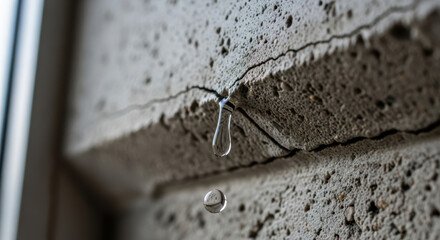
A slab leak is one of the more difficult plumbing problems for a homeowner to identify because the leaking pipe may be beneath the concrete foundation of the house.
You may not see water coming from a pipe at all.
Instead, the first clue might be a water bill that suddenly increases, a warm area of flooring, unexplained dampness, low water pressure, or the sound of water running when every fixture appears to be turned off.
The City of Bellaire specifically advises residents to monitor their water meter for unexplained usage and notes that foundation and underground leaks can be difficult to find and may require professional help.
That makes early investigation important.
A slab leak does not necessarily mean the foundation itself has failed. In most cases, the concern is a water-supply or plumbing line located beneath or near the concrete slab that has developed a leak.
The longer water escapes unnoticed, the more water is wasted and the greater the possibility of damage to flooring, walls, furnishings, and other parts of the property.
What Is a Slab Leak?
A slab leak occurs when a plumbing pipe beneath a concrete slab develops a leak.
Many homes have water lines routed through or beneath the foundation. When one of these lines fails, the concrete can conceal the problem from view.
There are generally two situations homeowners may encounter:
- Hot-water line leaks, which can sometimes create unusually warm flooring.
- Cold-water line leaks, which may produce damp areas or other less obvious symptoms.
A slab leak can be small and slow or large enough to cause continuous water loss.
Importantly, a warm floor, damp spot, or high water bill does not prove that a slab leak exists. Similar symptoms can come from toilets, irrigation systems, water heaters, underground service lines, HVAC systems, or other plumbing problems.
That is why proper diagnosis matters.
Why Do Slab Leaks Happen?
Several factors can contribute to a hidden foundation leak.
Aging Plumbing
Older plumbing systems may eventually develop corrosion, deterioration, or weakened connections.
Corrosion
Metal pipes can deteriorate internally or externally over time. Corrosion can eventually create a weak point where water escapes.
Pipe Movement
Changes in soil conditions, building movement, or stress on plumbing can contribute to pipe problems.
Poor Installation
Improperly installed piping, inadequate support, unsuitable connections, or other installation issues can contribute to premature failures.
Water Pressure Problems
Excessive or poorly controlled pressure can place additional stress on plumbing components.
Abrasion
A pipe that repeatedly rubs against surrounding material can eventually become damaged.
Material Deterioration
Different plumbing materials have different aging characteristics. The age and type of piping should be considered when diagnosing repeated failures.
Signs You Should Never Ignore
A slab leak can be difficult to see, but the house often provides clues.
1. Your Water Meter Moves When Everything Is Off
Turn off faucets, appliances, irrigation, and other water-consuming fixtures.
Then check the meter.
Bellaire's utility guidance recommends comparing water-meter readings after a period when no water is being used to identify possible leaks.
If the meter continues showing water usage, investigate further.
A moving meter does not automatically prove a slab leak. It only tells you that water may be flowing somewhere.
2. Your Water Bill Suddenly Increases
An unexplained increase in water consumption is one of the most useful clues.
If your household's habits have not changed but the bill repeatedly rises, a hidden leak deserves investigation.
3. You Hear Running Water
Do you hear water moving through the plumbing even though every faucet is off?
A continuous sound of running water can indicate an active leak.
It can also result from a toilet, appliance, irrigation system, or another plumbing component, so further testing is needed.
4. A Floor Feels Unusually Warm
A warm or hot area of flooring can sometimes indicate a leaking hot-water line beneath the slab.
This is a particularly useful clue when the warm area remains noticeably different from the surrounding floor.
5. Flooring Becomes Damp
Unexpected moisture, wet carpet, warped flooring, loose tiles, or damp areas can indicate water escaping below the surface.
Do not assume the moisture is harmless simply because there is no visible pipe.
6. Water Pressure Drops
A hidden supply-line leak can sometimes contribute to reduced pressure.
However, low pressure has many possible causes, including municipal supply issues, valves, fixtures, pressure regulators, and restricted plumbing.
7. Musty Odors Appear
Persistent musty or mildew-like smells may indicate unwanted moisture.
If the odor is concentrated near flooring or walls without an obvious source, investigate it.
8. Cracks or Changes in Flooring Appear
Cracks are not proof of a slab leak.
Homes can develop cracks for many reasons.
But unexplained flooring changes combined with other leak symptoms deserve professional attention.
9. Water Appears Near the Foundation
Unexpected wet soil or standing water near the house can have many causes, including irrigation and rain.
If the area remains wet without recent rainfall or irrigation, investigate further.
How Can You Check for a Hidden Slab Leak?
Homeowners can perform a few basic checks before calling a plumber.
Check All Water-Using Fixtures
Make sure:
- Faucets are closed
- Toilets are not continuously running
- Washing machines are off
- Dishwashers are not operating
- Irrigation is off
- Outdoor faucets are closed
- Water-softening equipment is accounted for
Check the Water Meter
Once water use has stopped, observe the meter.
If it continues registering consumption, there may be a leak somewhere on the property.
Bellaire's official leak-detection guidance specifically recommends checking the meter during a period when the property is not using water.
Do Not Immediately Assume It Is a Slab Leak
This is important.
A meter that moves could indicate:
- Toilet leakage
- Irrigation leakage
- Water heater leakage
- Underground service-line leakage
- Faucet leakage
- Appliance leakage
- Wall or ceiling plumbing
- Slab plumbing
Professional testing is needed to identify the location.
How Do Plumbers Find a Slab Leak?
Finding a leak beneath concrete is different from repairing an exposed pipe.
A professional may use several diagnostic steps.
Step 1: Review the Symptoms
The plumber asks when the problem started and what you have noticed.
Important information includes:
- Water-bill changes
- Warm flooring
- Damp spots
- Pressure changes
- Running-water sounds
- Previous plumbing repairs
Step 2: Perform a Meter or Pressure Test
Testing can help determine whether water is escaping while the plumbing system is supposed to be inactive.
Step 3: Isolate Plumbing Sections
The technician may isolate different portions of the plumbing system to determine whether the problem is associated with a particular line.
Step 4: Check Hot and Cold Lines
If the symptoms suggest a hot-water leak, the plumber may test the hot-water system separately.
This can narrow the search area.
Step 5: Use Leak-Detection Equipment
Depending on the property, professionals may use:
- Acoustic listening equipment
- Electronic leak detection
- Thermal imaging
- Moisture meters
- Pressure-testing equipment
- Pipe inspection cameras where appropriate
Leak-detection companies serving Bellaire advertise technologies such as infrared cameras and acoustic sensors for locating hidden plumbing leaks.
Step 6: Pinpoint the Location
The goal is to identify the likely leak location before opening concrete or flooring.
This can reduce unnecessary demolition.
Can You Find a Slab Leak Yourself?
You can look for warning signs and perform a basic water-meter check.
However, homeowners generally cannot accurately pinpoint a hidden slab leak without specialized equipment and testing.
Avoid breaking concrete based only on a warm spot or damp floor.
You could open the wrong area, create unnecessary damage, and still not reach the failed pipe.
A professional diagnosis should come before major demolition.
What Happens During Slab Leak Repair?
Once the leak is located, the plumber determines which repair method is appropriate.
Localized Pipe Repair
If the failure is isolated and the surrounding plumbing is in good condition, a section of pipe may be repaired or replaced.
Rerouting
In some situations, rerouting a water line may be more practical than accessing the pipe beneath the slab.
Pipe Replacement
If the existing plumbing has widespread deterioration or repeated failures, broader replacement may be considered.
Accessing the Slab
When necessary, a plumber may create a controlled access point to reach the failed pipe.
The exact method depends on the pipe location, flooring, foundation configuration, and repair plan.
How Long Does Slab Leak Repair Take?
There is no universal timeline.
Simple Detection
If the leak location is easy to identify, diagnosis may be relatively straightforward.
Difficult Leak Detection
Multiple possible leak locations, complex plumbing layouts, or intermittent symptoms can increase diagnostic time.
Localized Repair
A straightforward accessible repair may take less time than a repair requiring concrete or flooring access.
Rerouting
Rerouting a pipe can require additional planning and installation work.
Restoration
Concrete, tile, wood flooring, cabinets, drywall, or other building materials may require separate restoration after the plumbing repair.
Ask the plumber which work is included in the estimate and which restoration services may require another contractor.
How Much Does Slab Leak Repair Cost?
There is no responsible fixed price without identifying the leak.
Costs can vary depending on:
- Leak-detection requirements
- Pipe location
- Pipe material
- Repair method
- Accessibility
- Concrete access
- Flooring type
- Labor
- Replacement materials
- Emergency service
- Rerouting requirements
- Water damage
- Restoration
- Permits, if applicable
A leak beneath a garage slab may present different access challenges than a leak beneath a tiled living area.
Likewise, repairing one failed section is very different from replacing aging plumbing throughout the property.
Repair or Reroute: Which Is Better?
Neither option is automatically correct.
Repair May Make Sense When:
- The failure is isolated
- Surrounding pipes appear healthy
- The leak location is accessible
- The existing plumbing material remains serviceable
Rerouting May Be Worth Considering When:
- Accessing the pipe would require significant demolition
- The affected line is difficult to reach
- The existing pipe has recurring problems
- A new route provides a more practical long-term solution
A qualified plumber should explain why one option is recommended instead of simply presenting the most expensive alternative.
Hidden Truths Homeowners Should Know
A High Water Bill Does Not Prove a Slab Leak
Other plumbing systems can waste water.
A Warm Floor Is a Clue, Not a Diagnosis
Hot-water leaks can create warm areas, but other conditions can produce unusual floor temperatures.
The Visible Moisture May Not Be Near the Leak
Water can travel through soil and building materials before becoming visible.
Small Leaks Can Waste Significant Water
Bellaire's utility guidance emphasizes that even small leaks can add up over time.
Concrete Should Not Be Broken Without a Plan
Professional leak location can help minimize unnecessary demolition.
One Slab Leak May Reveal a Larger Plumbing Problem
If the plumbing system is old and multiple lines are failing, a broader assessment may be appropriate.
A Successful Plumbing Repair Does Not Automatically Restore the Property
Flooring, concrete, drywall, cabinetry, and other materials may require additional restoration.
Insurance Coverage Depends on the Policy
Do not assume every plumbing leak or resulting damage will be covered. Contact your insurance company promptly if you believe a loss may be claimable and follow its documentation requirements.
15 Common Mistakes Homeowners Make
- Ignoring a rising water bill — Investigate unexplained increases.
- Assuming the utility company made an error — Check your home's water usage first.
- Ignoring running-water sounds — Continuous sounds deserve investigation.
- Assuming every warm floor is a slab leak — Use professional testing to confirm the source.
- Breaking concrete immediately — Locate the leak before creating access.
- Ignoring low water pressure — It can have several causes and should be diagnosed.
- Repairing only visible moisture — The water source may be hidden.
- Waiting until flooring is damaged — Early detection can reduce disruption.
- Using temporary plumbing patches indefinitely — Temporary solutions are not always suitable long-term repairs.
- Ignoring recurring leaks — Repeated failures may indicate broader deterioration.
- Choosing a plumber based only on price — Compare diagnostic methods and repair scope.
- Failing to ask how the leak was located — Understanding the diagnosis helps you make an informed decision.
- Ignoring water damage after the pipe is repaired — Hidden moisture may remain.
- Assuming a slab leak always requires concrete excavation — Rerouting may sometimes be considered.
- Waiting for a major emergency — A small hidden leak can continue wasting water for a long time.
Maintenance Tips to Reduce Slab Leak Risk
- Monitor your monthly water bills.
- Check your water meter periodically.
- Know where your main water shutoff valve is located.
- Repair leaking faucets promptly.
- Fix running toilets.
- Inspect accessible plumbing connections.
- Watch for unexplained damp flooring.
- Investigate musty odors.
- Pay attention to unexplained running-water sounds.
- Monitor changes in water pressure.
- Inspect water heater connections.
- Have recurring leaks professionally evaluated.
- Keep records of previous plumbing repairs.
- Consider a plumbing inspection when purchasing an older home.
- Have suspected underground leaks tested promptly.
- Avoid unnecessary pressure on plumbing connections.
- Address water-pressure problems.
- Inspect irrigation systems for hidden leaks.
- Know which plumbing lines run beneath the slab when possible.
- Schedule professional leak detection when multiple warning signs occur together.
When Should You Call an Emergency Plumber?
A suspected slab leak is especially urgent when water loss is substantial or the source cannot be controlled.
Call for emergency plumbing assistance when:
- The water meter continues moving rapidly
- Water is actively flooding the property
- You cannot shut off the water
- A major supply line has failed
- Water is entering occupied areas
- Flooring is becoming saturated
- Water is reaching electrical equipment
- Multiple plumbing fixtures suddenly lose pressure
- A major underground leak is suspected
If water is near electrical equipment, do not walk through standing water or attempt to operate electrical equipment in an unsafe area.
The immediate goal is to protect people, stop the water when possible, and limit property damage.
People Also Ask About Slab Leaks in Bellaire
What is the first sign of a slab leak?
A sudden unexplained increase in water usage, a water meter that continues moving when everything is off, unusual warm flooring, damp areas, or unexplained running-water sounds can be early clues. None of these signs alone proves a slab leak.
How can I check for a slab leak myself?
Turn off all water-using fixtures and appliances and observe the water meter. If it continues showing water usage, there may be a leak somewhere on the property. Bellaire's utility guidance recommends this type of meter check.
Can a slab leak cause low water pressure?
It can, particularly if a pressurized water line is losing water. However, low pressure can have many other causes, so professional diagnosis is important.
Can a slab leak cause a high water bill?
Yes. A continuously leaking water line can increase water consumption. A higher bill, however, does not identify the location of the leak.
Can you hear a slab leak?
Sometimes. Homeowners may hear water running or hissing when all fixtures are off. The sound may be subtle, and professional acoustic equipment can help identify hidden leaks.
Does a slab leak always cause visible water?
No. A leak beneath concrete can remain hidden for some time. Some homeowners first notice changes in water usage, pressure, flooring temperature, or sound rather than visible water.
How do plumbers locate a slab leak?
They may combine meter testing, pressure testing, isolation tests, acoustic detection, thermal imaging, moisture measurements, and other diagnostic methods to narrow down the location.
Does a slab leak damage the foundation?
A plumbing leak beneath a slab can contribute to moisture-related problems around the foundation and property. However, not every slab leak causes structural foundation damage. The plumbing and building conditions should be professionally evaluated.
Does a slab leak require breaking concrete?
Not always. Depending on the plumbing layout and location, a plumber may recommend a localized access repair or rerouting the affected line.
Is a slab leak an emergency?
It can be, particularly when there is significant continuous water loss, flooding, major pressure loss, or water entering areas where it can cause immediate property damage.
How long does slab leak repair take?
The timeline depends on how quickly the leak can be located, where the pipe is located, the repair method, access requirements, and whether flooring or concrete restoration is necessary.
How much does slab leak detection cost?
There is no universal price. The cost depends on the property's plumbing configuration, diagnostic equipment required, accessibility, and complexity of locating the leak. Request a property-specific estimate rather than relying on a generic online price.
Why Choose a Qualified Plumbing Professional?
A hidden foundation leak requires more than simply finding where water appears.
The plumber should determine:
- Whether there is actually a leak
- Where the leak is located
- Whether it is on a hot or cold line
- What caused the failure
- Whether the surrounding plumbing is in good condition
- Whether repair or rerouting is appropriate
- What access and restoration will be required
When choosing a plumbing company serving Bellaire, look for appropriate Texas licensing and qualifications, experience with leak detection, clear estimates, modern diagnostic equipment, and an explanation of the proposed repair.
Do not approve extensive excavation or repiping without understanding why that work is necessary.
Slab Leak Detection and Plumbing Help in Bellaire, TX
A slab leak is difficult precisely because the problem may be hidden beneath your home.
If you notice an unexplained water-bill increase, warm flooring, damp areas, low water pressure, unusual running-water sounds, or persistent moisture, do not automatically assume the problem will disappear.
Start with a safe water-use and meter check. If the evidence points toward a hidden leak, professional detection can help determine where the water is escaping before unnecessary concrete or flooring is removed.
For homeowners and businesses in Bellaire, West University Place, Southside Place, Meyerland, River Oaks, Westchase, Galleria, Medical Center, and surrounding Houston communities, contact Emergency Plumbing in Houston Heights at 844-833-2093.
Ask about a professional plumbing inspection, hidden leak diagnosis, or slab leak assessment.
Call 844-833-2093 to request an inspection or plumbing estimate for a suspected slab leak in Bellaire, TX.