Why Backflow Prevention Matters for Houston Plumbing Systems
Discover why backflow prevention is vital for Houston plumbing systems, protecting drinking water from contamination risks during pressure drops.

Understanding Backflow and Its Dangers
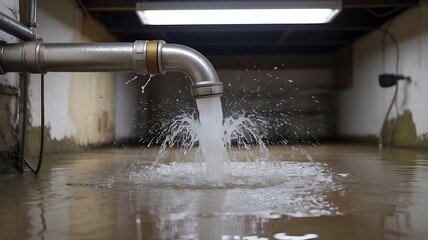
Backflow is an unwanted reversal of water flow in a plumbing system, moving potentially contaminated water backward from a private property into the public municipal water supply or clean internal supply lines. Normally, water flows under positive pressure from the city main into your home or business. However, when pressure dynamics shift suddenly, water can flow in reverse, pulling chemicals, fertilizers, waste, or stagnant water backward through cross-connections.
Protecting this boundary is essential for public health and property safety. Without working backflow prevention assemblies, everyday activities involving irrigation systems, commercial equipment, or auxiliary water sources can introduce hazardous pathogens and chemicals straight into drinking water taps.
The Mechanics Behind Backflow: Backsiphonage vs. Backpressure
To understand why prevention devices are mandatory across many Houston properties, you must examine the two primary physical forces that cause reverse flow:
Why Houston’s Infrastructure and Climate Increase Risks
Certain local environmental and structural factors make cross-connection control particularly critical throughout the Houston area. High water tables, expansive clay soils, and heavy storm events place unique demands on municipal and private infrastructure alike.
Furthermore, Houston’s long growing seasons mean underground lawn irrigation systems and commercial turf management setups run frequently. These outdoor networks are prime candidates for cross-connection. Without certified backflow assemblies, fertilizers, herbicides, and standing water from sprinkler heads sitting in puddles can be drawn back into the household or commercial water supply.
Commercial properties, restaurants, multi-family apartment complexes, and medical facilities face rigorous municipal mandates regarding annual backflow testing because their internal plumbing networks present higher hazard levels. Local utility authorities enforce these rules strictly to safeguard the collective water grid.
Common Types of Backflow Prevention Assemblies
Not all backflow preventers are the same. Plumbers select specific mechanical assemblies based on the degree of hazard and the specific configuration of the plumbing system:
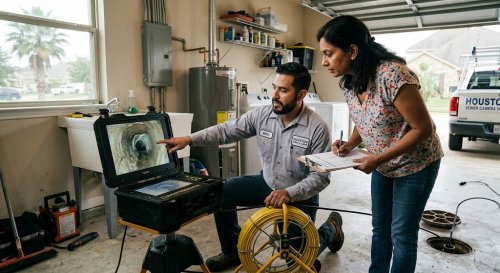
How Plumbers Diagnose and Test Backflow Assemblies
Backflow preventers rely on internal springs, rubber seals, and check valves that degrade over time due to mineral scaling, water pressure fluctuations, and normal wear. A visual check is never enough to determine if an assembly is working correctly.
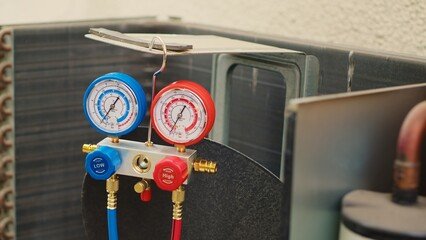
Licensed backflow testers use specialized differential pressure gauges to perform standardized field tests. They connect test kits to specific test cocks on the assembly to measure the exact pressure holding capacity of each check valve and the opening threshold of the relief valve. If pressure drops below acceptable thresholds or if a valve leaks backward, the assembly fails certification and requires internal rebuilding or replacement.
Safe Homeowner Practices and What NOT to Do
Property owners can take safe, proactive steps to protect their water systems without risking safety or violating plumbing codes:
Repair Versus Replacement Considerations
When a backflow assembly fails its annual test, a plumber must decide whether a repair kit (replacing internal springs, discs, and seals) or a full assembly replacement is necessary.
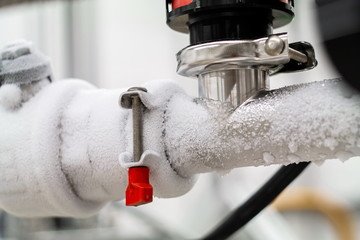
Simple rebuilds are often cost-effective when the brass body is clean, undamaged, and free of internal pitting. However, if the brass body has suffered freeze damage, severe cracking, or internal wall wear, a complete replacement is the only safe option. Furthermore, older legacy models that no longer meet current approval standards may need to be upgraded entirely to maintain compliance with municipal codes.
Cost Factors for Backflow Testing, Repair, and Installation
Backflow service pricing varies based on several distinct factors rather than a flat rate. Understanding these drivers helps property owners evaluate service estimates realistically:
When reviewing an estimate for major backflow work, always ask whether the quote includes municipal paperwork submission, whether the technician holds a current state-recognized backflow testing license, and whether OEM (original equipment manufacturer) replacement parts will be used.
Frequently Asked Questions
Why do I need to test my backflow preventer every year?
Mechanical components inside backflow preventers, such as rubber check valve seals and internal springs, degrade, harden, or collect mineral scale over time. Annual testing ensures these parts still seal perfectly, protecting your drinking water from hidden contamination.
Can I test my own backflow preventer to save money?
No. State and municipal regulations require backflow testing to be performed by a licensed cross-connection control technician using calibrated, certified test gauges. Self-testing is not legally recognized by municipal water authorities.
What causes a backflow preventer to leak from the relief valve?
An intermittent or continuous discharge from the middle relief valve of an RPZ assembly usually indicates that debris has lodged under one of the internal check valves, or that incoming water pressure fluctuations are destabilizing the internal pressure differential.
Does every home in Houston require a backflow preventer?
Not every single residential property requires a complex commercial-grade assembly, but properties equipped with in-ground lawn irrigation systems, auxiliary water wells, or dedicated fire suppression lines are legally required to maintain approved backflow prevention assemblies.
What happens if I fail to submit my annual backflow test report?
If a required backflow test report is not submitted to the local water authority by the designated deadline, the municipality may issue citations, apply penalties, or ultimately shut off water service to the property until compliance is restored.