How Mineral Deposits Affect Water Heaters: Signs & Fixes
Learn how hard water mineral deposits damage storage and tankless water heaters, what symptoms to look for, and how to maintain your system effectively.


Understanding Mineral Deposits in Water Heaters
When municipal or well water enters a home, it carries dissolved minerals—primarily calcium and magnesium. These minerals are completely harmless to drink, but they undergo a chemical transformation inside a water heater. As incoming cold water is heated, these dissolved minerals drop out of the solution and solidify. Over time, they accumulate at the bottom of a standard tank water heater or plate your tankless heat exchanger in a hard, insulating crust known as scale.
In areas with hard water, this accumulation is a constant, silent process. Left unmanaged, mineral buildup changes how efficiently your equipment runs, alters water pressure, creates strange noises, and eventually leads to premature equipment failure. Understanding how these deposits form and how to spot their early warning signs can save property owners from unexpected cold showers and costly premature replacements.
How Sediment Damages Tank Water Heaters
In a standard storage-tank water heater, sediment collects directly on the bottom floor of the tank. This physical layer of sand-like or chalky debris creates a barrier between the gas burner or lower electric heating element and the water itself.
Decreased Energy Efficiency: Because the mineral layer sits directly between the heat source and the water, the burner must fire longer to achieve the target temperature. This extra run time wastes energy and increases utility bills.
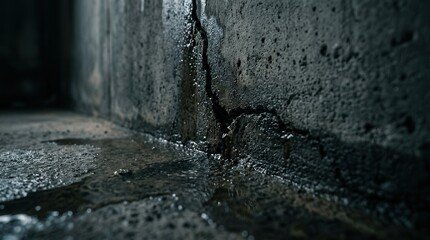
Overheating and Tank Damage: The trapped heat causes the bottom of the steel tank to become abnormally hot. In gas units, this localized overheating can cause the metal to fatigue, leading to micro-fractures, popping sounds, and eventual leaks. In electric units, it can cause elements to burn out prematurely.
Reduced Hot Water Capacity: As the sediment pile grows taller, it displaces usable water volume inside the tank. A 50-gallon tank with several inches of heavy sediment may hold significantly less water than its rated capacity, leading to shorter hot water showers.
The Unique Impact on Tankless Water Heaters
Tankless water heaters do not store water, meaning they do not accumulate a pile of sediment at the bottom of a tank. Instead, they utilize a compact heat exchanger with narrow internal channels. As water rushes past these heated coils, dissolved minerals rapidly bake onto the metal surfaces.
This internal scale acts as a heavy blanket. Even a thin layer of scale inside a tankless heat exchanger severely restricts heat transfer. Modern tankless units monitor incoming and outgoing temperatures closely; when scale buildup prevents efficient heat transfer, the unit triggers error codes, restricts flow, or cycles off entirely to prevent self-destruction. In homes utilizing groundwater or very hard municipal supplies, this scaling happens much faster and requires scheduled descaling maintenance.
Symptoms and Clues That Indicate Mineral Buildup
Mineral accumulation rarely happens overnight. Your plumbing system usually provides clear warning signs long before permanent damage occurs. Watch for these diagnostic indicators:
Rumbling or Popping Noises: If you hear deep rumbling, knocking, or popping sounds coming from your water heater tank, it is usually caused by trapped water boiling underneath a layer of sediment.
Discolored or Metallic Water: Brownish or rust-tinted water drawn from the hot side only can indicate that sediment is accelerating internal tank corrosion.
Inconsistent Water Temperatures: If your hot water runs out much faster than it used to, sediment displacement or a scaled-up dip tube may be restricting performance.
Reduced Flow at Hot Faucets: If hot water pressure drops significantly while cold pressure remains steady, scale flakes may have broken loose and clogged your fixture aerators or the water heater's outlet nipples.
Safe Homeowner Checks and Maintenance Steps
Property owners can take specific, safe steps to monitor and mitigate mineral buildup without risking water damage or personal injury.
Check Fixture Aerators: Unscrew the mesh screens on your kitchen and bathroom faucets. If you find white, gritty particles trapped inside, those are mineral fragments traveling out of your water heater.
Monitor Recovery Time: Pay attention to how long it takes your water heater to reheat after a heavy draw. A noticeable increase in heating time often points to internal scaling.
Schedule Annual Flushing: For standard tank water heaters, draining a few gallons through the bottom drain valve once a year can help clear loose sediment before it hardens. For tankless units, isolation valve kits allow homeowners or technicians to pump a descaling solution through the system.
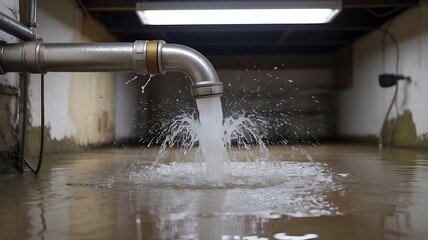
Safety Warning: Never attempt to flush a water heater if you suspect the sediment has completely cemented the bottom drain valve shut, or if you are unfamiliar with shutting off gas or electrical supplies to the unit. Forcing a stuck valve can snap it off, triggering an uncontrollable indoor flood.
Hidden Causes and Diagnostic Realities
Sometimes, symptoms that look like mineral problems point elsewhere, or hidden factors complicate simple maintenance:
Anode Rod Depletion: The sacrificial anode rod inside a storage tank protects the steel walls from rusting. Once the anode rod is completely consumed by hard water minerals, rust accelerates rapidly. Many homeowners mistake heavy rust flakes for sediment.
Incorrect Water Heater Sizing: A small household with a properly sized unit may tolerate hard water longer, whereas a large family using maximum capacity will bake minerals onto heating elements much faster due to constant high-fire cycling.
City Water Treatment Shifts: Municipal water treatment changes can alter water chemistry, occasionally causing previously stable mineral layers inside older pipes and heaters to shed suddenly into the water supply.
Repair Versus Replacement Considerations
When mineral deposits have heavily damaged a water heater, property owners must decide whether to service, repair, or replace the unit.
Component Replacement: If scale has burned out an electric heating element or ruined a thermostat, replacing those individual components makes financial sense—provided the tank itself is structurally sound.
Professional Descaling: Tankless units heavily choked with scale can often be restored to full operation through professional chemical descaling, provided the heat exchanger walls have not warped or cracked from overheating.
Full Tank Replacement: If a storage tank is over 10 to 12 years old, has heavy sediment accumulation, and has begun leaking through the steel body due to localized overheating, repair is impossible. Replacement is the only safe option.
Factors That Affect Service and Replacement Costs
When professional service or replacement is required, several variables dictate the final investment:
Type of Unit: Standard gas and electric storage tanks involve different labor scopes than complex wall-mounted tankless systems.
Accessibility: Units located in tight attic spaces, specialized closets, or elevated garage platforms require more labor to service safely than units in open, accessible utility rooms.
Code Upgrades: Replacing an older water heater often requires bringing surrounding elements up to current safety standards, such as installing modern thermal expansion tanks, seismic straps, updated venting, or drain pans.
Water Treatment Integration: In regions with exceptionally hard water, pairing a new water heater installation with a whole-house water softener prevents future mineral damage, adding to the initial project scope but drastically extending equipment lifespan.
Frequently Asked Questions
Can I use chemical descaling solutions in a standard tank water heater?
Chemical descaling is generally reserved for tankless water heaters. Standard storage tanks are best managed through regular annual flushing and maintaining a healthy sacrificial anode rod.
How often should a water heater be flushed in hard water areas?
In areas with significant mineral content, storage water heaters should be flushed at least once a year. Homes with extremely hard well water may benefit from semi-annual maintenance.
Will a water softener eliminate mineral buildup in an existing water heater?
A water softener prevents new scale from forming by removing calcium and magnesium ions. However, it will not dissolve existing hard scale that has already baked onto heating elements or tank walls.
Why does my water heater make a loud popping noise when it fires?
That sound is water trapped beneath a layer of hardened mineral sediment coming to a boil. As steam bubbles push up through the dense sediment layer, they create a popping or rumbling sound.
Does mineral buildup cause water heaters to leak?
Yes. Over time, the insulating layer of sediment causes localized overheating on the bottom of the tank, stressing the steel and welds until micro-fractures develop, resulting in slow leaks.