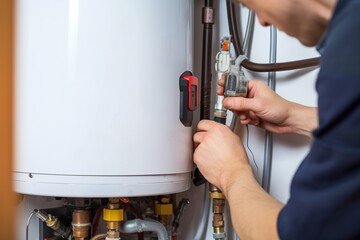
Water Heater Not Working? What to Check First
Is your water heater not working? Learn what to check, common causes, warning signs, repair steps, costs, and when to call a Houston plumber.
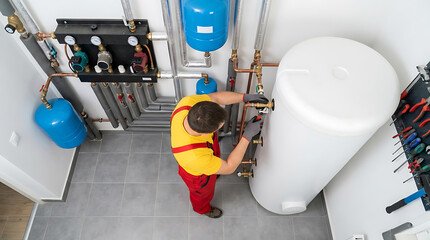
Water Heater Not Working? Start With These Checks
Few plumbing problems are as frustrating as turning on the shower and discovering that the water never gets hot. A water heater that is not working can affect showers, washing machines, dishwashers, sinks, and other everyday activities.
The problem may be something relatively simple, such as a tripped electrical breaker or a thermostat setting. In other situations, the water heater may have a failed heating element, gas supply problem, sediment buildup, damaged component, or leak that requires professional attention.
Houston homeowners can also face additional challenges from hard water, aging equipment, high household demand, and mineral buildup. If your water heater suddenly stops producing hot water, knowing what to check can help you determine whether the issue is minor or whether you need a professional plumber.
What Does It Mean When a Water Heater Is Not Working?
A water heater that is not working may produce no hot water, insufficient hot water, inconsistent temperatures, discolored water, unusual noises, or water around the tank.
The cause depends partly on the type of water heater you have.
A traditional electric water heater uses electrical heating elements to heat water inside the tank. A gas model uses a burner. Tankless systems heat water as it passes through the unit.
For example, if an electric water heater suddenly stops producing hot water throughout the house, the electrical supply or heating elements could be involved. If a gas water heater stops heating, the gas supply, pilot system, burner, thermostat, or another component may be responsible.
A small problem can sometimes be corrected quickly. However, opening electrical panels, working around gas appliances, or attempting to repair pressurized plumbing without the right experience can create serious safety risks.
Why Is My Water Heater Not Working?
Several problems can cause a water heater to stop working properly.
Tripped Circuit Breaker
Electric water heaters require substantial electrical power. A tripped breaker can interrupt power to the unit.
If the breaker has tripped once, you may reset it according to the manufacturer's instructions. If it repeatedly trips, do not continue resetting it. Repeated trips can indicate an electrical or equipment problem that should be investigated.
Failed Heating Element
Electric water heaters commonly contain heating elements. Over time, these elements can burn out or become coated with mineral deposits.
A failed element may result in lukewarm water or no hot water at all.
Thermostat Problems
The thermostat controls water temperature. A malfunctioning thermostat can prevent the heater from maintaining the correct temperature.
Avoid repeatedly adjusting temperature settings in an attempt to compensate for a mechanical failure.
Gas Supply or Burner Problems
Gas water heaters depend on a functioning gas supply and burner system. Problems with the pilot assembly, burner, gas control valve, or gas supply can prevent the unit from heating water.
If you smell gas, leave the area and contact the appropriate emergency service. Do not attempt to repair a gas appliance yourself.
Sediment Buildup
Minerals and sediment can accumulate inside a storage tank. This is particularly relevant in areas where water contains higher levels of dissolved minerals.
Heavy sediment can reduce efficiency, contribute to unusual popping or rumbling sounds, and shorten equipment life.
Faulty Dip Tube
The dip tube directs incoming cold water toward the bottom of a traditional storage tank. If it breaks or deteriorates, cold water can mix improperly with heated water.
One possible result is suddenly having much less hot water than usual.
Aging Water Heater
Water heaters do not last forever. As equipment ages, components can fail and the risk of leaks can increase.
Sometimes repairing an older unit makes sense. In other cases, replacement may provide better long-term value.
Signs You Should Never Ignore
A water heater problem deserves prompt attention when you notice additional warning signs.
Water around the tank: A leaking tank or connection can cause property damage.
Rust-colored water: This can indicate corrosion somewhere in the water-heating system or plumbing.
Strange popping or rumbling: Sediment accumulation can cause these sounds in storage-type heaters.
Repeated breaker trips: This can indicate an electrical problem.
Water that is too hot: Excessive temperature can create a scalding hazard.
No hot water: Complete loss of hot water may indicate a failed heating component, control problem, or fuel/electrical issue.
Hot water running out unusually fast: This can occur because of a failing heating element, thermostat issue, sediment, increased household demand, or an undersized unit.
Visible corrosion: Rust around connections, valves, or the tank should not be ignored.
A leaking pressure-relief valve: This can indicate excessive pressure, temperature problems, or a failing valve.
Common Plumbing Problems Related to Water Heater Failure
A water heater problem may occur alongside other plumbing issues.
Common related problems include:
- Leaking supply connections
- Corroded shutoff valves
- Excessive water pressure
- Sediment buildup
- Faulty pressure-relief valves
- Damaged expansion tanks
- Pipe leaks
- Poorly insulated hot-water lines
- Drainage problems
- Aging plumbing connections
For example, a homeowner may assume the water heater has failed because there is no hot water, only to discover that an electrical problem is preventing the unit from operating.
This is why proper diagnosis matters before replacing expensive equipment.
What Should You Check Before Calling a Plumber?
There are a few basic observations homeowners can safely make.
First, determine whether all hot water is affected or only one fixture. If only one faucet or shower has a problem, the water heater may not be the cause.
Next, identify whether the system is electric, gas, tankless, or another type.
For an electric unit, check whether the appropriate circuit breaker has tripped. If it immediately trips again, leave it alone and arrange professional service.
For a gas unit, look for obvious signs that the appliance is not operating normally, but do not disassemble the gas controls.
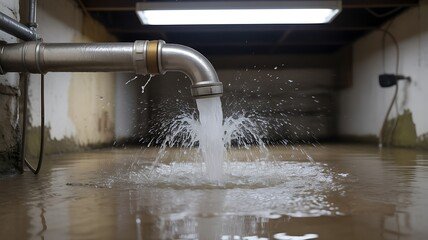
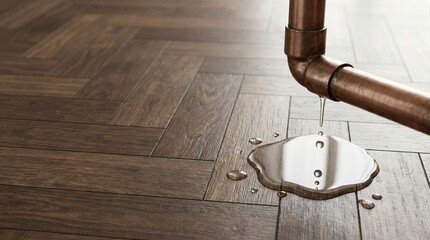
Check for visible leaks around the tank and connections. If water is actively leaking, shut off the water supply to the heater if you can safely identify the correct valve and contact a plumber.
Never remove safety components or attempt to bypass controls.
Step-by-Step Professional Water Heater Repair Process
A professional plumber will generally approach the problem systematically.
Step 1: Inspection
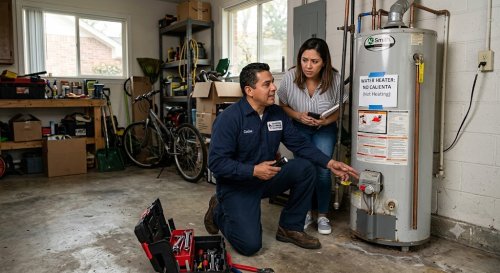
The plumber examines the water heater, connections, valves, surrounding area, and visible plumbing.
Step 2: Diagnosis
The technician determines whether the problem involves electricity, gas, heating components, controls, sediment, pressure, plumbing connections, or the tank itself.
Step 3: Estimate
Before major repair or replacement work begins, the plumber should explain the recommended solution and associated costs.
Step 4: Repair or Replacement
Depending on the diagnosis, the technician may replace a component, correct a connection, flush the system, repair a valve, or recommend replacing the water heater.
Step 5: Testing
The system should be tested to confirm that it is operating properly and safely.
Step 6: Cleanup
The work area should be left reasonably clean, especially when water has leaked.
Step 7: Maintenance Advice
A good plumbing professional should explain what caused the problem and what maintenance may help prevent a repeat occurrence.
Can You Fix a Water Heater Yourself?
Some basic checks are reasonable for homeowners, but water heater repairs are not always good DIY projects.
You can generally:
- Check whether an electric breaker has tripped
- Check the thermostat setting without opening electrical compartments
- Look for visible leaks
- Identify whether the unit is gas or electric
- Check whether hot water is available at multiple fixtures
- Read the manufacturer's troubleshooting information
Avoid attempting electrical repairs, gas-line work, burner repairs, pressure-relief valve modifications, or tank repairs unless you are properly qualified.
A water heater combines water, heat, pressure, electricity, and sometimes natural gas. A mistake can result in burns, flooding, electrical shock, fire, or equipment damage.
Tools Professional Plumbers Use
Depending on the problem, a professional plumber may use:
- Electrical testing equipment
- Gas-appliance diagnostic equipment
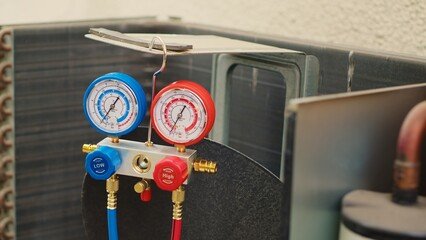
- Pressure gauges
- Thermometers
- Inspection tools
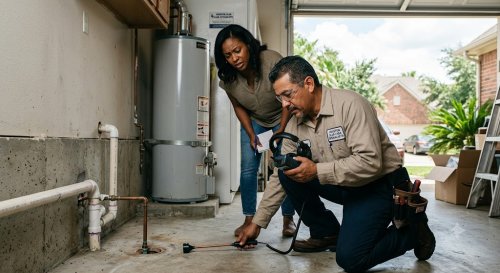
- Leak detection equipment
- Pipe inspection cameras
- Water pressure testing equipment
- Specialized flushing equipment
Modern diagnostic tools can help identify the actual cause rather than replacing components based only on symptoms.
How Long Does Water Heater Repair Take?
The repair time depends on the type of equipment and the problem.
A simple adjustment or accessible component replacement may take relatively little time. A complicated repair, extensive sediment problem, difficult installation, or full water heater replacement can take considerably longer.
Emergency situations may require immediate stabilization first, followed by permanent repairs.
Access also matters. A water heater located in a cramped attic, closet, garage corner, or difficult-to-reach utility area may require additional time.
How Much Does Water Heater Repair Cost?
There is no responsible single price for every water heater repair.
Costs can vary depending on:
- Diagnostic fees
- Labor
- Replacement parts
- Type and size of water heater
- Electric versus gas equipment
- Emergency service
- Accessibility
- Required equipment
- Permits, when applicable
- Extent of water damage
- Repair versus replacement
- Local labor rates
A minor component replacement can be very different from replacing an entire water heater.
Before approving significant work, ask what failed, whether repair or replacement is recommended, what parts are required, and whether there are additional charges.
Hidden Truths Homeowners Should Know
There are several realities homeowners often discover only after a plumbing emergency.
Small leaks can become expensive repairs. A slow leak may eventually damage flooring, drywall, cabinets, or framing.
Temporary fixes are not always permanent solutions. Tightening a connection may stop a small drip temporarily, but it does not necessarily address corrosion or equipment failure.
Neglected plumbing may create insurance complications. Coverage depends on the individual policy and circumstances, and maintenance-related damage may be treated differently from sudden accidental damage.
Hard water can shorten equipment life. Mineral accumulation can affect water heaters, faucets, valves, and other plumbing components.
DIY mistakes can increase repair costs. Incorrect wiring, damaged fittings, or improperly installed components may turn a manageable repair into a larger one.
Delaying repairs can cause structural damage. Water can travel behind walls and underneath flooring before the source becomes obvious.
Hidden leaks can increase utility bills. A continuous leak wastes water and can raise monthly expenses.
Mold can develop in persistently damp areas. Water damage should be addressed promptly.
Maintenance can extend equipment life. Following the manufacturer's maintenance recommendations and having the system inspected when appropriate can help identify developing problems early.
15 Common Plumbing Mistakes Homeowners Make
- Ignoring small leaks — Repair minor leaks before they become major water damage.
- Resetting a repeatedly tripping breaker — Repeated trips require professional diagnosis.
- Ignoring unusual water heater noises — Popping and rumbling may indicate sediment buildup.
- Using chemical drain cleaners unnecessarily — Harsh chemicals can damage some plumbing systems and do not solve every type of blockage.
- Flushing wipes — Even products marketed as flushable can contribute to drain and sewer problems.
- Pouring grease down drains — Grease can accumulate and contribute to blockages.
- Ignoring water pressure problems — Excessive pressure can stress plumbing fixtures and appliances.
- Skipping maintenance — Preventive inspections can reveal problems before emergencies occur.
- Waiting until equipment completely fails — Planning replacement for aging equipment can reduce emergency decisions.
- Hiring unqualified workers for specialized work — Gas and electrical components require appropriate expertise.
- Using incompatible pipe materials — Plumbing systems require compatible materials and proper connections.
- Over-tightening fittings — Excessive force can damage threads, valves, or connections.
- Installing the wrong replacement component — Parts must match the equipment specifications.
- Ignoring manufacturer instructions — Installation and maintenance requirements vary between systems.
- Choosing solely on the lowest quote — Price matters, but licensing, experience, workmanship, equipment, and warranty terms should also be considered.
Water Heater Maintenance Tips
Regular maintenance can help reduce unexpected problems.
- Follow the manufacturer's maintenance recommendations.
- Check the area around the water heater for moisture.
- Inspect visible connections for corrosion.
- Pay attention to unusual noises.
- Monitor hot-water availability.
- Do not block access to the unit.
- Keep combustible materials away from gas water heaters.
- Have unusual pressure problems investigated.
- Consider professional inspection for aging equipment.
- Address small leaks promptly.
- Check for corrosion around valves and connections.
- Ask a plumber whether flushing is appropriate for your specific system.
- Have older systems evaluated before they fail completely.
- Insulate appropriate hot-water pipes where recommended.
- Avoid setting water temperature excessively high.
- Check the manufacturer's instructions before performing maintenance.
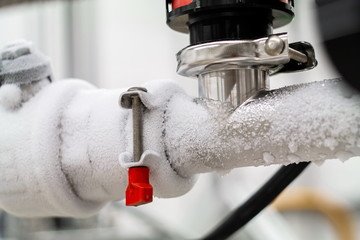
- During cold weather, protect vulnerable plumbing from freezing.
- After vacations or extended shutdowns, inspect for leaks before normal use.
- Keep the water heater accessible for emergency shutoff.
- Schedule professional service when symptoms repeatedly return.
When Should You Call an Emergency Plumber?
Not every water heater problem requires emergency service, but some situations should be addressed immediately.
Call for urgent plumbing assistance when you have:
- A major water leak
- Rapidly flooding areas
- A ruptured water heater tank
- No usable water because of a major plumbing failure
- A sewage backup
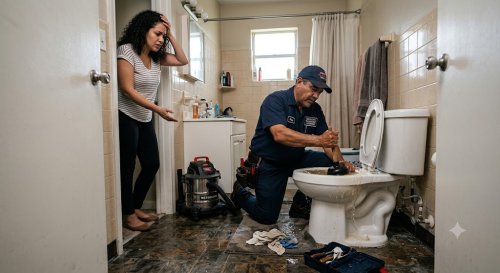
- An overflowing toilet that cannot be controlled
- A burst pipe
- Serious water damage
- A suspected gas leak
If you smell natural gas, do not operate electrical switches or attempt to repair the appliance. Move away from the area and contact the appropriate emergency service.
For a leaking water heater, shutting off the water supply may help limit damage if the valve is accessible and safe to operate.
People Also Ask About Water Heaters
Why is my water heater not producing hot water?
Possible causes include a tripped breaker, failed heating element, thermostat problem, gas supply issue, burner problem, sediment buildup, or equipment failure.
How do I know if my water heater needs repair or replacement?
A plumber can evaluate the age, condition, leak status, repair history, efficiency, and cost of the required repair. A leaking storage tank often points toward replacement rather than a simple repair.
Why does my water heater make popping or rumbling noises?
Sediment at the bottom of a storage tank can cause these sounds as water is heated. Have persistent or worsening noises evaluated.
How long does a water heater last?
Service life varies according to equipment type, water quality, installation, maintenance, usage, and other conditions. An older unit with repeated failures may warrant replacement planning.
Can hard water damage a water heater?
Mineral deposits can accumulate inside plumbing equipment and may reduce efficiency or contribute to component problems over time.
Why does my hot water run out quickly?
Possible causes include increased household demand, a failing heating element, thermostat problems, sediment buildup, or a water heater that is no longer adequately sized for the property.
Can a leaking water heater be repaired?
It depends on where the leak originates. A connection or valve may be repairable, while a leaking storage tank generally requires replacement.
Why is my water heater leaking from the bottom?
The source could be a drain valve, connection, pressure-related issue, condensation, or a damaged tank. The exact source should be identified before deciding on a repair.
Is it safe to reset my water heater?
If the manufacturer's instructions provide a reset procedure, you can follow those instructions. However, if the system repeatedly trips or fails again, professional diagnosis is recommended.
When should I replace my water heater instead of repairing it?
Replacement may make more sense when the tank is leaking, the system is significantly aged, repairs are recurring, replacement parts are difficult to obtain, or the repair cost is disproportionate to the remaining useful life.
Why Choose Emergency Plumbing in Houston Heights?
When a water heater stops working, homeowners need more than a quick guess about what might be wrong. They need a plumber who can identify the underlying problem and explain the available options clearly.
Emergency Plumbing in Houston Heights serves customers in Houston and surrounding areas with plumbing assistance focused on practical diagnosis and repair.
When selecting a plumbing company, look for:
- Properly licensed professionals where required
- Clear explanations of recommended work
- Estimates before significant repairs
- Appropriate diagnostic equipment
- Experience with your type of water heater
- Emergency service when available
- Quality installation and repair practices
- Clear warranty information when a warranty is offered
- Good communication throughout the job
- Knowledge of local Houston plumbing conditions
Do not hesitate to ask questions before authorizing major work. A trustworthy plumber should be able to explain what failed, why it failed, what needs to be done, and what alternatives may be available.
Need Help With a Water Heater Not Working in Houston?
If your water heater is not producing hot water, leaking, making unusual noises, or repeatedly shutting down, don't wait for a small problem to become a major plumbing emergency.
Emergency Plumbing in Houston Heights can help homeowners and businesses identify water heater problems and determine whether repair, maintenance, or replacement is the most appropriate solution.
For plumbing assistance in Houston, Houston Heights, Harris County, and nearby communities, call 844-833-2093 to discuss the problem or request an inspection.
A professional diagnosis can help you make an informed decision instead of replacing equipment unnecessarily or attempting a repair that could create additional damage.
Call 844-833-2093 today for water heater plumbing assistance in Houston.