How to Detect a Hidden Water Leak in Your Houston Home
Hidden water leaks can waste water and cause serious damage before homeowners notice visible signs. This guide explains how to detect hidden leaks in Houston homes, including checking your water meter, identifying damp walls, musty odors, unusual water sounds, rising water bills, low water pressure, and wet outdoor areas. It also covers professional leak detection methods, slab leaks, underground leaks, prevention tips, repair considerations, and when to call a Houston plumber.
How to Detect a Hidden Water Leak in Your Houston Home
A hidden water leak can waste water for weeks or months before a homeowner realizes there is a problem. Unlike a burst pipe, a concealed leak may produce only subtle warning signs such as a higher water bill, damp drywall, musty odors, low water pressure, or the sound of running water when every fixture is turned off.
In Houston homes, hidden leaks can occur behind walls, beneath floors, under slabs, inside cabinets, underground, or around plumbing fixtures. Finding the problem early can help limit water waste and reduce the risk of structural damage, mold growth, and expensive repairs.
What Is a Hidden Water Leak?
A hidden water leak is water escaping from a plumbing pipe, fixture, connection, appliance, or water line where the leak isn't immediately visible.
Common locations include:
- Behind walls
- Under flooring
- Beneath concrete slabs
- Inside ceilings
- Under sinks
- Around toilets
- Near water heaters
- Underground water lines
- Irrigation systems
- Inside cabinets
Some leaks are small enough that they don't create standing water. Instead, the water may slowly soak building materials or travel along pipes and structural surfaces.
What Causes Hidden Water Leaks?
Several plumbing problems can result in concealed leaks.
Aging Pipes
Older pipes can deteriorate because of corrosion, mineral buildup, repeated temperature changes, or general wear.
Small cracks or weakened joints may eventually begin leaking.
High Water Pressure
Excessively high water pressure can place additional stress on plumbing fixtures, valves, connections, and pipes.
If your home has unusually high pressure, a plumber can test the system and determine whether a pressure-regulating device or other correction is appropriate.
Corrosion
Metal plumbing components can deteriorate over time.
Corrosion may eventually create pinhole leaks or weaken pipe connections.
Poor Installation
Improperly supported pipes, incorrect connections, unsuitable materials, or poor workmanship can contribute to future leaks.
Temperature Changes
Repeated expansion and contraction can put stress on some plumbing materials and connections.
Tree Roots and Underground Damage
Outdoor plumbing and sewer lines can be affected by tree roots, soil movement, landscaping activity, or other underground conditions.
Signs of a Hidden Water Leak
A Sudden Increase in Your Water Bill
An unexplained increase in water usage is one of the most important warning signs.
If your household's habits haven't changed but your bill suddenly rises, investigate for a possible leak.
Sound of Running Water
Hearing water running when every faucet, appliance, and toilet is turned off can indicate water is moving through the plumbing unexpectedly.
Damp Walls or Ceilings
Discolored, damp, or soft drywall can indicate water is leaking behind the surface.
Don't simply paint over a water stain. The source should be identified first.
Musty or Moldy Odors
Persistent moisture can create conditions where mold and mildew develop.
A musty smell in a normally dry area deserves attention.
Peeling Paint or Wallpaper
Water behind walls can cause:
- Bubbling paint
- Peeling wallpaper
- Discoloration
- Swollen drywall
- Soft wall surfaces
Warped Flooring
Water beneath flooring can cause wood, laminate, or other materials to swell, buckle, or separate.
Unexplained Low Water Pressure
A significant pressure change can sometimes indicate a leak, although clogged pipes, faulty valves, municipal supply issues, and other plumbing problems can cause similar symptoms.
Warm Spots on the Floor
An unexplained warm area may indicate a hot-water line leak beneath a slab or floor.
This isn't proof of a slab leak, but it warrants further investigation.
How to Check for a Hidden Leak Yourself
Homeowners can perform a few basic checks before calling a plumber.
Step 1: Turn Off Water-Using Fixtures
Make sure faucets, showers, washing machines, dishwashers, and irrigation systems are not operating.
Don't flush toilets during the test.
Step 2: Check the Water Meter
Record the current meter reading.
Wait for a period when no water should be used, then check it again.
If the meter continues registering water use, there may be water flowing somewhere on the property.
Step 3: Check Toilets
A leaking toilet can waste water without creating a visible puddle.
Listen for:
- Hissing
- Periodic refilling
- Running water
- Movement inside the bowl
A simple dye test can help identify certain toilet-tank leaks.
Step 4: Inspect Visible Plumbing
Check beneath:
- Bathroom sinks
- Kitchen sinks
- Toilets
- Water heaters
- Washing machines
Look for moisture, corrosion, water stains, or damaged connections.
Step 5: Inspect Outdoor Areas
Look for:
- Unusually wet soil
- Muddy areas
- Unexpectedly green vegetation
- Standing water
- Depressions in the ground
These signs can sometimes indicate an underground water-line problem.
Can a Water Meter Confirm a Leak?
A water meter can provide a useful indication that water is flowing when you aren't intentionally using it.
However, the meter usually cannot tell you where the leak is located.
If the meter shows unexplained water consumption, further investigation may be necessary.
How Do Professionals Find Hidden Water Leaks?
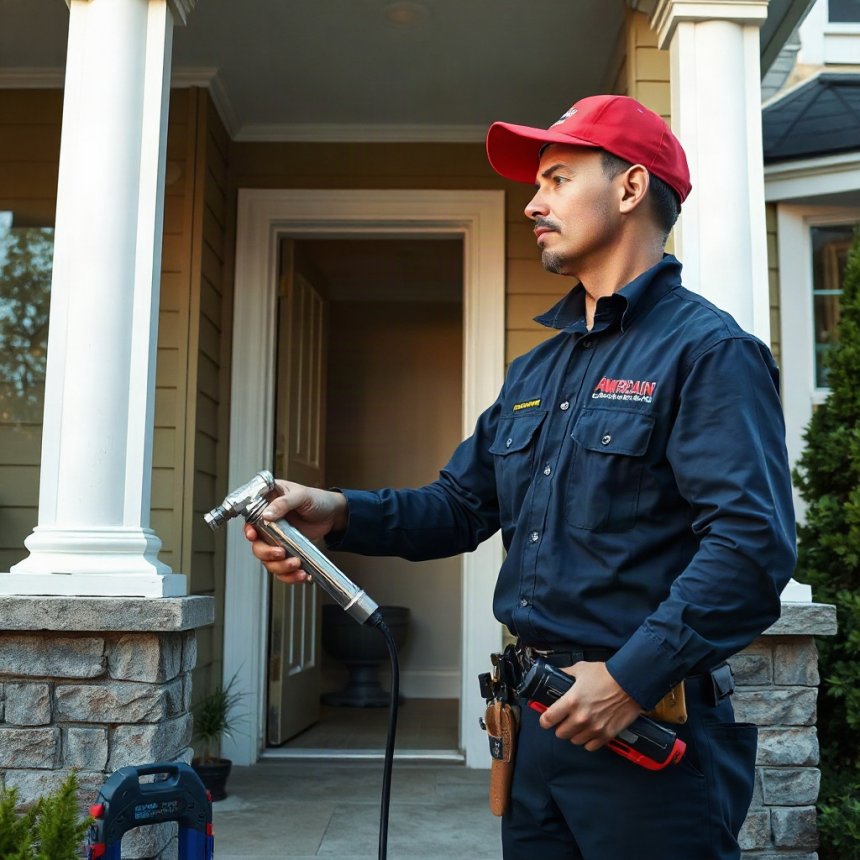
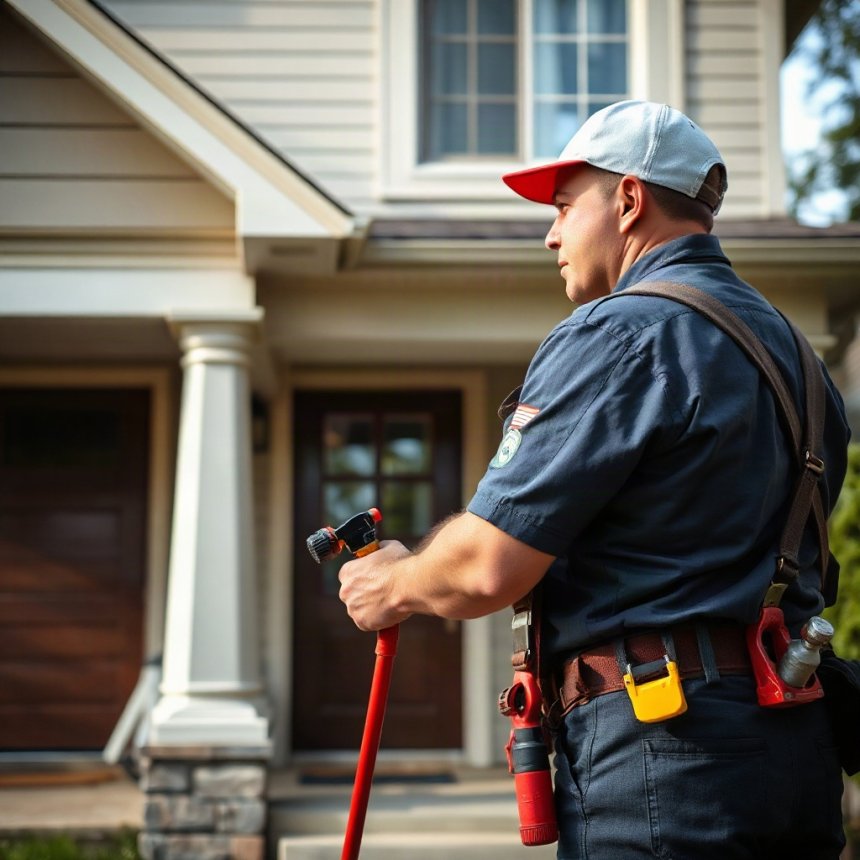
Professional plumbers use specialized equipment and diagnostic techniques to locate leaks with less unnecessary damage to the property.
Depending on the situation, they may use:
Electronic Leak Detection
Electronic equipment can help identify the sound or vibration associated with escaping water.
Acoustic Detection
Sensitive listening equipment can help locate underground or concealed leaks by detecting the sound of water escaping from a pressurized pipe.
Thermal Imaging
Thermal cameras can identify temperature differences that may help reveal certain hot- or cold-water leaks behind walls or beneath surfaces.
Pressure Testing
Pressure testing can help determine whether a plumbing system is holding pressure properly.
Moisture Meters
These devices can help identify elevated moisture levels in walls, floors, and other building materials.
Pipe Inspection Cameras
Small cameras can inspect accessible plumbing and sewer lines to identify cracks, blockages, root intrusion, or other problems.
The appropriate method depends on the suspected location and type of leak.
What Is a Slab Leak?
A slab leak involves a leak in a water line beneath or within the foundation area of a home.
Possible signs include:
- Warm flooring
- Damp areas
- Unexplained water usage
- Sound of running water
- Cracks or moisture
- Reduced water pressure
- Flooring damage
Not every one of these symptoms means there is a slab leak. A professional inspection is necessary to confirm the source.
Can a Hidden Leak Cause Mold?
Yes. Persistent moisture can create favorable conditions for mold and mildew growth.
This is especially concerning when water is trapped behind walls, beneath flooring, or in other poorly ventilated areas.
If you suspect a hidden leak and notice a musty odor or visible mold, address the water source first. Depending on the extent of contamination, additional professional remediation may be necessary.
Can a Hidden Leak Damage the Foundation?
A plumbing leak beneath a home can potentially contribute to soil moisture problems and other property damage.
The actual risk depends on the location, amount of water, soil conditions, duration of the leak, and construction of the property.
A suspected underground or slab leak should be evaluated promptly rather than ignored.
How Long Does Hidden Leak Detection Take?
Simple leaks can sometimes be identified quickly.
More complicated situations can take longer, particularly when:
- The leak is beneath a slab
- Multiple leaks are suspected
- Plumbing is concealed
- The leak is underground
- The property has extensive plumbing
- Irrigation lines are involved
- Previous repairs have altered the system
The objective should be accurate diagnosis rather than simply locating the first visible sign of water.
How Much Does Hidden Leak Detection Cost?
There isn't a single price for every leak-detection service.
Costs can depend on:
- Location of the suspected leak
- Detection equipment required
- Property size
- Accessibility
- Plumbing system complexity
- Diagnostic testing
- Whether excavation or opening surfaces is necessary
- Emergency service requirements
Ask the plumbing company what diagnostic work is included before authorizing service.
What Should You Do If You Find a Hidden Leak?
If you discover an active leak:
- Stop using the affected plumbing fixture.
- Locate the appropriate shutoff valve if accessible.
- Protect furniture and belongings from water.
- Remove standing water when safe.
- Avoid electrical hazards.
- Document visible damage.
- Contact a qualified plumber.
- Don't permanently cover the affected area before identifying the source.
If water is rapidly flooding the property, shutting off the main water supply may be necessary if it can be done safely.
15 Common Mistakes Homeowners Make
- Ignoring a small increase in water usage.
- Painting over water stains.
- Assuming a musty smell is harmless.
- Ignoring a running toilet.
- Leaving dripping faucets unrepaired.
- Ignoring unusual water-meter activity.
- Using excessive plumbing chemicals.
- Delaying repairs because there is no visible puddle.
- Assuming all leaks are located near visible water.
- Ignoring warm flooring.
- Failing to inspect outdoor plumbing.
- Attempting complicated pipe repairs without experience.
- Cutting into walls without first locating the source.
- Ignoring recurring low water pressure.
- Waiting until significant property damage occurs.
How to Prevent Hidden Water Leaks
Regular maintenance can help homeowners catch problems earlier.
- Check visible plumbing connections periodically.
- Inspect under sinks.
- Check toilets for silent leaks.
- Monitor monthly water bills.
- Know your normal household water usage.
- Learn how to read your water meter.
- Inspect your water heater for leaks.
- Monitor water pressure.
- Check outdoor water lines.
- Inspect irrigation systems.
- Look for unexplained wet areas.
- Address dripping faucets promptly.
- Don't ignore unusual plumbing noises.
- Have older plumbing systems inspected.
- Know where your main water shutoff valve is located.
When Should You Call a Houston Plumber?
Contact a qualified plumbing professional when:
- Your water bill suddenly increases.
- The water meter moves when everything is off.
- You hear unexplained running water.
- Walls or ceilings become damp.
- Flooring becomes warped.
- You notice persistent musty odors.
- Water pressure changes unexpectedly.
- You suspect a slab leak.
- An underground leak is suspected.
- You cannot locate the source of water.
Professional leak detection can help determine the source without relying on guesswork.
When Is a Hidden Water Leak an Emergency?
Not every hidden leak requires emergency service, but immediate attention is appropriate when water is actively causing damage.
Call for urgent plumbing assistance if you have:
- A burst pipe
- Rapid flooding
- A major water-line leak
- Water entering electrical areas
- A leaking water heater causing substantial damage
- Significant ceiling or wall water damage
- Sewage entering the property
- A leak that cannot be controlled
If safe to do so, shut off the main water supply while waiting for professional assistance.