Sewer Backup in Kingwood: What to Do Before a Plumber
Dealing with a sewer backup in Kingwood? Learn what to do immediately, how to identify the cause, safety steps, repair options, costs, and prevention tips.
What Should You Do During a Sewer Backup in Kingwood?
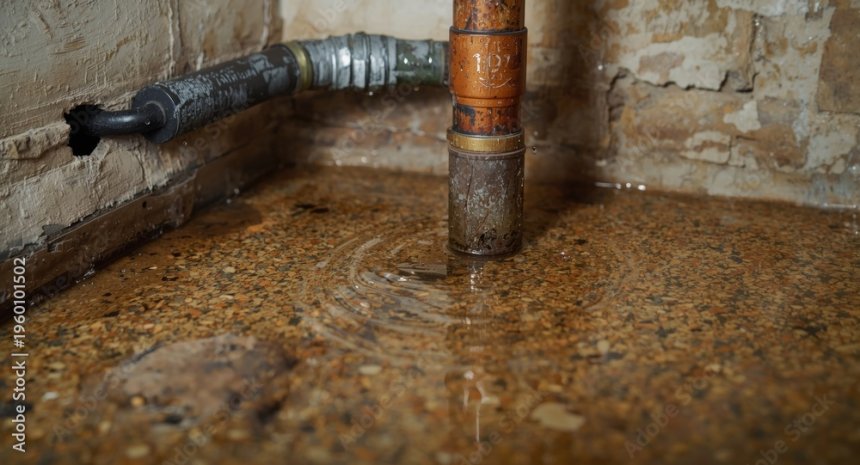
A sewer backup is more than an ordinary clogged drain.
When wastewater begins coming back through a toilet, bathtub, floor drain, or sink, the problem may involve a blockage in the home's main sewer line or a larger issue affecting the private sewer lateral.
The first priority is to stop adding water to the drainage system and protect people from contact with sewage.
Houston Public Works explains that sewer overflows can contaminate water, damage property, and create public-health concerns. The City also advises homeowners to check the cleanout near the street when a toilet backs up: standing sewer water around the cleanout can indicate a problem in the public system, while no standing water there can point toward a blockage on the private line.
Kingwood homeowners should therefore avoid immediately assuming that every backup is simply a clogged toilet.
The blockage could be inside the home, in the private sewer line leading toward the street, or potentially within the public wastewater system.
What Is a Sewer Backup?
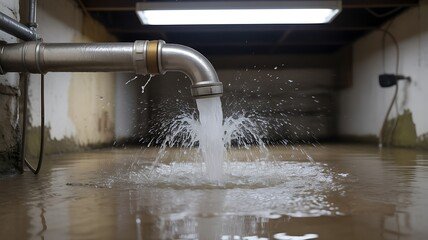
A sewer backup occurs when wastewater cannot move normally through the drainage system and reverses direction into the property.
Instead of wastewater flowing away from the house, it may emerge through the lowest available drain.
Common locations include:
- Toilets
- Bathtubs
- Showers
- Floor drains
- Basement or utility drains
- Sinks
- Cleanouts
A backup may be caused by a localized blockage, a damaged sewer pipe, tree-root intrusion, grease accumulation, collapsed piping, poor pipe slope, or a blockage farther downstream.
Houston Public Works notes that fats, oils, grease, and flushed wipes are major contributors to sewer overflows in Houston.
What Should You Do Before Calling a Plumber?
You do not need to diagnose the sewer line yourself.
Your goal is to reduce damage and gather useful information.
1. Stop Using Water
Do not:
- Flush toilets
- Take showers
- Run the washing machine
- Run the dishwasher
- Run faucets unnecessarily
- Use other plumbing fixtures
Additional water has nowhere to go if the main drainage line is blocked.
It can push more contaminated wastewater into the house.
2. Keep People Away From Sewage
Keep children and pets away from contaminated areas.
Sewage can contain harmful microorganisms and other contaminants. Houston Health Department guidance for sewage-backup situations emphasizes stopping affected operations and contacting a licensed plumber when drain-line blockages are involved.
Do not walk through sewage barefoot.
3. Do Not Use Chemical Drain Cleaners
Chemical drain cleaners are not a good response to a suspected main sewer backup.
They may not clear the underlying obstruction and can leave corrosive chemicals inside the plumbing system.
Those chemicals can also create an additional hazard for anyone who later needs to work on the line.
4. Check Whether Other Fixtures Are Affected
Pay attention to what is happening throughout the home.
For example:
- One toilet backs up → potentially localized
- Several toilets back up → more likely a larger drainage problem
- Tub and toilet back up together → possible branch or main-line blockage
- Multiple fixtures back up when water is used → strong reason to investigate the main sewer line
The more fixtures affected, the more important it becomes to consider the main drainage system.
5. Look at the Exterior Cleanout
If your home has an accessible sewer cleanout near the street, look at it without opening it if you are not trained to do so.
Houston Public Works advises checking the cleanout near the street when a toilet is backed up. If sewage is standing at the cleanout, the issue may involve the public sewer system; if there is no sewage there, the blockage may be on the private line.
Do not assume this check provides a complete diagnosis.
6. Contact the Appropriate Party
If the evidence suggests a public sewer issue, contact Houston's 311 system for guidance.
If the problem appears to be on the private sewer line serving your property, contact a qualified plumber.
This distinction matters because homeowners are generally responsible for private wastewater piping, while public wastewater infrastructure is maintained by the utility or municipality.
What Causes Sewer Backups in Kingwood?
Grease and Cooking Fat
Grease may enter a drain as a liquid but later cool and accumulate inside the sewer line.
Over time, this can reduce the pipe's usable diameter.
Houston Public Works identifies fats, oils, and grease as a major cause of sewer overflows in Houston.
Flushable Wipes
Products marketed as "flushable" may contribute to blockages, especially when combined with grease, paper, and other debris.
The safest rule is simple:
Flush toilet paper and human waste—not wipes and household trash.
Tree Roots
Roots naturally seek water.
If a sewer pipe has a crack, loose joint, or other opening, roots can enter and grow inside the line.
This can create repeated blockages.
Broken or Collapsed Pipes
Older sewer lines can deteriorate.
Possible problems include:
- Cracks
- Separated joints
- Corrosion
- Bellies
- Collapsed sections
- Offset connections
A sewer camera inspection can help determine whether a recurring blockage is caused by structural pipe damage.
Pipe Belly
A "belly" occurs when a section of pipe settles and creates a low spot.
Wastewater and solids can collect in that area, increasing the likelihood of recurring blockages.
Foreign Objects
Paper towels, sanitary products, toys, excessive paper, and other objects can obstruct drainage lines.
Improper Installation
Incorrect slope, unsuitable materials, poor connections, or other installation problems can contribute to drainage issues.
Heavy Rain and Sewer System Stress
Heavy rainfall can place additional stress on wastewater infrastructure.
If multiple nearby properties experience problems at the same time, a public sewer issue becomes more plausible.
Signs You May Have a Main Sewer Line Problem
Watch for these warning signs.
Multiple Drains Back Up
If several fixtures are affected at the same time, the main sewer line deserves attention.
Toilets Gurgle
Gurgling may indicate air movement caused by restricted drainage.
Water Rises in a Tub When You Flush
This can indicate that wastewater is unable to travel normally through the drainage system.
Sewage Smell
A persistent sewage odor can indicate a drainage problem, dry trap, vent problem, or other issue.
Repeated Clogs
A drain that repeatedly clogs after being cleared may have a deeper problem.
Slow Drains Throughout the House
Multiple slow drains are more concerning than one slow sink.
Sewage Appears From a Floor Drain
The lowest drain may become an outlet when wastewater cannot move downstream.
Houston Health Department materials note that the lowest opening in a drainage system will often overflow first during a blockage.
Common Problems Related to Sewer Backups
A sewer backup may be associated with:
- Main sewer line clogs
- Tree-root intrusion
- Broken sewer pipes
- Collapsed pipes
- Grease buildup
- Drain-line blockages
- Poor pipe slope
- Sewer lateral problems
- Public sewer obstructions
- Damaged cleanouts
- Drainage-system defects
The symptom alone does not identify the cause.
A plumber may need to inspect the line to determine what is actually happening.
How Does a Professional Plumber Diagnose a Sewer Backup?
Step 1: Review the Symptoms
The plumber asks:
- Which fixtures are backing up?
- When did it begin?
- Does using one fixture affect another?
- Has this happened before?
- Has the line been cleaned recently?
Step 2: Inspect Accessible Plumbing
The technician checks fixtures, drains, cleanouts, and other accessible components.
Step 3: Locate the Blockage
Drain-cleaning equipment may be used to reach and clear the obstruction.
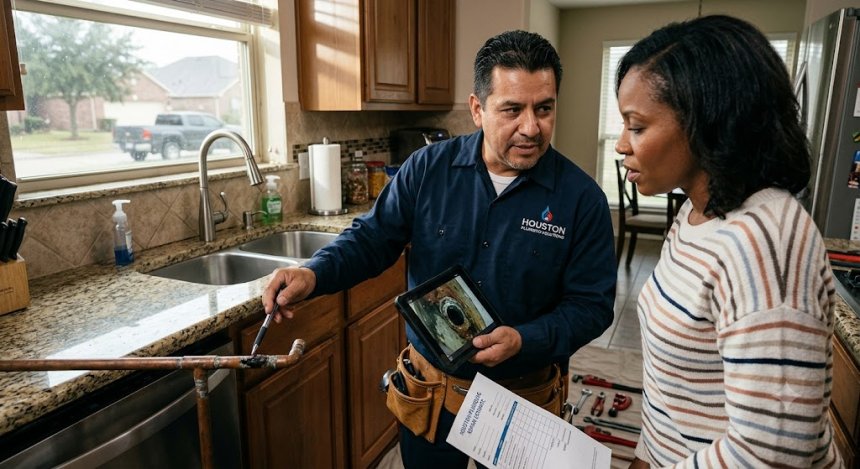
Step 4: Perform a Sewer Camera Inspection
If the blockage is recurring or structural damage is suspected, a sewer camera can provide a view inside the pipe.
This can reveal:
- Roots
- Cracks
- Broken sections
- Offsets
- Heavy buildup
- Foreign objects
- Pipe deformation
Step 5: Determine Repair Requirements
Once the cause is known, the plumber can recommend an appropriate solution.
Possible options include:
- Drain cleaning
- Root removal
- Hydro jetting
- Localized pipe repair
- Sewer line replacement
- Trenchless repair or replacement, where appropriate
Step 6: Test the Drainage System
After clearing or repairing the line, the system should be tested to confirm that wastewater is flowing properly.
Can You Fix a Sewer Backup Yourself?
There are some safe steps homeowners can take.
You can:
- Stop using water
- Keep people and pets away
- Locate the main water shutoff if necessary
- Document the damage
- Check the exterior area for obvious sewer overflow
- Contact the appropriate utility or plumbing professional
What you should not do is start dismantling sewer pipes or use aggressive chemicals without understanding the problem.
A main sewer blockage can be located far beyond the fixture where wastewater appears.
If sewage is already entering the home, professional service is generally the safer approach.
What Tools Do Sewer Professionals Use?
A professional sewer technician may use:
Drain Snakes
Mechanical cables can break through or remove certain blockages.
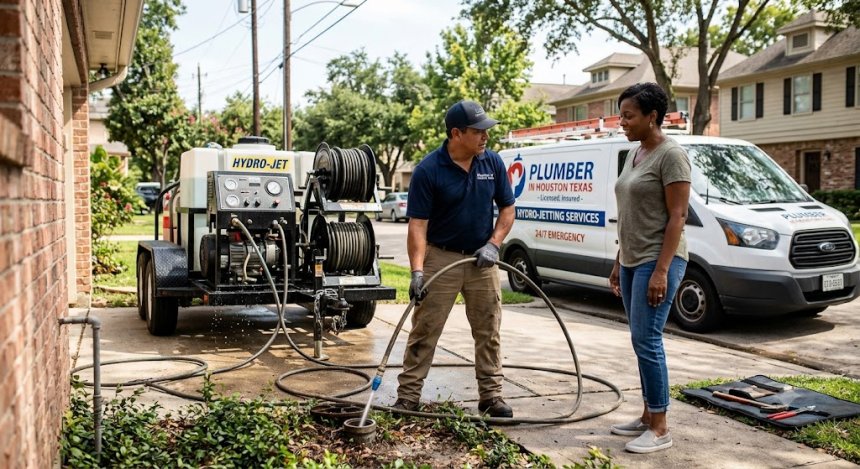
Hydro Jetting
High-pressure water can remove grease, sludge, and certain deposits from suitable sewer pipes.
Hydro jetting is not appropriate for every damaged or fragile pipe, so the condition of the line should be considered first.
Sewer Cameras
Cameras allow the technician to see inside the pipe without immediately excavating the entire line.
Locating Equipment
Electronic locating tools can help determine where an underground sewer line or defect is located.
Pressure and Flow Testing
Testing can help evaluate whether the drainage system is functioning correctly.
How Long Does Sewer Backup Repair Take?
The timeline depends on the cause.
Simple Blockage
A straightforward blockage may be cleared relatively quickly.
Heavy Grease or Root Intrusion
More extensive cleaning may take longer.
Structural Pipe Damage
If a camera identifies a collapsed or severely damaged pipe, additional planning may be required.
Sewer Replacement
Excavation, pipe replacement, inspections, permits, and restoration can significantly extend the project.
Emergency response time also depends on technician availability, the severity of the backup, property access, and whether utility involvement is required.
How Much Does Sewer Backup Repair Cost?
There is no responsible fixed price without diagnosing the problem.
The final cost can depend on:
- Diagnostic work
- Drain cleaning
- Sewer camera inspection
- Hydro jetting
- Root removal
- Pipe material
- Pipe depth
- Accessibility
- Labor
- Emergency service
- Excavation
- Trenchless equipment
- Permits
- Landscaping restoration
- Flooring or drywall damage
- Sewer-line replacement requirements
A simple blockage and a collapsed sewer line are completely different projects.
Ask for a written explanation of what caused the backup and what work is actually recommended.
Hidden Truths Homeowners Should Know
A Cleared Drain Does Not Always Mean the Problem Is Solved
If roots or structural damage remain inside the sewer line, another backup may occur.
The Toilet May Not Be the Problem
The toilet is often simply where wastewater becomes visible.
Repeated Backups Need Investigation
If the same sewer line blocks repeatedly, consider a camera inspection rather than repeatedly paying for temporary clearing.
Sewage Is a Health Concern
Avoid unnecessary contact with contaminated water.
Insurance Coverage Varies
Do not assume sewer-backup damage is automatically covered. Review your policy and contact your insurer if you experience a significant loss.
Public and Private Sewer Problems Are Different
Houston Public Works specifically distinguishes private wastewater piping from the municipal collection system.
Tree Roots Can Return
Removing roots from a sewer line may restore flow temporarily, but if the pipe remains damaged, the roots can return.
A Sewer Camera Can Save Guesswork
Seeing the condition of the pipe can make repair decisions more informed.
15 Common Mistakes Homeowners Make
- Continuing to use water — This can push more wastewater into the home.
- Flushing repeatedly — Repeated flushing can worsen an existing backup.
- Using chemical drain cleaners — They may not solve a main-line obstruction and can create hazards.
- Ignoring gurgling toilets — Gurgling can be an early drainage warning.
- Ignoring repeated slow drains — Multiple slow fixtures may indicate a larger problem.
- Assuming the toilet is the only problem — The obstruction may be farther downstream.
- Using wipes because they say "flushable" — Wipes can contribute to sewer blockages.
- Pouring grease down drains — Grease can accumulate in wastewater piping.
- Repeatedly snaking the same line without investigation — Recurring blockages may indicate structural damage.
- Ignoring tree roots — Root intrusion can repeatedly obstruct sewer lines.
- Opening a contaminated cleanout unnecessarily — Sewage can be hazardous and may discharge unexpectedly.
- Walking through sewage barefoot — Avoid direct contact with contaminated water.
- Cleaning sewage without appropriate precautions — Sewage cleanup requires proper sanitation and protective measures.
- Choosing the cheapest quote without comparing scope — The lowest price may not include necessary diagnostics or repairs.
- Delaying service after a major backup — Continued moisture and contamination can increase property damage.
Maintenance Tips to Prevent Sewer Backups
- Never flush wipes unless specifically instructed by local wastewater guidance.
- Flush only toilet paper and human waste.
- Never pour grease into kitchen drains.
- Collect cooking grease and dispose of it properly.
- Use drain strainers where appropriate.
- Do not flush paper towels.
- Keep sanitary products out of toilets.
- Watch for recurring slow drains.
- Investigate repeated toilet gurgling.
- Schedule professional sewer inspections when recurring backups occur.
- Consider a camera inspection for older sewer lines.
- Address tree-root intrusion promptly.
- Know where your sewer cleanout is located.
- Keep the cleanout accessible.
- Do not plant large-rooted trees directly over sewer lines.
- Monitor unusual sewage odors.
- Avoid dumping harsh chemicals into drains.
- Have damaged sewer lines professionally evaluated.
- Ask about preventive sewer maintenance if your property has a history of backups.
- Know whether your insurance policy includes sewer-backup coverage.
When Should You Call an Emergency Plumber?
A sewer backup should be treated as an urgent plumbing problem when:
- Sewage is entering the home
- Multiple drains are backing up
- A toilet is overflowing with sewage
- Wastewater is coming through a floor drain
- The main sewer line appears completely blocked
- The home cannot safely use its plumbing
- A major sewer pipe has collapsed
- Sewage is spreading into living areas
- A commercial property has sewage contamination
- The backup is causing immediate property damage
Houston's public-works guidance emphasizes that sewer overflows can pose public-health and property risks.
If the problem may be in the municipal system, contact Houston's 311 service as appropriate. If the evidence points to the private sewer line, contact a qualified plumbing professional.
People Also Ask About Sewer Backups in Kingwood
What should I do first during a sewer backup?
Stop using all plumbing fixtures, keep people and pets away from sewage, avoid contact with contaminated water, and determine whether the problem appears to be on the public or private sewer system.
Why is sewage backing up into my bathtub?
The bathtub may be one of the lowest available drainage points. If the main sewer line is blocked, wastewater can reverse direction and emerge through the tub or shower drain.
Why are all my drains backing up at once?
Multiple affected fixtures often suggest a blockage in a shared drainage line or main sewer line rather than a single sink or toilet.
Should I flush the toilet again if it is clogged?
No. If you suspect a sewer backup, repeated flushing can add more water to an already restricted drainage system.
Can tree roots cause a sewer backup?
Yes. Roots can enter damaged or separated sewer pipes and obstruct wastewater flow.
Is a sewer backup an emergency?
It can be. Sewage entering the home, multiple affected drains, flooding, or a completely blocked main line warrants prompt professional attention.
Can a sewer camera find the problem?
A sewer camera can often identify conditions such as roots, cracks, offsets, heavy buildup, and collapsed sections, although access and pipe conditions affect what can be seen.
Is hydro jetting safe for old sewer pipes?
It depends on the pipe's condition and material. A professional should evaluate the line before using high-pressure cleaning equipment, particularly when structural damage is suspected.
How do I know whether the city sewer or my private line is blocked?
Houston Public Works recommends checking the cleanout near the street when appropriate. Standing sewer water there may indicate a public-system issue, while no water at the cleanout can point toward a private-line blockage.
Can a sewer backup damage my home?
Yes. Sewage can contaminate floors and other building materials and can create significant cleanup and sanitation concerns.
Will homeowners insurance cover a sewer backup?
Coverage depends on the policy. Sewer-backup protection may be separate or subject to specific exclusions, deductibles, or limits. Contact your insurer promptly after a significant incident.
How often should a sewer line be inspected?
There is no single schedule for every property. Homes with older pipes, recurring backups, root intrusion, or previous sewer repairs may benefit from more frequent professional evaluation.
Can I prevent tree roots from entering my sewer line?
You can reduce risk by maintaining the sewer line, addressing damaged pipes, and being thoughtful about tree placement. Existing root intrusion should be professionally evaluated.
Why Choose a Qualified Plumbing Professional?
A sewer backup is not the right time to guess.
The plumber you choose should be able to explain:
- Where the blockage appears to be
- What caused it
- Whether the line has structural damage
- Whether cleaning is sufficient
- Whether a camera inspection is recommended
- Whether hydro jetting is appropriate
- Whether repair or replacement is necessary
- What the estimated scope of work includes
For major sewer work, homeowners should receive a clear explanation before approving excavation, replacement, or other significant repairs.
Choose a properly qualified plumbing professional with experience handling sewer and drainage problems in the Houston area.
Sewer Backup Help in Kingwood
A sewer backup can turn from a minor drainage problem into a major sanitation and property-damage issue surprisingly quickly.
Before calling a plumber, the most useful things you can do are simple:
Stop using water. Keep everyone away from sewage. Do not use chemical drain cleaners. Check the situation around the exterior cleanout only if it is safe. Document the problem. Then determine whether the issue appears to involve the municipal sewer system or your private sewer line.
Houston Public Works provides specific guidance for distinguishing potential public-system problems from private sewer blockages, while emphasizing the importance of addressing sewer overflows because of contamination and property risks.
For homeowners and businesses in Kingwood, Kingwood Lakes, Kings Point, Kings Forest, Kings Lake Estates, Bear Branch, Kings Point, Forest Cove, Kings Manor, Deer Ridge Estates, Barrington, Kingwood Greens, and surrounding Northeast Houston communities, contact Emergency Plumbing in Houston Heights at 844-833-2093.