Pressure in River Oaks Homes: Common Causes
Learn why River Oaks homes have low water pressure, common plumbing causes, warning signs, DIY checks, repair options, costs, and when to call a plumber.
Why Low Water Pressure Shouldn't Be Ignored
Low water pressure can turn ordinary household tasks into frustrating chores. Showers take longer, washing machines fill slowly, faucets produce only a weak stream, and outdoor hoses may barely deliver enough water for routine use.
For homeowners in River Oaks, Houston, the cause can range from a simple clogged faucet aerator to an aging plumbing system, partially closed valve, failing pressure-reducing valve, water leak, or problem with the municipal supply.
The first question to answer is whether the problem affects one fixture or the entire house. A weak kitchen faucet does not necessarily mean there is a whole-house plumbing problem. On the other hand, if every faucet suddenly loses pressure, the cause is likely farther upstream.
Houston homes can also have older plumbing systems. Local Houston plumbing guidance specifically notes that older neighborhoods, including River Oaks and surrounding communities, can contain aging galvanized piping that may gradually restrict water flow as the interior deteriorates.
Understanding the symptoms can help you determine whether you need a simple fixture cleaning or professional plumbing diagnosis.
What Is Low Water Pressure?
Water pressure is the force that pushes water through the plumbing system and out of your fixtures.
When pressure is lower than normal, you may notice:
- Weak shower flow
- Slow-filling toilets
- Faucets producing a small stream
- Poor hose pressure
- Appliances filling slowly
- Multiple fixtures losing pressure
- Water pressure changing dramatically when another fixture is used
There is an important difference between pressure and flow.
Pressure describes the force available in the system. Flow describes how much water actually reaches the fixture.
A clogged aerator, partially closed valve, or restricted pipe can reduce flow at a fixture even when the home's overall pressure is reasonable.
That distinction is why identifying where the pressure problem occurs is one of the first steps in diagnosing it.
Why Does Low Water Pressure Happen in River Oaks Homes?
There are several possible causes.
Clogged Faucet Aerators
If only one faucet has weak flow, check the aerator first.
The small screen at the end of a faucet can collect mineral deposits and sediment. Over time, the buildup restricts water flow.
This is one of the simplest problems to correct.
Clogged Showerhead
Mineral deposits can accumulate inside showerhead openings.
If the kitchen and bathroom faucets have normal pressure but the shower suddenly becomes weak, the showerhead may be restricting flow.
Partially Closed Main Valve
A main shutoff valve that is not fully open can restrict water flow throughout the property.
This can happen after plumbing work, renovations, inspections, or emergency repairs.
A homeowner can visually check whether the valve appears to be fully open, but do not force an old or corroded valve.
Failing Pressure-Reducing Valve
Some properties use a pressure-reducing valve, commonly called a PRV, to regulate incoming water pressure.
If the valve becomes damaged or wears out, pressure can become inconsistent or too low.
A failing PRV can affect the entire house rather than just one fixture.
Corroded Galvanized Pipes
Older galvanized steel pipes can deteriorate internally.
The pipe may still look intact from the outside while corrosion and mineral buildup reduce the available passage inside.
This is especially important in older Houston homes.
When deterioration is widespread, replacing one small section may provide only temporary improvement. A plumber may eventually recommend repiping with a suitable modern material.
Hidden Water Leak
A significant plumbing leak can reduce available water pressure.
Look for:
- Unexplained water bills
- Damp walls
- Wet flooring
- Water stains
- Sounds of running water
- Soggy areas around the property
- Unexpected meter movement
A sudden pressure drop combined with unexplained water usage should be investigated promptly.
Clogged or Restricted Pipes
Sediment, mineral deposits, corrosion, or debris can restrict older plumbing lines.
The restriction may occur inside a single branch line or throughout a section of the plumbing system.
Water Heater or Hot-Water Restriction
If pressure is normal on cold water but weak on hot water, the water heater or hot-water piping may be involved.
Sediment, a restricted valve, or deteriorated piping can interfere with hot-water flow.
Municipal Water Supply Issues
Sometimes the problem isn't inside your home.
A neighborhood-wide pressure reduction may result from municipal maintenance, water-main problems, infrastructure failures, or other supply conditions.
If neighbors are experiencing the same issue at approximately the same time, check whether there is a local utility issue before assuming your home's plumbing has failed.
Houston has experienced periods in which water-main breaks and infrastructure problems affected water pressure across multiple neighborhoods.
How to Tell Where the Problem Is
One of the most useful troubleshooting questions is:
Is the low pressure affecting one fixture, one part of the house, or the entire property?
One Faucet
Likely causes include:
- Clogged aerator
- Faucet cartridge problem
- Local shutoff valve
- Supply-line restriction
One Shower
Possible causes include:
- Clogged showerhead
- Shower cartridge
- Local valve problem
- Supply-line restriction
All Hot Water Fixtures
Possible causes include:
- Water heater issue
- Hot-water piping restriction
- Valve problem
- Sediment
Entire House
Potential causes include:
- Main shutoff valve
- Pressure-reducing valve
- Main supply line
- Significant leak
- Widespread pipe corrosion
- Municipal supply issue
This simple distinction can save homeowners from replacing equipment unnecessarily.
Warning Signs You Should Never Ignore
Low water pressure isn't always an emergency, but certain symptoms indicate a more serious plumbing problem.
Sudden Pressure Loss
If pressure suddenly drops throughout the home, investigate promptly.
Water Stains
Brown or yellow stains on walls or ceilings can indicate hidden moisture.
Damp Walls or Floors
Persistent dampness should never be dismissed.
Unexplained Water Bill Increase
A significant increase without higher household usage may indicate a leak.
Noisy Pipes
Hissing, banging, or unusual water sounds can indicate pressure, flow, or plumbing problems.
Multiple Slow Fixtures
Several fixtures becoming weak simultaneously points toward an upstream problem.
Sewage Problems
If low pressure occurs with sewage backups or drainage problems, professional attention is warranted.
Visible Leaking
A visible leak combined with pressure loss should be addressed quickly.
What Can Homeowners Safely Check?
Before calling a plumber, you can perform several basic checks.
First, determine whether the problem affects one fixture or the entire house.
Next, check whether the affected faucet has a clogged aerator or whether the showerhead has visible mineral buildup.
If you know where your main shutoff valve is located, check whether it appears fully open.
You can also ask a neighbor whether they are experiencing the same pressure problem.
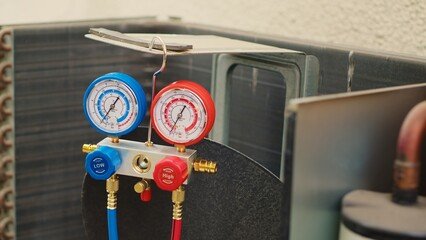
A pressure gauge attached to a suitable hose connection can provide useful information about the home's static water pressure. A general residential range around 40–60 psi is often considered adequate, although actual requirements vary by system and property.
Do not aggressively adjust a pressure-reducing valve simply to increase pressure. Excessive pressure can damage plumbing fixtures, appliances, and pipes.
Step-by-Step Professional Diagnosis
A professional plumber will generally work from the simplest explanation toward more complex possibilities.
Step 1: Identify the Scope
The plumber determines whether the problem affects one fixture, a section of the home, hot water only, or the entire property.
Step 2: Check Pressure
Pressure testing can help establish whether the incoming supply is within an expected range.
Step 3: Inspect Valves
Main shutoff valves, fixture valves, and pressure-control equipment may be inspected.
Step 4: Check for Leaks
The plumber looks for visible and hidden leaks that could reduce pressure.
Step 5: Inspect Older Piping
If the property contains aging galvanized or other deteriorated piping, the plumber may assess whether internal corrosion is restricting flow.
Step 6: Diagnose the PRV
If a pressure-reducing valve is installed, its condition and operation may be evaluated.
Step 7: Recommend Repair
The solution could range from cleaning a fixture to replacing a valve, repairing a leak, or repiping portions of the home.
Step 8: Test the System
After repairs, the plumber should verify pressure and fixture performance.
Tools Professionals Use
Depending on the problem, a plumber may use:
- Water pressure gauges
- Flow-testing equipment
- Electronic leak detection
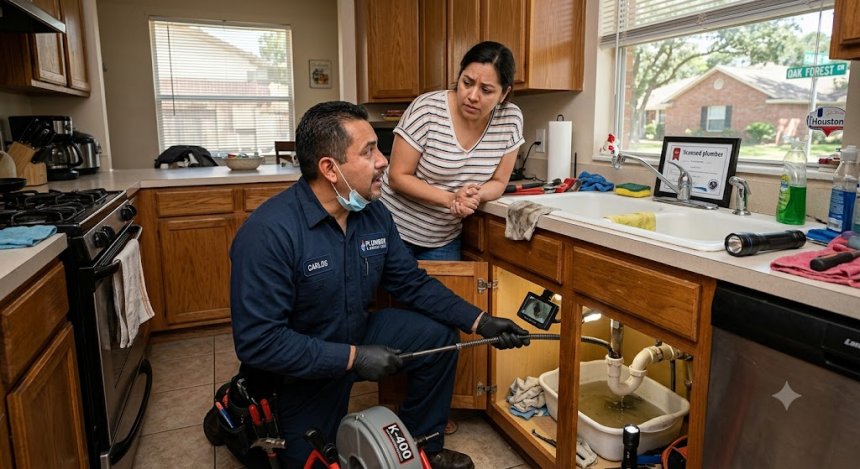
- Pipe inspection cameras
- Thermal imaging
- Pressure-reducing valve testing equipment
- Pipe locating equipment
A sewer camera is useful for drainage and sewer problems, but it should not automatically be used as the primary tool for every water-pressure problem.
The diagnostic equipment should match the suspected failure.
Can You Fix Low Water Pressure Yourself?
Some minor causes are homeowner-friendly.
You may safely:
- Clean a faucet aerator
- Clean a showerhead
- Check accessible fixture valves
- Determine whether all fixtures are affected
- Ask neighbors whether they have the same issue
- Observe your water meter for unexplained movement
Professional help is appropriate when:
- Pressure suddenly drops throughout the house
- You suspect a leak
- Pipes are visibly corroded
- A PRV may have failed
- A main valve is damaged
- Pressure remains low after simple checks
- You need repiping
- Water is leaking inside walls or ceilings
Avoid modifying pressure-control equipment without understanding the system.
How Long Does Low Water Pressure Repair Take?
Repair time depends entirely on the cause.
A clogged aerator can be addressed quickly.
A defective PRV may require additional diagnostic and replacement work.
A hidden leak can take longer because the plumber must locate the source before repairing it.
Widespread corrosion or repiping can become a larger project requiring planning, access, material selection, installation, and testing.
Typical factors include:
- Location of the problem
- Accessibility
- Pipe material
- Number of affected fixtures
- Leak location
- Valve condition
- Extent of corrosion
- Required replacement materials
- Permit requirements
- Property size
How Much Does Low Water Pressure Repair Cost?
There is no reliable one-size-fits-all price.
Costs can vary based on:
- Diagnostic fees
- Labor
- Replacement parts
- Pressure testing
- Leak detection
- PRV replacement
- Pipe repair
- Repiping
- Accessibility
- Emergency service
- Permit requirements
- Property type
- Local labor rates
A clogged aerator and a whole-house repipe are obviously very different projects.
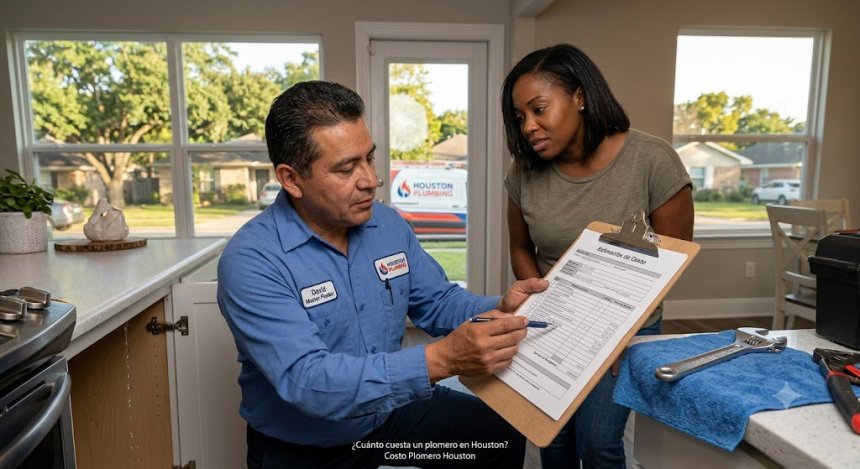
Before approving expensive work, ask the plumber to explain the cause, recommended solution, alternatives, and expected scope.
Repair or Repiping: Which Is Better?
If the problem is limited to one fixture or valve, a targeted repair usually makes more sense.
If old pipes are severely corroded throughout the house, repeated localized repairs may become frustrating and expensive.
In that situation, a plumber may discuss whole-house repiping.
The choice should be based on:
- Pipe condition
- Number of failures
- Age of the plumbing
- Material
- Accessibility
- Repair history
- Expected remaining service life
- Cost of continued repairs
Do not agree to a complete repipe solely because one faucet has low pressure.
A proper diagnosis should establish whether the problem is localized or systemic.
Hidden Truths Homeowners Should Know
Low pressure doesn't always mean bad pipes. A clogged fixture can create the same complaint.
High pressure isn't necessarily better. Increasing pressure excessively can put additional stress on plumbing components.
A leak can cause pressure loss. A sudden reduction should be investigated rather than ignored.
Old galvanized pipes can restrict flow from the inside. Exterior appearance does not necessarily reveal internal condition.
Neighborhood-wide problems may not be your plumber's fault. If surrounding homes have the same issue, investigate municipal supply conditions.
Temporary repairs may not solve systemic corrosion. Replacing one section of severely deteriorated piping may leave the underlying problem elsewhere.
A low-pressure complaint needs diagnosis before replacement. Do not replace a water heater, pump, or entire plumbing system without establishing the cause.
15 Common Mistakes Homeowners Make
- Ignoring sudden pressure loss.
- Assuming the entire plumbing system has failed.
- Replacing a faucet when the real problem is upstream.
- Ignoring clogged aerators.
- Ignoring showerhead buildup.
- Forcing an old shutoff valve.
- Adjusting the PRV without measuring pressure.
- Assuming higher pressure is always better.
- Ignoring unexplained water bills.
- Delaying investigation of visible leaks.
- Replacing one pipe section without evaluating widespread corrosion.
- Hiring an unqualified person for repiping.
- Choosing a plumbing company only because it offers the lowest quote.
- Ignoring recurring pressure problems.
- Waiting until a pipe fails completely before addressing deteriorated plumbing.
Maintenance Tips for River Oaks Homeowners
- Check faucet aerators periodically.
- Clean showerheads when mineral buildup appears.
- Know where your main water shutoff is located.
- Keep accessible valves free from obstruction.
- Monitor monthly water bills.
- Watch for unexplained changes in water usage.
- Inspect exposed plumbing for corrosion.
- Pay attention to sudden pressure changes.
- Check for damp areas around walls and floors.
- Have persistent leaks professionally investigated.
- Consider pressure testing when pressure repeatedly changes.
- Have older plumbing systems evaluated periodically.
- Do not increase pressure beyond appropriate system limits.
- Address failing valves promptly.
- Keep records of plumbing repairs.
- Ask about pipe condition during major renovations.
- Inspect water heaters and their connections.
- Know whether your home has a pressure-reducing valve.
- Ask a plumber about repiping if multiple pipe failures occur.
- Investigate neighborhood-wide pressure changes with the appropriate utility before assuming an interior plumbing failure.
When Is Low Water Pressure an Emergency?
Low water pressure by itself is usually not an emergency.
It becomes more urgent when accompanied by:
- A major leak
- Sudden complete loss of water
- Water entering walls or ceilings
- A burst pipe
- Sewage backup
- Significant flooding
- Unexplained rapid water loss
- A damaged main water line
If you suspect a major leak, shut off the water if you can safely do so and contact a qualified plumber.
If the problem appears to affect the wider neighborhood, check for local utility notices before assuming your home's plumbing is responsible.
People Also Ask About Low Water Pressure
Why is my water pressure suddenly low?
Possible causes include a partially closed valve, leaking pipe, failing pressure-reducing valve, clogged fixture, corroded piping, or a municipal supply issue. The scope of the problem helps narrow down the cause.
Why is my water pressure low throughout the house?
Whole-house low pressure can result from a main valve, pressure-reducing valve, supply line, leak, deteriorated piping, or reduced municipal pressure.
Why is only one faucet low pressure?
A clogged aerator, cartridge, shutoff valve, or local supply restriction is more likely when only one fixture is affected.
Can a water leak cause low pressure?
Yes. A significant leak can reduce available pressure, particularly when it occurs on a major supply line.
Can old pipes cause low water pressure?
Yes. Corrosion and mineral buildup can narrow the inside of aging pipes and restrict water flow.
How do I know if my pressure-reducing valve is bad?
Inconsistent or unusually low whole-house pressure can be a symptom. A plumber can test the valve and determine whether replacement is appropriate.
Is 40 PSI enough water pressure for a house?
Pressure requirements vary, but around 40–60 psi is commonly considered an adequate residential range. A professional should evaluate the actual plumbing system before making adjustments.
Can hard water cause low water pressure?
Mineral deposits can restrict fixture openings and, in some plumbing systems, contribute to internal buildup that affects flow.
Should I increase my home's water pressure?
Not automatically. Increasing pressure without identifying the underlying problem can place unnecessary stress on pipes, fixtures, and appliances.
Can a plumber increase water pressure?
Sometimes. If the home's incoming pressure is adequate but a valve or plumbing restriction is responsible, repairing that problem may restore normal performance. In other situations, a pressure-boosting system may be considered.
When should I replace old plumbing pipes?
Replacement may be worth considering when pipes have widespread corrosion, repeated failures, persistent restrictions, or significant deterioration. A professional inspection can help determine whether localized repairs or repiping is more practical.
Why Choose a Qualified Plumber in River Oaks?
Low water pressure is a symptom, not a diagnosis.
A trustworthy plumbing professional should first determine why the pressure is low before recommending expensive repairs.
When selecting a plumber serving River Oaks and Houston, look for:
- Appropriate Texas licensing and qualifications
- Experience with older Houston homes
- Pressure-testing capability
- Leak-detection equipment
- Clear estimates
- Straightforward explanations
- Experience with pipe repair and repiping
- Appropriate emergency service
- Quality workmanship
- Clear warranty information when applicable
A professional should be willing to explain whether the issue is a fixture, valve, leak, aging pipe, or water-supply problem.
Get Help With Low Water Pressure in River Oaks
Low water pressure can be a minor fixture problem, but it can also be an early warning sign of a leaking pipe, failing pressure-reducing valve, or deteriorating plumbing system.
If your River Oaks home suddenly has weak water pressure, don't immediately assume you need a complete repipe. Start by determining whether one fixture or the entire property is affected, then have persistent problems professionally diagnosed.
For plumbing assistance in River Oaks, Houston, Harris County, and nearby communities such as West University Place, Montrose, Bellaire, and Meyerland, contact Emergency Plumbing in Houston Heights at 844-833-2093.
A proper diagnosis can help identify the actual cause and prevent unnecessary repairs.
Call 844-833-2093 to discuss your low water pressure problem or schedule professional plumbing assistance.