Tree Root Sewer Damage in Sugar Land: Warning Sign
Learn how tree roots damage sewer lines in Sugar Land, the warning signs of broken pipes, repair options, costs, inspections, and prevention tips.

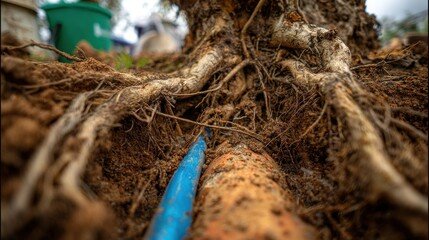
Why Tree Roots Can Become a Sewer Problem
Trees are an important part of many Sugar Land neighborhoods, but mature landscaping can create plumbing problems when roots reach underground sewer pipes.
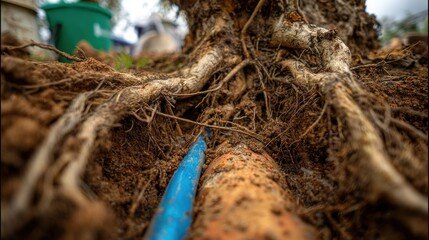
Tree roots naturally seek moisture and nutrients. A sewer pipe with a cracked joint, deteriorated connection, or small opening can provide exactly the conditions roots are looking for. Once roots enter the pipe, they can grow, trap paper and debris, restrict wastewater flow, and eventually contribute to recurring backups.
The important point is that tree roots do not necessarily mean the entire sewer line is broken. In many cases, roots are entering through an existing defect. A professional sewer camera inspection can help determine whether the pipe has a crack, separated joint, collapse, heavy buildup, or another structural problem.
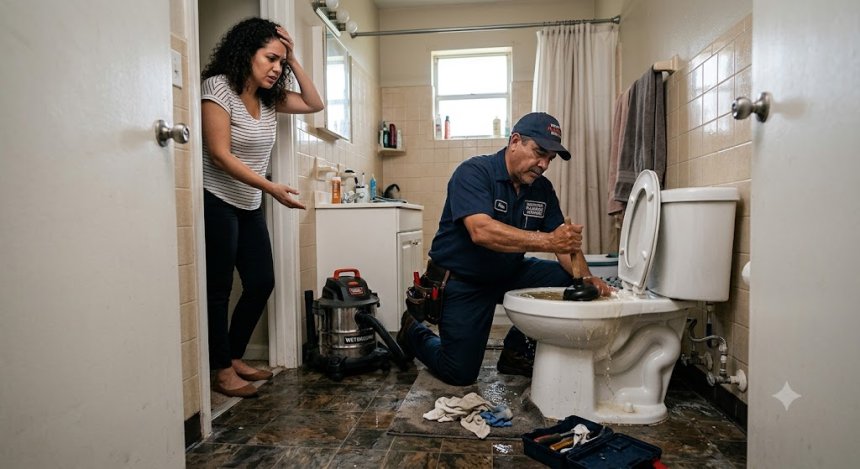
For Sugar Land homeowners, the first warning sign may simply be a toilet that keeps clogging or a drain that repeatedly slows down. Waiting until sewage backs up into the house can turn a manageable plumbing problem into a much larger cleanup and repair project.
What Is Tree Root Sewer Damage?
Tree root sewer damage occurs when roots enter or interfere with an underground sewer pipe.
Roots may enter through:
- Cracked pipes
- Loose or separated joints
- Deteriorated pipe connections
- Small openings
- Damaged fittings
- Aging pipe materials
After entering, roots can continue growing inside the pipe.
The roots themselves can obstruct wastewater, but they can also collect toilet paper, grease, hair, and other debris. This creates a blockage that may repeatedly return after conventional drain cleaning.
A homeowner might initially think the problem is simply a clogged toilet.
The real problem could be several feet underground.
Why Do Tree Roots Enter Sewer Lines?
Roots need water to survive.
Underground sewer lines can provide a reliable source of moisture, particularly when a pipe has a defect that allows moisture to escape.
Several factors can increase the likelihood of root intrusion.
Aging Sewer Pipes
Older pipes may have deteriorated joints or cracks that create openings for roots.
Cracked Pipes
Even a relatively small crack can create an entry point.
Separated Pipe Joints
Ground movement or deterioration can cause pipe sections to shift apart.
Mature Trees
Large established trees have extensive root systems. The presence of mature trees near sewer routes does not guarantee a problem, but it can increase the importance of monitoring recurring drainage symptoms.
Poor Installation
Improper alignment, inadequate connections, or unsuitable installation practices can create vulnerabilities.
Signs of Tree Root Damage in a Sugar Land Sewer Line
Tree root problems often develop gradually.
Watch for these warning signs.
1. Recurring Drain Clogs
A drain that keeps clogging after being cleared is one of the most important signs.
If the same blockage returns repeatedly, the obstruction may be farther into the drainage system.
2. Multiple Slow Drains
If the bathroom, kitchen, shower, and other fixtures begin draining slowly around the same time, the problem may involve the main sewer line rather than one fixture.
3. Toilet Gurgling
A toilet that gurgles when another fixture is draining may indicate restricted flow or trapped air.
Gurgling alone does not prove root intrusion, but it becomes more concerning when combined with recurring backups or slow drains.
4. Sewage Odors
Persistent sewage smells around the property or inside the home can indicate a drainage or sewer problem.
5. Water Backing Up Into the Shower
If flushing a toilet causes wastewater to rise in a shower or tub, there may be a restriction downstream.
6. Sewage Backup
Wastewater coming back through a toilet, shower, floor drain, or other fixture is a serious warning sign.
Stop unnecessary water use and arrange professional assistance.
7. Unusually Green or Wet Areas
A damaged sewer line may contribute to an unusually wet or lush area in the yard.
However, irrigation leaks, drainage problems, and weather can create similar conditions, so this symptom should not be treated as proof of sewer damage.
8. Repeated Need for Root Removal
If a sewer has to be cleared of roots repeatedly, the pipe should be inspected rather than relying indefinitely on the same cleaning procedure.
Does Tree Root Intrusion Mean the Sewer Pipe Is Broken?
Not necessarily.
This is one of the most important things homeowners should understand.
Roots usually need an opening to enter the pipe. That opening may be a damaged joint, crack, deteriorated connection, or another defect.
Removing the roots can restore flow temporarily, but if the underlying opening remains, roots may return.
That is why repeated root problems are a strong reason to consider a sewer camera inspection.
The inspection can show whether the pipe is:
- Structurally intact
- Cracked
- Offset
- Corroded
- Heavily scaled
- Partially collapsed
- Filled with roots
- Holding standing water
- Otherwise deteriorated
How Does a Professional Diagnose Tree Root Sewer Damage?
A professional plumber generally begins by understanding the symptoms.
Step 1: Review the Plumbing History
The technician may ask:
- How often does the drain clog?
- When did the problem begin?
- Has the sewer been cleaned before?
- Were roots previously found?
- Which fixtures are affected?
- Has the property experienced a backup?
Step 2: Inspect the Sewer Line
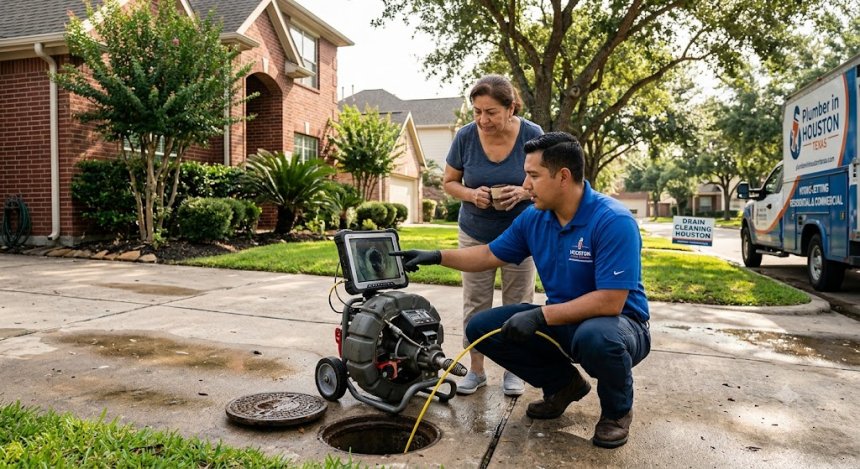
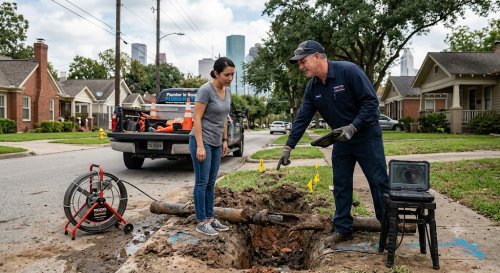
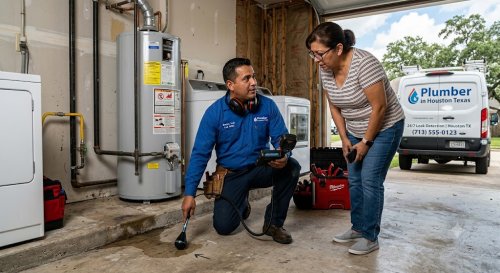
A sewer camera can be inserted through an appropriate access point, such as a cleanout.
Step 3: Identify Root Intrusion
The camera can show whether roots are occupying the pipe.
Step 4: Locate Structural Damage
The inspection may reveal cracks, separated joints, collapsed sections, or other defects.
Step 5: Locate the Problem
Specialized locating equipment may help determine where the defect is situated underground.
Step 6: Recommend a Solution
The plumber can then explain whether cleaning, repair, rehabilitation, or replacement is appropriate.
Can Tree Roots Be Removed Without Replacing the Sewer Line?
Sometimes.
If the sewer pipe remains structurally sound and roots are causing a relatively minor obstruction, professional root removal may restore normal flow.
Methods can include mechanical sewer cleaning or, when appropriate, high-pressure water cleaning.
However, removing the roots does not necessarily eliminate the underlying cause.
If roots are entering through a damaged section, they may grow back.
That is why repeated root intrusion should not be treated as a permanent cleaning problem without investigating the condition of the pipe itself.
Is Hydro Jetting Safe for Sewer Pipes With Roots?
Hydro jetting uses high-pressure water to remove certain types of buildup and obstructions.
It can be effective in appropriate circumstances, but it is not automatically suitable for every sewer line.
If the pipe is severely deteriorated, cracked, or partially collapsed, aggressive cleaning may not be the correct first step.
A plumber should evaluate the pipe's condition and select an appropriate cleaning or repair method.
The goal is not simply to make water flow today.
The goal is to understand why the blockage occurred and whether the pipe can continue operating reliably.
When Does a Sewer Line Need Repair?
Repair may be appropriate when the problem is localized.
Examples include:
- One cracked section
- A damaged joint
- A separated connection
- A localized root entry point
- A specific section with structural deterioration
The exact repair method depends on pipe condition, depth, location, access, and surrounding property.
When Does a Sewer Line Need Replacement?
Replacement may become more practical when:
- Multiple sections are damaged
- The pipe is severely deteriorated
- There is a collapsed section
- Root intrusion repeatedly returns
- Repairs have failed multiple times
- The existing material has widespread structural problems
- The remaining service life is limited
A sewer camera inspection can provide evidence before a major replacement decision is made.
Homeowners should be cautious about approving full replacement based solely on recurring clogs without understanding the condition of the pipe.
What Sewer Repair Methods Are Available?
The appropriate method depends on the actual defect.
Conventional Excavation
The affected section is exposed through excavation and repaired or replaced.
This approach can be practical when the damaged section is accessible.
Spot Repair
A localized portion of the sewer line may be repaired if the rest of the system is in acceptable condition.
Trenchless Rehabilitation
Depending on the pipe and property, certain trenchless methods may allow rehabilitation or replacement with less surface excavation.
Trenchless solutions are not appropriate for every sewer problem, so a professional evaluation is necessary.
How Long Does Sewer Root Repair Take?
A straightforward sewer cleaning can often be completed much faster than structural repair.
A typical project may involve:
Root removal: Depends on obstruction severity and access.
Camera inspection: Usually considerably faster than excavation.
Spot repair: Depends on depth, location, and access.
Full replacement: Can require substantially more time because of excavation, pipe installation, testing, and restoration.
Factors affecting the schedule include:
- Sewer depth
- Pipe length
- Root severity
- Soil conditions
- Landscaping
- Concrete or pavement
- Utility locations
- Required permits
- Repair method
- Weather
How Much Does Tree Root Sewer Repair Cost?
There is no responsible fixed price for tree-root sewer damage.
The total cost can depend on:
- Diagnostic inspection
- Root removal
- Labor
- Pipe material
- Sewer depth
- Excavation
- Repair length
- Accessibility
- Equipment
- Trenchless methods
- Landscaping restoration
- Concrete replacement
- Permit requirements
- Emergency service
- Repair versus replacement
A simple root-clearing service is very different from replacing a damaged sewer line beneath a driveway.
Before approving major work, ask the plumber to explain:
- What was found?
- Where is the damage?
- Is the pipe structurally sound?
- What repair options exist?
- What is included in the estimate?
- Is restoration included?
Hidden Truths Homeowners Should Know
Root Removal May Only Be Temporary
If the pipe remains damaged, roots can return.
Roots Often Reveal a Pipe Defect
The presence of roots does not necessarily mean roots caused the original damage.
Repeated Cleaning Is a Warning
If you repeatedly pay to clear the same sewer line, consider investigating the underlying pipe.
Not Every Root Problem Requires Replacement
A structurally sound pipe may only need appropriate cleaning and monitoring.
A Camera Can Change the Repair Decision
Visual evidence can distinguish between a simple obstruction and structural damage.
Tree Removal Is Not Always the Answer
Removing a tree does not automatically repair an already damaged sewer line.
Landscaping Matters During Repair Planning
A sewer repair may affect lawns, trees, driveways, sidewalks, or other finished areas.
Delaying a Sewer Problem Can Increase Damage
A small recurring obstruction can eventually become a complete backup.
15 Common Mistakes Sugar Land Homeowners Make
- Ignoring recurring clogs — Repeated blockage is a reason to investigate.
- Assuming roots are harmless — Roots can significantly restrict wastewater flow.
- Removing roots without inspecting the pipe — The underlying defect may remain.
- Using chemical drain cleaners repeatedly — They do not repair structural sewer damage.
- Waiting for a backup — A backup may be the final stage of a worsening obstruction.
- Assuming one drain clog means the sewer line is broken — Fixture-level problems can look similar.
- Ignoring multiple slow drains — Several affected fixtures can indicate a main-line problem.
- Planting large trees directly over sewer routes — Root systems can create future maintenance concerns.
- Assuming tree removal solves the sewer problem — Existing pipe damage still needs attention.
- Choosing a repair without a diagnosis — The cheapest-looking option may not address the actual defect.
- Skipping a camera inspection — Major decisions should be based on evidence when possible.
- Assuming every sewer pipe can be hydro-jetted — Pipe condition must be considered.
- Ignoring sewage odors — Persistent odors should be investigated.
- Delaying repairs after repeated backups — Water and wastewater damage can become more extensive.
- Choosing a plumber only by price — Experience, diagnostics, repair method, and scope all matter.
Sewer Maintenance Tips for Sugar Land Homeowners
- Know where your sewer cleanout is located.
- Keep the cleanout accessible.
- Avoid flushing wipes and paper products not designed for sewer systems.
- Never pour grease or cooking oil into drains.
- Monitor recurring toilet clogs.
- Pay attention to gurgling toilets.
- Investigate persistent sewage odors.
- Watch for unusual wet areas in the yard.
- Be cautious about planting large trees near known sewer routes.
- Keep records of previous sewer repairs.
- Ask whether roots have been found during previous service.
- Consider periodic camera inspection for properties with recurring root problems.
- Address repeated blockages instead of treating each one as an isolated event.
- Ask whether the sewer pipe remains structurally sound after root removal.
- Have older sewer systems evaluated before major renovations.
- Do not excavate without locating underground utilities.
- Avoid relying on chemical drain cleaners.
- Ask about preventive maintenance when root intrusion is recurring.
- Have sewage backups professionally evaluated.
- Schedule a professional sewer inspection when drainage problems repeatedly return.
When Is Tree Root Sewer Damage an Emergency?
Call for urgent plumbing assistance when you experience:
- Sewage backing into the house
- Multiple fixtures backing up
- Wastewater coming through a floor drain
- A rapidly worsening sewer blockage
- A suspected collapsed sewer line
- Extensive sewage contamination
- A sewer overflow that cannot be controlled
During a sewer backup, stop using unnecessary plumbing fixtures.
Do not attempt to clean contaminated wastewater without understanding the potential health risks.
If the problem involves a public sewer system rather than your private sewer lateral, the appropriate municipal utility may also need to be contacted.
People Also Ask About Tree Root Sewer Damage
How do I know if tree roots are in my sewer line?
Recurring clogs, multiple slow drains, toilet gurgling, sewage odors, and repeated root-removal service can indicate root intrusion. A sewer camera provides a more reliable way to confirm the condition.
Can tree roots break a sewer pipe?
Roots can enter through cracks or defective joints and contribute to blockage and deterioration. In many cases, the roots are taking advantage of an existing weakness in the pipe.
Can I remove tree roots from my sewer line myself?
DIY methods are generally not recommended. Professional equipment can remove roots while allowing the plumber to evaluate the pipe's condition.
Will removing the tree fix my sewer line?
Not necessarily. If the pipe is already cracked or damaged, removing the tree does not repair the pipe.
How often should a sewer line with tree roots be inspected?
There is no universal schedule. Properties with recurring root intrusion may benefit from professional evaluation based on the severity and frequency of the problem.
Is hydro jetting good for tree roots?
Hydro jetting can remove certain root and debris obstructions, but the condition of the sewer pipe should be evaluated before high-pressure cleaning is performed.
Can tree roots cause sewage backups?
Yes. A significant root mass can restrict wastewater flow and contribute to a sewer backup.
Should I repair or replace a sewer line damaged by roots?
If the pipe is structurally sound, cleaning or localized repair may be appropriate. Widespread deterioration or repeated failures may justify replacement.
How do plumbers find where roots have damaged a sewer line?
A sewer camera can identify the location of roots and other defects. Locating equipment can then help determine the underground position of the problem.
How long does sewer root removal last?
It depends on why the roots entered the pipe and the condition of the line. If a structural opening remains, roots may return.
Can a sewer camera detect a broken pipe?
A camera can often identify cracks, separated joints, root intrusion, collapses, buildup, and other interior conditions.
How much does sewer root removal cost?
Costs vary according to blockage severity, access, equipment, sewer depth, labor, and whether additional repair is required. A professional inspection is necessary for a meaningful estimate.
Why Choose a Qualified Sewer Plumber in Sugar Land?
Sewer root problems require more than simply getting wastewater moving again.
A qualified plumbing professional should be able to determine whether roots are the only issue or whether they have entered through a damaged section of pipe.
When choosing a plumber serving Sugar Land and the surrounding Houston area, consider:
- Appropriate Texas licensing and qualifications
- Sewer inspection experience
- Sewer camera capability
- Root-removal experience
- Knowledge of conventional and trenchless repair options
- Clear written estimates
- Transparent recommendations
- Appropriate safety procedures
- Experience with older sewer systems
- Warranty information when applicable
Be cautious of anyone recommending complete sewer replacement without explaining the evidence supporting that recommendation.
Schedule a Sewer Inspection in Sugar Land
Tree roots can turn a small sewer defect into a recurring drainage problem.
If your Sugar Land home has repeated clogs, slow drains, gurgling toilets, sewage odors, wastewater backups, or repeated root-removal needs, it may be time to look beyond the immediate blockage.
A professional sewer camera inspection can help determine whether you are dealing with a removable obstruction or a damaged sewer pipe that requires repair or replacement.
For plumbing assistance in Sugar Land, Fort Bend County, Missouri City, Stafford, Richmond, Rosenberg, Stafford, and nearby Houston-area communities, contact Emergency Plumbing in Houston Heights at 844-833-2093.
Ask for an inspection and clear explanation of the problem before approving major sewer work.