What Causes Frequent Clogged Drains in Houston, TX Homes?
Frequent clogged drains in Houston, TX homes can be caused by hair, grease, food waste, soap buildup, tree roots, mineral deposits, aging pipes, poor drainage design, or sewer-line problems. Recurring clogs may indicate a deeper plumbing issue that cannot be solved with a plunger or chemical drain cleaner alone. This guide explains common causes, warning signs, DIY solutions, professional drain cleaning methods, hydro jetting, sewer camera inspections, maintenance tips, repair costs, and when to call a Houston plumber.
What Causes Frequent Clogged Drains in Houston, TX Homes?
Frequent clogged drains are more than a minor inconvenience. If a sink, shower, bathtub, toilet, or floor drain keeps backing up after you've cleared it, the problem may be deeper than hair or food debris.
Houston homeowners can experience recurring drain problems for several reasons, including grease buildup, aging pipes, tree roots, heavy sediment, improper drainage, and damaged sewer lines. Houston's climate, mature landscaping, older neighborhoods, and periods of heavy rainfall can also contribute to drainage-related problems.
Understanding why your drains keep clogging can help you avoid temporary fixes and identify when professional drain cleaning or sewer-line inspection is necessary.
What Is a Clogged Drain?
A clogged drain occurs when something restricts the normal movement of wastewater through a drainpipe.
Common materials responsible for blockages include:
- Hair
- Soap residue
- Grease and cooking fat
- Food particles
- Dirt and sediment
- Toilet paper
- Wipes
- Mineral deposits
- Foreign objects
- Tree roots
- Pipe debris
A minor blockage may cause slow drainage, while a severe obstruction can stop wastewater completely.
If the same drain repeatedly becomes clogged, there is usually an underlying reason that needs to be identified.
Why Do Drains Keep Clogging in Houston Homes?
Hair and Soap Buildup
Bathroom drains commonly collect hair, shampoo residue, soap scum, and skin debris.
Over time, these materials can combine into a dense mass inside the drainpipe.
This is particularly common in:
- Showers
- Bathtubs
- Bathroom sinks
Using a drain strainer can reduce the amount of hair entering the plumbing.
Grease and Cooking Fat
Kitchen drains frequently become clogged because homeowners pour grease, oil, or fat down the sink.
These materials may initially flow as liquids, but they can cool and stick to the inside of the drainpipe.
Over time, food particles can attach to the grease and create a larger obstruction.
Never rely on hot water alone to remove large amounts of grease. The better approach is to collect cooking grease and dispose of it properly.
Flushing the Wrong Items
Toilets are designed primarily for human waste and toilet paper.
Flushing items such as:
- Wipes
- Paper towels
- Feminine hygiene products
- Cotton products
- Diapers
- Cleaning materials
- Other non-flushable objects
can contribute to blockages.
Even products marketed as "flushable" may create problems in certain plumbing systems.
Tree Root Intrusion
Tree roots are one of the more serious causes of recurring drain and sewer problems.
Roots naturally seek water. If a sewer pipe has a crack, loose joint, or damaged section, roots may enter through the opening.
Once inside, they can catch debris and gradually create a larger obstruction.
Signs of possible root intrusion include:
- Repeated sewer backups
- Multiple slow drains
- Gurgling toilets
- Sewage odors
- Blockages that return soon after cleaning
- Problems affecting several fixtures simultaneously
A sewer camera inspection can help determine whether roots have entered the line.
Aging or Damaged Pipes
Older plumbing systems may develop:
- Cracks
- Corrosion
- Collapsed sections
- Misaligned joints
- Internal buildup
- Rough pipe interiors
A damaged pipe can collect debris more easily, making recurring clogs more likely.
If a home repeatedly experiences blockages despite professional drain cleaning, the plumbing itself may need inspection.
Mineral Buildup
Minerals in the water can gradually accumulate inside plumbing components.
In severe cases, mineral deposits can contribute to restricted water flow and create surfaces where debris becomes trapped.
If several fixtures have gradually developed reduced flow rather than one sudden blockage, mineral buildup may be one possible factor.
Poor Drainage Design
Some recurring clogs are related to the plumbing system itself.
Problems may include:
- Incorrect pipe slope
- Inadequate pipe sizing
- Poorly installed fittings
- Improper venting
- Previous plumbing modifications
- Sections that hold standing water
If a drain has clogged repeatedly since the property was built or remodeled, an inspection may be necessary to determine whether a design or installation issue is involved.
Sewer Line Problems
If several drains in the house begin backing up at the same time, the problem may not be inside an individual fixture.
A main sewer-line obstruction can cause:
- Multiple slow drains
- Toilet backups
- Bathtub backups
- Floor drain overflow
- Sewage odors
- Gurgling sounds
This situation deserves prompt professional attention because wastewater can create significant property damage and sanitation concerns.
Can Heavy Rain Cause Drain Problems in Houston?
Heavy rainfall can place additional stress on drainage and sewer systems, depending on the property's plumbing configuration and local infrastructure.
However, rain itself does not necessarily cause a home's interior drain to clog.
If backups repeatedly occur during or after heavy storms, a professional may need to determine whether the issue involves:
- Sewer-line conditions
- Backflow
- Drainage infrastructure
- Yard drainage
- Foundation or plumbing connections
- A pre-existing blockage
A recurring storm-related backup should not simply be treated as an ordinary sink clog.
Warning Signs You Shouldn't Ignore
Slow Drainage
A sink or bathtub that drains increasingly slowly may be developing a blockage.
Gurgling Sounds
Gurgling can indicate trapped air, drainage restrictions, or venting problems.
Bad Sewer Smells
Persistent sewage odors may indicate a drainage or sewer-line problem.
Multiple Slow Drains
When several fixtures become slow at approximately the same time, suspect a larger plumbing issue.
Water Backing Up
Water coming back into a sink, tub, or floor drain is a warning that wastewater isn't moving properly.
Toilet Problems
Repeated toilet clogs combined with other slow drains may indicate a main-line problem.
Recurring Clogs After Cleaning
If a drain becomes clogged again shortly after professional cleaning, the underlying cause may not have been removed.
Can You Fix a Clogged Drain Yourself?
Some minor clogs can be safely addressed by homeowners.
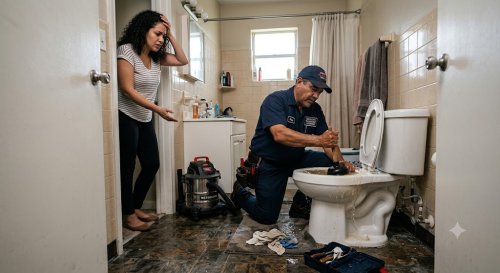
A plunger may help with a simple fixture-level blockage. Removing visible debris from a drain strainer can also help.
However, be cautious with chemical drain cleaners.
Repeated use of aggressive chemicals can:
- Damage certain plumbing components
- Create hazardous conditions for anyone working on the drain
- Fail to remove deeper obstructions
- Mask a recurring plumbing problem
If the clog keeps returning, don't continue treating it as a one-time blockage.
How Do Professional Plumbers Clear Recurring Clogs?
Professional drain cleaning generally starts with diagnosis.
Step 1: Inspect the Drain
The plumber determines which fixture is affected and asks about the history of the problem.
Step 2: Identify the Blockage
The plumber evaluates whether the obstruction is caused by grease, hair, roots, foreign material, pipe damage, or another issue.
Step 3: Select the Appropriate Equipment
Depending on the blockage, the plumber may use:
- Drain snakes
- Motorized augers
- Hydro-jetting equipment
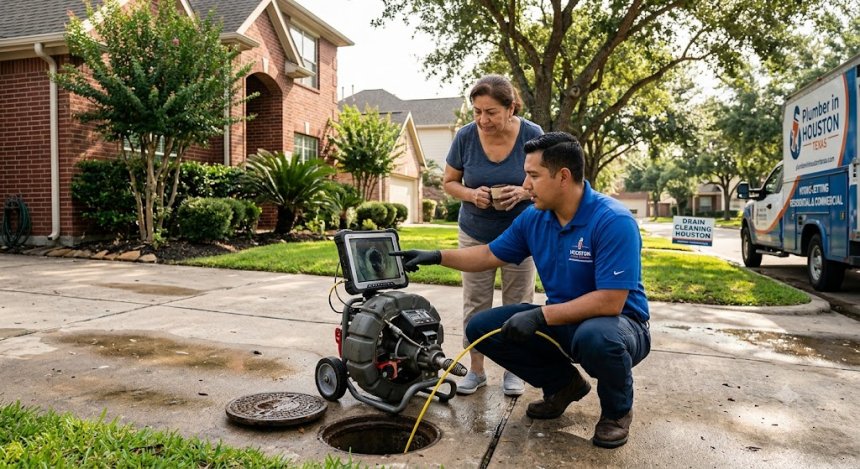
- Drain cameras
- Sewer inspection cameras
- Pipe locators
Step 4: Clear the Obstruction
The appropriate method is used to restore drainage.
Step 5: Inspect the Plumbing
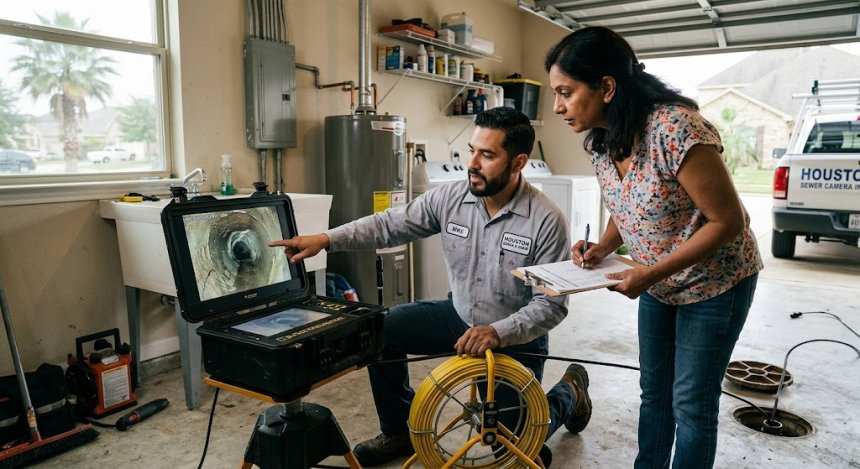
If the blockage is recurring, a camera inspection may be recommended to look for roots, cracks, collapsed sections, or other problems.
Step 6: Test the Drain
Water is run through the system to confirm proper drainage.
Step 7: Recommend Preventive Maintenance
The plumber can explain what caused the blockage and how to reduce the chance of recurrence.
What Is Hydro Jetting?
Hydro jetting uses specialized equipment to send high-pressure water through a drain or sewer line.
It can help remove:
- Grease
- Sludge
- Mineral deposits
- Organic buildup
- Some root-related debris
Hydro jetting isn't appropriate for every plumbing system. A professional should evaluate pipe condition before using high-pressure cleaning, particularly when older or damaged pipes are suspected.
When Is a Sewer Camera Inspection Necessary?
A camera inspection can be especially useful when:
- Clogs keep returning
- Several drains are affected
- Tree roots are suspected
- A sewer line is old
- There are repeated backups
- Previous cleaning only provides temporary relief
- A pipe may be damaged
Instead of guessing where the problem is, a camera allows the plumber to inspect the inside of the pipe and identify potential defects.
How Long Does Drain Cleaning Take?
A straightforward fixture-level clog may be resolved relatively quickly.
More complicated problems can take longer if:
- The blockage is deep
- Multiple drains are affected
- Roots are involved
- The sewer line is damaged
- Camera inspection is required
- Hydro jetting is necessary
- Access to the plumbing is difficult
If a pipe is damaged or collapsed, clearing the blockage may only be a temporary solution until the underlying pipe is repaired.
How Much Does Drain Cleaning Cost in Houston?
There is no reliable fixed price for every clogged drain.
Costs can vary based on:
- Location of the blockage
- Severity of the obstruction
- Drain accessibility
- Labor
- Equipment required
- Camera inspection
- Hydro jetting
- Emergency service
- Pipe condition
- Whether repair or replacement is necessary
A simple sink clog is very different from a blocked main sewer line.
Ask for an explanation of the recommended service before approving additional work.
15 Common Mistakes That Cause Clogged Drains
- Pouring grease down the kitchen sink.
- Flushing wipes.
- Flushing paper towels.
- Allowing hair into shower drains.
- Ignoring slow drainage.
- Using chemical drain cleaners repeatedly.
- Putting food scraps down the sink.
- Failing to use drain strainers.
- Ignoring recurring toilet clogs.
- Treating every blockage as a simple clog.
- Using excessive force with unsuitable tools.
- Ignoring gurgling sounds.
- Waiting after multiple drains begin backing up.
- Failing to investigate recurring sewer problems.
- Attempting complicated plumbing repairs without the right experience.
Drain Maintenance Tips for Houston Homeowners
You can reduce the risk of recurring clogs by:
- Using hair catchers in showers.
- Cleaning drain strainers regularly.
- Keeping grease out of drains.
- Scraping food waste into the trash.
- Avoiding non-flushable products.
- Cleaning bathroom drains periodically.
- Watching for slow drainage.
- Addressing recurring toilet clogs early.
- Avoiding excessive chemical drain cleaners.
- Having older sewer lines inspected when appropriate.
- Keeping trees and landscaping in mind around sewer lines.
- Monitoring multiple drains for simultaneous problems.
- Scheduling professional drain cleaning when buildup becomes recurring.
- Watching for sewage odors.
- Responding quickly to backups.
- Maintaining accessible plumbing cleanouts.
- Having plumbing inspected after major recurring backups.
When Is a Clogged Drain an Emergency?
Not every clog requires emergency plumbing service, but call for prompt professional help if you have:
- Sewage backing into the home
- Multiple drains backing up
- A blocked main sewer line
- Overflowing wastewater
- Significant flooding
- A clogged drain causing property damage
- A toilet overflowing with contaminated water
- A recurring blockage accompanied by sewage odors
Avoid using affected fixtures until the source of the backup has been identified.
Sewage exposure can create sanitation concerns and may damage flooring, drywall, cabinets, and other building materials.