Hydro Jetting in Houston TX: When Is It Needed?
Discover when hydro jetting is necessary for Houston properties, how it differs from snaking, and what signs indicate severe main sewer line clogs.

Understanding Hydro Jetting for Houston Properties
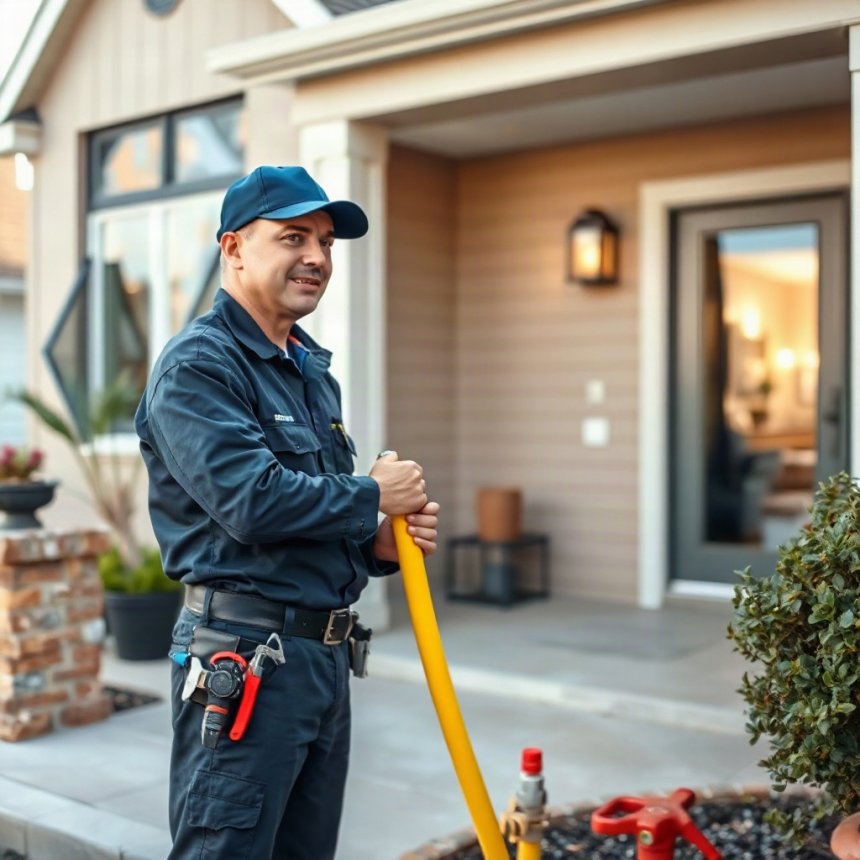
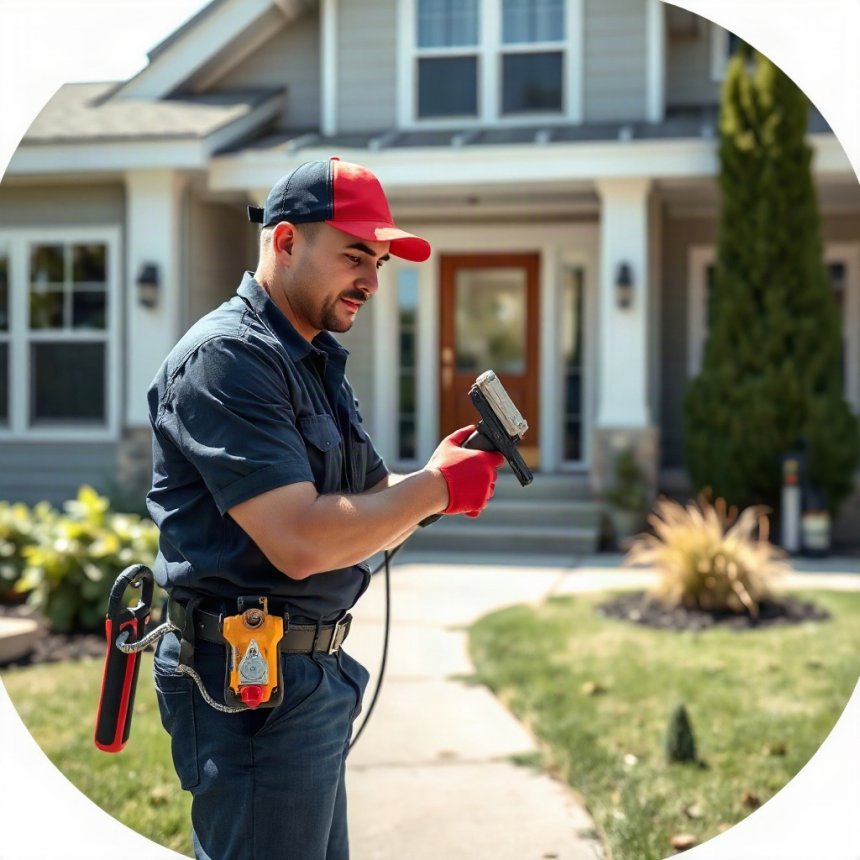
When a home or business plumbing system suffers from recurring blockages, standard mechanical drain snaking often provides only a temporary fix. While a plumbing snake or auger punches a small hole through a clog to restore immediate flow, it leaves behind sticky residue, grease buildup, scale, and mineral deposits clinging to the pipe walls. Hydro jetting uses specialized high-pressure water streams—delivered through a high-strength hose and a specialized nozzle—to scour the entire interior circumference of a drainage pipe clean.
In the Houston area, where flat terrain, shifting clay soils, and aging infrastructure create unique environmental challenges for private sewer laterals, understanding when high-pressure water cleaning is genuinely required can save property owners from repeated plumbing emergencies and costly excavation work.
How Hydro Jetting Works
Hydro jetting systems typically operate between 1,500 and 4,000 pounds per square inch (PSI), driven by a specialized water pump and powered by a gas or diesel engine. The cleaning force comes from specially engineered nozzles featuring rear-facing and forward-facing jets. The rear jets propel the hose forward through the pipe while aggressively scouring the pipe walls, while the forward jets cut through dense blockages.
Unlike traditional rooters that only clear a path matching the diameter of the cable steel tip, hydro jetting restores pipes to a near-original inside diameter. The high-pressure water flushes away grease, soap scum, hair mats, construction debris, and mineral scale, leaving the entire conduit clean from the interior building cleanout all the way out to the municipal connection or private septic system.
When Is Hydro Jetting Actually Needed?
Hydro jetting is not required for a simple, isolated hair clog in a bathroom sink trap. Instead, it is specifically indicated for severe, persistent, or system-wide drainage failures. Several distinct scenarios justify deploying high-pressure water cleaning:
- Recurring Main Line Blockages: If your main sewer line clogs every few months despite routine snaking, a persistent structural buildup or internal obstruction remains inside the pipe. Hydro jetting removes the root cause rather than just the symptom.
- Heavy Kitchen Grease Accumulation: Commercial kitchens, restaurants, and residential homes that cook frequently often experience heavy grease buildup. Grease coats the upper and lower halves of underground drain lines, solidifying as wastewater cools. Hydro jetting liquefies and scours away heavy grease layers that augers merely slide past.
- Root Intrusion in Sewer Lines: Tree roots seek moisture through microscopic cracks or pipe joint seals in underground sewer laterals. While mechanical cutters slice roots away, hydro jetting finishes the job by washing away root fibers, dirt, and biological slime, leaving a clean surface for further evaluation or trenchless lining.
- Scale and Mineral Buildup in Cast Iron Pipes: Older properties in established neighborhoods often feature aging cast iron drain lines. Over decades, interior corrosion creates rough, scaly surfaces that catch toilet paper and solid waste. Hydro jetting strips away interior scaling, smoothing the pipe wall temporarily (provided the structural integrity of the pipe remains sound).
- Post-Construction Debris: Following home remodeling or new construction, drywall mud, cement slurry, tile grout, and adhesive frequently find their way into floor drains and toilet rough-ins, hardening inside the pipe network. High-pressure washing is often the only effective method to break up and flush out hardened construction waste.
What Symptoms and Clues Indicate Severe Pipe Restriction?
Recognizing the difference between a minor fixture-level backup and a major main-line restriction dictates whether hydro jetting is the appropriate solution. Watch for these critical warning signs:
- Multiple Fixture Failures: When flushing a toilet causes water, bubbles, or waste to back up into a nearby shower pan, bathtub, or floor drain, the blockage is located in the main branch or main sewer line, not an individual fixture trap.
- Gurgling Drains: If draining a kitchen sink causes bubbling noises in a downstream bathroom toilet or bathtub, air is being trapped and forced through wastewater traps due to a partial downstream restriction.
- Sluggish Drainage Throughout the Home: When every sink, tub, and toilet in the property drains noticeably slower than normal despite individual fixture cleaning, a centralized obstruction or pipe narrowing is restricting overall discharge capacity.
The Crucial Step: Pre-Cleaning Camera Inspection
A professional plumber should never perform hydro jetting blindly without first conducting a sewer camera inspection. Pumping high-pressure water into a severely damaged, collapsed, or severely offset pipe can cause catastrophic structural failure, worsen a pipe break, or cause compromised joints to separate entirely.
A video camera inspection reveals:
- The exact pipe material (cast iron, PVC, clay, Orangeburg).
- The structural condition of the pipe walls.
- The presence of bellies (sags where water pools).
- Severe cracks, holes, or offset joints.
If a camera inspection shows that a pipe has structural collapse or heavy structural deterioration, hydro jetting may be contraindicated, and structural pipe repair or replacement becomes necessary instead.
Safe DIY Limits and What Homeowners Should Avoid
Homeowners frequently ask if consumer-grade pressure washers can be adapted for hydro jetting. Attempting DIY hydro jetting using standard household pressure washers or rented high-pressure equipment is strongly discouraged.
Commercial hydro jetting units generate extreme pressure and thrust. Without professional training and precise nozzle control:
- A high-pressure jet nozzle can easily whip backward out of a cleanout, causing severe physical injury or property damage.
- Excessive or uncontrolled pressure inside residential piping can blow apart aging pipe joints or rupture fragile PVC and cast iron lines beneath floors or walls.
- Incorrect nozzle selection can push debris tighter against a stubborn blockage instead of washing it backward.
Homeowners should safely limit DIY actions to using standard plungers for single-fixture clogs or utilizing a manual hand auger on accessible sink traps. Any suspected main line blockage, multiple fixture backup, or recurring drainage failure warrants professional assessment.
Factors That Affect Hydro Jetting Cost and Pricing
Pricing for hydro jetting varies based on several distinct operational factors rather than a flat, standardized rate. Understanding these variables helps property owners evaluate service estimates realistically:
- Accessibility of Cleanouts: Accessing an exterior, grade-level main cleanout is straightforward. If a plumber must pull a toilet or navigate tight indoor crawl spaces or finished basements to access a cleanout, labor time and safety precautions increase.
- Severity and Type of Obstruction: Removing heavy layers of hardened grease, concrete slurry, or thick root masses requires specialized multi-stage nozzle changes, longer operating times, and higher water volume delivery.
- Pipe Length and Diameter: Cleaning a short 30-foot residential lateral requires less time, water, and fuel than cleaning a 150-foot commercial sewer run or large-diameter industrial drain.
- Pre- and Post-Inspection Requirements: Comprehensive packages that include initial camera diagnostics to verify pipe integrity and post-cleaning verification footage add professional diagnostic value to the service.
- Equipment Setup and Site Conditions: Commercial-grade truck-mounted or trailer-mounted hydro jetters require adequate parking, water source proximity, and environmental containment considerations, particularly for commercial properties.
Questions to Ask Before Approving Hydro Jetting Work
Before authorizing a contractor to perform hydro jetting on your drainage system, ask these targeted questions to ensure safe and transparent service:
- Did you perform a video camera inspection first to confirm that my pipes are structurally sound enough to withstand high-pressure water?
- What PSI and flow rate will your equipment operate at for my specific pipe material and diameter?
- Does the quoted price include both the jetting process and a post-cleaning camera verification?
- What warranties or guarantees apply if the blockage returns within a specified timeframe?
- Are there any structural risks given the age and material of my plumbing system?
Frequently Asked Questions
Can hydro jetting damage my pipes?
When performed by a trained professional following a pre-cleaning video inspection, hydro jetting is safe for healthy PVC, cast iron, and clay pipes. However, if a pipe is already severely corroded, structurally compromised, or fractured, high-pressure water can accelerate failure. That is why professional camera verification is non-negotiable before jetting.
How long does a hydro jetting service typically last?
Unlike chemical drain cleaners or basic snaking that leave residue behind, hydro jetting restores pipes to near-original capacity. When combined with proper property usage—such as keeping grease, wipes, and foreign objects out of drains—the results can last for many years, depending on root growth rates and pipe condition.
Is hydro jetting effective against tree roots?
Yes. Hydro jetting is one of the most effective methods for eliminating root intrusion. The high-pressure streams slice through root bundles and scour the pipe interior clean. However, if roots have entered through structural cracks or separated joints, hydro jetting only provides temporary relief until the damaged pipe section is repaired or lined.
Can hydro jetting clear grease clogs in commercial kitchens?
Hydro jetting is the gold standard for commercial kitchen grease management. Grease solidifies along the upper and lower surfaces of drain lines, narrowing the interior diameter. High-pressure water scours 360 degrees of the pipe wall, completely liquefying and removing accumulated fats, oils, and grease.
What is the difference between snaking and hydro jetting?
Snaking (mechanical rodding) uses a rotating steel cable with a cutting head to punch a hole through a blockage, restoring immediate flow while leaving the pipe walls coated in residue. Hydro jetting uses high-pressure water to wash away the entire blockage and clean the complete interior circumference of the pipe.