Why Your Kitchen Sink Backs Up When the Dishwasher Runs
Discover why your kitchen sink backs up when the dishwasher runs, what causes this drainage issue, safe DIY checks, and when to call a professional.

Understanding the Dishwasher-to-Sink Backup Problem
When you start a wash cycle and suddenly notice dirty water pooling inside your kitchen sink basin, you are dealing with one of the most common yet frustrating household plumbing issues. This symptom means the high-volume water discharge pumped out of your dishwasher has nowhere to go. Instead of flowing smoothly down the main drain pipe into your home's drainage system, the wastewater meets a blockage or restriction and takes the path of least resistance—straight up into your kitchen sink.
For homeowners in Houston, Texas, dealing with kitchen drainage issues can sometimes be complicated by aging residential plumbing systems, shifting soils around slab foundations, or heavy cooking habits that build up grease over time. Whether your property is a newer suburban home or an older residence, understanding the mechanical connection between these two kitchen fixtures is the first step toward a permanent fix.
The Plumbing Mechanism: How Your Dishwasher Connects to Your Drain
To understand why this backup happens, it helps to look at how your kitchen sink and dishwasher share a drainage pathway. Dishwashers do not have their own dedicated, independent pipe leading straight out of your home. Instead, the flexible discharge hose running from the back of your dishwasher connects to one of two places:
- The Garbage Disposal Inlet: A specialized side nipple on the garbage disposal unit beneath the sink.
- A Tailpiece Branch Wye: A designated branch fitting located on the vertical tailpiece pipe directly beneath the sink strainer, typically used in kitchens without a garbage disposal.
Because both fixtures share the exact same trap, vertical tailpiece, and horizontal branch drain inside the wall, any restriction downstream of that junction will affect both fixtures. When the dishwasher pump kicks on during its drain cycle, it forces water out at a much higher volume and velocity than a standard faucet stream. If a partial clog exists further down the line, the gentle flow of a running sink might trickle past it slowly, but the aggressive surge of a dishwasher will instantly overwhelm the restriction and back up into the sink.
Primary Causes of a Dishwasher Sink Backup
Pinpointing the root cause requires looking at several common failure points within the kitchen drainage assembly.
1. The Knockout Plug in a New Garbage Disposal
If you have recently installed a new garbage disposal or purchased a newly constructed home in the Houston area, a brand-new disposal unit features a plastic knockout plug inside the dishwasher inlet port. During manufacturing, this internal seal is left intact. If the installing contractor or homeowner forgets to punch out this plastic plug before attaching the dishwasher hose, the dishwasher will have zero drainage capability from day one, forcing 100% of its wash water directly into the kitchen sink.
2. Grease and Food Debris Accumulation
Over months and years of kitchen use, fats, oils, grease, coffee grounds, and starchy food waste coat the interior walls of your drain pipes. Over time, this buildup narrows the internal diameter of the pipe. While a running sink might drain acceptably through the remaining center channel, a high-volume dishwasher discharge overwhelms the narrowed pipe immediately.
3. Garbage Disposal Buildup and Impeller Clogs
Debris can accumulate inside the grinding chamber of a garbage disposal or directly inside the side inlet nozzle where the dishwasher hose attaches. When food sludge hardens inside this port, it acts as a one-way choke point, allowing minimal drainage while blocking high-pressure surges.
4. Venting Restrictions
Every plumbing fixture requires a vent system to allow air to enter and displace wastewater. If your kitchen sink plumbing vent is partially blocked—often by leaves, debris, or bird nests near the roof penetration—the rush of water from a dishwasher can create a vacuum or air lock, preventing smooth drainage and forcing water upward.
Safe DIY Checks and Troubleshooting Steps
Before calling a professional plumber, you can safely perform several diagnostic checks to identify or resolve minor restrictions.
- Check for the Disposal Knockout Plug: If your disposal is brand new, unplug the unit under the sink, disconnect the flexible dishwasher hose, and inspect the side inlet port with a flashlight. If you see plastic blocking the hole, punch it out with a screwdriver and pliers, making sure to retrieve the fallen plastic piece from inside the disposal grinding chamber.
- Inspect the P-Trap: Place a bucket beneath the curved P-trap pipe under your sink. Carefully unscrew the slip-nut fittings by hand. Inspect the trap for accumulated grease, hair, food particles, or foreign objects like silverware or bottle caps. Clean the interior thoroughly and reattach.
- Run the Garbage Disposal: Turn on your cold water tap and run the garbage disposal. Sometimes a minor blockage is trapped right in the impeller zone. Never stick your bare hands inside a disposal; always use tongs or pliers if you need to remove an obstruction.
- Clear the Dishwasher Air Gap (If Present): If your sink features a small metal or plastic cylinder mounted on top of the counter next to the faucet, remove the decorative cap and check for trapped debris or slimy residue that could be blocking the internal passage.
What DIY Actions to Avoid
While basic troubleshooting is safe, certain DIY actions can cause permanent damage to your plumbing system:
- Avoid Harsh Chemical Drain Cleaners: Pouring caustic chemical drain openers down a backed-up sink is dangerous. If the chemical fails to clear the clog, you are left with standing water filled with corrosive liquid that can splash onto your skin or eyes when you attempt manual repairs. Furthermore, strong chemicals can damage older PVC glue joints, ruin rubber gaskets, and corrode metal garbage disposal components.
- Do Not Force Rigid Augers Improperly: Using a handheld plumbing snake is acceptable for minor trap clogs, but forcing a heavy mechanical cable blindly through complex sanitary tees or older, fragile piping can puncture pipes or separate joints behind walls.
Hidden Causes and Professional Diagnosis
If clearing the P-trap and checking the disposal inlet does not solve the problem, the restriction is located deeper within your home's drainage infrastructure. Professional plumbers use advanced diagnostic techniques to uncover hidden issues:
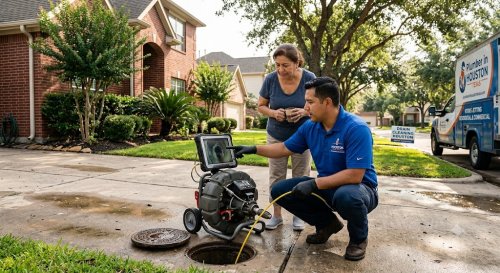
- Branch Line Accumulation: The horizontal pipe running from your kitchen sink inside the wall or beneath the floor may have heavy scale or grease buildup that requires professional mechanical snaking or hydro jetting to scour the pipe walls clean.
- Main Sewer Line Issues: If your kitchen sink backs up when the dishwasher runs and you notice gurgling sounds or slow drainage in your downstairs bathroom showers or toilets, the problem is likely a main sewer line blockage rather than a kitchen-specific issue. Tree root intrusion, structural pipe sagging (bellied pipes), or accumulated debris in the main sewer lateral can cause widespread drainage failure.
- Slab Leak or Foundation Shift Implications: In some properties built on concrete slabs, ground movement or settling can put stress on under-slab drain lines, causing minor misalignments where grease and debris easily catch.
Repair Options and When Replacement Makes Sense
Depending on what a professional inspection reveals, several solutions are available:
- Mechanical Cleaning (Snaking): Using a professional motorized drain auger with a cutting head sized specifically for kitchen lines to punch through and break apart grease and food clogs.
- Hydro Jetting: Utilizing high-pressure water streams to thoroughly scour grease, mineral scale, and sludge from the interior walls of kitchen drain pipes, restoring them to near-original inner diameter.
- Pipe Repair or Replacement: If a camera inspection reveals cracked, corroded, or heavily damaged piping behind walls or beneath floors, targeted pipe replacement becomes necessary.
Factors That Affect Repair Costs
When professional intervention is required, several factors influence the final cost of the service:
- Location and Accessibility of the Blockage: Clearing a clog located immediately in the P-trap or disposal is quick and inexpensive. Accessing a blockage inside a finished wall, ceiling, or beneath a concrete slab requires significantly more labor.
- Type of Equipment Required: Standard snaking requires less equipment setup than high-pressure hydro jetting or specialized video camera inspections.
- Severity and Extent of Pipe Damage: If localized pipe repairs, fitting replacements, or sewer line sections must be excavated or exposed, labor and material costs will increase accordingly.
Frequently Asked Questions
Why does my sink only back up when the dishwasher runs, but drains fine normally?
Your dishwasher pumps water out in a high-volume, pressurized surge. A running kitchen sink delivers a gentle, continuous stream that can slip past a partial grease or food blockage in the drain pipe, whereas the powerful dishwasher discharge instantly overwhelms the restricted opening.
Can a clogged garbage disposal cause my dishwasher to back up?
Yes. The dishwasher drains directly into the side inlet port of the garbage disposal. If food waste has accumulated inside the disposal chamber or clogged the inlet nipple, wastewater cannot pass through into the drain pipe.
Is it safe to run my dishwasher if the sink is backing up?
No. Running the dishwasher while the drain is restricted will force dirty, soapy water back up into your sink basin, creating an overflow hazard that can damage your countertops, flooring, and kitchen cabinetry.
What should I do if my new garbage disposal causes a dishwasher backup?
Check the dishwasher inlet port on the side of the disposal. A plastic knockout plug is factory-installed inside new units to prevent debris from falling in during shipping. If this plug was not punched out during installation, water cannot drain from the dishwasher.
How can I tell if the problem is my kitchen sink or my main sewer line?
If only the kitchen sink and dishwasher are affected while all other home fixtures drain normally, the issue is isolated to the kitchen branch line. If your toilets, showers, or other sinks also gurgle or back up, the problem is likely located in your main sewer line.
How do plumbers clean heavy grease clogs from kitchen drain lines?
Plumbers typically use either a heavy-duty motorized drain snake with specialized cutting attachments or hydro jetting equipment, which uses high-pressure water to scour grease and debris completely off the interior walls of the pipes.