Bathroom Drain Cleaning in Houston TX: Causes & Solutions
Learn how bathroom drain cleaning works in Houston TX. Discover causes of hair clogs, safe DIY tips, professional methods, cost factors, and prevention.

Understanding Bathroom Drain Blockages
When a bathroom sink, shower, or tub begins to drain sluggishly, it is easy to assume the issue is a simple surface obstruction. However, bathroom drain problems often involve a complex accumulation of hair, soap scum, skin oils, and mineral residue binding together deep inside the waste and overflow piping. In many properties across the Houston, Texas area, slow or clogged bathroom drains are a frequent household nuisance that requires a clear understanding of what is happening beneath the visible fixtures before deciding how to clear the line.
Unlike kitchen drains, which typically struggle with grease, food particles, and starch, bathroom drains are uniquely prone to organic matting. Hair acts as a net, catching floating debris like toothpaste, shaving cream, and calcium deposits from hard water or mineralized water supplies. Over time, this mixture forms a dense, fibrous mass that restricts water flow and eventually blocks the pipe entirely.
Why Bathroom Drains Clog: Common Causes and Hidden Clues
Pinpointing the exact cause of a slow bathroom drain starts with observing which fixtures are affected and how they behave. Identifying whether the issue is isolated to a single fixture or impacting multiple areas provides vital clues for effective troubleshooting.
Single Fixture Versus Multiple Fixtures
If only the guest bathroom sink drains slowly while the shower and toilet nearby operate normally, the restriction is almost certainly localized to that specific sink's stopper, pop-up assembly, or P-trap. Conversely, if flushing the toilet causes water to bubble up into the shower pan, or if running the bathroom sink causes gurgling in the tub, the problem lies further down in the shared branch drain or the main sanitary line.
The Role of Houston's Climate and Environment
While bathroom clogs are primarily driven by daily usage habits rather than weather, local environmental factors can influence plumbing performance. High indoor humidity levels across the Gulf Coast region can sometimes affect ventilation and pipe venting performance if roof vent stacks experience moisture buildup or blockages from local wildlife or debris. Additionally, older homes featuring aging galvanized steel or cast iron drain lines often suffer from interior pipe scaling, where rough pipe walls accelerate hair and soap accumulation much faster than smooth modern PVC piping.
Safe Homeowner Troubleshooting and DIY Limits
Before calling a professional or attempting aggressive chemical clearers, property owners can perform several safe, low-risk checks to restore flow.
- Inspect and Clean the Pop-Up Stopper: Many sink clogs are simply hair wrapped around the mechanical linkage of the sink stopper. Unscrewing or pulling up the stopper mechanism often reveals a tangled mass that can be removed by hand.
- Use a Manual Plastic Drain Zip Tool: Flexible plastic barbed strips can be safely inserted past most sink and shower crossbars to snag hair clogs without damaging the piping.
- Check the P-Trap: Placing a bucket beneath the curved under-sink trap and unscrewing the slip nuts allows homeowners to inspect and clean out accumulated debris directly.
What DIY Actions to Avoid
Homeowners should exercise extreme caution with chemical drain cleaners. Liquid and crystal chemical openers rely on harsh acids or lye to generate heat and dissolve clogs. If these chemicals fail to clear the obstruction, they remain trapped inside the P-trap or pipe bends, creating a severe chemical burn hazard for anyone servicing the plumbing later. Furthermore, repetitive use of harsh chemicals can degrade older metal pipes and deteriorate rubber seals, leading to hidden leaks beneath bathroom floors or inside vanity cabinets.
How Professionals Diagnose and Clean Bathroom Drains
When DIY methods fail or clogs repeatedly return, a professional plumber employs specialized diagnostic techniques and equipment to resolve the root cause.
Professional Diagnostic Steps
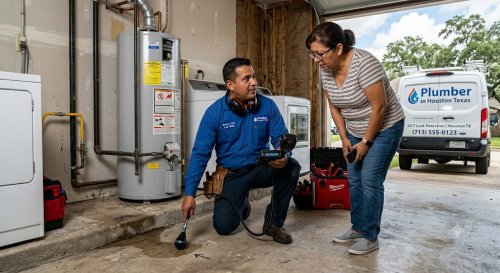
A licensed plumber will first determine whether the obstruction is mechanical or structural. If basic snaking only provides temporary relief, the plumber may recommend a sewer camera inspection. Passing a micro-camera through the bathroom waste line allows the technician to visually inspect the interior condition of the pipe, verifying whether root intrusion, pipe sagging (belllying), broken fittings, or heavy scale buildup is responsible for the recurring blockages.
Cleaning Methods
- Mechanical Augers (Snakes): Motorized drain snakes feature specialized cutting heads designed to bore through dense hair, soap, and mineral clogs, scraping the interior pipe walls clean.
- Hydro Jetting: For severe grease, scale, or heavy sludge buildup in branch lines, high-pressure water jetting scours the entire interior circumference of the pipe, flushing debris completely out of the system.
Repair Versus Replacement Considerations
Most bathroom drain issues are resolved through thorough cleaning or clearing. However, older homes with original cast iron or corroded galvanized drain piping may exhibit structural failures that simple cleaning cannot fix. If a camera inspection reveals cracked pipes, severe rust corrosion, or collapsed sections beneath the slab or flooring, targeted pipe repair or partial repiping becomes necessary. Replacing deteriorated sections ensures long-term reliability and prevents chronic backups.
Cost Factors for Bathroom Drain Cleaning
Drain cleaning costs can vary significantly based on several practical factors rather than arbitrary pricing. Understanding these variables helps property owners evaluate service estimates realistically:
- Access Difficulty: Standard sinks with open cabinet access are quick to service, whereas drop-in vanities, clawfoot tubs, or shower pans lacking access panels require more labor and specialized care.
- Severity and Location: A simple fixture trap cleaning takes minutes, while a deep branch-line clog or main stack obstruction requires heavier commercial equipment and more time.
- Pipe Material and Condition: Working with brittle older pipes requires extra caution to prevent accidental damage, influencing labor time.
- Emergency Timing: After-hours or holiday emergency callouts naturally involve higher service rates due to scheduling urgency.
A reputable plumbing estimate should clearly itemize diagnostic fees, labor charges, and any equipment fees, while explaining whether the quoted service includes a warranty or follow-up guarantee.
Frequently Asked Questions
Why does my shower drain gurgle when the toilet flushes?
A gurgling shower drain during a toilet flush usually indicates a venting problem or a partial blockage in the main drain line. When the toilet flushes, it pushes a large volume of air and water downward. If the vent stack is blocked or the main line is restricted, air is pulled through the shower trap, creating a bubbling or gurgling sound and pointing to a deeper issue than a simple surface clog.
Are chemical drain openers safe for older bathroom pipes?
Generally, no. Chemical drain cleaners generate heat that can warp PVC fittings and accelerate corrosion in older cast iron or galvanized steel pipes. They are particularly risky in older properties where pipe walls may already be compromised by age or mineral wear.
How can I prevent hair from clogging my bathroom sink and shower drains?
Installing mesh hair catchers or fine-screen strainers over sink and shower drains is the most effective preventive measure. Emptying these catchers weekly stops hair and soap debris from entering the waste line entirely.
Why does my bathroom sink drain slowly even after I cleared the P-trap?
If the P-trap is completely clean and the pop-up stopper is clear, the obstruction is likely located further down inside the horizontal branch drain or vertical wall stack. A manual hand snake or professional auger is usually required to reach deeper blockages.
How often should bathroom drains be professionally cleaned?
Most residential bathroom drains do not require routine professional cleaning unless members of the household have long hair or the home experiences chronic slow-draining issues due to hard water mineral buildup. Regular use of drain strainers and monthly hot water flushes usually suffice for general maintenance.