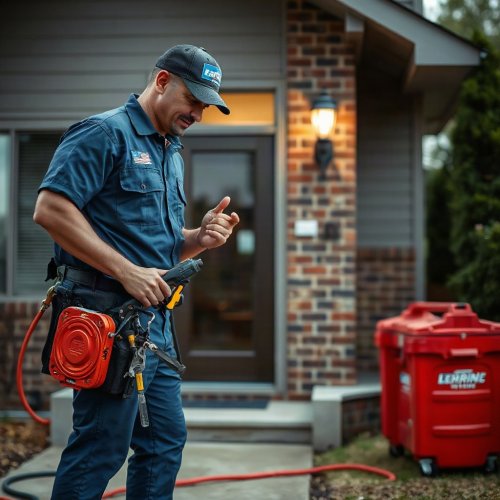
What to Do When Water Is Flooding a Houston Home: Emergency Steps
Discover immediate emergency steps, safety precautions, and diagnostic actions to take when water is flooding a Houston home.
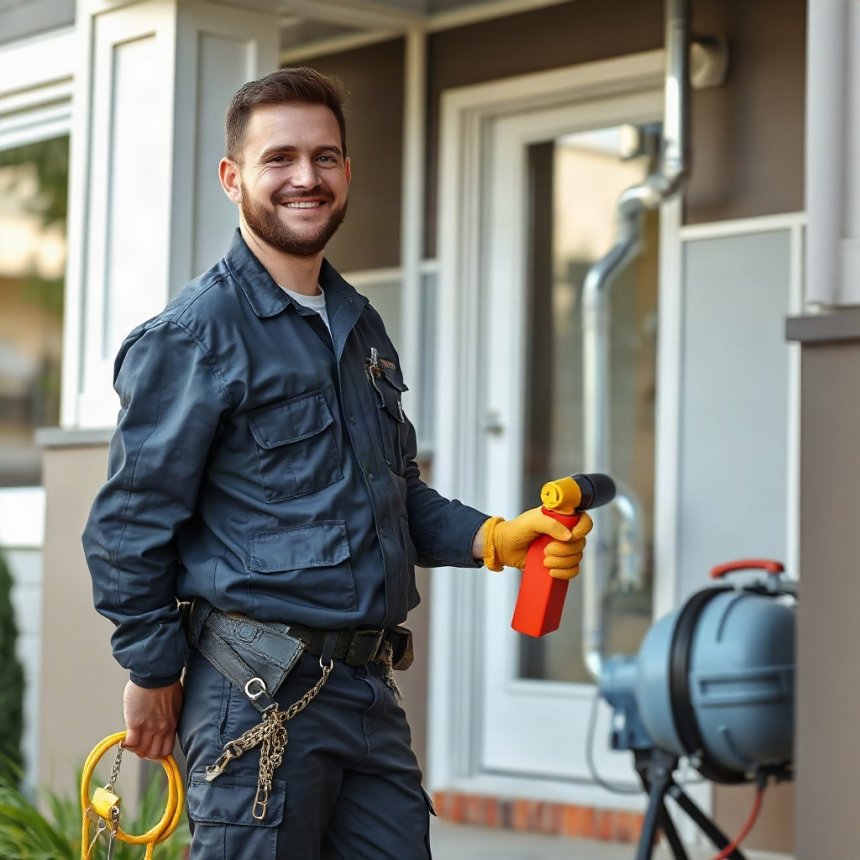
Immediate Action Steps During a Home Flooding Emergency
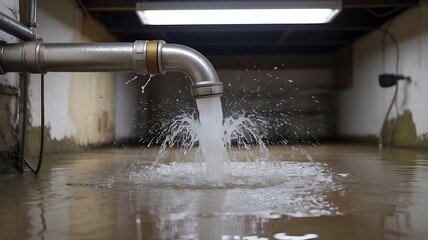
When water is actively flooding a residential property, every minute counts to minimize structural damage, ruined flooring, and mold growth. Whether you are dealing with a catastrophic main water supply break, a severe appliance failure, or a sudden indoor pipe rupture, taking immediate and decisive action is critical. Panic often leads to hesitation, but following a structured emergency response plan protects both your family's safety and your property.
Before attempting any investigation or cleanup, your first priority must always be safety. Water combined with electricity creates a lethal hazard. If standing water is accumulating near electrical outlets, baseboard heaters, major appliances, or your electrical service panel, do not step into the water. If you can safely reach your home's main electrical panel without wading through standing water, turn off the main circuit breaker immediately. If the panel is wet or located in a flooded area, contact your electric utility provider to cut power from the street.
Shutting Off the Water Supply
Stopping the source of the water is the single most important physical intervention you can take. Knowing where your emergency shutoff valves are located before a crisis occurs can save thousands of dollars in property repairs.
The Main Water Shutoff Valve
Every home in the Houston area should have a primary water shutoff valve. In many residential properties, this valve is located near the front perimeter wall where the main water line enters the house, often inside a utility room, garage, or crawl space. In properties with slab foundations, it is frequently housed in an outdoor utility box near the street or sidewalk, often alongside the water meter. To close a standard gate valve, turn the handle clockwise until it is fully tight. For ball valves, turn the lever perpendicular to the pipe. Once closed, open the lowest indoor faucets, such as a bathtub spout or exterior hose bib, to drain remaining water from the lines.
Fixture and Appliance Isolation Valves
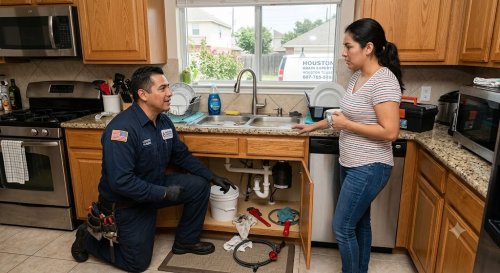
If the flooding is isolated to a specific room or fixture—such as a supply line bursting behind a washing machine, a toilet tank cracking, or a kitchen sink supply tube failing—you do not necessarily need to shut off the entire house. Locate the dedicated isolation valve beneath the sink, behind the toilet, or recessed into the laundry box. Turning these miniature valves clockwise will halt the water supply to that specific fixture while leaving the rest of the home functional.
Identifying the Source of the Flood
Once the water flow has been stopped and immediate safety hazards are controlled, you need to identify the exact origin of the water. Not all indoor flooding stems from pressurized plumbing supply lines. Distinguishing between a supply-side failure, a drainage backup, or an environmental intrusion changes how the problem must be resolved.
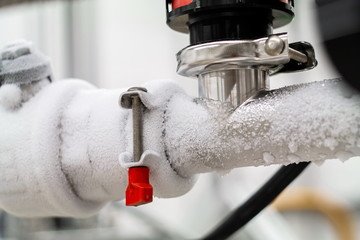
- Pressurized Supply Line Failures: Characterized by continuous, spraying, or rapidly accumulating clean water. Common culprits include flexible braided supply lines to toilets and sinks, water heater tank ruptures, and frozen or degraded copper or PEX pipes.
- Drainage and Sewer Backups: Characterized by foul-smelling gray or black water backing up through floor drains, bathtubs, or lower-level toilets. This often indicates a severe blockage or structural collapse in the main sewer lateral.
- HVAC Condensate Overflow: Particularly common during long, humid Houston summers. When an air handler's condensate drain line clogs with algae or slime, the overflow pan fills, spilling water through ceilings or utility closets.
- Exterior Stormwater Intrusion: Driven by heavy regional rainfall, poor yard grading, or compromised window wells, where rainwater enters the structure from the outside rather than from interior plumbing components.
Safe Homeowner Checks and Damage Control
While major plumbing structural repairs require professional intervention, homeowners can safely perform several damage-control measures while waiting for assistance.
Begin removing standing water using a wet/dry shop vacuum, mops, or towels if the water is clean. Pull up saturated area rugs, elevate furniture legs using foil or plastic wrap to prevent wood stains on flooring, and open interior doors and windows to encourage cross-ventilation if outdoor humidity permits. Set up portable fans and dehumidifiers to begin drying out drywall and subfloors, which helps prevent secondary mold growth.
What you should not do is equally important. Do not attempt to repair pressurized copper or PVC lines with temporary tape, epoxy, or patches while the system remains under pressure. These temporary fixes frequently blow out unexpectedly, causing secondary floods. Avoid using electrical appliances, vacuums, or extension cords while standing on wet flooring.
Hidden Complications and Professional Diagnosis
When professional plumbers arrive to handle an emergency flood, they look far beyond the obvious broken pipe. In many cases, the visible leak is merely a symptom of a broader structural or environmental stressor.
For example, repeated pipe failures in a specific wall cavity can indicate localized galvanic corrosion, improper pipe installation where copper rests against untreated concrete, or structural shifting caused by expansive clay soils common across many residential tracts. If a water heater tank split without warning, a technician will check whether high incoming municipal water pressure or a failed thermal expansion tank contributed to the premature pressure vessel failure.
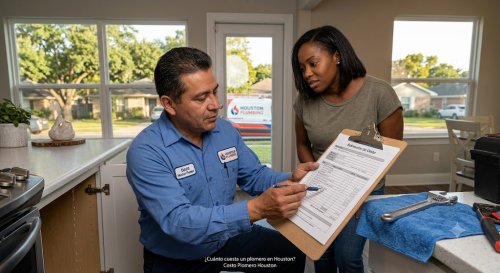
Professional diagnosis often involves hydrostatic pressure testing of the supply system, electronic acoustic leak detection behind walls, or fiber-optic sewer camera inspections to evaluate underground drainage integrity. These diagnostic steps ensure that a repair addresses the root structural cause rather than just patching the immediate hole.
Repair, Replacement, and Restoration Options
The appropriate solution depends entirely on the nature of the plumbing failure:
- Spot Repair: If a single pinhole leak or isolated corrosion spot is discovered on an accessible copper or PEX pipe, a plumber may cut out the damaged section and install a secure coupling or replacement run.
- Partial Repiping: When an aging galvanized steel or deteriorated polybutylene pipe system shows widespread failure, replacing only the immediate break is usually a temporary fix. A partial or complete repipe of the affected branch line provides long-term security.
- Appliance Replacement: If a water heater, washing machine hose, or garbage disposal body splits, replacement of the entire unit or assembly is standard, as internal components cannot be reliably rebuilt once structural integrity is compromised.
- Trenchless or Traditional Sewer Repair: For sewer backups resulting in interior flooding, external camera work determines whether mechanical snaking, hydro jetting, or structural pipe lining and excavation is required.
Understanding Cost Factors in Emergency Plumbing Repairs
Emergency plumbing interventions vary significantly in cost based on several objective variables. Understanding these factors helps property owners evaluate repair estimates realistically.
Labor complexity and timing represent major cost drivers. Emergency callouts dispatched during late nights, weekends, or severe weather events naturally carry different labor rates than scheduled daytime service. Accessibility also dictates pricing; repairing a pipe exposed in an unfinished garage is far faster and less invasive than accessing a supply line buried behind custom tilework, finished drywall, or beneath a concrete slab foundation.
Material selection impacts both initial expense and long-term durability. Upgrading substandard piping materials, installing commercial-grade brass shutoff valves, or adding thermal expansion tanks and pressure-reducing valves adds to material costs while safeguarding the property against future failures. Finally, restoration costs—such as drywall cutting, texture matching, flooring replacement, and professional water mitigation—must be factored into the total recovery budget, as plumbers generally stop their work once the plumbing system is repaired and tested.
Frequently Asked Questions
What should I do first if water is gushing into my home?
Immediately shut off your home's main water supply valve to stop the flow. Next, if you can safely reach your electrical panel without stepping in water, turn off the power to the affected area. Avoid using electrical appliances and call an emergency plumber.
How can I find my main water shutoff valve quickly?
In many homes, the main shutoff is located near the front perimeter wall inside a garage, utility closet, or basement. If you cannot find it indoors, check the perimeter for an in-ground utility box near the street or sidewalk where the water meter is housed.
Does homeowner's insurance cover indoor plumbing floods?
Coverage depends entirely on your specific insurance policy and the suddenness of the event. Sudden, accidental pipe bursts are frequently covered, whereas damage resulting from long-term, neglected slow leaks or maintenance failures is often excluded. Contact your insurance provider promptly to review your policy details.
Why did my pipe burst without any visible freezing temperatures?
Pipes can rupture due to extreme water pressure, internal corrosion, physical trauma during remodeling, or water hammer shockwaves. High municipal water pressure places constant stress on pipe walls and fittings, eventually causing them to fail unexpectedly.
How long does it take for mold to start growing after a flood?
Mold spores can begin germinating and colonizing within 24 to 48 hours in damp, warm environments. Rapid water extraction, industrial dehumidification, and moving air are essential immediately following any indoor flood to mitigate microbial growth.