Houston Plumbing Guide for Homeowners: Essential Care & Systems
A comprehensive Houston plumbing guide for homeowners covering local system vulnerabilities, seasonal weather stresses, repair factors, and maintenance tips.

Understanding Residential Plumbing in Houston
Managing a residential plumbing system requires understanding how local environmental conditions interact with domestic infrastructure. Properties across Houston face unique challenges that differ significantly from other regions. High humidity, heavy seasonal rainfall, reactive soils, and occasional hard freezes place distinct stress on pipes, fixtures, and underground lines. Whether you own a historic bungalow in the Heights or a newer construction in the outer suburbs, recognizing how your plumbing network responds to these localized factors is essential for preventing major failures.
This homeowner guide explores how local conditions impact your plumbing, what warning signs to monitor, safe troubleshooting practices, and how to evaluate repair versus replacement decisions without relying on generic advice.
How Local Climate and Soil Affect Houston Plumbing
A plumbing network does not exist in isolation; it interacts constantly with the surrounding ground, weather, and structural environment. In the Houston area, several environmental realities directly dictate how plumbing systems age and fail.
Soil Movement and Slab Foundations
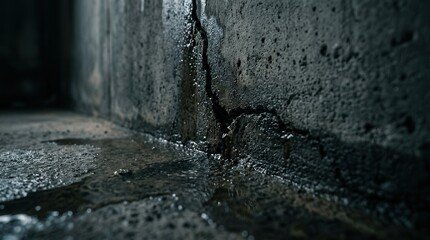
Most residential properties in the area are built directly on concrete slab foundations. The underlying clay-heavy soils expand significantly when saturated by heavy tropical rainfall and shrink during prolonged dry summer heat. This constant seasonal shifting exerts mechanical stress on sub-slab water supply lines and drain pipes. Over time, shifting earth can crack rigid cast iron or PVC piping beneath the concrete, leading to hidden leaks or structural drainage shifts.
Rainfall, Drainage, and Sewer Surges
During severe downpours and tropical storms, municipal storm systems and local drainage networks can reach maximum capacity. When stormwater infiltrates private sewer laterals through cracks or unsealed cleanouts, it can cause wastewater to back up into home fixtures. Properties situated in low-lying areas or close to bayous must pay careful attention to backwater prevention valves and outdoor drainage performance.
Corrosion and Water Quality
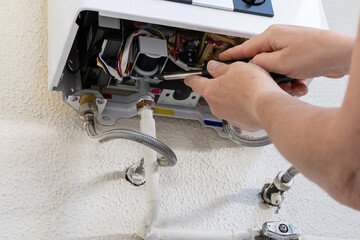
Mineral content and local water treatment processes can influence the lifespan of internal plumbing components. While not uniformly aggressive, high mineral levels can accelerate scale accumulation inside tankless water heat exchangers, faucet aerators, and supply valves, eventually restricting flow or damaging sensitive components.
Core Plumbing Components Every Homeowner Should Know
A proactive approach to home maintenance begins with knowing where critical shutoffs and components are located and how they function together.
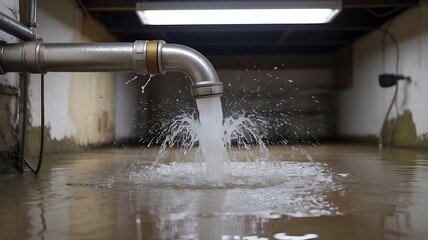
- Main Water Shutoff Valve: Usually located near the street meter box or where the main water line enters the foundation wall. Every adult resident should know how to close this valve quickly during a catastrophic burst pipe or major indoor leak.
- Water Heater Isolation Valve: Located directly above the tank or tankless unit on the cold-water inlet pipe. This allows you to shut off water to the heater without interrupting the entire house if a leak develops inside the unit.
- Fixture Shutoff Valves: Individual stop valves beneath sinks and behind toilets. Turning these clockwise isolates individual fixtures for minor repairs without shutting down the whole home.
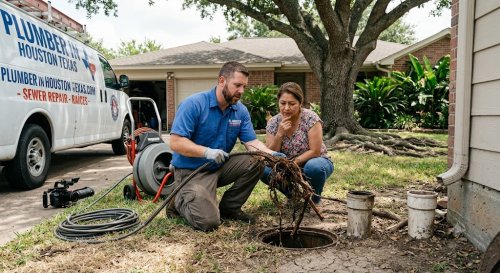
- Sewer Cleanouts: Access points located outside the foundation or in the yard, used by professionals to clear main sewer line obstructions and inspect pipe interiors with a camera.
Safe DIY Maintenance and Homeowner Inspections
Homeowners can safely perform several routine checks and preventive tasks to catch minor issues before they escalate into emergencies.
Monitoring the Water Meter
If you suspect a hidden leak, turn off all indoor and outdoor water-using appliances, faucets, and irrigation systems. Walk out to your water meter box and observe the small triangular leak detector dial. If it is spinning or ticking upward, water is continuously escaping somewhere in your property network.
Inspecting Visible Supply Lines
Twice a year, visually inspect flexible supply tubes connected to toilets, bathroom sinks, kitchen faucets, and washing machines. Look for mineral crusting, localized corrosion, bulging braiding, or dampness. Flexible supply lines have a limited service life and should be replaced every five to seven years.
Testing Toilet Flappers
A silently running toilet wastes thousands of gallons of water and increases utility bills. Drop a few drops of dark food coloring into the toilet tank. Wait ten minutes without flushing. If color seeps into the bowl, the flapper seal is failing and requires replacement.
When to Avoid Dangerous DIY Attempts
While basic visual checks and fixture maintenance are safe, certain plumbing tasks carry high risks of property damage, personal injury, or code violations. Never attempt to:
- Repair or modify natural gas or propane supply lines without proper licensing and pressure-testing equipment.
- Unclog main sewer lines using rental power augers if you are inexperienced, as rotating metal cables can crack brittle cast iron pipes or snag inside pipe joints.
- Attempt homemade structural repairs on leaking under-slab pipes, which requires specialized excavation, tunneling, or trenchless restoration.
- Work on electrical wiring associated with tankless water heaters or garbage disposals without isolating power at the breaker panel.
Professional Diagnosis and Diagnostic Tools
When a plumbing problem extends beyond simple fixture adjustments, professional plumbers rely on specialized diagnostic equipment to isolate the exact root cause without guesswork.
| Diagnostic Tool | Primary Purpose | What It Reveals |
|---|---|---|
| Electronic Leak Detector | Acoustic listening devices and thermal sensors | Pinpoints the precise location of hidden pressurized water leaks beneath slabs or inside walls. |
| Sewer Camera Inspection | Push-rod waterproof video cameras | Visualizes pipe interiors to identify root intrusion, structural cracking, bellies, or grease buildup. |
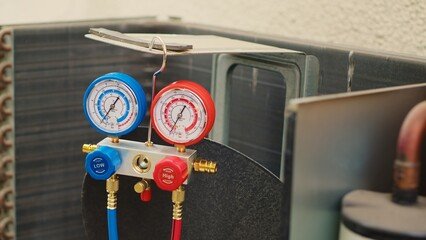
| Pressure Testing Gauges | Attaches to hose bibs or test ports | Measures static water pressure to diagnose regulator failures or supply restrictions. |
Relying on symptoms alone can be misleading. For instance, low water pressure at a single kitchen sink usually points to a clogged aerator, whereas low pressure across every shower and faucet in the house often indicates a failing pressure-reducing valve (PRV) or a compromised main water supply line.
Repair Versus Replacement Considerations
Determining whether to repair a failing plumbing component or invest in full replacement depends on several technical and economic factors:
- Age of the System: Galvanized steel and older polybutylene pipes have exceeded their expected lifespans and are usually candidates for whole-house repiping rather than endless spot repairs.
- Frequency of Failure: If a drain line requires mechanical snaking every few months, localized cable clearing is only addressing symptoms. The underlying cause—such as a structural offset or tree root infiltration—requires targeted repair or trenchless lining.
- Extent of Damage: A localized pinhole leak on an easily accessible copper pipe in a crawl space can be easily repaired with a coupling. The same leak located beneath a thick concrete slab may justify rerouting the supply line overhead through the attic rather than breaking through the foundation.
Understanding Plumbing Cost Factors
Plumbing service pricing varies based on the operational complexity of the task rather than flat-rate assumptions. Key factors driving project costs include:
- Accessibility: Working in confined crawl spaces, opening finished drywall, or excavating beneath concrete slabs requires significantly more labor than repairing an exposed utility pipe.
- Material Quality: Modern PEX tubing, heavy-duty copper, and commercial-grade brass fittings involve different material expenses than standard residential components.
- Emergency Dispatch: After-hours, holiday, or weekend emergency calls require immediate technician deployment and mobilization, increasing baseline service fees.
- Permitting and Inspections: Major installations, such as water heater replacements or main sewer line installations, often require municipal permits and post-work safety inspections.
Always request a transparent, itemized estimate that separates diagnostic fees, labor hours, and specific material costs before authorizing major work.
Frequently Asked Questions
How do I know if I have a slab leak?
Common indicators include unexplained warm spots on a tile or hardwood floor, the sound of running water when all fixtures are closed, unusually high water bills, or damp baseboards. Electronic leak detection is required to confirm the exact location.
Why does my drain make a gurgling sound when another fixture runs?
Gurgling usually indicates a venting problem or a partial blockage in the drain line. As wastewater travels down, it pulls air through nearby traps. If the vent stack on the roof is blocked or the drain is heavily restricted, air bubbles push back up through the lowest fixture trap.
How often should I have my main sewer line inspected?
Properties with mature trees, older clay or cast iron piping, or previous drainage issues benefit from a preventative sewer camera inspection every two to three years, or immediately before purchasing a resale home.
Can I use chemical drain cleaners for recurring clogs?
Chemical drain openers rely on caustic chemicals or acid reactions that can damage older metal pipes, warp plastic PVC fittings, and pose severe chemical burn hazards if plumbing work is required afterward. Mechanical cleaning or hydro jetting is safer and more effective.
What is the average lifespan of a residential water heater?
Traditional tank-style water heaters generally last between 8 to 12 years, while tankless units can last 15 to 20 years with regular annual descaling and maintenance. Hard water mineral accumulation is the primary factor shortening heater lifespans.