Restaurant Plumbing Maintenance Checklist: Pro Guide for Houston Food Service
Protect your Houston restaurant from costly plumbing failures. Use this practical maintenance checklist covering grease traps, drains, and commercial fixtures.

Keeping Your Restaurant Flowing: A Practical Commercial Plumbing Maintenance Checklist
In a commercial food service environment, a plumbing failure is never just an inconvenience—it is an immediate threat to health code compliance, operational continuity, and revenue. Commercial kitchens push plumbing infrastructure to its absolute limit, handling high-volume wastewater, hot oils, heavy starches, and food solids every single day. A structured preventive maintenance routine helps commercial property owners, restaurant managers, and kitchen staff catch minor operational vulnerabilities before they escalate into disruptive backups or costly emergency service calls.
This comprehensive restaurant plumbing maintenance checklist outlines daily, weekly, monthly, and seasonal upkeep tasks designed specifically to keep food service facilities running smoothly. By understanding your kitchen's drainage mechanics, grease management systems, and water supply components, you can protect your establishment from unexpected downtime.
Daily Kitchen Plumbing Best Practices
Daily routines focus primarily on waste segregation and basic fixture preservation. Because commercial drains are designed exclusively for wastewater, even small operational oversights can trigger rapid clogs.
- Enforce Dry Scraping: Ensure kitchen staff thoroughly scrape all food debris, sauces, and solid waste into trash bins or compost containers before placing plates, pans, or utensils into three-compartment sinks or dishwashers.
- Run Post-Shift Hot Water Flushes: At the end of every shift, run hot water through all prep sinks, dishwashing stations, and floor sinks for several minutes. This helps melt lingering fats and carries residual starches through the branch lines before they solidify.
- Inspect Strainer Baskets: Verify that every sink drain is equipped with an intact, fine-mesh strainer basket. Missing or damaged baskets allow food scraps to enter the drainage system, where they quickly accumulate.
- Monitor Floor Sinks and Trough Drains: Check all floor drains and trench drains for standing water or slow drainage at the close of service. Promptly remove any accumulated debris from drain grates.
Weekly Preventive Maintenance Tasks
Weekly tasks involve closer physical inspections of high-wear commercial components, gaskets, and traps.
- Clean Sink Strainers and Tailpieces: Remove and scrub all removable strainer baskets, stoppers, and sink tailpieces to eliminate biofilm, organic buildup, and slime layers that harbor bacteria and cause slow draining.
- Test Emergency Shutoff Valves: Locate and gently test the main water supply shutoff valves, individual fixture isolation valves, and gas shutoff valves (if applicable). Ensure they turn smoothly without sticking or leaking. Every manager and key staff member must know how to isolate water in an emergency.
- Check Ice Machine Drains: Inspect ice maker gravity or condensate pump lines for proper drainage. Standing water or slow lines in an ice machine can lead to mold growth and unsanitary conditions.
- Examine Dishwasher Discharge: Review the commercial dishwasher drain connection and air gap. A leaking or spitting air gap indicates a partial downstream restriction that requires clearing.
Monthly Grease Trap and Drainage Management
Grease management is the single most critical factor in restaurant plumbing health. Fats, oils, and grease (FOG) cool down inside drainage pipes, solidifying into hard blockages that choke entire waste systems.
- Service the Grease Interceptor or Trap: Depending on local health codes, your restaurant's volume, and equipment size, grease traps require professional pumping or manual scraping on a strict schedule. Never allow grease accumulation to exceed 25% of the trap's total liquid capacity, as grease carryover will immediately foul downstream sanitary lines.
- Inspect Baffles and Gaskets: During grease trap service, inspect internal baffles for corrosion, structural wear, or displacement. Verify that the lid gasket creates a tight, airtight seal to prevent foul sewer gases from entering the kitchen.
- Perform Hydro-Mechanical Cleaning of Floor Sinks: Manually clean out grease and solid debris from all kitchen floor sinks and interceptor boxes. Pouring hot water down floor sinks monthly helps maintain branch line clarity.
- Check Commercial Water Heaters: Inspect commercial water heating units for temperature stability, pressure relief valve weeping, and sediment accumulation. Commercial dishwashers require sustained high water temperatures (typically 140°F for wash cycles and 180°F for sanitizing rinses) to operate legally and effectively.
Quarterly and Semi-Annual Professional Inspections
Some critical plumbing maintenance tasks require specialized tools, commercial-grade equipment, or licensed professional expertise.
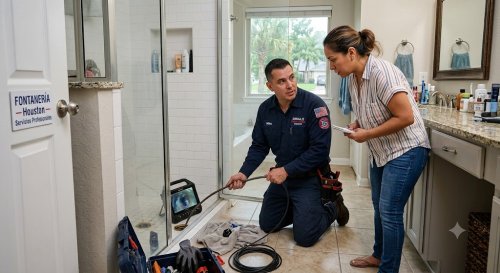
- Schedule Sewer Camera Inspections: Arrange for a professional plumber to run a video inspection camera through the main sewer lateral, especially in older commercial buildings or historic districts. This reveals hidden scale buildup, structural settling, root intrusion, or grease coating inside underground waste pipes before a catastrophic backup occurs.
- Test Backflow Prevention Assemblies: Commercial properties connected to municipal water supplies are legally required to have backflow preventers tested annually by a certified technician. This protects the public water supply from cross-contamination.
- Evaluate Water Pressure Regulators: Excess water pressure places severe stress on commercial spray valves, pre-rinse units, dishwashers, and supply lines. Verify that water pressure remains within safe operating thresholds (generally between 50 and 80 PSI).
- Inspect Restroom Fixtures: Commercial restrooms experience exceptionally high traffic. Check flush valves, urinal diaphragms, wax rings, and supply lines for silent leaks, constant running, or loose mountings.
Houston-Specific Operational Considerations
Operating a food service establishment in the Houston area presents unique environmental factors that require targeted awareness:
- High Heat and Humidity: Houston's intense ambient heat and high humidity accelerate biological activity, organic decomposition, and slime buildup inside drain lines and grease traps, making consistent cleaning frequencies essential.
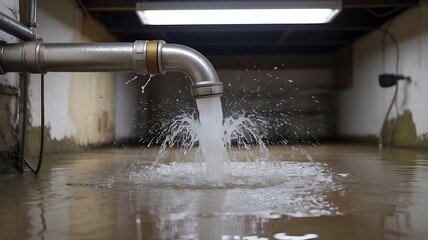
- Heavy Rainfall and Storms: Severe downpours and tropical storm events can overwhelm municipal sewer mains, increasing the risk of surcharge or municipal backups into low-lying commercial properties. Installing proper backwater valves can prevent municipal wastewater from pushing backward into your kitchen drains.
- Mineral-Rich Water: Hard water minerals accelerate scale buildup inside commercial water heaters, booster heaters, and dishwashing equipment, reducing heating efficiency and shortening component lifespans.
Safely Troubleshooting Common Restaurant Drainage Issues
When a commercial sink or floor drain begins to back up, kitchen staff should follow safe diagnostic and troubleshooting steps before calling a professional:
- Determine the Scope: Is only one sink affected, or are multiple fixtures failing simultaneously? If a single prep sink is slow, the issue is likely localized to that fixture's trap or immediate branch line. If multiple fixtures and floor sinks are backing up together, the blockage is located further downstream in the main sanitary line or grease interceptor.
- Check the Grease Trap: A severely overloaded grease trap is the most common cause of multi-fixture kitchen backups. Inspect the interceptor level before attempting mechanical drain clearing.
- Avoid Harsh Chemical Cleaners: Do not pour caustic commercial chemical drain openers into commercial sinks. These chemicals can damage delicate pipe joints, ruin metal fixtures, create extreme safety hazards for staff if splashing occurs, and fail to dissolve solidified commercial grease blockages.
- Use Plungers with Caution: A standard cup plunger can clear minor surface clogs in individual prep sinks, but avoid plunging if chemical cleaners were recently used or if multiple fixtures are linked to a shared vent or complex sanitary tee.
When to Call a Commercial Plumber
Certain plumbing symptoms demand immediate professional intervention to avoid health department shutdowns or structural property damage:
- Sewage backing up directly through floor sinks, floor drains, or handwashing sinks during peak operating hours.
- Complete loss of hot water at commercial dishwashing stations.
- Persistent foul sewage odors inside the dining room or kitchen area that do not resolve with trap priming.
- Unexplained wet spots, pooling water, or buckling flooring near commercial equipment.
Factors That Influence Commercial Plumbing Repair Costs
When commercial plumbing repairs or heavy cleaning services become necessary, pricing varies based on several distinct operational factors:
- Accessibility: Commercial plumbing systems are often concealed behind concrete slabs, drop ceilings, or cramped utility chases. Access limitations directly impact labor time.
- Emergency Timing: After-hours, weekend, or emergency holiday service calls incur higher labor rates to ensure immediate dispatch and rapid restoration of business operations.
- Equipment Requirements: Heavy-duty commercial drain clearing often requires high-pressure hydro jetting units, motorized sectional machines, or specialized camera diagnostic gear rather than standard residential snakes.
- Regulatory Compliance: Commercial repairs must strictly adhere to local plumbing codes, health regulations, and commercial permitting standards, which can influence project scope.
Questions to Ask Before Approving Major Commercial Plumbing Work
Before authorizing costly repairs, repiping, or major equipment replacement for your restaurant, ask the plumbing contractor the following key questions:
- Does this repair address the root mechanical cause of the problem, or are we treating a recurring symptom?
- Can you provide a video camera recording or still images showing the exact internal condition of the pipe or drain line?
- Will this repair require cutting into concrete flooring or disrupting dining operations, and what is your estimated timeline?
- Does this work comply with current commercial plumbing codes, and will local permits or inspections be required?
- What specific warranty covers both the parts replaced and the labor performed?
Frequently Asked Questions
How often should a restaurant grease trap be cleaned?
Most commercial grease traps require professional cleaning and pumping every 30 to 90 days. However, high-volume frying operations, bakeries, or establishments with heavy grease output may need servicing every two to four weeks to prevent overflows and pipe blockages.
Why do commercial kitchen floor drains emit foul odors?
Foul odors usually indicate that the drain's internal trap seal (the U-bend of water that blocks sewer gas) has evaporated due to infrequent use. Pouring a bucket of fresh water down the floor drain monthly usually restores the seal. If odors persist, it may point to a cracked vent pipe, damaged trap, or heavy bacterial slime buildup.
Can we use chemical drain cleaners in our restaurant sinks?
No. Caustic chemical drain cleaners are generally ineffective against thick commercial grease and food waste accumulations. Furthermore, they pose severe chemical splash hazards to kitchen staff, can damage commercial plumbing fixtures, and may ruin metal piping joints.
What causes commercial dishwashers to drain slowly?
Slow dishwasher drainage is typically caused by food debris bypassing worn strainer baskets, mineral scale accumulation inside the discharge hose, or a partial restriction in the downstream air gap or floor sink. Regularly cleaning the dishwasher's internal filter screen resolves many minor drainage slowdowns.
Why is hydro jetting recommended over standard snaking for restaurants?
Standard drain snakes poke a temporary hole through a grease or sludge clog, leaving slippery grease residue coating the interior pipe walls. Hydro jetting uses high-pressure water streams to thoroughly scour grease, scale, and organic buildup from 360 degrees of the pipe interior, restoring full pipe diameter and dramatically reducing the likelihood of repeat clogs.