Emergency Plumber in Houston TX: What to Do When a Pipe Bursts
Discover immediate steps to take when a pipe bursts in Houston, TX. Learn safe water shutoff methods, damage control, repair options, and cost factors.
Immediate Emergency Response: What to Do First
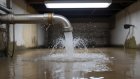
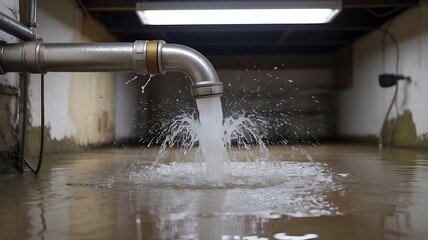
A sudden pipe burst can release hundreds of gallons of water in minutes, threatening structural integrity, electrical systems, and personal property. When water begins pouring from a wall, ceiling, or crawl space, immediate action is necessary to minimize damage. The very first step is not searching for a tool or calling for help—it is shutting off the water supply.
Locate the main water shutoff valve for the property immediately. In many Houston-area homes, this valve is located near the front property line inside a concrete meter box, often protected by a heavy plastic or iron lid. For properties with a dedicated interior shutoff, it is commonly found where the main water line enters the home through the utility room, garage, or a lower-level wall. Turning this valve clockwise completely stops water from feeding the ruptured pipe. If the leak is isolated to a specific fixture or appliance, such as a water heater or supply line beneath a sink, use the local supply stop valve rather than shutting off the entire home.
Protecting Electrical Systems
Water and electricity create a severe hazard. If a burst pipe discharges water near electrical outlets, breaker panels, overhead light fixtures, or appliances, turn off the affected circuit breakers immediately. Never step in standing water if there is any possibility that electrical current is active in the area. Once the water and power risks are managed, open unaffected faucets to drain remaining pressure from the plumbing lines.
Understanding Why Pipes Burst
Pipes rarely rupture without an underlying cause. Understanding why a failure occurred helps determine whether the fix requires a simple patch or a more comprehensive replacement of aging infrastructure.
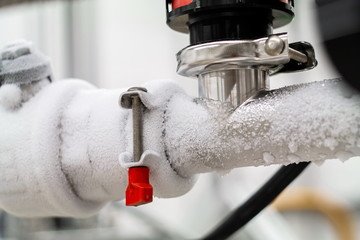
- Extreme Weather Events: While Houston is known for intense heat and humidity, severe winter freezes can cause standing water inside uninsulated attic pipes, exterior hose bibs, or crawl-space supply lines to freeze, expand, and rupture the surrounding metal or plastic walls.
- Excessive Water Pressure: Municipal water supply pressure or malfunctioning pressure-reducing valves can push internal pipe pressure beyond safe limits, stressing joints and weak spots over time until a rupture occurs.
- Material Degradation and Age: Older homes featuring galvanized steel or aging polybutylene pipes experience internal corrosion, scaling, and brittleness. Even copper pipes can develop pinhole leaks from aggressive water chemistry or external soil corrosion under slab foundations.
- Physical Damage or Ground Movement: Shifting soil conditions around foundations can place mechanical stress on rigid supply lines, eventually snapping joints or creating fractures.
Safe Homeowner Checks and Damage Control
While major pipe bursts require immediate professional intervention, homeowners can safely perform specific damage control and observation steps while waiting for an emergency plumber in Houston TX.
- Document the Damage: Take clear photographs and video of the water source, affected walls, flooring, and damaged personal property for insurance documentation.
- Begin Water Extraction: Use wet-dry vacuums, mops, and towels to remove standing water before it warps hardwood floors or seeps into baseboards and drywall.
- Improve Ventilation: Position fans and dehumidifiers in the affected area to accelerate drying, which helps prevent secondary mold growth—a frequent challenge in Houston's high-humidity climate.
- Check Surrounding Fixtures: Observe whether other faucets or supply lines show signs of dampness, bubbling paint, or low pressure, which may indicate a wider systemic failure.
Do not attempt to patch a pressurized supply line with duct tape, rubber patches, or makeshift clamps. These temporary fixes invariably fail under household water pressure, leading to sudden secondary floods.
Hidden Diagnostic Insights
Professional plumbers look beyond the visible water to evaluate the true scope of a plumbing failure. Several hidden factors often complicate a burst pipe incident:
- The Source is Rarely the Puddle: Water travels along the path of least resistance. Water pooling on a ceiling may have originated from a pinhole leak ten feet away, traveling along framing members before dropping through drywall.
- Compromised Insulation and Cavities: Water that enters wall cavities or subfloors can remain trapped, creating hidden moisture pockets that degrade wooden framing and insulation long after the active leak is stopped.
- Pressure Fluctuations: A burst pipe can cause sudden pressure drops across the entire plumbing system, but persistent lower-than-normal pressure after a repair suggests there may be a secondary restriction or a failing pressure regulator.
Professional Diagnosis and Repair Options
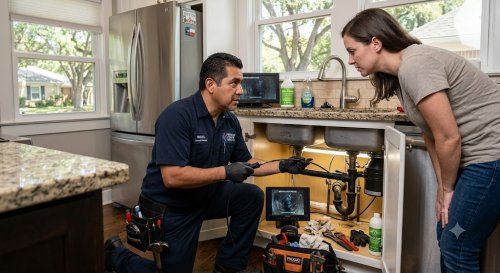
When an emergency plumber arrives, they utilize specialized diagnostic equipment such as thermal imaging cameras, acoustic listening devices, and electronic leak detection tools to verify the exact location and extent of the damage without causing unnecessary destruction to walls or flooring.
Depending on the location and condition of the plumbing system, several repair approaches may be considered:
| Repair Method | Best Used For | Primary Considerations |
|---|---|---|
| Spot Repair / Pipe Patch | Isolated damage on stable, healthy pipe runs. | Replaces only the damaged section; fast but leaves older surrounding pipe in place. |
| Partial Repiping | Repeated leaks within a specific branch line or corroded section. | Upgrades vulnerable pipe runs while avoiding the cost of a whole-house repipe. |
| Whole-House Repiping | Widespread corrosion, aging polybutylene, or frequent multiple failures. | Comprehensive solution using modern PEX or copper; requires temporary wall access. |
| Trenchless / Excavation | Underground service lines or buried yard leaks. | Determined by whether the damaged line runs beneath landscaping, driveways, or concrete slabs. |
Repair makes sense when the rest of the plumbing system is in good condition and the failure is an isolated event. Replacement becomes necessary when pipe material has degraded universally or when recurring leaks indicate that the entire network has reached the end of its useful lifespan.
Factors Affecting Repair Costs
The cost to resolve a burst pipe varies widely depending on several practical factors:
- Accessibility: A pipe bursting in an unfinished utility room is straightforward to access. A pipe bursting beneath a concrete slab foundation or inside a finished second-story wall requires specialized access, cutting, and subsequent structural or cosmetic restoration.
- Pipe Material and Size: Main supply lines, commercial-grade diameters, and specialized materials require different fittings and joining techniques than standard residential copper or PEX lines.
- Emergency Timing: After-hours, weekend, or holiday dispatch involves mobilization of emergency crews and specialized equipment outside normal operating hours.
- Restoration Requirements: Drywall repair, painting, flooring replacement, and mold remediation are often separate from the direct plumbing labor required to fix the physical pipe.
Before approving extensive plumbing repairs, property owners should ask whether the estimate includes wall patching and surface restoration, what warranty covers the new materials and labor, and whether the underlying cause—such as high water pressure—is being addressed simultaneously.
Frequently Asked Questions
How can I temporarily stop a burst pipe until a plumber arrives?
The only safe way to stop a burst pipe is to shut off the water supply to that specific line or the entire property. Avoid wrapping leaking pipes with tape or rubber bands under pressure, as these measures can blow out suddenly and worsen property damage.
Does homeowners insurance cover damage from a burst pipe?
Many standard policies cover sudden and accidental water damage caused by a burst pipe, as well as the associated demolition required to access the leak. However, damage resulting from long-term neglect, lack of maintenance, or freezing conditions may have specific policy limitations. Always consult your insurance provider for policy-specific guidance.
How do I know if my water pressure caused the pipe to burst?
If your home experiences high water pressure (consistently above 80 psi), plumbing joints, fixtures, and older pipes experience constant stress. A professional can test your water pressure with a gauge attached to an outdoor hose bib and install or adjust a pressure-reducing valve if necessary.
What should I do if a burst pipe is located underneath a concrete slab?
Under-slab leaks require specialized electronic leak detection to pinpoint the exact location without destroying excessive flooring. Plumbers may offer options ranging from direct-access breaking of the slab to rerouting the supply line through the attic or walls to bypass the damaged underground section.
How long does emergency pipe repair take?
An emergency shutoff and isolated pipe repair can often be completed within a few hours once access is established. However, complex repairs involving slab excavation, extensive wall cutting, or whole-branch repiping may take longer depending on accessibility and material requirements.