Plumbing Problems Common in Houston TX Homes: Causes & Fixes
Explore common plumbing problems in Houston, TX homes. Learn why local climate, soil, and aging infrastructure impact your pipes, drains, and foundation.
Understanding Plumbing Problems Common in Houston TX Homes
Owning or renting a property in the Greater Houston area means dealing with a distinct set of environmental and structural challenges that affect your plumbing system. The combination of intense Gulf Coast heat, high humidity, frequent heavy downpours, and shifting clay soils creates unique pressures on supply lines, drainage networks, and foundational slabs. Recognizing why these issues develop, understanding the early warning signs, and knowing what you can safely check yourself can prevent minor inconveniences from turning into major property damage.
How Houston's Climate and Soil Impact Plumbing Systems
Unlike regions that face freezing temperatures for months at a time, Houston properties contend with extreme thermal expansion and moisture fluctuations. Prolonged dry spells cause the heavy clay soils common throughout the area to shrink and pull away from foundations. When heavy tropical storms or intense downpours arrive suddenly, that same soil expands rapidly. This ground movement exerts immense mechanical stress on underground water lines, private sewer laterals, and waste pipes running beneath concrete slabs.
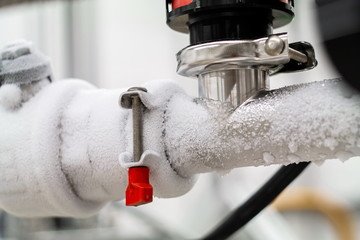
Furthermore, local water conditions and humidity levels accelerate certain types of wear. While sudden hard freezes during winter can catch homeowners off guard, causing outdoor or uninsulated pipes to crack, the more pervasive daily challenges involve thermal stress on water heaters, accelerated corrosion in damp crawl spaces or utility closets, and heavy sediment loads in municipal water supplies.
Frequent Plumbing Issues Found in Local Properties
Different parts of a plumbing system react differently to local conditions. Below are the issues that surface most frequently across residential and commercial properties in the region.
1. Slab Leaks and Concealed Supply Line Failures
A slab leak occurs when a pressurized copper or PEX water supply line beneath a concrete foundation develops a pinhole leak or break. In Houston homes, ground shifting caused by soil moisture changes places physical shear stress on rigid supply pipes.
- Symptoms to watch for: Warm spots on the floor, unexplained increases in your monthly water bill, the sound of running water when all fixtures are off, or persistent dampness under baseboards.
Hidden Insight: The visible wet spot on a floor or the sound of water is rarely the exact point of the leak. Water travels along the path of least resistance through the soil or gravel bed beneath the concrete before finding an upward exit point through a crack in the slab.
2. Main Sewer Line Backups and Drainage Failures
Drainage systems rely on a precise downward slope to carry wastewater away from the property. When ground shifting alters this slope, or when roots from aggressive local trees infiltrate pipe joints, wastewater backs up.
Diagnostic Clues: If only one sink drains slowly, the issue is typically local to that fixture or its immediate branch line. However, if flushing a toilet causes water to bubble up in your shower drain, or if multiple lower-level fixtures gurgle and back up simultaneously, the restriction is in your main sewer line.
3. Water Heater Stress from Hard Water and Heat
Water heaters in this region work harder than those in cooler climates because the incoming groundwater temperature during summer is already quite warm, yet hot water demand remains high. Mineral scale accumulation inside traditional tank water heaters acts as an insulator, forcing the burner or heating element to work longer and eventually fail prematurely.
4. Outdoor Faucet and Irrigation System Vulnerabilities
Hose bibs and backflow preventers are exposed directly to the elements. While hard freezes are infrequent, when they do occur, they can split uninsulated exterior pipes instantly. Additionally, high summer heat degrades plastic vacuum breakers and rubber seals on irrigation connections, leading to hidden outdoor water waste.
Safe Homeowner Checks and DIY Troubleshooting
Before calling a professional, homeowners can perform several low-risk checks to narrow down a problem:
- Monitor the Water Meter: Turn off all indoor and outdoor faucets, then check your water meter dial. If the low-flow indicator triangle is spinning, you have an active water leak somewhere on the property.
- Check Fixture Aerators: If water pressure drops at a single kitchen or bathroom faucet, unscrew the tip (aerator) and clear out trapped mineral debris. If pressure drops across the entire house, the issue lies at the main pressure regulator or supply valve.
- Isolate Clogs: Test nearby fixtures. If a bathtub drains slowly while the toilet flushes normally, the obstruction is likely confined to the tub's trap or branch waste arm, making a simple manual snake or plunger appropriate.
What to Avoid: Never dump harsh chemical drain cleaners down slow drains if standing water is present or if you have already used a mechanical snake. Chemicals can splash back dangerously or sit in the pipe, corroding older metal lines and creating a hazardous situation for a plumber trying to clear the line later.
Professional Diagnosis and Repair Approaches
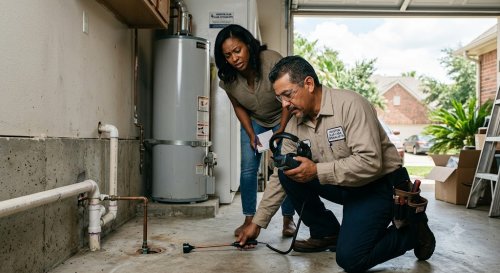
When an issue requires professional intervention, diagnostic methods go beyond visual inspection. Plumbers utilize electronic acoustic leak detectors, thermal imaging cameras, and closed-circuit sewer cameras to map out exact problem areas without destructive guesswork.
| Problem Type | Common Diagnostic Method | Typical Repair Options |
|---|---|---|
| Slab Leak | Electronic leak location & pressure testing | Spot repair, rerouting overhead, or epoxy pipe lining |
| Sewer Line Damage | Sewer camera inspection & slope analysis | Spot excavation, trenchless pipe bursting, or full replacement |
| Low Water Pressure | Pressure gauge testing at main valve | Replacing a failing pressure reducing valve (PRV) |
| Frequent Clogs | Video scope & hydro jetting | Mechanical snaking, hydro jet scouring, or rooter service |
Understanding Cost Factors
Plumbing repair costs vary widely based on several practical factors rather than arbitrary pricing:
- Accessibility: A pipe repair in an open crawl space or utility room takes less labor than repairing a supply line buried beneath concrete or tangled behind finished drywall.
- Material and Complexity: Cast iron, galvanized steel, copper, and modern PEX piping each require different tools, fittings, and labor techniques.
- Emergency Timing: After-hours or weekend emergency dispatch requires mobilizing technicians and specialized equipment outside normal operating hours.
- Restoration Requirements: If concrete must be broken to fix a slab leak, or drywall cut to access a wall leak, the cost must account for surface patching and restoration.
Frequently Asked Questions
Why do pipes make a banging noise when I turn off my faucet?
This is known as water hammer. It occurs when moving water is abruptly stopped by a closing valve, creating a shockwave through the pipes. In many homes, air chambers designed to cushion this shock have become waterlogged. Recharging or adding water hammer arrestors typically resolves the issue.
How can I tell if my high water bill is caused by a hidden leak or a running toilet?
Perform the dye test on your toilets by placing a few drops of food coloring in the tank. If color seeps into the bowl without flushing after 15 minutes, your flapper is leaking. If toilets check out fine and your meter continues spinning with all valves shut, a hidden supply or irrigation leak is likely present.
Why does my sink drain start gurgling when the washing machine runs?
Gurgling indicates that air is being displaced within the drainage system, usually due to a partial blockage downstream or an inadequate vent pipe. When the washing machine pumps a large volume of water past a restricted junction, it pushes air bubbles up through the nearest sink trap.
Can I plant trees near my home's underground sewer line safely?
Tree roots naturally seek out moisture and nutrients inside underground pipe joints. Fast-growing trees planted near sewer laterals frequently infiltrate pipe cracks. Choosing slow-growing shrubs or maintaining a safe distance from main utility lines helps prevent future root intrusion.
What should I do immediately if a pipe bursts inside my home?
Locate your main water shutoff valve immediately and turn it clockwise to stop the flow. Open downstream faucets to drain residual pressure from the lines, move electrical items away from standing water, and call an emergency plumber if the leak cannot be isolated locally.