Plumbing Symptoms Houston Homeowners Should Not Ignore
Learn which critical plumbing symptoms Houston homeowners should never ignore, from minor water fluctuations to hidden slab leaks and sewer warnings.
Recognizing Critical Plumbing Warning Signs Early
Every home experiences minor plumbing hiccups from time to time—a sluggish bathroom sink, a fleeting gurgle after flushing, or a dripping outdoor hose bib. However, property owners often make the mistake of treating complex structural failures as temporary inconveniences. In a region like Houston, Texas, where intense summer heat, expansive clay soils, and heavy tropical rainfall place unique physical stresses on residential infrastructure, overlooking subtle plumbing symptoms can turn a manageable adjustment into a destructive, costly emergency.
Understanding what plumbing warning signs mean, why they happen, and how to evaluate them can prevent extensive property damage. This guide examines the critical plumbing symptoms that demand prompt attention, helping you distinguish between surface-level annoyances and deep-seated system failures.
1. Intermittent Gurgling in Drains and Toilets
When a toilet gurgles after you run the washing machine, or a shower drain bubbles when another fixture empties, the problem is rarely an isolated clog. This symptom points directly to a venting issue or a developing restriction in your main drainage path.
Why It Happens
Drainage systems rely on a network of vent pipes that extend through the roof. These vents allow air to enter the system so wastewater can flow freely. If a vent pipe becomes blocked by leaves, debris, or bird nests—common occurrences following Houston's heavy seasonal storms—negative air pressure pulls air from the traps of nearby fixtures, creating a gurgling sound.
Alternatively, gurgling can indicate that a primary drain line is partially blocked by grease, scale, or structural sagging. As wastewater struggles to pass the restriction, it forces air bubbles backward through the nearest trap.
What You Can Safely Check
- Observe whether the gurgling occurs at only one fixture or multiple locations across the house.
- Check if the issue worsens when heavy appliances, like washing machines, discharge large volumes of water rapidly.
- Inspect accessible roof vent stacks visually from the ground with binoculars to check for obvious blockages.
Avoid pouring harsh chemical drain openers into gurgling systems, especially if venting is restricted. Chemicals will not clear a vent blockage and can splash back dangerously.
2. Unexplained Spikes in Your Water Bill
An unexpected increase on your municipal water utility bill, even when your daily water consumption habits have not changed, is one of the most reliable indicators of a hidden plumbing leak.
Hidden Causes
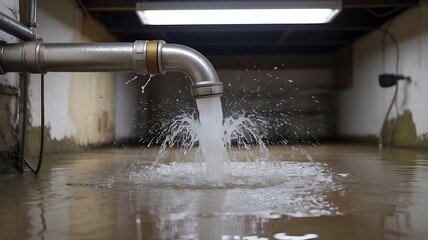
Water meters do not lie. If your meter register is turning when every valve, faucet, and appliance in the home is completely shut off, water is escaping somewhere. Common culprits include silent toilet flapper leaks, underground supply line breaks between the meter and the house, or concealed leaks beneath concrete foundations.
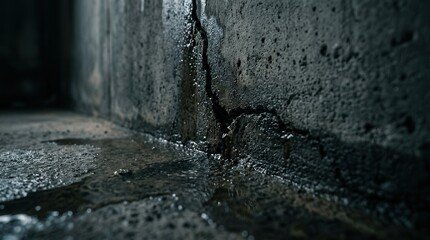
In Houston homes built on slab foundations, aging copper or galvanized supply lines embedded directly in the concrete can develop pinhole leaks due to soil shifting or chemical reactions with the aggregate. Because the water escapes straight into the sub-base, you may not see surface puddles for weeks.
Diagnostic Clues to Look For
- Perform a water meter test: Turn off all water inside and outside, then check the low-flow indicator triangle or sweep hand on your water meter. If it is moving, water is flowing.
- Feel your floors for warm spots, which often indicate a hot water supply line leaking beneath a slab foundation.
- Check for warm interior walls or musty odors concentrated near baseboards.
3. Sudden Shifts or Drops in Water Pressure
A noticeable drop in water pressure throughout your entire home differs significantly from a clogged aerator on a single kitchen faucet.
What It Tells You
If every fixture experiences weak flow simultaneously, the restriction is occurring at the main supply entry point. This could be a failing pressure-reducing valve (PRV), a partially closed main municipal shutoff valve, or severe mineral buildup and corrosion inside older service pipes.
Conversely, if pressure drops only when multiple fixtures run at once, your supply piping may be undersized, or internal scale accumulation has significantly reduced the effective interior diameter of your pipes.
4. Damp Spots, Warm Areas, or Mold Growth on Floors and Walls
Moisture where it does not belong requires immediate investigation. In a humid Gulf Coast climate, homeowners sometimes dismiss indoor dampness as simple humidity. However, structural moisture originating from plumbing failures behaves differently than ambient humidity.
Distinguishing Plumbing Leaks from Condensation
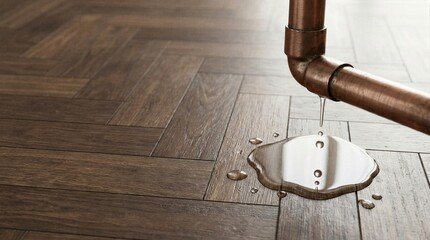
Condensation typically affects entire cold-water supply pipes or air conditioning ductwork uniformly during hot, humid months. A plumbing leak, however, originates from a specific point, creating localized saturation, peeling paint, warped wood flooring, or isolated mold colonies.
If you notice baseboards separating from the wall or tiles sounding hollow when tapped, water may be undermining your flooring sub-base or framing.
5. Slow Drains That Resist Standard DIY Methods
A slow sink or tub is common, but when standard plunging or basic hand-snaking provides only temporary relief—allowing the drain to work for a day or two before slowing down again—the root cause remains untouched.
Professional Insights on Recurring Clogs
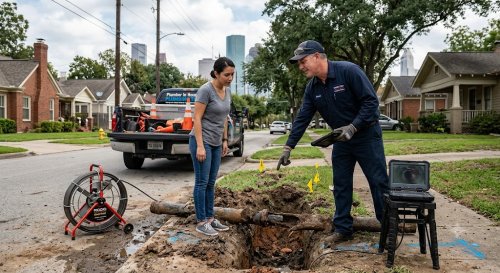
Temporary clearing means you have punched a small hole through a larger blockage, allowing water to trickle past until debris collapses back over the opening. In older sewer laterals, recurring clogs often signal root intrusion, pipe offset, or a collapsed pipe section caused by ground movement.
Understanding Repair, Replacement, and Cost Factors
When professional diagnosis reveals a significant failure—such as a sewer line break or a slab leak—homeowners face decisions regarding repair versus replacement. Understanding what drives pricing can help you evaluate estimates objectively.
| Cost Driver | Why It Affects Pricing |
|---|---|
| Accessibility | Reaching a pipe exposed in an open crawl space costs significantly less than accessing a line buried beneath a concrete slab or behind finished interior walls. |
| Scope of Work | Spot-repairing a localized pipe crack differs vastly from executing a whole-house repiping project or complete sewer replacement. |
| Restoration Requirements | Restoring damaged concrete, drywall, landscaping, or flooring after a repair adds labor and material costs separate from the plumbing work itself. |
| Diagnostic Complexity | Pinpointing a hidden leak using electronic listening equipment or thermal imaging requires specialized tools and diagnostic expertise. |
Before approving extensive or expensive plumbing work, always ask your technician: What is the exact root cause of the failure? Are trenchless repair options available to minimize surface disruption? Does this repair come with a comprehensive warranty on both labor and materials?
Frequently Asked Questions
Frequently Asked Questions
How can I tell if a water leak is coming from a supply pipe or a drain pipe?
Supply pipes remain under constant pressure, meaning leaks will typically cause water meters to run continuously and produce moisture even when no fixtures are in use. Drain pipes operate under gravity, so they generally leak only when water is actively being poured down the fixture.
Why does my toilet bubble when the bathtub drains?
This symptom indicates a cross-connection or a shared drainage branch that is experiencing severe restriction or improper venting. As wastewater rushes past the toilet connection, it traps air and forces it out through the nearest water seal in the toilet bowl.
Is a high water bill always caused by a plumbing leak?
While leaks are the most common culprit, silent toilet tank leaks, malfunctioning irrigation timers, or changes in household water use can also drive up bills. Performing a water meter test while keeping all fixtures closed helps confirm whether an active leak exists.
What should I do immediately if I suspect a slab leak?
If you suspect a pressurized supply leak beneath your concrete foundation, locate your home’s main water shutoff valve and turn it off to stop water from escaping and causing structural damage. Contact a qualified professional equipped with electronic leak detection gear to isolate the exact location.
Can I use chemical drain cleaners to fix recurring slow drains?
Chemical drain cleaners are generally not recommended for chronic or severe clogs. They can damage older pipe materials, fail to remove structural obstructions like tree roots, and pose severe safety hazards if they sit trapped in a blocked pipe and splash back during use.