Emergency Plumbing Repair in Houston TX: Urgent Warning Signs
Learn which Houston plumbing problems require immediate emergency repair, how to minimize property damage, and what urgent warning signs you cannot ignore.
Recognizing True Plumbing Emergencies
When a plumbing failure occurs in a Houston home or commercial building, determining whether it requires an immediate midnight emergency call or can safely wait until normal business hours is a stressful decision. A true plumbing emergency involves active property damage, a complete loss of essential sanitation, or an immediate health and safety hazard. Understanding which symptoms demand urgent professional intervention prevents minor failures from escalating into major structural disasters.
Houston's unique environmental conditions—ranging from shifting expansive clay soils and intense summer humidity to severe tropical storm rainfall and occasional hard winter freezes—place distinct stresses on residential and commercial plumbing networks. Recognizing how these local factors interact with aging pipes helps property owners identify urgent risks before catastrophic failure occurs.
Critical Plumbing Failures Requiring Immediate Action
Certain plumbing symptoms cannot wait. If you encounter any of the following conditions, immediate damage control and professional dispatch are typically required.
1. Burst or Majorly Leaking Supply Pipes
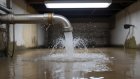
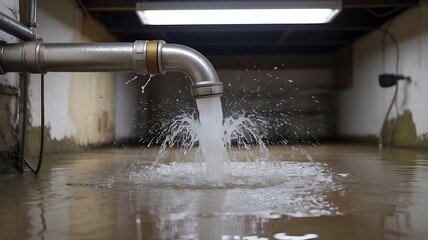
A completely ruptured water supply line dumps hundreds of gallons of water per hour into a structure, threatening flooring, drywall, electrical systems, and structural framing. Even a pinhole leak behind a wall or beneath a slab can cause extensive hidden mold growth within Houston's humid climate if left unaddressed for even a brief period.
2. Complete Main Sewer Line Backups
When raw sewage begins bubbling up through basement floor drains, ground-floor showers, or toilets simultaneously, the primary drainage line is severely blocked or broken. This is a severe biological hazard. Unlike a single clogged sink, a main line failure halts all water use in the building. Continuing to run washing machines, flush toilets, or use sinks forces wastewater directly back into living spaces.
3. Major Gas Line Leaks
If you smell sulfur or rotten eggs near a gas water heater, furnace, or stove connection, leave the building immediately and contact emergency services and your gas utility provider. Gas leaks present an immediate explosion and asphyxiation hazard and require specialized gas-certified plumbing intervention.
4. Total Loss of Water Supply in Freezing Weather
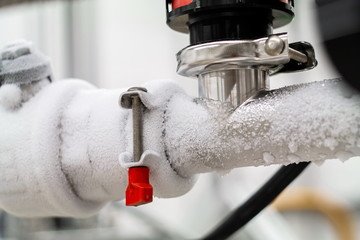
During rare Houston winter freeze events, unprotected exterior pipes or supply lines running through uninsulated crawl spaces can freeze solid. If temperatures drop rapidly, water expands inside rigid copper or PEX pipes, creating extreme internal pressure that frequently causes pipes to split long before ice thaws.
Immediate Damage-Control Steps for Homeowners
Before professional help arrives, taking safe, decisive action can drastically reduce property damage. Every adult in a Houston home or rental property should know the location of critical shutoff controls.
- Locate the Main Water Shutoff: Know exactly where your main water supply valve is located. In many Houston homes, this valve sits near the street inside a utility meter box or right where the main water line enters the foundation exterior wall. Turning this valve a quarter-turn clockwise shuts off all incoming water instantly.
- Kill Power to Vulnerable Appliances: If water is pooling near a water heater, electrical panel, or appliance, switch off the corresponding breakers in your main electrical panel if it is safe to access without stepping in standing water.
- Use Individual Fixture Shutoffs: If a supply leak originates under a bathroom sink or behind a toilet, turn off the miniature angle-stop valves located directly beneath the fixture rather than shutting off the entire house.
Safe DIY Checks vs. Dangerous Mistakes
While major emergencies require licensed professionals, homeowners can safely perform initial observations to give arriving technicians accurate diagnostic clues.
- Safe Check - Isolating the Problem: Determine whether the issue affects a single fixture or multiple areas. If only one bathroom toilet overflows, the blockage is localized. If every downstairs drain gurgles when you flush, the issue is deeper in the main drainage stack.
- Safe Check - Monitoring the Water Meter: If you suspect a hidden leak but see no visible water, check the leak indicator triangle on your property's water meter. If the dial is spinning while all indoor taps are closed, you have an active uncontained leak.
- Dangerous Mistake - Overusing Chemical Drain Cleaners: Pouring caustic chemical liquids into a severely backed-up or blocked pipe during an emergency is dangerous. If the chemical fails to clear the clog, it sits pooled in the pipe, splashing corrosive liquid back onto skin or damaging older cast-iron and PVC pipe joints. Furthermore, chemical reactions can generate extreme heat, warping plastic pipes.
- Dangerous Mistake - Forcing Electrical Reset Buttons Blindly: Never attempt to service electrical water heater elements or touch wiring when standing in moisture.
Hidden Causes Often Overlooked During Emergencies
Emergency plumbing symptoms frequently mask deeper structural or environmental causes. Understanding these hidden factors helps prevent recurring failures:
- Ground Movement and Soil Settlement: Houston sits on heavy clay soils that swell during torrential rains and shrink during intense droughts. This cyclical movement places immense shear stress on underground sewer laterals and water supply lines, occasionally shearing rigid PVC or aging cast iron pipes underground.
- Root Intrusion in Sewer Laterals: Mature oak and pine trees common across Houston landscapes constantly seek moisture. Tiny cracks or joint seals in underground sewer pipes invite root infiltration, which eventually creates dense blockages that trap solid waste.
- Corrosion in Aging Infrastructure: Galvanized steel and older cast-iron drain lines corrode from the inside out. A pipe wall may appear solid on the outside while retaining only a paper-thin structural shell internally, causing sudden collapse under normal water pressure.
How Professionals Diagnose Emergency Plumbing Problems
A skilled emergency plumber does not rely solely on visual guesswork. Professional troubleshooting involves systematic diagnostic procedures:
- Electronic Leak Detection: Using acoustic listening devices, thermal imaging, and pressure decay gauges, technicians pinpoint hidden leaks beneath concrete slabs or behind finished walls without destructive exploratory demolition.
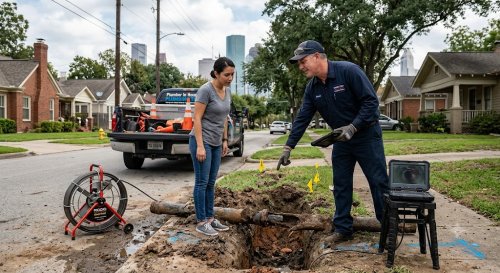
- Sewer Video Camera Inspection: A high-resolution waterproof camera is pushed through the drainage cleanout to visually inspect the interior condition of the pipe, identifying cracks, bellies, root masses, or collapsed sections directly.
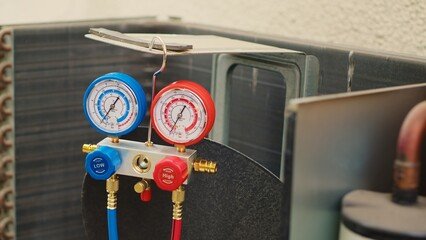
- Static Pressure Testing: Plumbers attach pressure gauges to verify whether a water pressure regulator has failed, protecting fixtures from dangerous pressure spikes caused by municipal supply fluctuations.
Repair, Replacement, and Cost Factors
Emergency plumbing repairs vary significantly in scope and price. Understanding what drives these costs helps property owners evaluate repair proposals objectively.
| Factor | How It Affects Emergency Repairs |
|---|---|
| Accessibility | Pipes exposed in an open garage or crawl space are far simpler to access than lines buried beneath concrete slabs or enclosed within finished kitchen cabinetry. |
| Material Quality | Upgrading outdated galvanized pipes or degraded cast iron to modern PEX or schedule 40 PVC ensures long-term durability but alters material costs. |
| Emergency Timing | After-hours, weekend, or holiday dispatches require specialized staffing and logistics, affecting labor rate calculations. |
| Restoration Needs | Emergency excavations through concrete or drywall require specialized patch and restoration work after the underlying plumbing repair is completed. |
When reviewing professional estimates during an emergency, ask targeted questions: Does the repair address the root cause or only the immediate symptom? What warranty is provided on parts and labor? Is permitting required for this specific scope of work under local regulations? Verifying these details ensures transparent, high-quality workmanship.
Frequently Asked Questions
How can I tell if my main water line is actively leaking outside my Houston home?
Watch for unexplained soggy patches in your yard during dry weather, patches of unusually lush green grass over the pipe path, a sudden drop in indoor water pressure, or continuous movement on your water meter dial when all indoor fixtures are completely turned off.
Is a gurgling toilet a plumbing emergency?
A gurgling sound when another fixture—such as a washing machine or shower—drains indicates that air is being trapped and pulled through the toilet trap due to a venting restriction or a partial mainline blockage. While it may not flood your home immediately, it is an early warning sign of an impending complete drain backup.
What should I do if my water heater starts leaking profusely?
Immediately turn off the cold water supply valve located on top of the water heater tank. Next, switch off the gas control valve or the dedicated electrical circuit breaker supplying the unit. Connect a garden hose to the tank drain valve to safely empty the remaining water away from living areas before calling a professional.
Can heavy rainstorms in Houston cause my sewer lines to back up?
Yes. Heavy storm events can overwhelm municipal stormwater systems or infiltrate private sewer laterals through cracks and faulty cleanout caps, causing municipal or private drainage networks to surcharge and push water backward into lower-level building fixtures.
Why does my water pressure fluctuate wildly during peak neighborhood usage hours?
Sudden pressure drops often indicate a failing main pressure reducing valve (PRV) or mineral scaling buildup inside older service lines. If the pressure spikes unexpectedly, it can stress fixture connections and lead to sudden hose or valve blowouts.