24 Hour Plumber Houston TX: Emergency Plumbing Guide
Learn how to handle urgent plumbing issues in Houston, Texas. Discover common emergencies, safe immediate steps, and what professional repairs involve.
Recognizing True Plumbing Emergencies
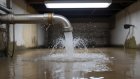
When water begins pouring through a ceiling, sewage backs up into living spaces, or a main water line ruptures, waiting until regular business hours is not an option. Knowing when a situation requires an immediate call to a 24-hour plumber in Houston, TX can prevent catastrophic structural damage and thousands of dollars in restoration costs. However, not every unexpected plumbing problem requires midnight intervention. Understanding the difference between a manageable plumbing issue and a true emergency helps homeowners act decisively while avoiding unnecessary after-hours service fees.
A plumbing situation generally qualifies as an emergency if it threatens the structural integrity of the property, poses an active health hazard, or completely shuts down essential water supply or sanitary drainage. Situations involving uncontrolled water flow, sewage contamination, total lack of water, or immediate freezing hazards demand prompt professional attention regardless of the clock.
Immediate Damage-Control Steps
When a severe plumbing failure strikes, every minute counts. The very first action a homeowner or property manager should take is shutting off the water source to stop active damage. Every property should have clearly labeled water shutoff valves. Familiarize yourself with the location of the main water shutoff valve where the service line enters the building, as well as individual fixture shutoffs located beneath sinks and behind toilets.
If a specific fixture is leaking uncontrollably, turn its local supply valve clockwise. If the leak involves a main supply line, a burst pipe, or an untraceable source, shut off the main water supply immediately. For sewage backups, avoid using any plumbing fixtures in the building to prevent additional wastewater from overflowing into bathtubs, showers, or floor drains.
Most Common Urgent Plumbing Failures
Certain plumbing failures occur with higher frequency due to aging infrastructure, shifting soils, tree root intrusion, and regional climate pressures. Recognizing the symptoms of these common emergencies helps clarify why they happen and what a professional will need to address.
1. Burst and Major Leaking Pipes
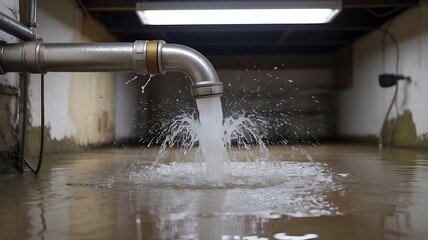
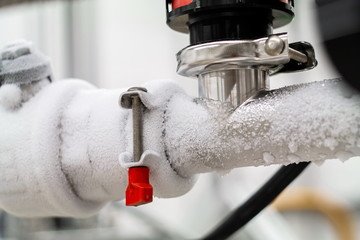
Pipes can rupture due to extreme internal pressure, severe corrosion, or localized freezing during rare winter freeze events in the Gulf Coast region. When a pipe splits or separates at a joint, water discharges rapidly into walls, subflooring, or ceilings. A sudden, unexplained spike on your water bill, wet drywall, sagging ceilings, or the sound of running water when all fixtures are closed often points to a hidden pipe failure.
2. Severe Main Sewer Line Backups
A backed-up main sewer line is one of the most distressing residential or commercial emergencies. When multiple plumbing fixtures—such as toilets, showers, and floor drains—begin gurgling or overflowing simultaneously, the blockage is typically located in the main sewer lateral rather than a single branch drain. In Houston properties, heavy rainfall can sometimes overwhelm aging municipal storm systems or private sewer lines, while pervasive tree roots routinely infiltrate joints in clay or cast-iron sewer pipes, catching grease and solid waste until the line closes entirely.
3. Sudden Water Heater Failures
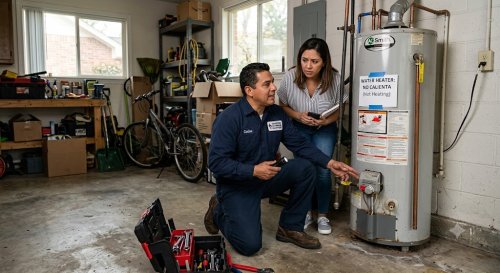
Traditional tank water heaters store dozens of gallons of water under constant pressure. When the inner glass-lined tank ruptures due to rust, sediment accumulation, or thermal stress, water floods the utility closet, garage, or interior rooms. Warning signs preceding a total tank rupture often include rumbling noises, discolored water, or minor moisture pooling around the base of the tank. Tankless water heaters can also experience critical electronic or flow sensor failures that shut down hot water production entirely.
4. Overflowing Toilets That Won't Stop
A toilet that overflows continuously and fails to respond to the flapper or a standard plunger indicates a severe blockage in the toilet trap or the main branch drain connected to it. If shutting off the localized supply valve behind the base does not stop the water level from rising, the problem involves a deeper obstruction that prevents wastewater from leaving the bathroom group.
Safe Homeowner Checks Versus Dangerous DIY
When an emergency happens, tension runs high. It is vital to separate safe, temporary stabilization steps from high-risk interventions that can worsen the situation or cause personal injury.
- Safe Inspection: Visually check accessible supply lines, fixture connections, and the water meter to confirm whether water is actively running or leaking.
- Safe Isolation: Close individual fixture shutoff valves or the main water shutoff valve to mitigate ongoing flooding.
- Safe Debris Removal: Clear standing surface water using towels, mops, or a wet-dry vacuum if the water is clean and electrical hazards are absent.
- Dangerous Action - Chemical Drain Openers: Never pour harsh chemical drain cleaners into a severely clogged or overflowing drain. If the chemical fails to clear the clog, it leaves standing caustic liquid in the pipe that can splash onto skin, ruin plumbing fixtures, and endanger the professional who eventually has to snake or jet the line.
- Dangerous Action - Electrical Proximity: Never touch electrical panels, outlets, or appliances standing in water. Turn off the main electrical breaker if water approaches wiring or electrical appliances.
- Dangerous Action - Forcing Stuck Valves: Do not use excessive force on rusted or stuck main water shutoff valves. Over-tightening or twisting old gate valves can snap the stem, turning a minor leak into a gushing emergency.
How Professionals Diagnose and Repair Emergencies
When a 24-hour emergency plumber arrives, their primary objective is stabilizing the property, identifying the exact root cause, and executing a reliable repair. Symptoms alone rarely tell the full story, which is why professional diagnostics are essential.
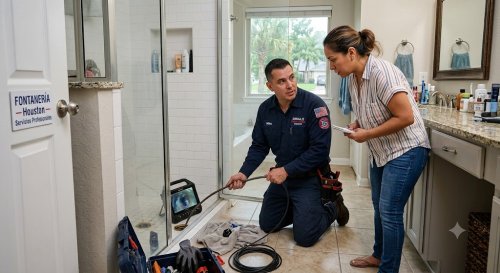
For drainage emergencies, technicians frequently deploy sewer camera inspection equipment to visually examine the interior condition of underground pipes. A camera can reveal root intrusion, structural collapses, bellied pipe sections, or offset joints that plunging or basic snaking will never fix. For hidden water supply leaks, electronic leak detection equipment, acoustic listening devices, and thermal imaging help pinpoint the precise location beneath concrete slabs or behind finished walls without unnecessary demolition.
Repair options vary widely depending on the underlying diagnosis. A localized pipe leak might require cutting out a damaged section of copper, PEX, or cast iron and installing a secure coupling. A failing sewer line might necessitate spot repair, trenchless pipe lining, or traditional excavation. When dealing with failed water heaters, technicians evaluate whether a component replacement—such as a heating element, thermostat, or pressure relief valve—suffices, or if tank degradation requires full unit replacement.
Factors That Influence Emergency Repair Costs
Property owners frequently ask why emergency plumbing services carry different pricing structures than scheduled daytime appointments. Several objective factors dictate the labor, logistics, and material costs associated with urgent plumbing repairs:
Before approving major emergency repairs, ask the technician to clearly explain the root cause, outline temporary versus permanent repair options, verify whether a building permit is required for the specific scope of work, and provide a transparent, itemized written estimate detailing labor, materials, and potential restoration costs.
Frequently Asked Questions
What should I do if my main water shutoff valve is stuck or leaking?
If the main shutoff valve fails to turn or begins leaking around the packing nut, avoid forcing it with heavy wrenches. Forcing an old gate valve can snap the brass stem completely. Instead, contact the municipal utility provider to shut off water at the street meter temporarily while a plumber replaces your main shutoff valve with a modern, quarter-turn ball valve.
Why are multiple drains backing up at the same time?
When multiple plumbing fixtures on different floors or rooms back up simultaneously, the issue almost always points to a blockage or structural failure in the main sewer line rather than a single sink or toilet trap. Avoid using any water in the house until a professional clears the main line.
Can heavy rainfall cause my sewer line to back up?
Yes. Intense storms and heavy rainfall can overwhelm municipal sewer mains or infiltrate private sewer laterals through cracks and aging joints, causing wastewater to push backward into lower-level building drains, particularly in properties with older drainage configurations.
Is it safe to use my water heater if it is making a loud rumbling sound?
A loud rumbling or popping sound typically indicates heavy mineral sediment accumulation at the bottom of the tank. While the unit may continue to function temporarily, the sediment insulates the water from the burner or element, causing overheating, metal fatigue, and an increased risk of tank failure. Flushing the tank or scheduling an inspection is recommended.
How can I tell if a wet spot on my floor is a plumbing leak or groundwater?
The easiest initial check involves observing the water's behavior and source. If the moisture appears during dry weather or persists when all indoor water fixtures are completely shut off, it strongly suggests a plumbing leak. If the moisture correlates directly with heavy outdoor storms and recedes as the ground dries, it may be groundwater seepage or poor exterior drainage.