Plumbing Problems to Watch For During a Houston Home Inspection
Discover what critical plumbing issues to look for during a Houston home inspection, from slab leaks and old supply lines to drainage and sewer line flaws.

Understanding Plumbing Inspections in Houston Real Estate
Buying a home in the Houston area requires a close look at the property's underlying systems. While a standard home inspection covers the basics, plumbing defects often hide beneath floors, inside walls, or underground where simple visual checks fall short. Local environmental conditions, aging infrastructure in established neighborhoods, and shifting ground dynamics mean that identifying hidden plumbing flaws early can save a buyer thousands of dollars after closing.
A thorough plumbing evaluation goes beyond running a faucet and flushing a toilet. Understanding what specific clues to look for, which hidden problems are common in the region, and when to call a specialist for an advanced diagnostic test helps homebuyers and property managers make informed decisions.
Water Supply Lines and Pressure Realities
The supply system delivers potable water to every fixture in the home. During an inspection, the condition and material of these pipes matter immensely. Many homes built decades ago feature older metallic piping that may suffer from internal scaling, mineral buildup, or corrosion.
What to Check Visually
- Pipe Material: Look for galvanized steel, which is prone to internal rust accumulation that severely restricts water flow over time. Transition fittings where copper meets galvanized steel can also trigger accelerated galvanic corrosion.
- Main Shutoff Valve: Test whether the main water shutoff valve operates smoothly. A seized or leaking shutoff valve creates an immediate emergency risk if a pipe bursts.
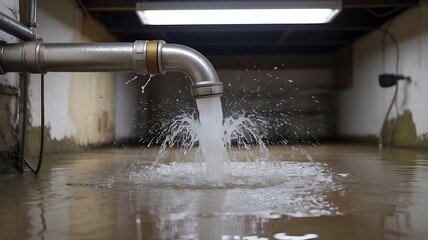
- Visible Supply Lines: Inspect exposed piping under sinks, behind water heaters, and in accessible utility areas for active weeping, mineral deposits, or corrosion at joints.
Evaluating Water Pressure
Abnormally high water pressure—often exceeding 80 pounds per square inch (psi)—places constant stress on every fixture, valve, and supply line in the house. Conversely, low pressure when multiple fixtures run simultaneously can indicate undersized piping, severe internal pipe blockage, or a failing pressure-reducing valve (PRV). An inspection should always include a pressure gauge test at an exterior hose bib.
Drainage, Waste, and Vent (DWV) System Clues
Water must leave the home efficiently. A compromised drainage system leads to slow-running fixtures, recurring backups, and structural decay. In many older Houston properties, original cast iron drain lines run beneath the slab or underground. Over decades, these lines can scale internally, crack, or suffer from structural collapses due to soil movement.
Critical Drainage Symptoms
- Sluggish Draining: A sink or tub that drains slowly often points to a localized clog, but if multiple fixtures on the same branch drain slowly, the issue usually lies deeper in the main waste line.
- Gurgling Sounds: If a toilet gurgles when a nearby sink drains, it indicates air being trapped or pulled through the vent system. This symptom frequently points to a partial blockage in the main drain line or an obstructed roof vent.
- Foul Odors: Persistent sewer gas smells inside the living space suggest dry P-traps, cracked vent pipes, or wax ring failures at the base of toilets.
The Slab Foundation and Concealed Leak Risks
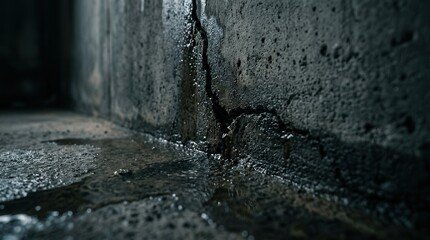
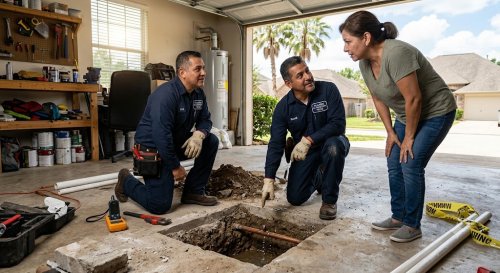
Many residential structures across the Houston area are built directly on concrete slab foundations. When supply or drain lines run underneath these slabs, any failure becomes difficult and expensive to address. Water leaking beneath a slab can erode supporting soil, potentially contributing to foundation settlement or shifting.
Signs of Sub-Slab Plumbing Issues
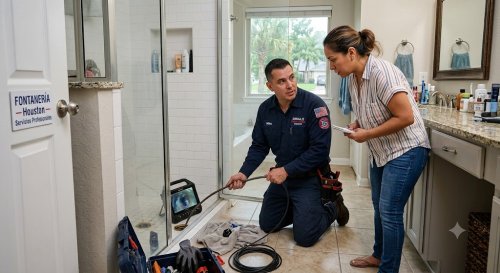
Homebuyers should look closely at both the plumbing and the surrounding structure. Warm spots on the floor, unexplained increases in monthly water consumption, and damp baseboards can all suggest an active under-slab supply leak. For drain lines beneath slabs, standard visual checks cannot reveal cracks or separations. A professional sewer camera inspection is often the only reliable method to verify the structural integrity of buried waste pipes.
Water Heater Performance and Code Compliance
Water heaters operate under constant thermal stress and have a finite lifespan. An aging tank approaching or exceeding its typical replacement window requires careful scrutiny during an inspection.
Key Inspection Points
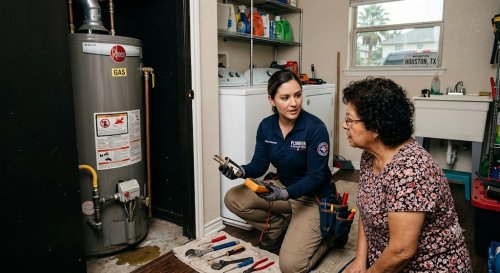
- Tank Age and Condition: Check the serial number on the manufacturer sticker to determine the installation date. Rust streaks along the outer jacket or moisture pooling at the base often indicate internal tank failure.
- Temperature and Pressure (T&P) Relief Valve: Verify that the T&P relief valve features a discharge pipe directed safely toward the exterior or a proper floor drain, complying with local plumbing codes.
- Ventilation and Combustion: For gas units, inspect the flue piping for secure connections, proper draft, and absence of corrosion or soot buildup.
When to Recommend Specialized Plumbing Evaluations
A standard home inspection is non-invasive and cannot see inside pipes or beneath concrete slabs. Buyers should consider bringing in a licensed plumbing professional for secondary testing under specific circumstances:
- When purchasing a home older than 30 years with original cast iron or galvanized plumbing.
- If the initial inspection reveals slow drains, recurring backups, or previous foundation repairs.
- When low water pressure or unusual meter movement suggests a hidden supply leak.
- When the water heater shows advanced age, corrosion, or improper installation practices.
Repair, Replacement, and Cost Factors
When a home inspection uncovers plumbing defects, negotiating repairs or credits requires understanding what fixes actually involve. Prices vary widely based on several distinct factors:
- Accessibility: Exposed plumbing in an open crawl space or utility room costs significantly less to repair than pipes encased inside concrete slabs, finished walls, or multi-story ceiling cavities.
- Scope of Work: Replacing a faulty shutoff valve or a leaking faucet aerator is a minor task. Replacing damaged cast iron sewer lines beneath a foundation requires specialized excavation, tunneling, or trenchless lining techniques.
- Material Quality: Upgrading outdated galvanized or polybutylene piping to modern PEX or copper involves whole-house labor and extensive material replacement.
- Restoration Requirements: Drywall cutting, tile removal, concrete breaking, and subsequent cosmetic restoration often represent a substantial portion of the overall project cost.
Frequently Asked Questions
Does a standard home inspection include a sewer camera check?
No. Standard home inspections are visual and non-invasive. They do not include running a camera inside underground sewer lines unless specifically requested as an optional add-on service.
Why are cast iron drain pipes a concern in older Houston homes?
Cast iron pipes corrode from the inside out over decades due to continuous moisture and acidic wastewater. Eventually, the bottom of the pipe deteriorates, leading to rough interior scaling, frequent clogs, and structural collapse.
How can I tell if a home has hidden water leaks before buying it?
Review historical water bills if possible, check the water meter while all fixtures are turned off to see if the dial spins, and look for damp baseboards, warped flooring, or musty odors in closets and utility rooms.
What should I do if the home inspector finds high water pressure?
High water pressure usually indicates a worn-out or missing pressure-reducing valve (PRV) on the main supply line. A plumber can install or replace a PRV to protect your appliances and fixtures from premature failure.
Is it safe to buy a house with polybutylene water supply piping?
Polybutylene piping—gray or black plastic flexible pipe used in past decades—is known for becoming brittle and failing unexpectedly over time. Many buyers request a full repiping or credit negotiation before purchasing a home with active polybutylene lines.
Who is responsible for the water and sewer lines between the street and the home?
In most municipalities, the property owner is legally responsible for the entire private water service line and sewer lateral from the structure all the way out to the public utility connection point or property line.