Plumbing Repair vs. Replacement: A Houston Homeowner Guide

Deciding Between Plumbing Repair and Full Replacement
When a plumbing component fails, property owners face a recurring dilemma: should you patch, fix, and repair the immediate problem, or invest in a full replacement? Choosing the right path requires looking beyond the visible symptom to evaluate the overall condition of the system, the age of the materials, and the long-term reliability of the plumbing infrastructure.
In the Houston area, high humidity, mineral-heavy tap water, aggressive soil conditions around slab foundations, and intense seasonal temperature swings can accelerate wear on pipes, fittings, and appliances. Understanding how to weigh repair versus replacement protects property value, prevents recurring water damage, and avoids wasting money on temporary patches for systemic failures.
The Core Decision Framework: Repair vs. Replacement
Not every plumbing issue demands a total overhaul. However, repeated repairs on the same line or fixture usually signal that the underlying problem remains unaddressed. Use this practical framework to evaluate your options:
- Choose Repair When: The issue is isolated to a single component, the surrounding plumbing material is in healthy condition, the failure is due to a freak accident or normal wear of a replaceable part, and the expected lifespan of the assembly is far from exhausted.
- Choose Replacement When: The plumbing material is structurally degraded, multiple failures happen in close succession along the same line, replacement parts are obsolete, or the cost of repeated repairs approaches the price of a permanent, modern installation.
Material Age, Condition, and Compatibility
The material composition of your plumbing network plays a decisive role in the repair-versus-replacement equation. Older homes in established Houston neighborhoods often contain legacy pipe materials that behave very differently under stress than modern alternatives.
Galvanized Steel Pipes
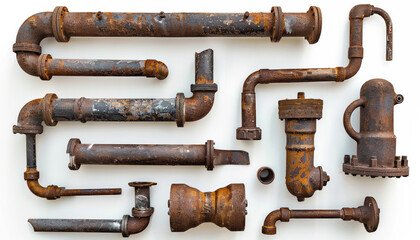
If your property still features original galvanized water supply lines, repair is rarely a long-term solution. Interior corrosion and mineral scaling accumulate invisibly over decades, choking water pressure and thinning the pipe walls from the inside out. Fixing one pinhole leak often creates excessive pressure on weakened adjacent sections, resulting in a cascade of new leaks.
Polybutylene Supply Piping
Recognizable by its gray or blue flexible plastic appearance, polybutylene pipe degrades when exposed to chemical oxidants in public water supplies. These systems become brittle over time and can fail abruptly. While minor fittings can technically be patched, whole-property repiping is frequently recommended once failures begin to appear.
Cast Iron and PVC Drain Lines
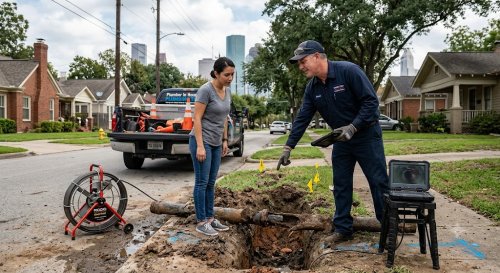
Underground or in-wall drainage systems tell another story. Older cast iron sewer laterals eventually suffer from internal scaling, bottom-floor corrosion, and root intrusion. Minor cracks or localized offsets can sometimes be addressed with targeted spot repairs or trenchless structural lining. However, widespread structural failure, pipe sagging, or complete structural collapse requires a partial or full replacement.
Evaluating Common Plumbing Scenarios
To make an informed choice, examine how specific failures across different plumbing subsystems dictate the repair-versus-replacement balance.
Water Heaters: Tank vs. Tankless
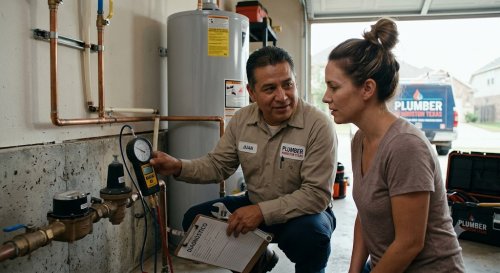
When a water heater fails, age is the primary deciding factor. A standard tank water heater with a leaking storage tank cannot be repaired; the tank itself has ruptured, and full replacement is mandatory. Conversely, if a ten-year-old unit suffers a failed heating element, thermostat, or pressure relief valve, you must weigh the cost of the component against the remaining operational life of the tank. As a rule of thumb, if a repair exceeds fifty percent of the cost of a new unit and the appliance is past its mid-life point, replacement is the wiser financial investment.
Water Supply Leaks and Slab Leaks
Concealed leaks beneath concrete foundations require careful diagnostic assessment. If an isolated copper water line has suffered a pinhole leak due to friction against an abrasive sub-base or chemical soil reaction, a professional may recommend rerouting the line through the attic or ceiling rather than breaking through the slab for a direct spot repair. However, if multiple lines show signs of pinhole degradation or systemic pinhole failure, whole-house repiping becomes the most reliable remedy.
Clogged and Damaged Drains
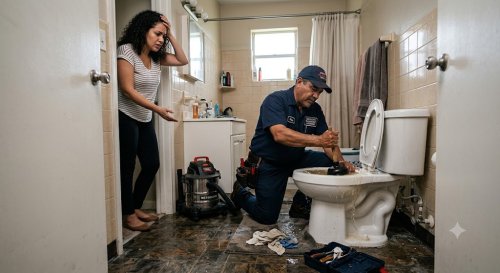
A single stubborn clog in a branch line is easily solved with mechanical cleaning or hydro jetting. But if a video camera inspection reveals a belly in the pipe, severe root intrusion at multiple joints, or broken structural pipe walls, cleaning only provides temporary relief. In these instances, structural repair or sectional replacement addresses the physical defect causing the recurring blockage.
Cost Factors: Why Prices Vary Widely
Plumbing estimates can vary dramatically between properties, even for seemingly identical symptoms. Understanding what drives labor and material costs helps homeowners evaluate contractor proposals fairly.
- Accessibility and Workspace: Accessing a pipe suspended in an open crawl space takes significantly less labor than breaking through tile-covered concrete slab foundations or navigating tightly confined wall cavities.
- Material and Sizing: Upgrading or repairing larger-diameter commercial drain lines or high-pressure commercial supply networks requires heavier-duty materials, specialized fittings, and specialized tools compared to residential branch lines.
- Restoration and Cleanup: A plumbing repair that requires cutting drywall, removing cabinetry, or tearing up flooring carries secondary restoration costs that must be factored into the overall project budget.
- Diagnostic Complexity: Finding a hidden leak or mapping an underground sewer path often requires electronic leak detection equipment, thermal imaging, or sewer camera scoping, which adds to the initial diagnostic phase of the work.
Questions to Ask Before Approving Major Plumbing Work
Before authorizing expensive repairs or complete system replacements, ask your plumbing professional targeted questions to verify the diagnosis and ensure the proposed solution is correct:
- What is the root cause of this failure, and does it affect other sections of my plumbing system?
- Is this component repairable, or is it past its reliable service life?
- What are the long-term risks if we choose a minor repair instead of a full replacement?
- Does this repair require permits or adherence to local building codes, and will an inspection be performed?
- What warranty is provided for the repair work versus a full system replacement?
- Are there alternative repair methods, such as trenchless pipe lining or overhead pipe rerouting, available for this situation?
Frequently Asked Questions
Should I repair or replace an aging sewer line?
If a sewer camera inspection reveals localized damage, a minor root intrusion at a single joint, or a small crack, a targeted spot repair or hydro jetting maintenance schedule is usually sufficient. However, if the line shows widespread structural collapse, heavy shifting, or multiple broken sections, replacement or trenchless pipe lining is necessary to prevent persistent backups.
How can I tell if my whole house needs repiping?
Red flags indicating a need for whole-house repiping include recurring pinhole leaks in multiple rooms, discolored or rusty water coming from taps when first opened, sudden drops in household water pressure across multiple fixtures, and the presence of outdated piping materials like polybutylene or severely corroded galvanized steel.
Is it worth repairing a water heater that is over ten years old?
Generally, no. Standard tank water heaters have a practical service lifespan of eight to twelve years. Investing in expensive repairs on a unit nearing the end of its lifespan is risky, as another component is likely to fail soon afterward. Putting those funds toward a modern, high-efficiency replacement provides better peace of mind.
What is trenchless pipe repair, and when is it an option?
Trenchless repair methods allow professionals to repair or replace underground pipes without excavating your entire yard or driveway. Techniques like pipe bursting or cured-in-place pipe lining work well for straight runs of underground drainage pipe, provided the host pipe is structurally stable enough to accept the new liner or guide the bursting head.
Why do multiple plumbing fixtures fail at the same time?
Simultaneous failures usually point to a centralized system issue rather than isolated fixture wear. For example, low pressure at every faucet often indicates a failing pressure reducing valve or a main supply restriction, while multiple slow drains point toward a blockage in the main sewer line rather than an individual sink trap.
How do I know if a plumbing estimate is fair and accurate?
A professional, transparent plumbing estimate should clearly separate diagnostic charges, labor scope, specific materials to be used, and any required restoration or permit costs. If an estimate lists vague lump sums without explaining the underlying work or alternative options, request a detailed breakdown before approving the project.