What to Check Before Approving a Major Plumbing Repair
Learn what to verify before approving a major plumbing repair. Discover critical questions, hidden causes, and how to evaluate estimates wisely.
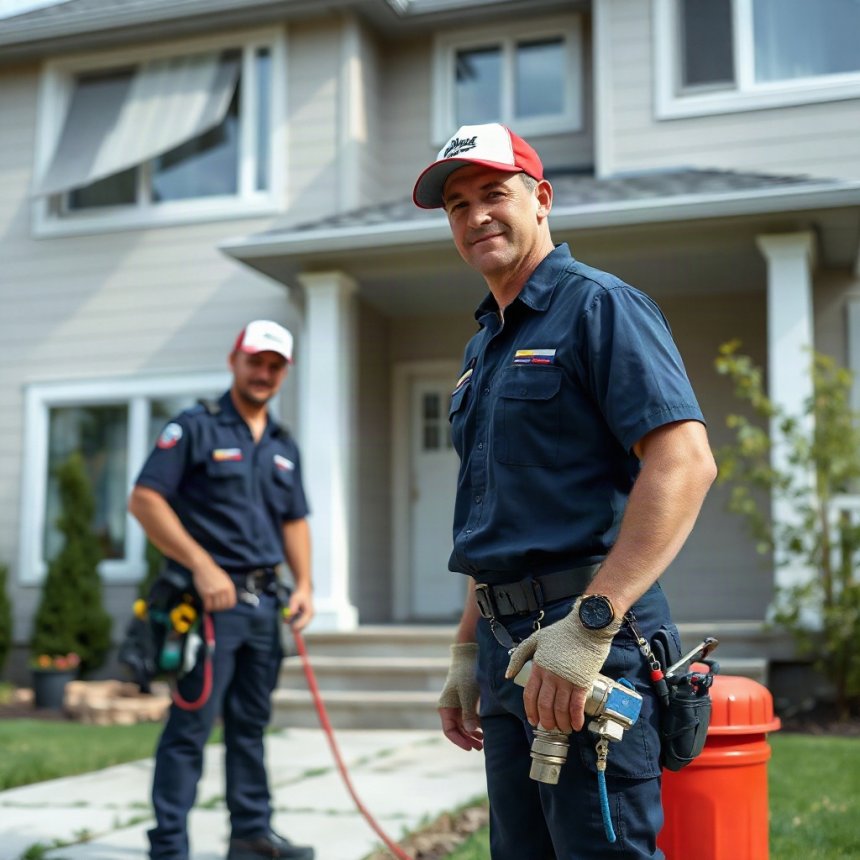
Evaluating a Major Plumbing Estimate
Facing a major plumbing repair—such as a sewer line replacement, slab leak reroute, or whole-house repiping—can feel overwhelming. When a plumber presents a high-dollar estimate, the natural instinct is either to panic-approve the work to prevent property damage or delay the decision out of skepticism. Before signing off on an expensive plumbing project, it is essential to pause, verify the diagnosis, and understand what the repair actually entails.
A major plumbing repair is rarely a simple fix. It often involves structural disruption, specialized equipment, and significant labor. Taking the time to evaluate the proposal safeguards your home, ensures the root cause is addressed rather than just the symptoms, and prevents unnecessary spending. Here is a practical framework for reviewing a major plumbing proposal before granting approval.
1. Confirm the Root Cause, Not Just the Symptom
The single most important step before approving work is verifying that the diagnosis addresses the actual source of the problem. Plumbers sometimes treat symptoms rather than underlying failures. For example, clearing a recurring main sewer clog with a mechanical snake provides temporary relief, but if the underlying issue is a structural collapse, bellied pipe, or severe root intrusion, the clog will return.
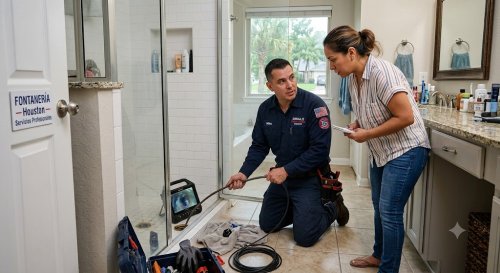
Ask yourself and the technician: Does this repair solve the primary failure, or will I face the same problem again in six months? If a drain keeps backing up, a sewer camera inspection should be performed and reviewed with you. If a water pressure issue is being blamed on a failing pressure regulator, verify whether a supply-side restriction further up the line is contributing to the symptom. Insist on clear visual or diagnostic proof before approving extensive interventions.
2. Understand the Scope and Method of Repair
Major plumbing work can be executed using various methods, and the approach drastically affects cost, timeline, and property disruption. For underground sewer lines or water supply pipes beneath a foundation, you should understand whether traditional open-trench excavation or a trenchless method is being proposed.
- Traditional Excavation: Involves digging up soil, concrete slabs, or landscaping to physically access and replace the damaged pipe section. While disruptive, it allows direct physical inspection of the surrounding bedding and pipe stability.
- Trenchless Methods: Techniques such as pipe bursting or cured-in-place pipe (CIPP) lining allow rehabilitation or replacement with minimal digging. While less destructive to yards and driveways, trenchless options require specific pipe conditions and adequate access points.
- Accessibility: Pipes buried beneath concrete slab foundations, located within finished walls, or situated deep underground require significantly more labor to reach than pipes in an open crawl space or utility closet.
- Material and Sizing: Larger diameter pipes, specialized fittings, and durable materials like copper or high-grade cross-linked polyethylene (PEX) increase material expenses.
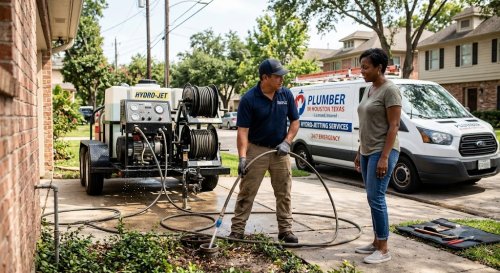
- Equipment Requirements: Hydro jetting units, sewer cameras, heavy excavation machinery, and pneumatic pipe-bursting rigs involve high operational and maintenance costs.
- Site Conditions: Soil stability, high water tables, and cramped utility easements can complicate excavation and extend project timelines. In Houston’s heavy clay soils, moisture expansion and shifting ground can also dictate how bedding materials must be installed around new pipes to prevent future sagging.
- What happens if you find additional damage once work begins? Understand how change orders are handled if hidden corrosion or tree root infiltration extends further than initially visible.
- Is a building permit required for this scope of work, and who pulls it? Major structural plumbing replacements typically require municipal permits and subsequent inspections to ensure compliance with local plumbing codes.
- What warranty is provided on parts and labor? Clarify the difference between manufacturer warranties on new fixtures or pipes and the contractor’s workmanship warranty.
- Can I see the camera footage or diagnostic report? Never approve a major sewer or drain replacement without personally viewing the video recording of the pipe interior.
- Are there alternative repair options? Ask if a spot repair or sectional lining is feasible instead of a complete system replacement.
- The plumber recommends full replacement without offering visual proof or diagnostic data.
- The proposed solution seems disproportionate to the symptom observed.
- You feel rushed or manipulated by high-pressure sales tactics.
Ask the plumber to explicitly detail how they plan to access the plumbing, what surfaces will be breached, and who is responsible for post-repair restoration.
3. Analyze What Is Included in the Estimate
Two plumbing estimates for the exact same problem can vary wildly based on what is included in the bottom-line price. When evaluating a major repair quote, break down the proposal into distinct components:
| Estimate Component | What to Look For | Potential Pitfalls |
|---|---|---|
| Diagnostics & Inspection | Detailed camera footage or pressure testing data | Vague descriptions like "plumbing failure" without proof |
| Labor & Permits | Clear breakdown of working hours and local permit fees | Unspecified labor caps or missing permit requirements |
| Materials & Pipe Grade | Specifications on pipe material (e.g., Schedule 40 PVC, PEX) | Use of substandard or non-code-compliant materials |
| Restoration | Explicit outline of drywall, concrete, or landscape repair | "Plumbing only" clauses leaving you with holes in walls |
A transparent estimate should clearly separate diagnostic charges, labor, materials, and restoration. If a quote leaves restoration out entirely, you may incur unexpected secondary costs hiring contractors to repair drywall, flooring, or concrete slabs.
4. Clarify Price Drivers for Major Plumbing Work
Understanding why a plumbing repair costs what it does helps you evaluate whether the pricing is justified. Major plumbing costs are driven by specific logistical and technical factors:
5. Essential Questions to Ask Before Approving Work
Before putting pen to paper or giving verbal approval for a costly repair, ask the technician or project manager these targeted questions:
6. When to Seek a Second Opinion
It is entirely reasonable to seek a second opinion on any major plumbing repair exceeding a few thousand dollars—especially if the first plumber pressures you for immediate, same-day approval. Reputable professionals will welcome a second look because confidence in their diagnosis is mutual. Consider getting another evaluation if:
Frequently Asked Questions
Should I turn off my water main if a major repair is pending?
If the major repair involves an active water supply leak or a burst pipe, shutting off the main water valve immediately is critical to prevent structural water damage. However, if the issue is a localized slow drain or a minor sewer backup, keeping the water off is unnecessary unless specific fixtures must remain out of service to prevent further overflow.
How can I verify if a sewer camera inspection is accurate?
Ask the technician to narrate the video while recording, noting distance markers (footage counters) so you know exactly where the blockage or damage is located. A reliable inspection will show clear structural defects such as cracks, offsets, root intrusion, or a belly in the line, rather than just murky water or normal pipe discoloration.
Do all major plumbing repairs require local permits?
Most substantial plumbing modifications—such as replacing main water lines, installing new sewer runs, or altering gas piping—require municipal permits and inspections. Permits protect the property owner by ensuring the installation complies with current plumbing safety standards and building codes.
What is the difference between a spot repair and a full replacement?
A spot repair targets a specific damaged section of pipe, such as a localized break caused by shifting soil or root intrusion. A full replacement involves renewing an entire run from one point to another. Spot repairs are generally more cost-effective when the rest of the piping system is in healthy condition, whereas older, heavily corroded, or fragile pipes often necessitate full replacement to avoid repeated failures.
Who is responsible for restoring concrete or drywall after a plumbing repair?
Responsibility depends entirely on the service agreement signed with the plumbing contractor. Some comprehensive plumbing companies include surface restoration in their project scope, while others subcontract or leave finishing work to independent drywall, flooring, or concrete contractors. Always confirm who is handling surface patching before work starts.