Sewer Line Repair vs. Replacement: What Houston Homeowners Should Know
Learn when a damaged Houston sewer line needs targeted repair versus full replacement, covering costs, diagnostic limits, and local property factors.
Understanding Your Houston Sewer Line Problem
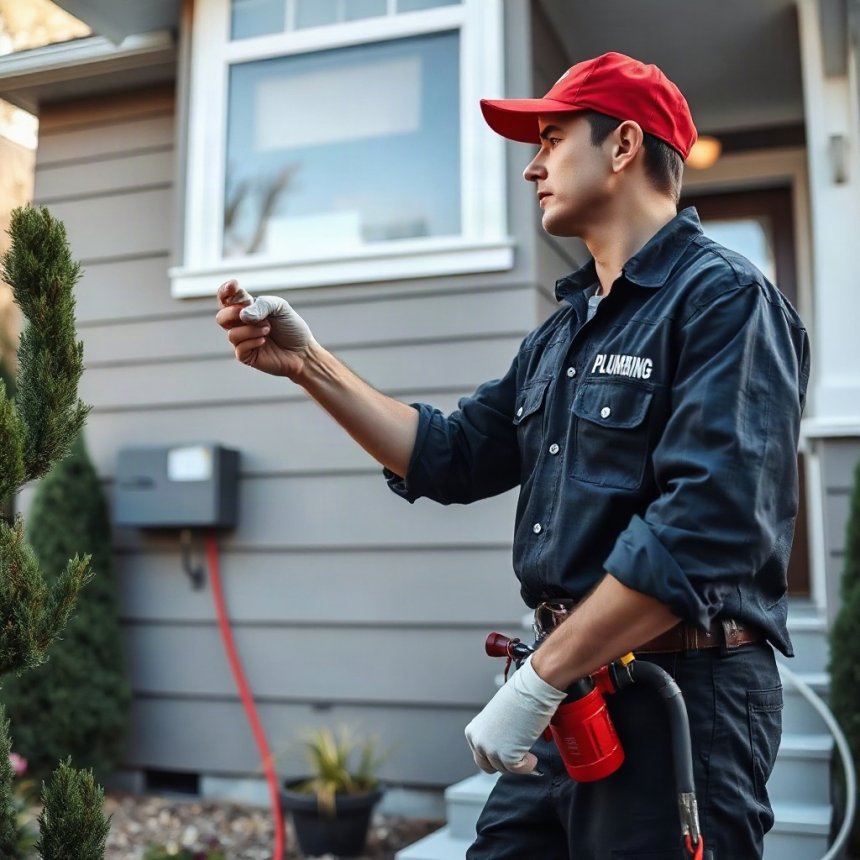
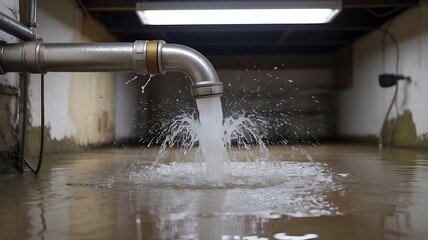
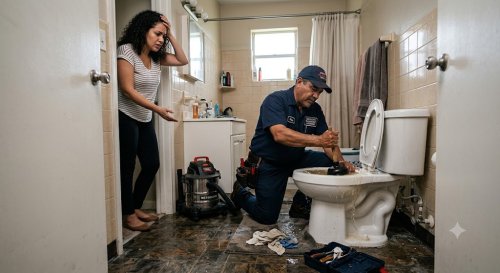
When a main sewer line fails, homeowners often face an expensive dilemma: whether to choose targeted sewer line repair or invest in a full sewer line replacement. The main sewer line is the critical underground pipe that carries all wastewater from your home's toilets, sinks, showers, and laundry appliances out to the municipal sewer main or private septic system. When this pipe breaks, collapses, or becomes heavily obstructed, it threatens your entire household drainage network.
In the Houston area, aging infrastructure, expansive clay soils, shifting ground conditions, and aggressive root intrusion from heavy tree growth frequently test underground plumbing systems. Determining whether a localized repair or a total system replacement is the right choice depends on the pipe material, the exact nature of the damage, the structural integrity of the rest of the line, and the depth at which the pipe is buried.
The Core Difference: Repair vs. Replacement
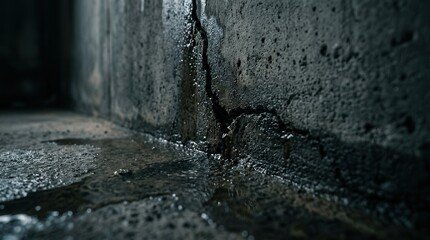
A sewer line repair addresses a specific, isolated point of failure. This might involve fixing a single cracked section of pipe damaged by ground movement, removing an intrusion point where roots have broken through a joint, or repairing a localized sag (commonly called a "belly") where wastewater pools. Repairs are typically less invasive and more cost-effective when the surrounding pipe is still in healthy condition.
A sewer line replacement, by contrast, involves abandoning or removing a significant portion—or the entirety—of the existing private sewer lateral and installing a brand-new pipe network. Replacement becomes necessary when the pipe material has degraded past the point of structural reliability, when multiple failures occur across different sections of the line, or when widespread root damage and severe corrosion compromise the entire run.
Symptoms and Clues That Matter
Recognizing the early warning signs of sewer line trouble can prevent catastrophic sewage backups inside your living space. Unlike a single clogged bathroom sink or a slow-draining tub—which usually points to a localized fixture or branch line restriction—sewer line problems affect multiple fixtures simultaneously.
- Multiple fixture backups: When flushing a toilet causes water to bubble up into a shower drain, or running a washing machine makes a downstairs floor drain overflow, the main sewer line is restricted.
- Slow drainage throughout the house: Sinks, tubs, and toilets draining sluggishly at the same time indicate a major downstream restriction.
- Gurgling plumbing noises: Unusual gurgling sounds coming from toilet bowls or floor drains when other fixtures are used suggest trapped air trying to escape past a blockage or pipe collapse.
- Lawn anomalies: Unusually lush, green patches of grass directly above the underground sewer path, or wet, soggy depressions in the yard during dry weather, often signal a leaking or broken pipe underground.
- Unpleasant odors: Persistent sewage smells around your yard or inside lower-level living areas indicate venting failures or broken pipe walls.
What Homeowners Can Safely Check
Before jumping to conclusions about your underground plumbing, a few safe, non-invasive observations can help you gather valuable information:
- Isolate the scope: Determine if only one fixture is draining slowly or if the issue impacts multiple bathrooms and kitchen lines.
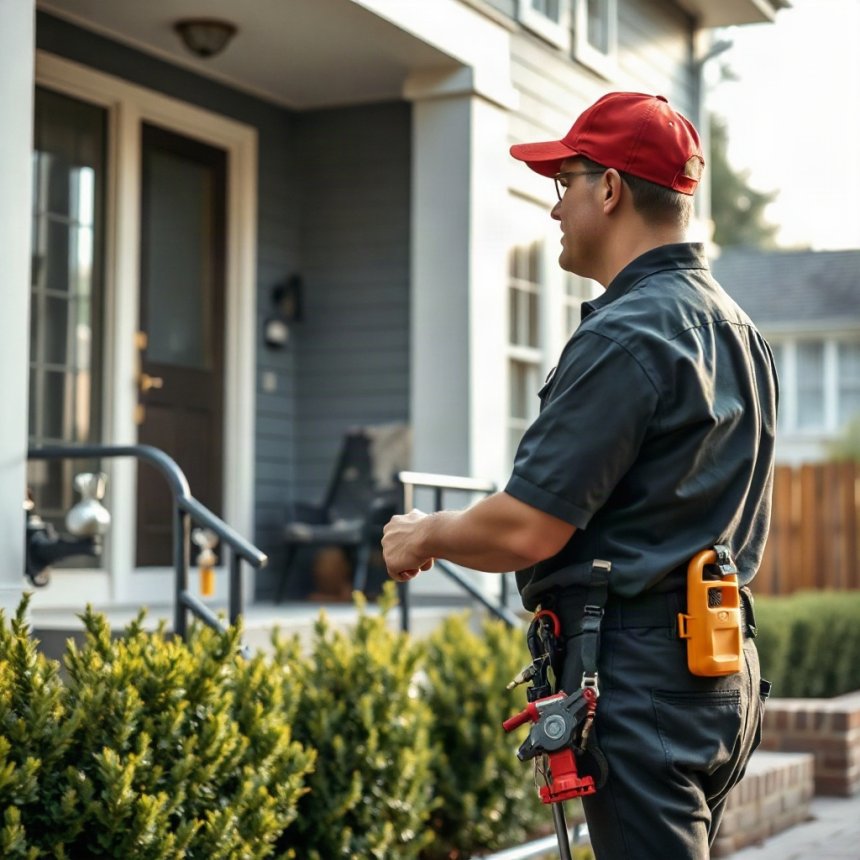
- Check the cleanout: Locate your property's sewer cleanout (usually an upright pipe with a cap located near the exterior foundation). If opening the cleanout cap safely releases trapped wastewater, the blockage is definitely downstream in the main lateral line toward the street.
- Review weather correlation: Note if the backup coincided with heavy, intense rainfall typical of Houston storms, which can overwhelm older combined municipal systems or infiltrate damaged private lines through compromised joints.
Safety Warning: Never attempt to clear a main sewer line obstruction with standard consumer drain chemicals or basic handheld snakes if you suspect a structural collapse. Strong chemical drain cleaners can sit in broken pipes, creating severe chemical burn hazards during professional excavation or emergency repairs.
How Professionals Diagnose Sewer Lines
A professional diagnosis goes far beyond guessing based on surface symptoms. Plumbers rely on specialized diagnostic tools to see inside underground pipes.
- Sewer Camera Inspection: A high-definition waterproof camera is pushed through the cleanout to visually inspect the interior walls, joints, root intrusions, cracks, and pipe alignment. A camera can reveal exact distances and structural conditions.
- Electronic Line Locating: Transmitting sondes attached to the camera head allow technicians to pinpoint the exact depth and surface location of a broken pipe on your property, minimizing guesswork during excavation.
- Slope and Grade Testing: Laser levels or camera telemetry help determine if the pipe maintains the proper downward pitch toward the municipal connection.
Hidden Diagnostic Limitation: While a sewer camera provides invaluable visual data, it cannot definitively measure the remaining wall thickness of older cast-iron pipes or predict the exact day a weakened section will completely collapse. Experienced interpretation is required to distinguish between surface scaling and structural failure.
Factors That Determine Repair vs. Replacement
When reviewing diagnostic findings, several technical and structural factors guide the decision between a focused repair and a complete replacement:
| Decision Factor | When Repair is Usually Appropriate | When Replacement is Usually Necessary |
|---|---|---|
| Damage Extent | Localized crack, single root intrusion, or isolated joint failure. | |
| Extensive cracking, widespread root matting, or multiple structural failures. | ||
| Pipe Material | Modern PVC or durable ABS with minor local damage. | |
| Aging Orangeburg pipe, heavily corroded cast iron, or collapsed clay tile. | ||
| Structural Integrity | Surrounding pipe walls remain thick and structurally sound. | |
| Pipe walls are brittle, thinning, or crumbling under minimum pressure. | ||
| Frequency of Issues | First-time failure after years of reliable operation. | |
| Recurring backups and clogs shortly after previous drain cleaning or repairs. |
Traditional Excavation vs. Trenchless Methods
If a repair or replacement is deemed necessary, property owners often have choices regarding the installation method used.
Traditional Trench Repair: This method requires excavating a trench along the path of the damaged pipe to remove the old material and lay new piping. While disruptive to landscaping, driveways, or concrete patios, traditional excavation provides direct physical access, making it essential when pipe grade must be physically corrected or when pipes have completely collapsed.
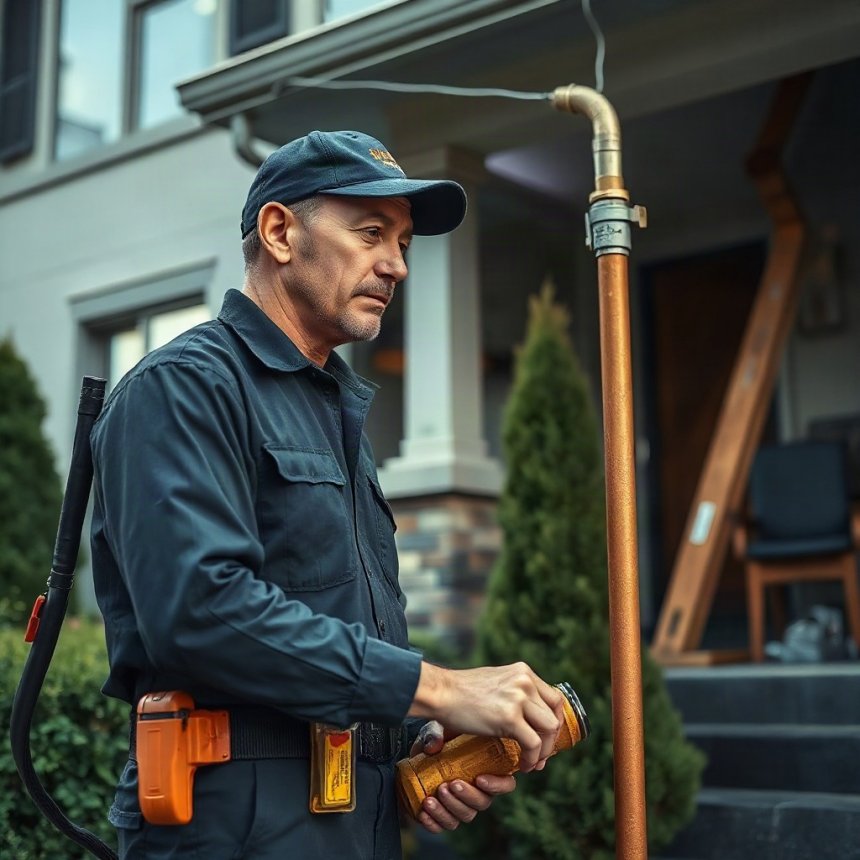
Trenchless Sewer Repair: Technologies such as pipe bursting or cured-in-place pipe (CIPP) lining allow professionals to rehabilitate or replace sewer lines with minimal surface digging. Pipe bursting pulls a new HDPE pipe through the old damaged route, fracturing the old pipe outward. CIPP lining creates a seamless structural epoxy liner inside the existing pipe. These methods preserve expensive landscaping and hardscaping, though they require adequate access points and pipes that meet specific structural prerequisites.
What Drives the Cost of Sewer Work?
Sewer repair and replacement pricing varies widely because no two properties share the exact same site conditions. Understanding the primary cost drivers helps homeowners evaluate estimates objectively:
- Depth of the Pipe: Shallow pipes require less labor and shoring than deep lines buried six to ten feet underground.
- Accessibility and Obstacles: Navigating around mature root systems, swimming pools, retaining walls, or concrete driveways increases labor complexity.
- Surface Restoration: Breaking through and subsequently repouring concrete driveways, sidewalks, or interior slab foundations adds significant restoration costs compared to working within an open lawn.
- Pipe Material and Length: The total linear footage and the grade of materials selected (such as heavy-duty schedule 40 PVC) influence material expenses.
- Permits and Inspections: Local municipal requirements often mandate permits and formal plumbing inspections for main sewer replacements.
Questions to Ask Before Approving Major Work
Before authorizing an expensive sewer line project, homeowners should ask qualified contractors clear, direct questions:
- Can you provide the unedited video footage from the sewer camera inspection, and can you point out where the structural failure begins and ends?
- Is this localized damage that can be successfully resolved with a targeted repair, or is the entire lateral compromised?
- What installation method are you proposing (traditional excavation versus trenchless), and what are the specific reasons for that choice?
- Does the estimate include complete surface and landscaping restoration, or will I need to hire separate contractors for concrete and yard repair?
- What permits are required for this project, and will your team handle the municipal permitting and inspection process?
Frequently Asked Questions
Can root intrusion be permanently stopped without replacing the sewer line?
Root intrusion can be managed through regular mechanical cleaning or hydro jetting, but roots will continually re-enter through any remaining cracks or unsealed pipe joints. If structural pipe joints are compromised, periodic cleaning is only a temporary maintenance measure rather than a permanent fix.
How long does a typical sewer line replacement take to complete?
Most residential sewer line replacements or trenchless rehabilitations take between one and three days, depending on the length of the run, the depth of burial, soil conditions, and the extent of required surface restoration or concrete cutting.
Will homeowners insurance cover sewer line repair or replacement?
Standard homeowner insurance policies typically exclude damage caused by normal wear and tear, tree roots, or aging plumbing infrastructure. However, optional endorsements or separate service line coverage coverages may apply if specific sudden events caused the line failure. Check directly with your insurance provider.
What is Orangeburg pipe, and why does it always require replacement?
Orangeburg pipe is a bituminized fiber pipe made from wood pulp and coal tar used in residential construction from the 1940s through the 1970s. Over time, saturated soil causes these pipes to absorb moisture, soften, deform, and collapse inward, making structural repair impossible and full replacement necessary.
How can I protect my new sewer line from future damage?
To protect a new sewer line, avoid planting large trees or deep-rooting shrubs directly over the utility easement, refrain from pouring grease or harsh chemical drain cleaners down household drains, and ensure that only approved wastewater and toilet paper enter your drainage system.