Cast Iron Sewer Pipe Problems in West University Place
Learn how to identify cast iron sewer pipe problems in West University Place and when repair, relining, or complete sewer replacement makes sense.

Cast Iron Sewer Pipe Problems Are Worth Taking Seriously
If you own an older home in West University Place, you may eventually hear a plumber mention cast iron sewer pipes. These pipes were widely used in older residential plumbing systems because cast iron is strong, durable, and relatively resistant to heat and impact.
The problem is that even durable materials eventually deteriorate.
Cast iron sewer pipes can develop corrosion, cracks, scale buildup, joint failures, root intrusion, or structural damage. In some homes, the deterioration happens gradually. You may first notice a recurring drain clog or unpleasant sewer odor. In more serious cases, wastewater can leak beneath a slab, causing property damage and sanitation concerns.
West University Place has a significant amount of older infrastructure. The city itself has identified pre-1939 cast-iron waterlines requiring replacement as part of its municipal waterline program. That project concerns public water infrastructure rather than private residential sewer lines, but it illustrates why age and pipe material matter when evaluating older properties in the area.
The important question for a homeowner is not simply, “Do I have cast iron?”
The better question is:
“What condition is my cast iron sewer system in, and is repair or replacement the better long-term option?”
What Are Cast Iron Sewer Pipes?
Cast iron sewer pipes are heavy metal pipes historically used to transport wastewater from toilets, sinks, showers, and other fixtures toward the home's sewer connection.
A typical residential sewer system can contain multiple sections of piping. Some may run inside walls or beneath floors, while others may extend underground toward the municipal sewer.
Cast iron became popular because it is strong and can provide many years of service when properly installed and maintained.
However, cast iron is not immune to deterioration.
Over time, the inside of a pipe can develop corrosion and mineral buildup. The pipe wall may become thinner or rougher. Joints can deteriorate, and surrounding soil movement or root intrusion can contribute to additional problems.
A sewer camera inspection is often one of the most useful ways to determine what is actually happening inside the pipe.
Why Do Cast Iron Sewer Pipes Fail?
Cast iron sewer problems rarely have just one cause.
Internal Corrosion
Wastewater and moisture can contribute to corrosion inside older cast iron pipes.
As corrosion progresses, the pipe's internal diameter can become smaller and rougher. Waste may catch on the damaged surface more easily.
Scale and Mineral Buildup
Years of mineral deposits and corrosion can create heavy scaling.
A pipe that once provided a relatively open pathway for wastewater may gradually become restricted.
This can lead to slow drainage and recurring blockages.
Cracked or Damaged Pipes
Older cast iron can eventually crack, especially when the pipe has been subjected to structural stress, ground movement, or deterioration.
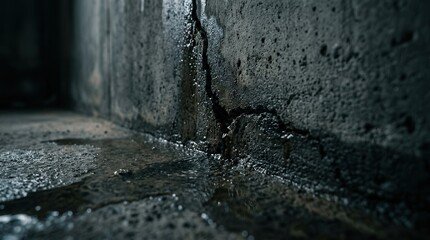
A crack may allow wastewater to escape into surrounding soil.
Failed Joints
Cast iron sewer systems contain connections between pipe sections.
Over many years, these joints can deteriorate or become displaced.
A joint failure may produce leaks without causing an obvious indoor plumbing problem initially.
Tree Root Intrusion
Tree roots naturally seek moisture. If a sewer joint develops a small opening, roots can sometimes enter the line.
Once inside, roots can collect paper, grease, and other debris and contribute to repeated blockages.
Ground Movement
Changes in surrounding soil can put stress on underground sewer piping.
The result can be pipe displacement, cracking, or separation.
Poor Previous Repairs
An older sewer system may contain sections that have been repaired several times.
Improper transitions between old and new pipe materials or poorly executed repairs can create additional weak points.
Warning Signs of Cast Iron Sewer Problems
Not every sewer problem means the entire line needs replacement.
However, certain symptoms deserve professional investigation.
Repeated Drain Clogs
If the same drain repeatedly becomes clogged despite professional cleaning, there may be a deeper problem.
Recurring blockages can result from pipe deterioration, roots, structural damage, or severe buildup.
Multiple Slow Drains
One slow sink may simply have a local drain clog.
But when several fixtures throughout the home drain slowly at the same time, the main sewer line deserves attention.
Sewage Odors
Persistent sewage smells can indicate a drainage or sewer problem.
An odor may come from a dry trap, damaged venting, a broken sewer pipe, or another plumbing issue.
Gurgling Toilets
Gurgling or bubbling sounds can occur when air becomes trapped or displaced because wastewater cannot move normally through the drainage system.
If multiple fixtures are affected, investigate rather than repeatedly plunging the toilet.
Sewage Backups
A sewage backup is one of the most serious warnings.
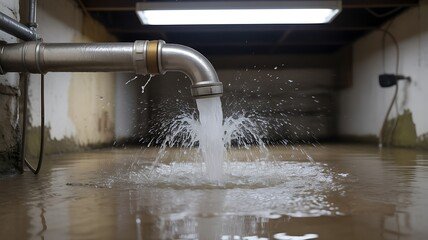
Wastewater entering a shower, bathtub, floor drain, or toilet area can create a sanitation problem and should be addressed promptly.
Wet or Unusually Lush Areas in the Yard
A sewer leak underground can sometimes create unusually wet soil or vegetation.
This is not definitive proof of a sewer leak because irrigation, rainfall, and natural drainage can produce similar conditions.
Cracks or Depressions
Unexpected changes around floors, landscaping, or paved areas can have many causes.
If they occur alongside sewer symptoms, professional inspection can help determine whether underground plumbing is involved.
Unexplained Pest Activity
Sewer problems can sometimes create moisture or odor conditions that attract pests.
This symptom by itself does not establish that a sewer pipe is damaged, but it can be another reason to investigate persistent plumbing problems.
Repair vs. Replacement: Which Is Better?
This is where homeowners should avoid making assumptions.
Cast iron does not automatically need to be replaced simply because it is old.
Likewise, repeated sewer problems should not automatically be treated with another cleaning.
The right solution depends on the pipe's actual condition.
Repair May Make Sense When:
- The damage is localized
- Most of the pipe remains structurally sound
- A single joint has failed
- A small section is cracked
- The remaining pipe has acceptable structural integrity
- Access to the damaged section is reasonable
- There are no widespread recurring failures
A localized repair can sometimes solve the immediate problem without replacing an otherwise serviceable sewer system.
Replacement May Make More Sense When:
- Multiple sections are deteriorated
- The pipe is severely corroded
- The pipe has collapsed
- Cracking is widespread
- Repeated repairs have failed
- Roots continually return
- The internal diameter is severely restricted
- The sewer line has reached the end of its practical service life
- The cost of repeated repairs approaches the cost of a long-term solution
The decision should be based on inspection findings rather than age alone.
What Is a Sewer Camera Inspection?
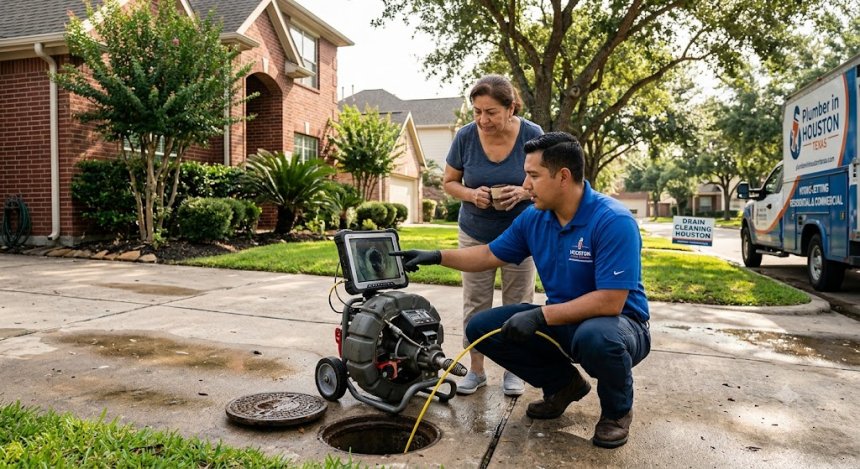
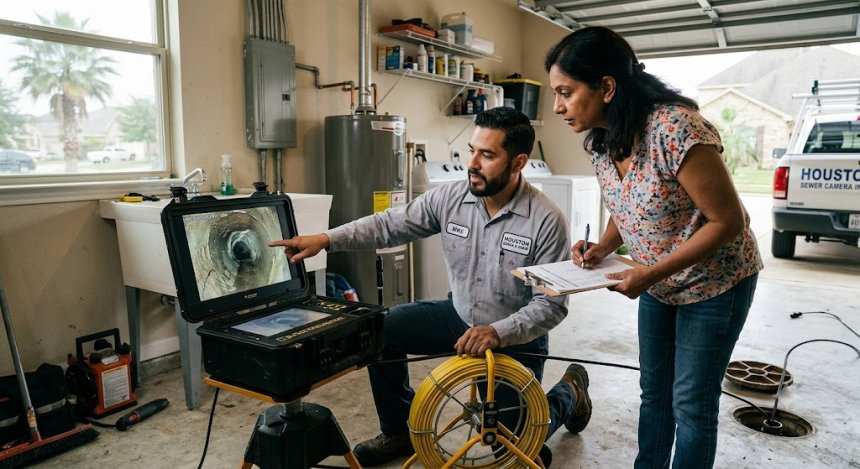
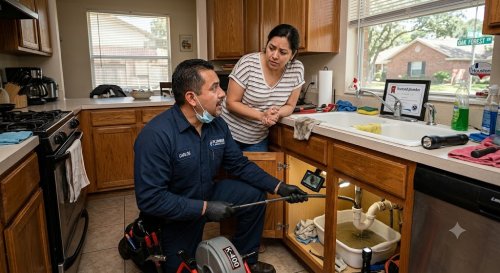
A sewer camera inspection involves sending a specialized camera into the drain or sewer line to visually inspect the interior of the pipe.
This can help identify:
- Cracks
- Root intrusion
- Corrosion
- Scale buildup
- Offset joints
- Collapsed sections
- Standing water
- Blockages
- Structural deterioration
One major advantage is that the homeowner and plumber can often see the actual condition of the pipe rather than relying entirely on symptoms.
For an expensive sewer replacement, a camera inspection can provide valuable information before excavation begins.
Step-by-Step Cast Iron Sewer Repair Process
A professional sewer project generally follows a structured process.
Step 1: Listen to the Homeowner
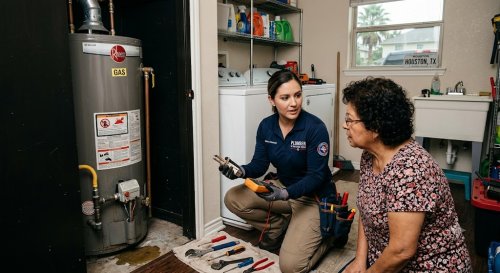
The plumber asks about recurring clogs, backups, odors, slow drains, previous repairs, and the age of the plumbing system.
Step 2: Inspect the Drain System
Visible plumbing and accessible cleanouts are examined.
Step 3: Perform a Camera Inspection
A sewer camera may be used to inspect the inside of the line.
Step 4: Identify the Problem
The plumber determines whether the issue is a blockage, root intrusion, corrosion, joint failure, cracking, collapse, or another problem.
Step 5: Determine Location
Locating equipment may be used to identify where underground damage is situated.
Step 6: Explain Repair Options
The plumber should explain whether cleaning, localized repair, trenchless rehabilitation, or conventional replacement is appropriate.
Step 7: Complete the Work
The selected repair method is performed according to applicable plumbing requirements.
Step 8: Test the Sewer
The line should be tested to confirm proper drainage.
Step 9: Discuss Maintenance
The plumber can explain how to reduce recurring blockages and what future monitoring may be appropriate.
Can Cast Iron Sewer Pipes Be Repaired Without Digging Everything Up?
Sometimes.
Depending on the pipe's condition, location, diameter, accessibility, and configuration, trenchless methods may be worth investigating.
Potential approaches can include pipe lining or other rehabilitation methods designed to create a new pipe-like interior within the existing line.
However, trenchless technology is not automatically appropriate for every cast iron sewer.
A severely collapsed pipe, badly misaligned section, inaccessible configuration, or other structural condition may require excavation and conventional replacement.
Homeowners should ask:
- Is trenchless repair appropriate for this pipe?
- What condition is the existing pipe in?
- Are there collapsed sections?
- Will the existing pipe accept the proposed rehabilitation method?
- How long is the repaired section?
- What warranty applies?
- What restoration is included?
A good contractor should explain why the recommended method fits the actual condition of the sewer.
How Long Does Cast Iron Sewer Repair Take?
Time varies significantly by project.
A localized repair may be completed relatively quickly if the damaged section is accessible.
A full sewer replacement can take longer because excavation, pipe installation, inspections, testing, and surface restoration may all be involved.
Trenchless work can potentially reduce excavation, but the actual duration depends on site conditions and the chosen technology.
Factors affecting project time include:
- Pipe length
- Depth
- Number of damaged sections
- Access
- Soil conditions
- Concrete or landscaping
- Required excavation
- Permitting
- Pipe configuration
- Restoration requirements
How Much Does Cast Iron Sewer Replacement Cost?
There is no responsible universal price for cast iron sewer replacement.
Costs vary based on:
- Sewer line length
- Pipe depth
- Accessibility
- Excavation requirements
- Pipe material
- Labor
- Camera inspection
- Locating equipment
- Trenchless versus conventional methods
- Concrete removal
- Landscaping restoration
- Flooring restoration
- Permit requirements
- Number of damaged sections
- Property layout
A short, accessible repair can cost dramatically less than replacing a long sewer line beneath a slab.
Before approving a major project, request a detailed estimate showing what is included and what restoration work is excluded.
Hidden Truths Homeowners Should Know
A Drain Cleaning Is Not Always a Sewer Repair
If a plumber clears a blockage and the same problem returns repeatedly, the underlying pipe should be investigated.
Old Does Not Automatically Mean Failed
Age is important, but the actual condition of the pipe is more useful than the installation date alone.
One Bad Section Does Not Necessarily Mean Total Replacement
A camera inspection can help determine whether deterioration is localized or widespread.
Repeated Root Problems Need More Than Another Temporary Clearing
Removing roots may restore flow temporarily, but the underlying opening that allowed roots into the pipe may remain.
The Cheapest Quote May Not Be the Cheapest Solution
A low initial price can become expensive if important excavation, restoration, permits, or damaged sections are excluded.
Sewer Problems Can Affect More Than Plumbing
Persistent wastewater leakage can create moisture, odor, and sanitation concerns.
Get the Inspection Results in Writing
For significant sewer work, homeowners should request documentation of the findings, recommended repair, and project scope.
15 Common Mistakes Homeowners Make
- Assuming every clog is a simple clog — Recurring blockages deserve further investigation.
- Ignoring slow drains — Slow drainage can be an early warning sign.
- Waiting for a sewage backup — A backup is already a significant problem.
- Replacing pipes without a camera inspection — Know what condition the line is actually in.
- Assuming all cast iron must be replaced — Localized repairs may be appropriate.
- Assuming cast iron can always be repaired — Severely deteriorated lines may need replacement.
- Ignoring tree roots — Recurring root intrusion can indicate damaged joints.
- Using excessive chemical drain cleaners — They are not a substitute for diagnosing structural sewer problems.
- Choosing a contractor only by price — Compare scope, methods, warranties, and restoration.
- Failing to ask about trenchless options — Depending on the pipe, rehabilitation may be worth considering.
- Ignoring previous sewer repairs — Repeated repairs can reveal a larger system issue.
- Neglecting cleanouts — Accessible cleanouts make future maintenance easier.
- Pouring grease into drains — Grease can contribute to sewer restrictions.
- Flushing wipes and inappropriate materials — These products can contribute to blockages.
- Delaying professional attention after a backup — Persistent wastewater problems can create additional property and sanitation concerns.
Maintenance Tips for Older Sewer Systems
Homeowners with older cast iron plumbing can take practical steps to reduce problems.
- Schedule professional sewer inspections when recurring problems occur.
- Consider a camera inspection before major sewer work.
- Keep sewer cleanouts accessible.
- Do not flush wipes, paper towels, or other inappropriate materials.
- Keep grease and cooking oil out of drains.
- Address recurring clogs instead of repeatedly treating symptoms.
- Monitor slow drains throughout the house.
- Pay attention to sewer odors.
- Investigate repeated toilet gurgling.
- Watch for unexplained yard moisture.
- Monitor areas where large trees grow near sewer lines.
- Avoid planting new trees directly over sewer routes.
- Have roots professionally evaluated when they repeatedly enter the line.
- Keep records of previous sewer repairs.
- Ask for video documentation when major sewer problems are diagnosed.
- Have aging plumbing evaluated before buying or remodeling an older property.
- Ask about trenchless options when replacement is recommended.
- Follow local plumbing requirements for major sewer work.
- Repair leaking joints promptly.
- Have recurring sewer problems professionally diagnosed rather than repeatedly cleared.
When Is a Cast Iron Sewer Problem an Emergency?
Not every cast iron pipe problem requires emergency service.
However, call for urgent plumbing assistance if you experience:
- Sewage backing into the home
- Multiple drains suddenly backing up
- Wastewater flooding floors
- A collapsed sewer line
- A major underground sewer leak
- Strong persistent sewage odors combined with drainage problems
- Wastewater entering living areas
- A plumbing failure that is causing significant property damage
Keep people and pets away from sewage-contaminated areas until the problem has been addressed and the area is appropriately cleaned.
People Also Ask About Cast Iron Sewer Pipes
How long do cast iron sewer pipes last?
Service life varies considerably depending on installation, soil conditions, water chemistry, pipe quality, maintenance, and other factors. Age alone cannot determine whether replacement is necessary.
Should I replace cast iron sewer pipes?
Not necessarily. If inspection shows the pipe is structurally sound with localized damage, repair may be appropriate. Widespread deterioration may justify replacement.
Can cast iron sewer pipes be repaired?
Yes. Depending on the damage, a plumber may repair a localized section, repair a joint, or use a rehabilitation method. Severe deterioration may require replacement.
How do I know if my cast iron sewer pipe is failing?
Recurring clogs, slow drains, sewage odors, backups, root intrusion, corrosion, and camera-visible structural damage can indicate deterioration.
Can a sewer camera see cast iron corrosion?
A camera can provide visual information about internal pipe condition, including corrosion, scale, cracks, roots, and other visible defects. Additional testing may be needed to assess the full structural condition.
Is trenchless sewer repair good for cast iron?
It can be suitable in some situations, but not every cast iron sewer qualifies. The pipe's structural condition, configuration, access, and rehabilitation requirements must be evaluated first.
Is sewer pipe replacement better than repair?
It depends on the extent of damage. Repair can make sense for isolated defects, while replacement may be more practical when deterioration is widespread or failures continue.
Can tree roots damage cast iron sewer pipes?
Roots can enter existing openings or damaged joints and contribute to blockages. Repeated root intrusion may indicate a structural defect that needs attention.
Why does my toilet gurgle when another drain runs?
Gurgling can indicate air or drainage-flow problems in the plumbing system. If multiple fixtures are affected, the main sewer or drain system should be evaluated.
Can a clogged sewer line cause sewage to back up?
Yes. If wastewater cannot move properly through the sewer line, it can back up into lower fixtures or drains.
Should I get a second opinion before replacing my sewer line?
For a major and expensive sewer replacement, obtaining a second professional opinion can be reasonable. Ask both contractors to provide the camera findings and explain the recommended repair.
Why Choose a Qualified Houston Sewer Plumber?
Cast iron sewer problems are not ideal for guesswork.
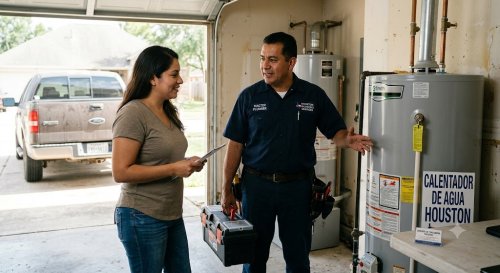
A qualified plumbing professional should be able to explain what is wrong with the pipe, show you the evidence when practical, and distinguish between a blockage, localized defect, and widespread structural deterioration.
When comparing plumbing companies serving West University Place, look for:
- Appropriate Texas licensing and qualifications
- Experience with sewer diagnostics
- Sewer camera inspection capability
- Clear written estimates
- Explanation of repair and replacement alternatives
- Experience with cast iron systems
- Knowledge of conventional and trenchless options
- Transparent project scope
- Appropriate permits when required
- Clear warranty information when applicable
West University Place is close to several Houston communities, including Southside Place, Bellaire, Southampton, Rice Village, Meyerland, and the broader Houston area, making local knowledge and familiarity with older residential plumbing especially valuable.
Call for Cast Iron Sewer Pipe Inspection in West University Place
If your home has older cast iron sewer pipes and you are dealing with recurring clogs, slow drains, sewage odors, gurgling toilets, or backups, don't automatically assume that another drain cleaning is the answer.
The first step should be understanding what condition the sewer pipe is actually in.
A professional camera inspection can help determine whether you need a localized repair, sewer rehabilitation, or full replacement.
For plumbing assistance in West University Place, Houston, Harris County, and nearby communities, contact Emergency Plumbing in Houston Heights at 844-833-2093.
Ask about your symptoms, sewer inspection options, and whether repair or replacement is appropriate for your property.
Call 844-833-2093 to schedule professional sewer plumbing assistance and get a clearer understanding of your cast iron sewer pipe problem.